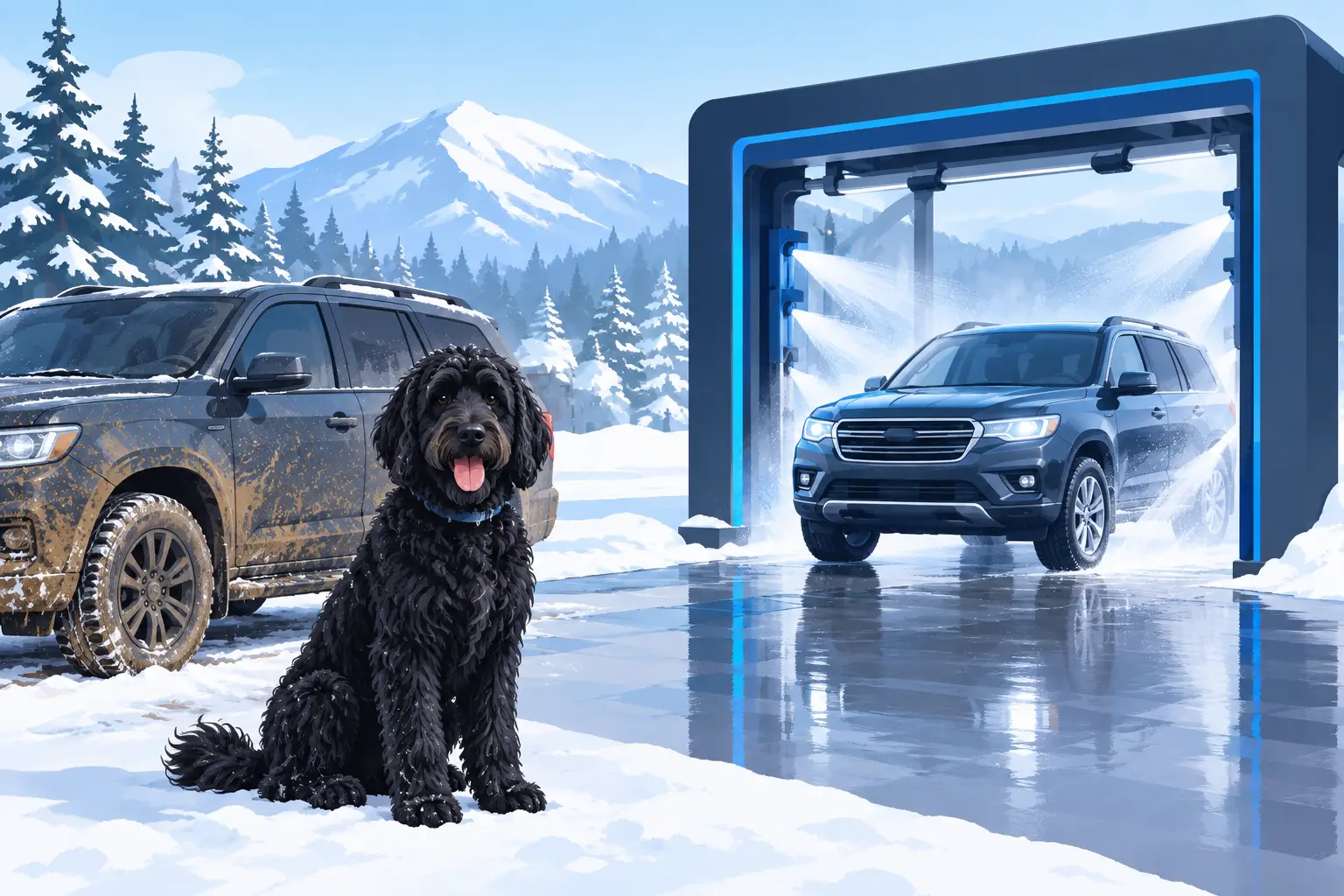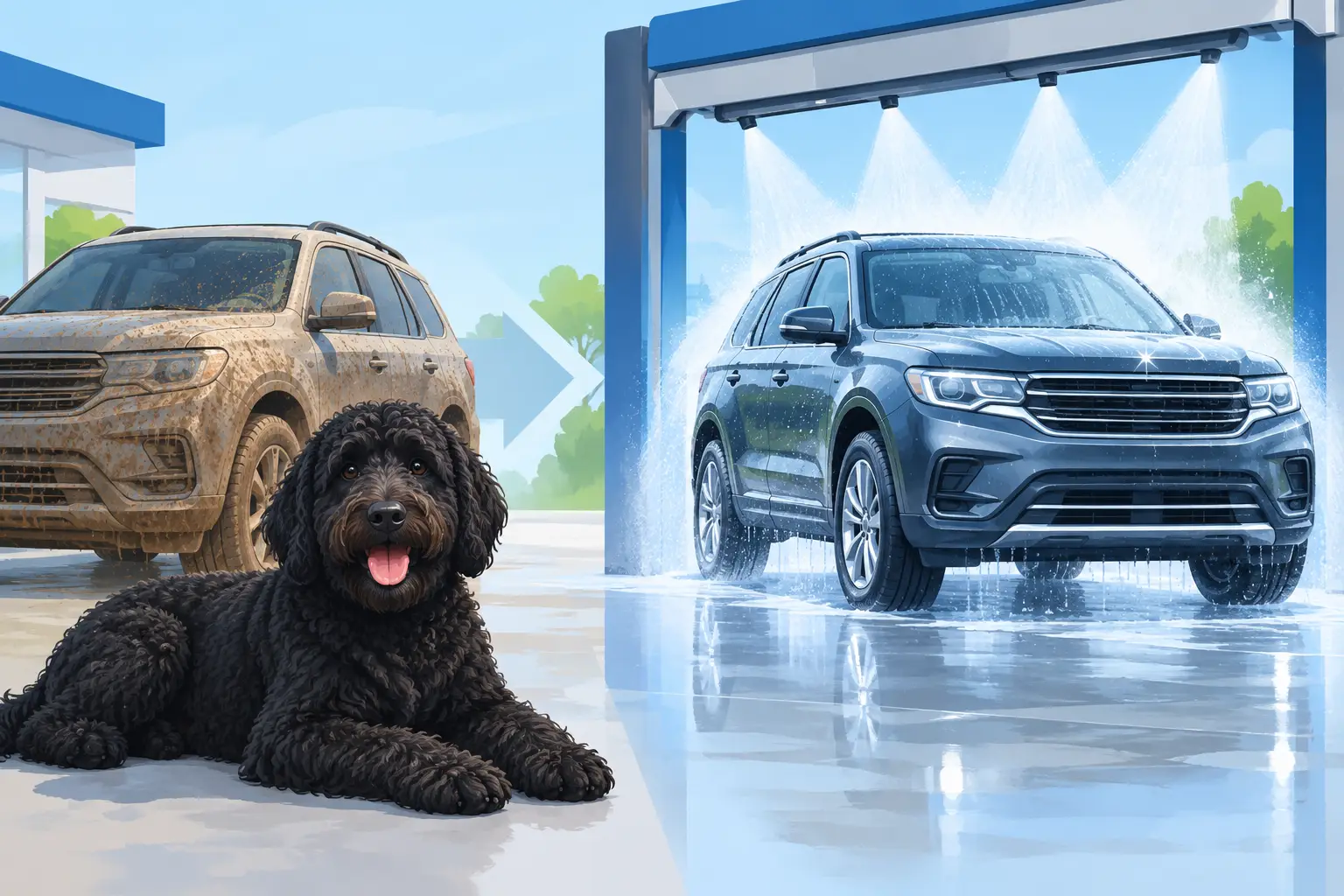

A clean car in a New Hampshire winter is about more than looking good in the grocery store parking lot. This winter vehicle cleaning guide is about getting road salt, slush, sand, and grimy spray off the places that matter before they have a chance to linger. A few well-timed washes can help keep your vehicle looking better, make winter driving clearer, and give you a closer look at what the season is doing underneath all that grime.
Winter weather does not wait for a convenient day. One commute can leave your doors streaked white, your wheels coated in brake dust and salt, and your rear window hard to see through. The good news is that you do not need to detail your vehicle every week. You need a practical routine that fits real life.
Why winter road grime deserves attention
Road salt is useful when the temperature drops, but it is not friendly to a vehicle. Salt residue mixes with water, dirt, and road grit, collecting along rocker panels, wheel wells, bumpers, and the lower edges of doors. Those are areas that can stay wet longer than you think, especially after a sloppy drive home.
Leaving grime in place for a few days after a storm is not always a disaster. Leaving it there repeatedly through an entire season is a different story. Regular cleaning helps remove the buildup before it gets packed into seams and hard-to-reach areas. It also makes it easier to spot chipped paint, loose trim, cracked lights, or a damaged wiper blade before a minor issue becomes more expensive.
Visibility is another reason to stay on schedule. Film on the windshield and rear glass can create glare from headlights, low winter sun, and wet pavement. Dirty headlights can reduce usable light just when early darkness makes clear vision most valuable.
Your winter vehicle cleaning guide: when to wash
The best wash schedule depends on the weather and how much you drive. If roads have been heavily treated, a wash within a few days of the storm is a smart move. Drivers with long commutes, unpaved driveways, or frequent highway travel may need to wash more often than someone who only makes short local trips.
Do not wait until the car looks completely brown or white with salt. By that point, residue has likely been sitting on the paint and lower body panels for a while. A quick exterior wash after a stretch of slushy roads is easier than trying to remove weeks of buildup later.
There is one trade-off: washing immediately before another major storm may not feel worth it. If the roads are about to be salted again that evening, waiting until the storm passes can make more sense. Still, if your windows, headlights, mirrors, or license plates are coated, clean those critical areas right away. Safe visibility should not wait for perfect timing.
Choose a day that helps the wash work
Above-freezing temperatures are ideal, but winter does not always cooperate. A quality automatic wash can still be useful in cold weather, particularly when you can drive afterward and let airflow help clear excess water from door seams and mirrors.
If it is very cold, avoid leaving the vehicle parked immediately after washing if possible. Take a short drive, use the defroster, and open and close each door once you are home. This can help reduce the chance of moisture freezing around weather stripping. If your vehicle has a power liftgate, fuel door, or retractable handles, give those moving parts a quick check too.
Start with a touchless exterior wash
Winter grime is abrasive. Sand and grit can settle onto paint, and dragging that material across the surface with a dirty mitt or brush can create unnecessary friction. That is why many drivers prefer a touchless wash during the season. High-pressure water and cleaning solutions do the work without physical brushes contacting the vehicle.
A good touchless wash should focus on more than the center of the doors and hood. The lower panels, wheel wells, wheels, rear hatch area, and front grille deserve attention because they collect the most winter debris. You may not be able to see every bit of residue, but consistent washing greatly reduces the amount that has time to build up.
At Black Dog Car Wash, drivers can use touchless equipment around the clock, which is especially helpful when a clear weather window appears after work, before an early commute, or on a weekend when the family schedule finally opens up. Winter is not known for convenience. Your car wash should be.
Do not forget the undercarriage
The underside of your vehicle takes the hardest hit from treated roads. Saltwater and slush can spray up onto suspension components, brake lines, exhaust parts, and the underside of body panels. An undercarriage rinse is one of the most useful parts of a winter wash, even though it is the part you never see.
How often you need it depends on conditions. After a major snow event or a week of roads being heavily treated, it is worth prioritizing. If the weather has stayed dry and roads are clear, your normal wash routine may be enough. Think of the undercarriage rinse as basic winter maintenance, not an optional extra for only spotless-car people.
Keep glass, lights, and cameras clear
A clean exterior is helpful, but clear glass and lights are essential. Windshield washer fluid handles the quick fixes, yet it cannot replace a proper cleaning. Wiper blades can spread a thin layer of salt, oily road film, and dirt across the windshield, especially when temperatures bounce above and below freezing.
Clean the windshield inside and out. The inside is easy to overlook, but interior haze becomes obvious when headlights hit the glass at night. Use a clean microfiber towel and a glass cleaner made for automotive use. Avoid using a towel that has been used on paint or wheels, since it can leave streaks or transfer grime.
Give your headlights, taillights, mirrors, backup camera, and driver-assistance sensors a quick wipe whenever you stop for gas or park at home. Snow and salt can cover them fast. If your vehicle has a front camera or parking sensors, check those too. Modern safety features work best when they can actually see.
Clean the cabin without soaking it
Winter interiors collect more than crumbs. Boots bring in salt, sand, melted snow, and moisture that can soak into floor mats and carpet. Over time, that can create odor and leave salt stains behind.
Start by removing loose trash and vacuuming the seats, carpet, and mats. Pay attention to the edges of the mats and the area under the pedals, where dirt tends to hide. If you use rubber mats, take them out, rinse them, and let them dry before putting them back. For carpet mats, vacuum first and use only enough cleaner to lift stains without saturating the material.
Avoid turning the inside of the car into a damp project during freezing weather. Heavy shampooing may leave moisture trapped in the cabin, causing foggy windows and a musty smell. For most winter touch-ups, vacuuming, spot cleaning, and drying mats thoroughly are enough.
Protect the details that get overlooked
Small habits can save aggravation on the coldest days. Keep winter-rated washer fluid topped off, not plain water. Check wiper blades for torn edges or streaking. Lubricate door seals with a product designed for automotive weather stripping if they are prone to freezing, and never force a frozen door handle.
It also helps to keep a soft snow brush, ice scraper, microfiber towels, and a small bottle of washer fluid in the vehicle. Beau would probably argue that a towel is also useful for muddy paws, but it earns its spot for clearing mirrors and drying a door jamb after a wash.
When you clear snow, brush the entire vehicle, including the roof, hood, trunk, lights, and windows. Driving with snow piled on top may save a minute in the driveway, but it can slide forward onto the windshield when you brake or blow onto the driver behind you. Clean is safer, even before the wash begins.
Make a routine you can keep
The most effective winter cleaning plan is one you will actually follow. For many New Hampshire drivers, that means washing after major storms, rinsing away salt during heavy treatment periods, vacuuming whenever mats start to look rough, and keeping glass clear every week.
If you drive daily, look at your vehicle every few days rather than relying on a calendar. Salt streaks on the doors, cloudy headlights, gritty mats, and poor windshield visibility are all signs it is time. If you drive less often, wash after exposed trips rather than letting the residue sit until spring.
Winter will keep throwing slush at your vehicle. A reliable wash routine gives it less time to stick around, and it gives you one less thing to worry about before the next mile.