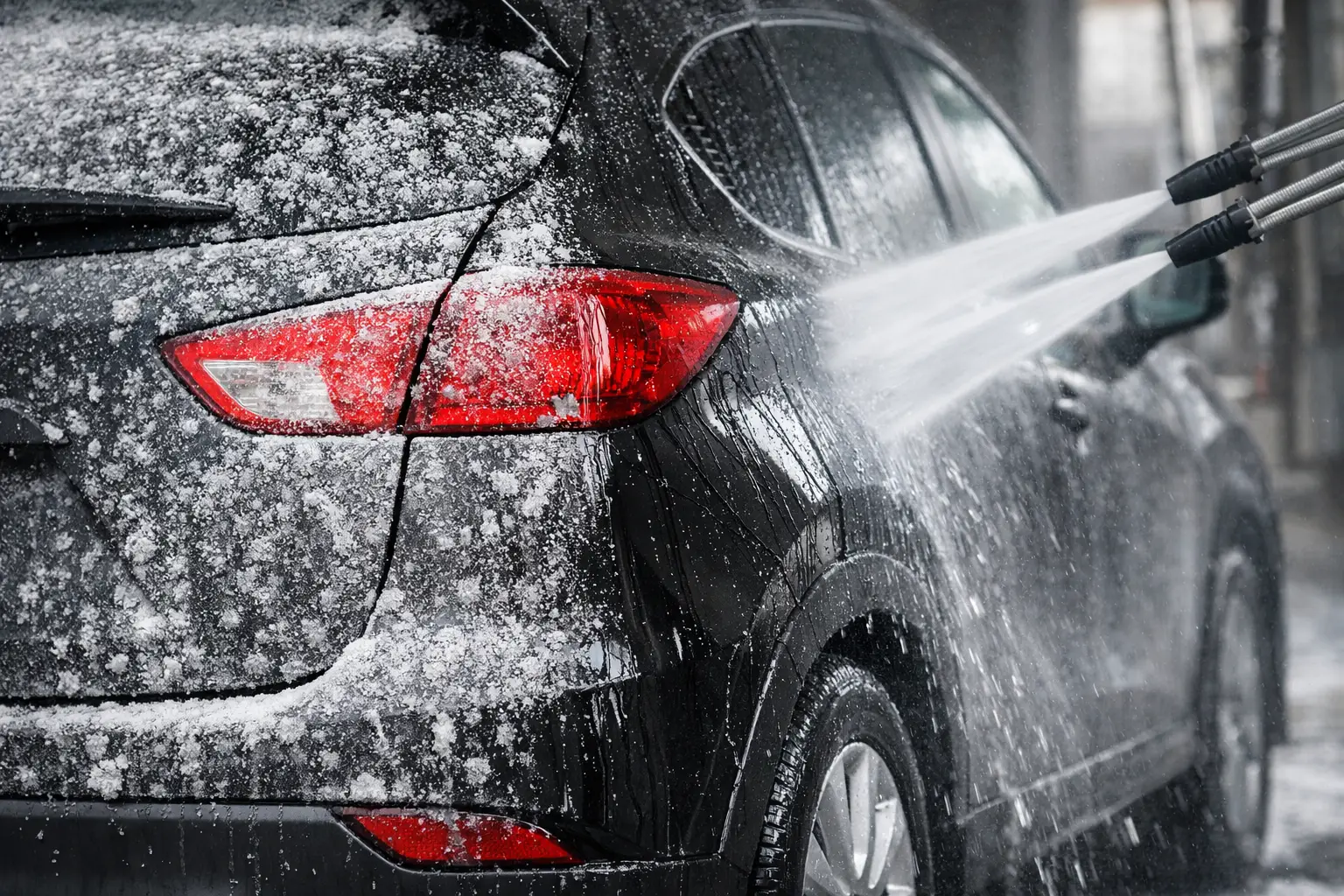
That white crust along your rocker panels is not just ugly - it is the part of winter that sticks around long after the snow is gone. If you have ever wondered, can touchless wash remove salt, the short answer is yes. A good touchless wash can remove a lot of salt from your vehicle’s exterior, and during a New Hampshire winter, that matters more than a shiny finish.
Salt is one of those problems that gets worse the longer you ignore it. It clings to lower panels, wheel wells, bumpers, and the back of the vehicle where road spray collects. Once it mixes with slush, dirt, and moisture, it forms a gritty film that is harder to rinse away with plain water alone. That is why the real answer is not just yes or no. It depends on the wash, the buildup, and how often you clean your vehicle.
Can touchless wash remove salt better than a quick rinse?
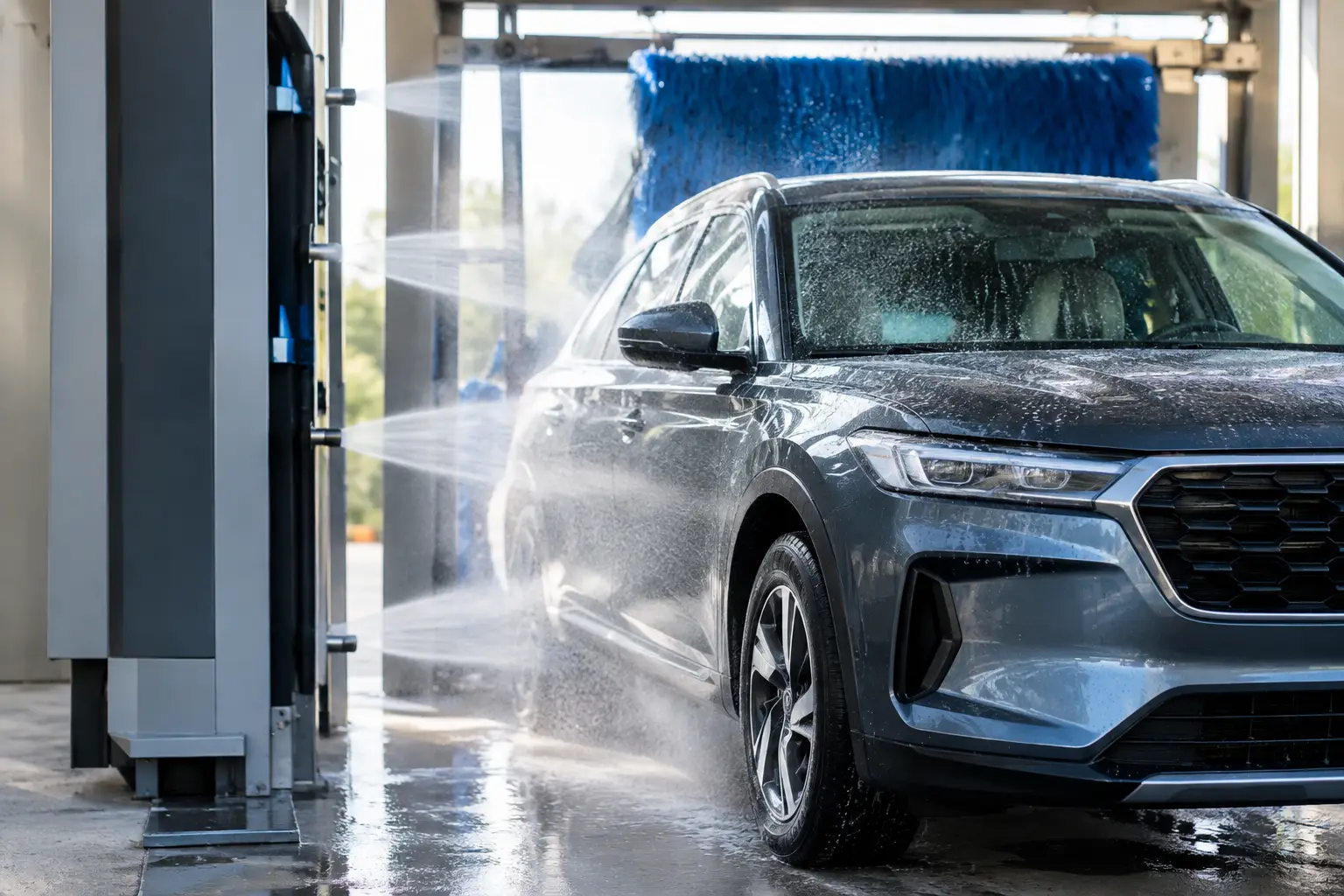
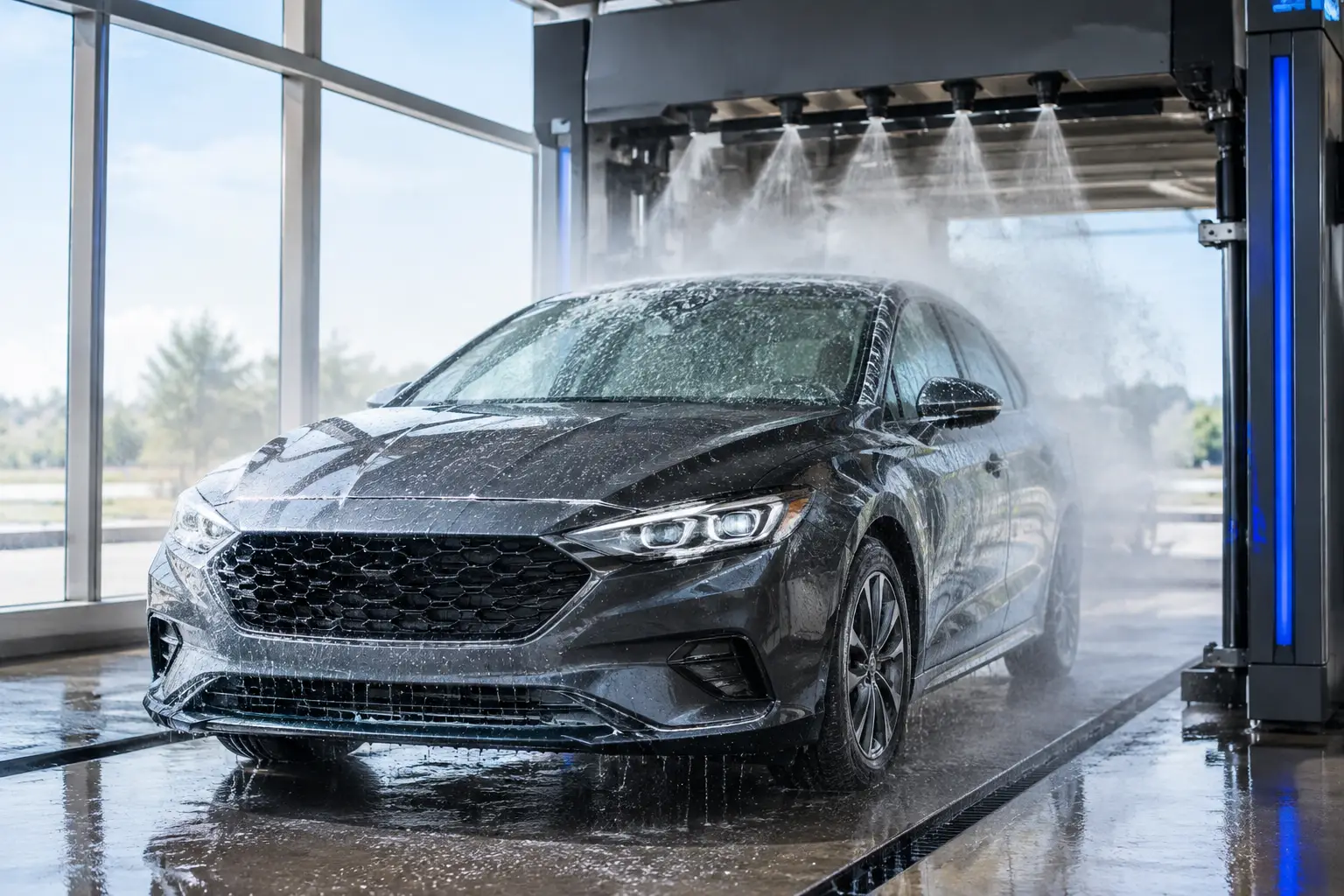
Usually, yes. A touchless wash does more than spray water at the surface. It uses a combination of cleaning solutions, dwell time, and high-pressure rinsing to break down and flush away road grime. When the system is dialed in properly, that process is far more effective than a basic driveway rinse, especially in cold weather when salt sticks fast.
The key advantage is consistency. A quality touchless wash is built to apply detergents evenly and rinse with force across the vehicle. That matters because salt rarely sits in one neat layer. It settles into seams, clings behind wheel openings, and coats the lower body where winter mess piles up day after day.
A quick rinse can knock off loose material. A touchless wash is designed to loosen what is bonded to the surface and carry more of it away.
How touchless washing removes salt
Salt itself dissolves in water, but winter road film is rarely just salt. It is usually a mix of salt, sand, grime, oil residue, and dirty slush. That blend can stick to paint and trim much more stubbornly than drivers expect.
A touchless wash tackles that buildup in stages. First comes the presoak or detergent application, which helps break the bond between the grime and the vehicle surface. Then high-pressure water rinses away the loosened material. In better systems, the chemistry is doing as much work as the water pressure.
This is why touchless technology can be a smart choice for drivers who want a safer exterior clean without brushes contacting the finish. You are not relying on friction to scrape winter residue away. You are relying on cleaning agents and pressure to do the job.
That said, no wash method is magic. If your vehicle has gone weeks through storms, highway spray, and freezing nights without a wash, some heavily packed grime may need another pass.
Where salt tends to stay behind
If you are asking whether a touchless wash removes salt, it helps to know where salt hangs on the longest. The lower half of the vehicle takes the biggest hit. Rocker panels, wheel wells, rear hatch areas, bumpers, and the space behind tires all collect heavy road spray.
Flat painted panels are usually easier to clean than tight edges and recessed areas. Salt can also linger around mud flaps, license plate surrounds, and under body contours where spray does not hit as directly. That is true for any automatic wash, not just touchless.
This is where frequency matters. A light layer of fresh salt is much easier to remove than a thick, dried-on coating that has been through multiple freeze-thaw cycles. Beau would probably say salt behaves like an unwanted houseguest - easier to deal with if you do not let it settle in.
What touchless does well in winter
For everyday winter maintenance, touchless washing has some clear strengths. It is fast, consistent, and easy to fit into a busy week. If you commute, run errands, or spend a lot of time on treated roads, that convenience is not a small detail. It is often the difference between washing regularly and putting it off.
Touchless also appeals to drivers who prefer not to have brushes or cloth strips making contact with the exterior. For people who care about preserving paint and avoiding friction-based cleaning, that is a big reason to choose it.
Most of all, touchless works best as part of a routine. One wash after a major storm helps. Repeated washes through the season help more because they keep salt from building into a stubborn layer.
When a touchless wash may not remove all salt
There are a few honest trade-offs. If the vehicle is heavily caked with old winter residue, one touchless wash may not remove every trace. Salt mixed with greasy grime can cling hard to lower sections and hidden areas. If temperatures have been swinging above and below freezing, that buildup can set like a crust.
In those cases, a second wash can make a noticeable difference. So can choosing a wash with a strong presoak and underbody focus if available. What you do not want is to assume one badly timed wash in January handles the whole season.
Another point most drivers miss is that appearance and protection are not always the same thing. Your car might look much cleaner after a wash even if some residue remains in harder-to-reach spots. That does not mean the wash failed. It means winter grime is messy, and regular removal works better than waiting for a perfect once-and-done clean.
How often should you wash off road salt?
In New Hampshire, once the roads are being treated regularly, waiting for the car to look filthy is usually too late. If conditions are dry but salted, a weekly wash is a smart habit for many drivers. After storms, slushy commutes, or long highway runs, it can make sense to wash sooner.
The goal is not cosmetic perfection every time. The goal is to reduce how long salt sits on the vehicle. Even a fast wash at the right time can help lower the amount of corrosive residue hanging around on the paint and lower body.
This is where 24/7 access becomes genuinely useful. Winter does not always cooperate with neat schedules. Sometimes the best time to wash is after a late commute, an early morning storm, or the first decent temperature break in days.
Can touchless wash remove salt from the undercarriage?
It can help, but this is the area where people should keep realistic expectations. Salt on the undercarriage is a major concern because it is less visible and often more persistent. If a wash includes underbody coverage, that can play an important role in flushing out road residue from beneath the vehicle.
Still, undercarriage cleaning is affected by vehicle design, ground clearance, and how packed the buildup is. Some areas underneath are harder to reach than others. That does not mean it is not worth doing. It means regular cleaning is your best advantage.
Think of it this way: repeated removal beats occasional rescue work. The longer salt stays underneath, the more opportunity it has to do damage.
The best way to get results from a touchless wash
If you want the best answer to can touchless wash remove salt, the practical answer is this: yes, especially when you wash before buildup gets out of hand. Stay ahead of storms when possible. Wash after periods of heavy road treatment. Pay attention to the lower panels and wheel areas where residue piles up first.
For drivers around Londonderry and Belmont, Black Dog Car Wash makes that routine easy because the equipment is built for touchless exterior cleaning and the sites are open 24/7. When winter roads keep serving up salt, slush, and grit, convenience matters almost as much as cleaning power.
A touchless wash is not a shortcut around winter maintenance. It is one of the easiest ways to stay on top of it. If you use it regularly, it can remove a meaningful amount of salt, help protect your vehicle’s finish, and keep winter grime from settling in for the long haul.
The best time to wash off salt is usually sooner than you think.