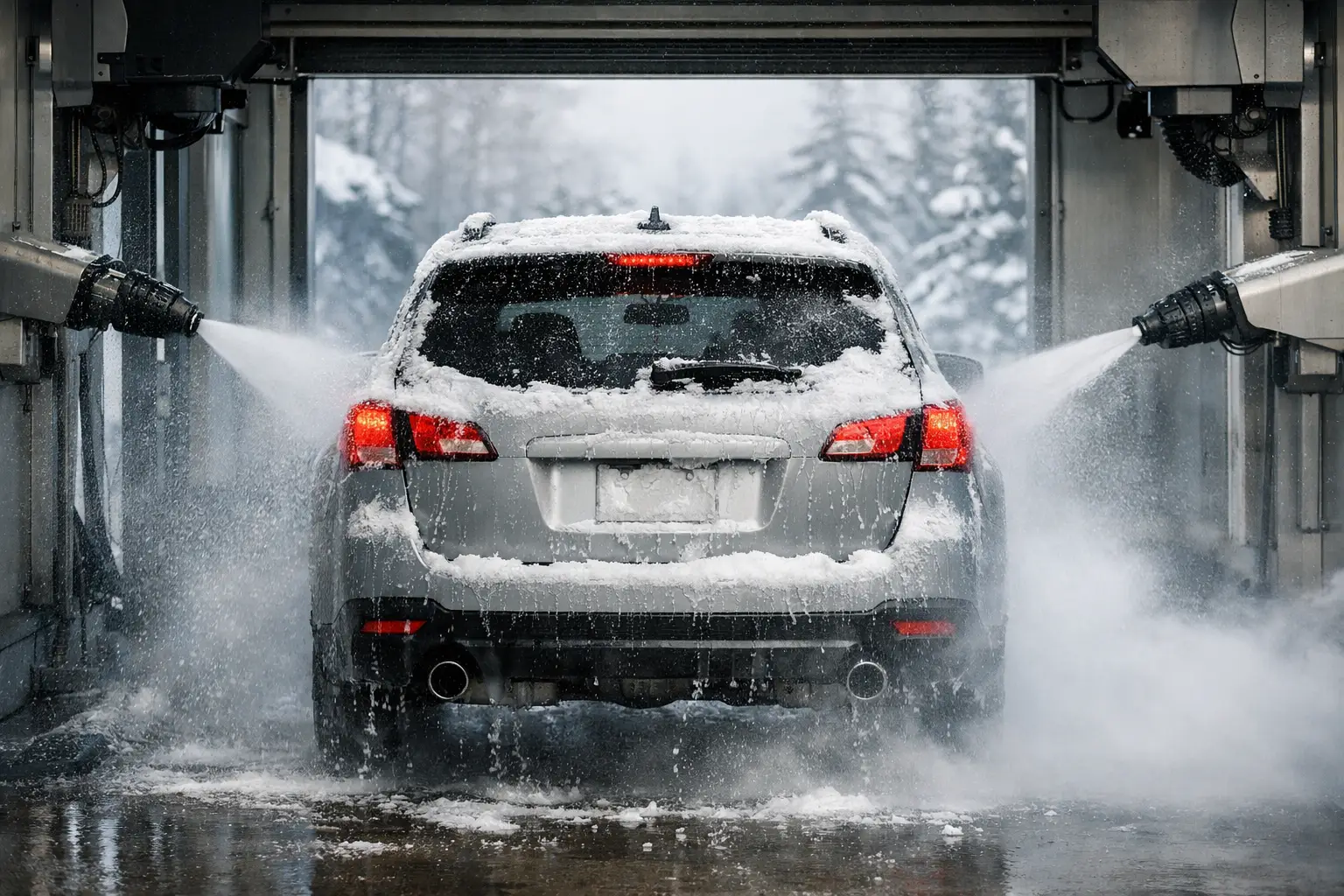
A New Hampshire winter can turn a clean vehicle into a salt-streaked mess before your next coffee run. If you are searching for the best car wash for winter, the real question is not just how to make your car look better. It is how to get road salt, sand, and slush off your vehicle quickly and safely before they start doing damage.
Winter washing is less about shine and more about protection. Salt clings to lower panels, wheel wells, and the underbody, where it can sit for days if temperatures stay low. That buildup is rough on paint, harsh on metal, and tough on anyone who waits too long between washes.
What makes the best car wash for winter?
The best winter car wash does three things well. It removes salt and grime effectively, it does not add unnecessary wear to your finish, and it is easy enough to use regularly. If a wash is inconvenient, drivers put it off. In winter, that usually means more buildup and more risk.
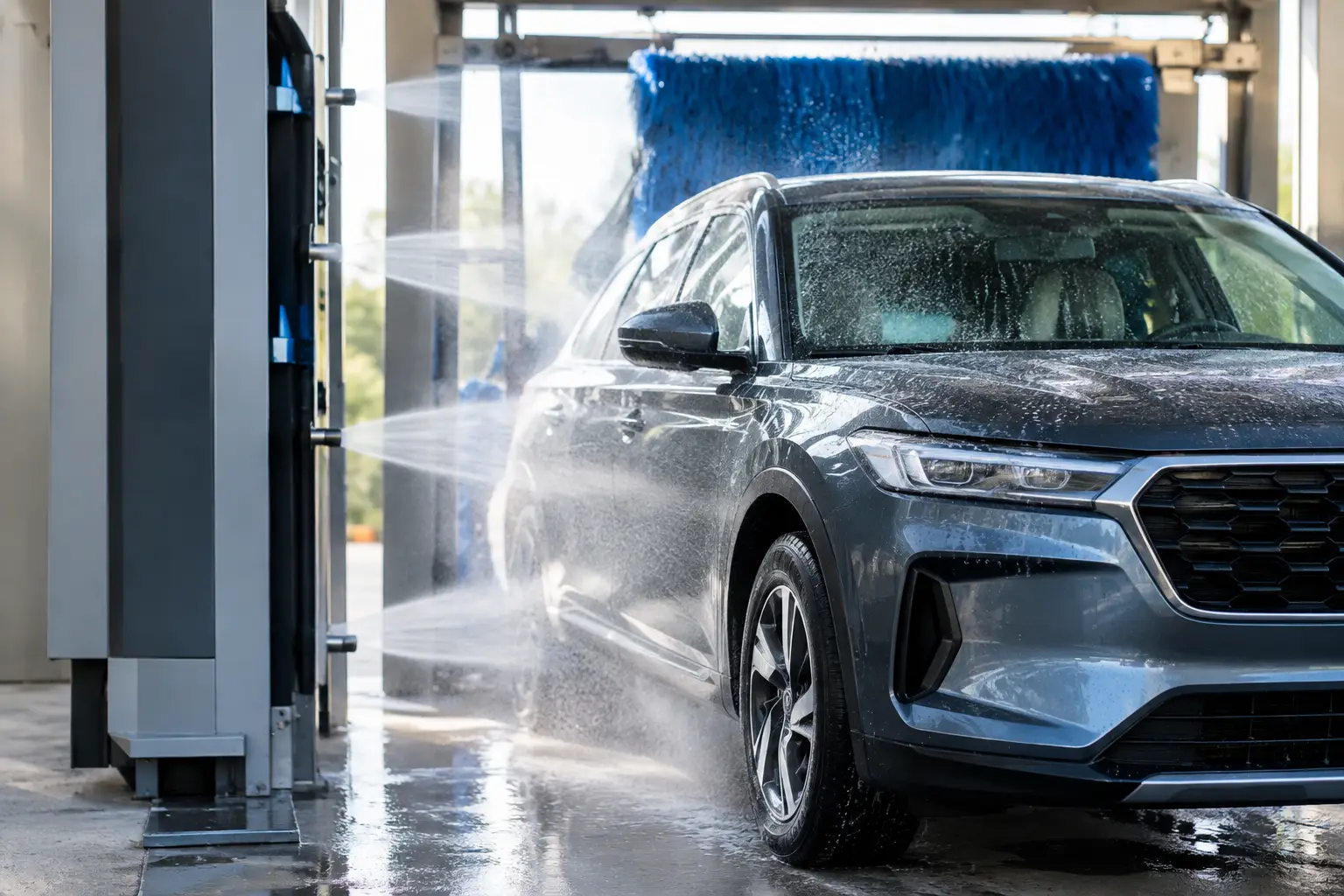
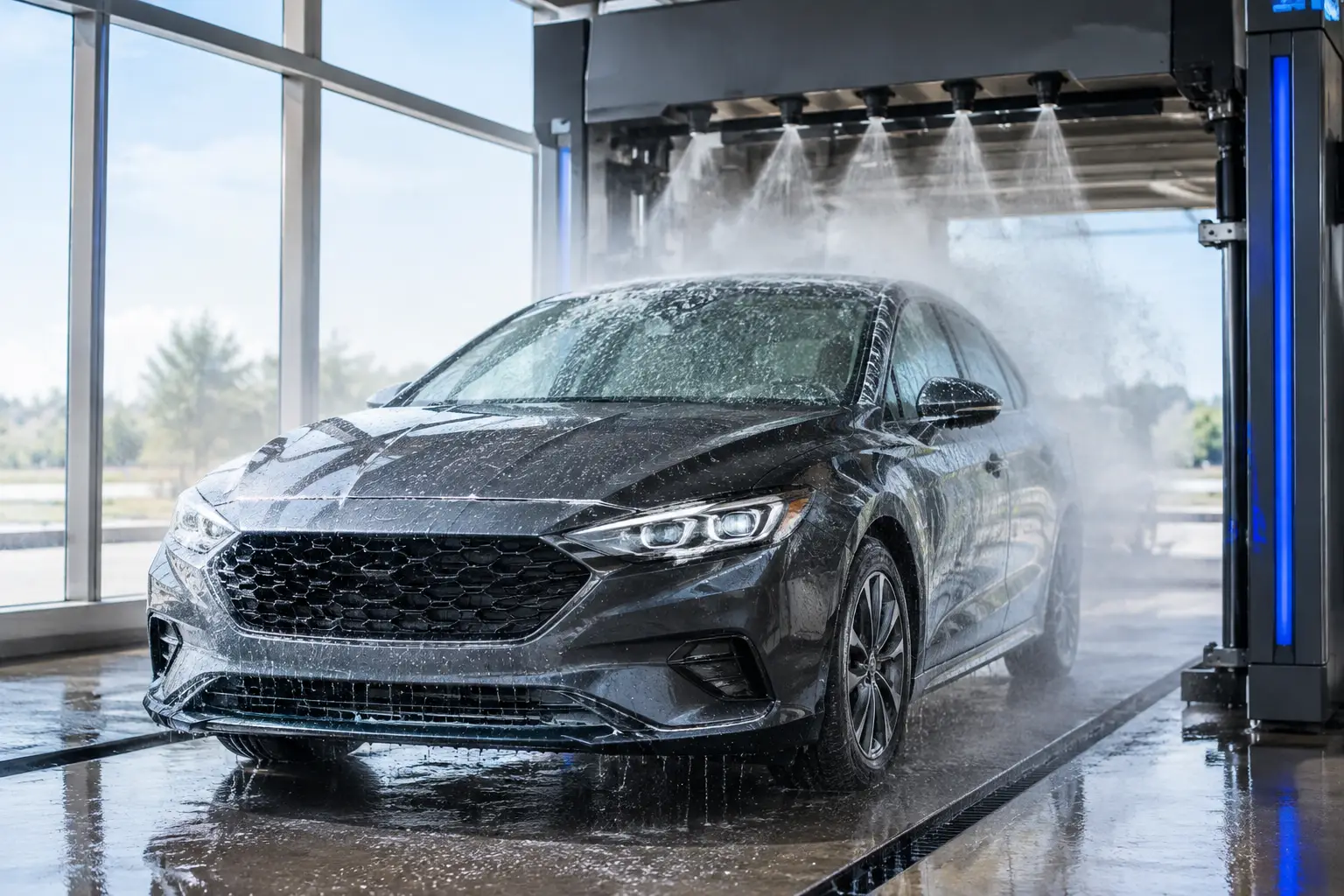
That is why touchless washing stands out. A touchless system uses high-pressure water and detergents to loosen and rinse away contaminants without brushes dragging across the surface. In warmer months, that is a nice feature. In winter, when grit, sand, and salt are constantly sticking to the vehicle, it matters even more.
Brushes can hold onto debris from previous vehicles, and that is not ideal when your paint is already dealing with harsh conditions. A touchless wash avoids that friction. You still get a strong clean, but without physical contact from spinning materials that can contribute to swirl marks over time.
Why touchless is often the best car wash for winter
Winter roads are dirty in a very specific way. It is not just mud. It is a mix of de-icing chemicals, fine grit, oily road film, and wet slush that dries into a crust. A good winter wash needs enough pressure and chemistry to break that layer down.
Touchless systems are built for that kind of job. They rely on cleaning solutions and high-powered spray patterns rather than contact. That makes them a smart fit for drivers who want effective cleaning but do not want brushes rubbing against a salt-coated vehicle.
There is also a practical side to it. In winter, nobody wants to stand outside with a hose or wait for a hand wash appointment after a storm. A fast, automated touchless wash makes it easier to stay on schedule. Convenience matters because the best wash is the one you will actually use often enough.
If Beau the black labradoodle had a vote, he would probably say your car deserves a bath before it starts looking like it lost a fight with a snowbank. Fair point.
What winter grime does to your vehicle
Road salt gets most of the attention, and for good reason. It is one of the biggest reasons winter washing should be routine, not occasional. Salt can accelerate corrosion on exposed metal and work its way into spots drivers rarely see, especially around wheel wells, rocker panels, and undercarriage components.
That white film on your doors is not just ugly. It can dry out and cling to the surface, and the longer it stays there, the harder it is to remove completely. Add sand and road grit, and you also have abrasive material sitting on the finish.
This is where people get stuck. They see freezing temperatures and assume washing can wait until spring. Usually, spring is when they notice the wear that built up all winter.
How often should you wash your car in winter?
For most New Hampshire drivers, every one to two weeks is a good rule of thumb during the height of winter. If roads have been heavily treated, or if your vehicle is coated in visible salt spray, sooner is better.
It depends on your driving habits. Daily commuters, highway drivers, and anyone regularly out during storms will need more frequent washes than someone who drives short local trips a couple times a week. If your vehicle spends time on slushy roads, near the coast, or in parking lots full of dirty snow melt, that grime builds fast.
The main thing is consistency. One wash in January and one in March will not do much for long-term protection. Regular washing keeps buildup from becoming a bigger problem.
What to look for in a winter car wash
Not every car wash is equally helpful once temperatures drop. The best setup for winter should include a strong exterior wash and, ideally, underbody attention. Salt does its worst work underneath the vehicle, so getting that area rinsed matters.
You also want a wash that is easy to access when your schedule is tight. Winter cleaning only works as maintenance if you can fit it into real life. A location that is open when you need it, with quick in-and-out service, makes a big difference.
For many drivers, vehicle safety is another big factor. If you care about your paint, mirrors, trim, or aftermarket accessories, a touchless wash is a safer choice than a friction wash. That is especially true in winter, when the vehicle surface is carrying more abrasive grime than usual.
Drying matters too. Nobody wants to leave with excess water hanging around in freezing temperatures. A quality wash should help reduce leftover moisture while still delivering the rinse strength needed to clear away winter residue.
When is the best time to wash after a storm?
As soon as roads are manageable and temperatures allow, it is smart to wash your car after a snow or ice event. You do not need to wait until it looks terrible. In fact, earlier is better because fresh salt is easier to remove than buildup that has had several days to dry onto the surface.
Midday can be a better window than early morning or late evening if temperatures are low. Slightly warmer conditions help with rinsing and drying. But the bigger point is not to overthink it so much that you delay for a week.
A lot of drivers wait for the perfect weather day. Winter does not offer many of those. A convenient touchless wash helps you stay ahead of the mess instead of chasing it.
Does touchless clean as well as a brush wash?
For winter exterior cleaning, touchless is often the better trade-off. A brush wash may remove certain stuck-on residues aggressively, but that contact comes with more potential for finish wear, especially if debris is involved. In winter, there is almost always debris involved.
Touchless washing focuses on strong detergents, pressure, and rinse coverage. For removing salt film, slush residue, and general winter grime, that approach makes a lot of sense. If your car has not been washed in a very long time, you may need more than one pass to get it fully cleaned. That is still often preferable to running abrasive material across the paint.
In other words, the answer is not just which wash is strongest. It is which wash gives you the cleaning you need without adding another problem.
A smarter winter routine for New Hampshire drivers
The best winter car care plan is simple enough to repeat. Wash regularly, do not wait for heavy buildup, and prioritize safe cleaning over the fastest-looking shortcut. If a wash is open when you need it and easy to use, you are more likely to keep up with it through the coldest stretch of the season.
That is where a dependable touchless option earns its place. For drivers around Londonderry and Belmont, Black Dog Car Wash offers the kind of practical winter help people actually need - touchless exterior cleaning, convenient access, and 24/7 availability that fits real schedules.
Winter roads are not getting cleaner anytime soon. Your best move is to make washing part of the routine, not the rescue plan. A clean car looks better, sure, but in winter, the bigger win is keeping salt and grime from settling in longer than they should.