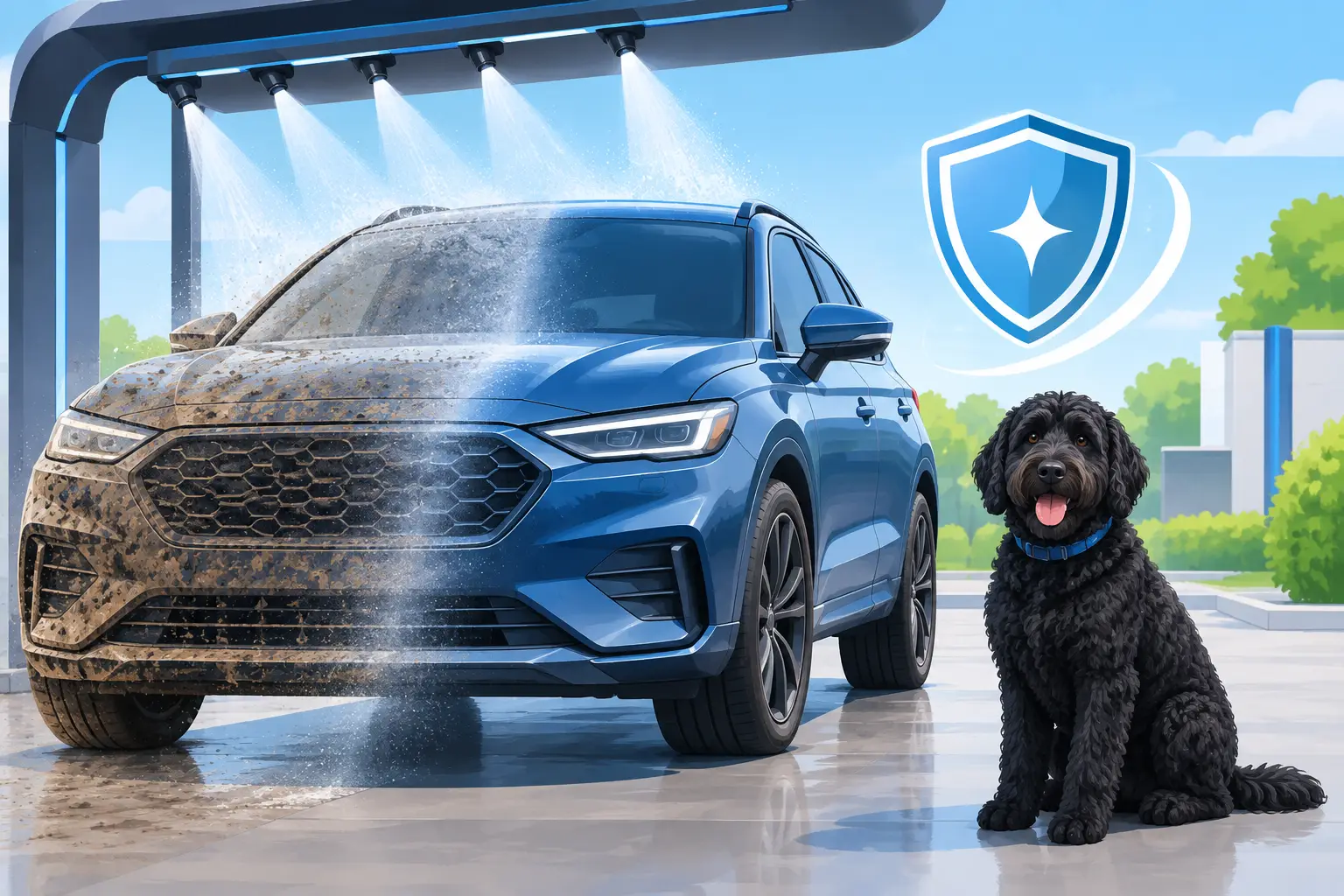
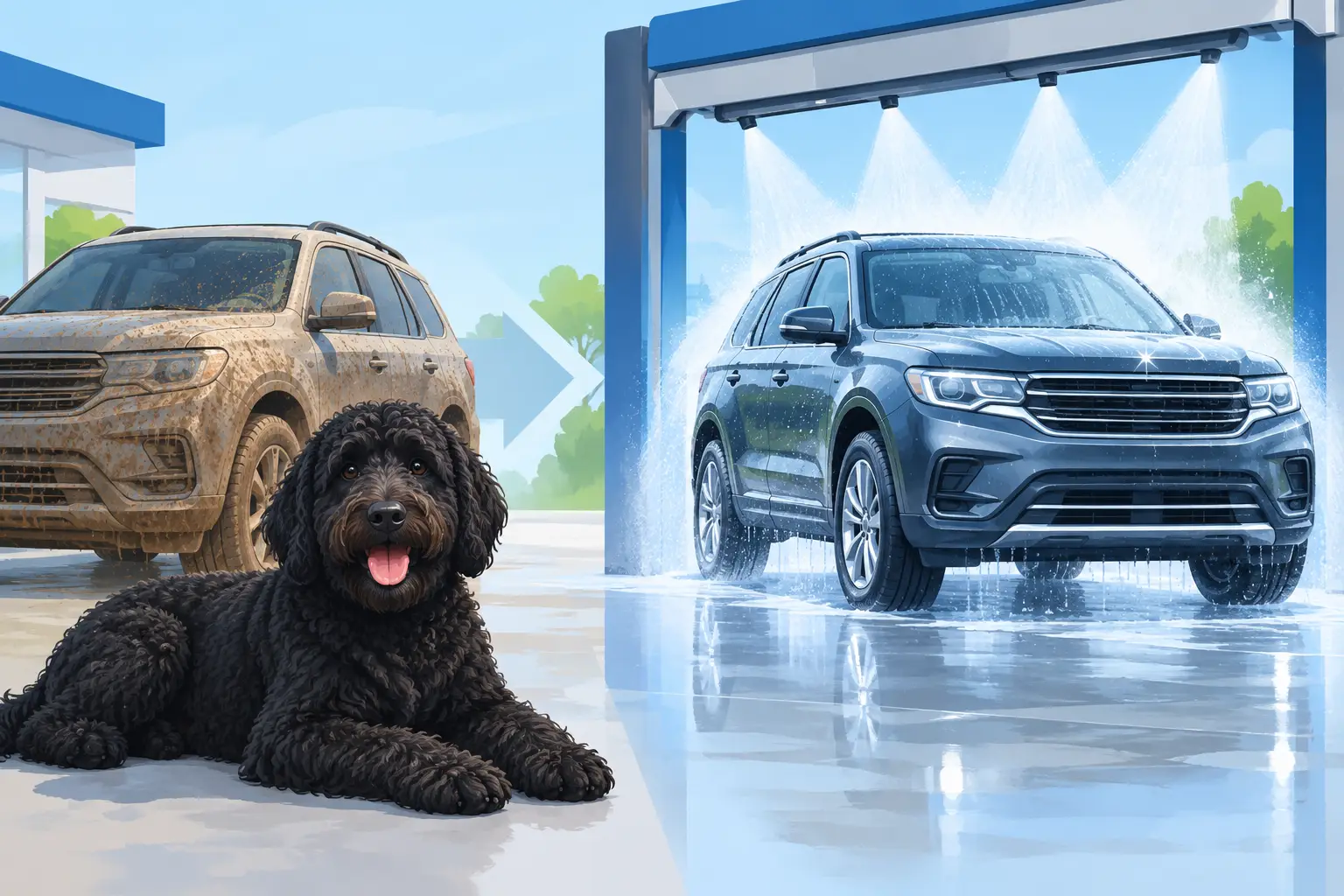
A clean car should not come at the cost of its finish. That is why touchless wash effectiveness matters to New Hampshire drivers dealing with salt, sand, mud, pollen, and everyday road film. A properly designed touchless wash uses specialized cleaning solutions and high-pressure water to lift grime away without brushes, cloth strips, or other equipment making physical contact with your vehicle.
That does not mean every wash produces the same result. The condition of your car, the type of contamination on it, and how recently it was washed all affect what comes off. For routine cleaning and year-round maintenance, touchless washing is an effective, vehicle-safe choice. For heavily neglected dirt or sticky contaminants, it may take a second wash or more targeted care.
What Determines Touchless Wash Effectiveness
Touchless washing works through a combination of chemistry, water pressure, coverage, and time. First, cleaning products are applied to loosen the bond between dirt and the vehicle's surface. Then high-pressure water rinses the loosened grime away. The process sounds simple, but each step needs to do its job for a consistently clean result.
The cleaning solution is especially important. Road film is not just loose dust. It can contain oil, exhaust residue, mineral deposits, salt brine, and fine grit that cling to painted surfaces. Quality detergents are made to break down that buildup so water can carry it away. A pre-soak needs enough time to work before the rinse begins, which is one reason rushing through a wash rarely delivers the best outcome.
Water pressure also matters, but more pressure is not automatically better. The goal is to rinse dirt off thoroughly while using properly maintained equipment and safe wash procedures. A good touchless system reaches broad areas of the vehicle, including panels, wheel openings, bumpers, and lower sections that collect the most road grime.
Finally, the car's starting condition matters. A vehicle washed every week or two will generally come out looking cleaner than one that has gone months through winter without care. Regular washing keeps contaminants from building into a stubborn layer.
What a Touchless Wash Removes Well
For most daily drivers, a touchless wash handles the mess that makes a car look dull and neglected. It is particularly effective on fresh road salt, rain residue, loose mud, dust, pollen, and normal traffic film. It also helps remove the sandy grit that gathers around rocker panels, behind wheels, and along the lower doors after a New Hampshire commute.
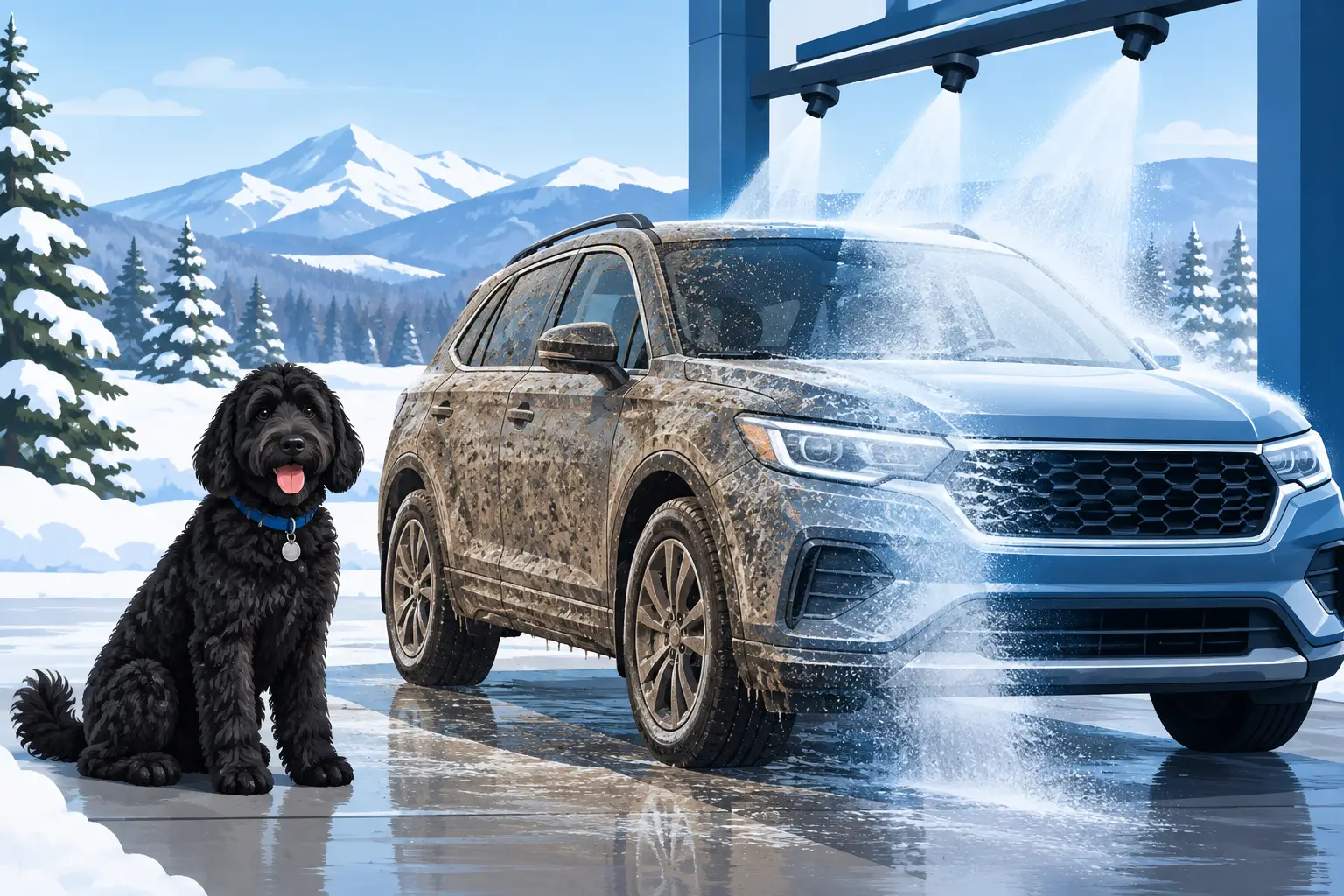
This is more than an appearance issue. Salt and brine can collect in places you do not always see, including wheel wells and underbody areas. Washing regularly during winter helps reduce how long those materials remain on your vehicle. You may not be able to avoid every salty road, but you can avoid letting the residue sit there for weeks.
Touchless systems are also a strong option for drivers who are cautious about friction. Dirt can act like sandpaper when it is dragged across paint by a dirty brush or cloth. Since a touchless wash relies on cleaning chemistry and water rather than physical contact, it avoids that specific risk. It is a practical choice for newer vehicles, dark-colored vehicles, and any driver who wants a safer routine wash.
Where Touchless Washing Has Limits
Straight answers matter: no automatic wash method removes every substance from every surface every time. Touchless technology is excellent at lifting loose and recently accumulated grime, but some contaminants bond more tightly to paint, glass, wheels, or trim.
Dried-on bugs, tree sap, tar, heavy brake dust, and old bird droppings can require extra attention. The same goes for mud that has dried thickly in wheel wells or under running boards. A touchless wash may soften and remove much of the buildup, but severe contamination can need a second pass, a specialty product, or professional detailing.
There is a trade-off here. A friction-based wash can sometimes scrub away stubborn grime more aggressively, but that contact is also where swirl marks and fine scratches can become a concern. Touchless washing chooses a safer approach for your finish, with the understanding that deeply embedded contamination is not always a one-wash job.
Water spots are another separate issue. A wash can clean the vehicle well, yet mineral-rich water left to dry on a hot surface may leave spots behind. Drying systems and a clean microfiber towel for any remaining moisture can make a noticeable difference, especially in warm weather.
How to Get Better Results From Every Wash
The simplest way to improve results is to wash before your vehicle looks overdue. Fresh grime is easier to remove than grime that has baked on, frozen in place, or mixed repeatedly with road salt. During muddy spring weather or a heavy winter salt cycle, more frequent washing is usually more effective than waiting for one major cleanup.
Pay attention to the areas that take the most abuse. Lower doors, bumpers, rocker panels, wheels, wheel wells, and the rear of the vehicle often need the most cleaning because they catch spray from the road. If your vehicle has a roof rack, running boards, wide tires, or other features that hold dirt, look them over after the wash and decide whether a second visit is worthwhile.
For best results, use a vacuum station after the exterior wash when you have time. Salt, sand, and gravel do not only collect outside. A quick pass through the floor mats and cargo area helps keep the whole vehicle more comfortable and easier to maintain.
It also helps to protect your paint before the worst weather arrives. Wax, sealant, or another appropriate paint protectant gives contaminants less opportunity to cling to the surface. It will not make a car immune to winter grime, but it can make routine washing more productive and help preserve the finish over time.
Touchless Wash Effectiveness in New Hampshire Weather
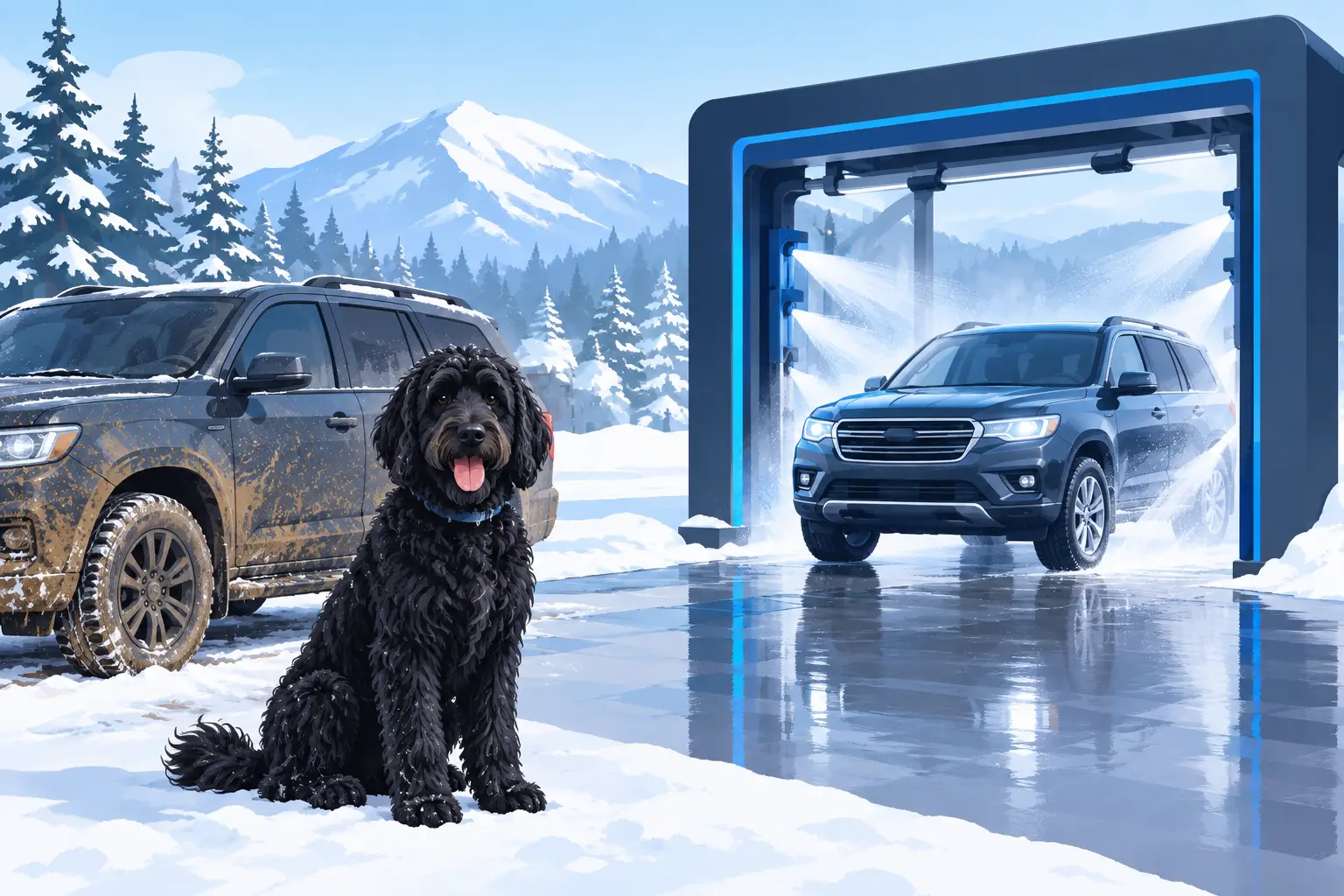
New Hampshire gives vehicles a full calendar of reasons to get dirty. Winter brings salt and liquid brine. Spring brings thawing mud and pollen. Summer adds dust, bugs, and tree debris. Fall can leave leaves, sap, and damp organic material around windshield channels and trim.
Winter is when regular touchless care becomes especially useful. Waiting for a warm weekend can mean allowing corrosive salt residue to stay on the vehicle much longer than necessary. A 24/7 wash schedule gives commuters, parents, and shift workers the flexibility to clean up when it fits their day, whether that is early morning, after work, or late at night.
Cold weather does call for common sense. Make sure windows and doors are fully closed before entering. After washing, wipe door jambs and rubber seals if possible to reduce the chance of moisture freezing in place. If temperatures are especially low, give the vehicle a few extra minutes before parking it for the night.
A Smart Routine for a Cleaner Vehicle
For many drivers, washing every one to two weeks is a good starting point. During periods of heavy salt, frequent rain, construction dust, or pollen, a weekly wash may make more sense. The right schedule depends on where you drive, where you park, and how much buildup you see on your vehicle.
At Black Dog Car Wash, touchless equipment is built around that routine need: effective exterior cleaning without brushes contacting your vehicle, available when local drivers need it. A single wash works well for a quick cleanup, while wash bundles, gift certificates, and reloadable accounts can make regular maintenance easier to keep up with.
A clean vehicle does not have to wait for a free afternoon. When road grime starts building, stop in before it becomes stubborn, give the exterior a safe touchless wash, and head back out with one less thing riding along with you.