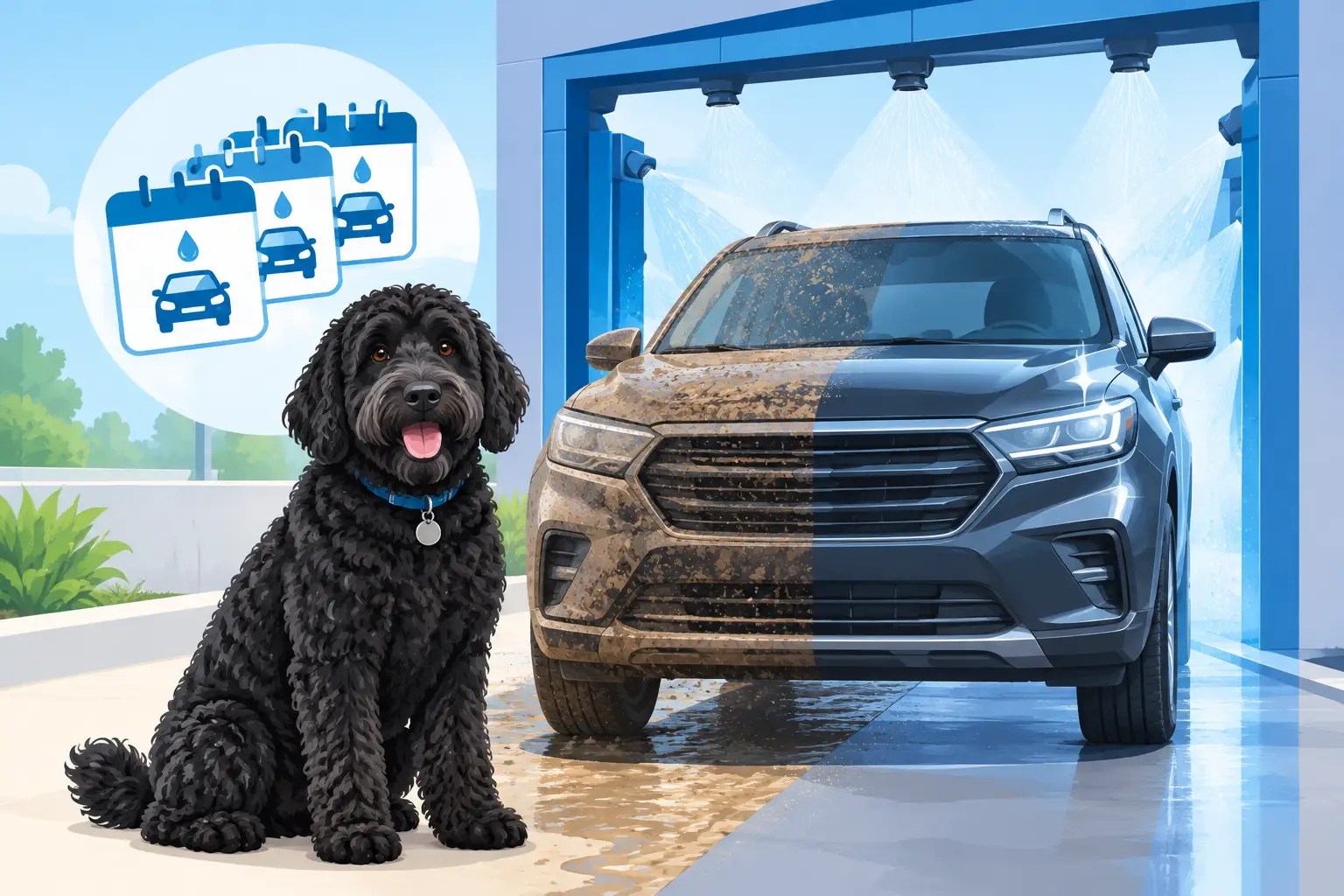
Your car does not wait for Saturday to collect road salt, pollen, muddy splashback, and the mystery film that appears after a wet commute. A weekday car wash guide is useful because the best time to clean your vehicle is often the time you can actually fit it in - before work, after errands, or whenever the forecast gives you a break.
For New Hampshire drivers, weekday washing is less about chasing a showroom shine and more about staying ahead of the conditions that can make a vehicle look neglected fast. A quick, consistent wash routine helps protect the exterior, keeps windows clearer, and makes weekend plans feel less like another chore.
Why Weekdays Often Make More Sense
Weekends are busy. Between youth sports, grocery runs, travel, and catching up at home, a car wash can keep sliding to the bottom of the list. Meanwhile, dirt and road grime have more time to settle in.
A weekday stop gives you more control. You can wash when traffic is lighter, when you have 10 or 15 minutes between tasks, or when the weather changes unexpectedly. For commuters, it can be as simple as adding a wash to the trip home after a few days of rain or a stretch of salty roads.
There is also a practical advantage to avoiding peak weekend hours. A quieter wash visit means less waiting and less pressure to rush through vacuuming, clearing out floor mats, or wiping down the inside of the windshield. The goal is not to turn every wash into a full detailing project. It is to make clean-car maintenance easy enough to repeat.
A Weekday Car Wash Guide by Season
New Hampshire weather has a way of giving drivers several reasons to wash their cars in the same week. What your vehicle needs depends on the season and what has been on the road.
Winter: Wash Off Salt Before It Sticks Around
Winter is the season when a wash becomes basic vehicle care. Road salt and brine are useful for safer driving, but they can leave a heavy residue on paint, wheels, lower body panels, and wheel wells. Waiting until spring to deal with months of buildup is not a great plan.
Try to wash after a major storm cycle, after long highway drives, or whenever temperatures allow. You do not need a perfect sunny day. A touchless wash can be a practical choice during colder months because it cleans without brushes making physical contact with the vehicle's finish.
Pay attention to the lower portion of the vehicle. That is where slush, sand, and salt collect first. If your doors, rear hatch, or trunk area start looking chalky or gritty, Beau would probably call that a clear sign to stop by before the grime settles in for a longer stay.
Spring: Stay Ahead of Pollen and Mud
Spring roads bring melting snow, muddy shoulders, pothole splash, and yellow pollen. Pollen may seem harmless, but leaving any thick layer of debris on a vehicle through warm, damp weather is never ideal. Rain can turn it into a streaky film that clings to glass and paint.
A weekday wash after a rainy commute or a dusty pollen day keeps the buildup manageable. If mud is collecting around the rocker panels or behind the wheels, do not wait for it to dry into a stubborn layer. Frequent lighter cleaning is usually easier than one major catch-up wash.
Summer: Clean Between Trips, Not Just Before Them
Summer driving means road trips, lake days, construction dust, bug residue, and plenty of parking under trees. A wash before a weekend trip is useful, but washing after the trip matters too. Bugs, bird droppings, and tree sap should not sit on the vehicle longer than necessary.
Use a weekday wash as a reset after travel. Vacuum out sand, crumbs, grass, and pet hair while the mess is still small. A clean vehicle also makes the next morning's commute feel more put together, even if the rest of the week is packed.
Fall: Handle Leaves and Rainy-Road Film
Fall can make a clean car look dirty in a hurry. Wet leaves, rain, and damp road debris create a film on the back of vehicles, especially SUVs, trucks, and crossovers. Windshields and rear windows can also lose clarity quickly.
Wash after extended wet weather, not only when the vehicle looks visibly dirty. Clear glass and clean lights support better visibility as daylight hours get shorter. This is also a good time to vacuum leaves and grit from floor mats before winter weather arrives.
Pick the Right Day, Not the Perfect Day
Many drivers postpone a wash because rain is in the forecast. Sometimes that is reasonable. If a hard storm is expected within the hour, waiting may make sense. But a chance of light rain later in the day should not automatically cancel a wash, especially when salt, mud, or pollen is already sitting on the vehicle.
Think about what you are removing. If the car is coated in winter residue, a wash is worthwhile even if another storm is coming in a couple of days. Removing old buildup now is better than layering new grime over it.
Temperature matters, too. During freezing conditions, choose a time when you can drive long enough afterward to help shed excess water from door seams and other areas. If you have a garage, use it when possible. The right decision depends on conditions, but the bigger mistake is treating winter washing as an all-or-nothing task.
Build a Routine That Fits Your Schedule
The best wash frequency is not the same for every driver. Someone commuting daily on salted highways may need more frequent cleaning than a vehicle used mostly for short local trips. Families with kids, dogs, sports gear, and muddy shoes may need the vacuum stations just as often as the exterior wash.
A simple weekday routine can look like this:
- Wash after major winter storms or several days of salted-road driving.
- Wash after heavy pollen, muddy rain, or long highway trips.
- Vacuum when floor mats, seats, or cargo areas start collecting visible debris.
- Use one predictable weekday each month for a more complete clean.
The point is consistency, not perfection. If Tuesday after work is your most reliable opening, make Tuesday your wash day. If early mornings are calmer, stop before the commute. A 24/7 wash option is especially helpful when your schedule does not match regular business hours.
Why Touchless Cleaning Fits a Busy Week
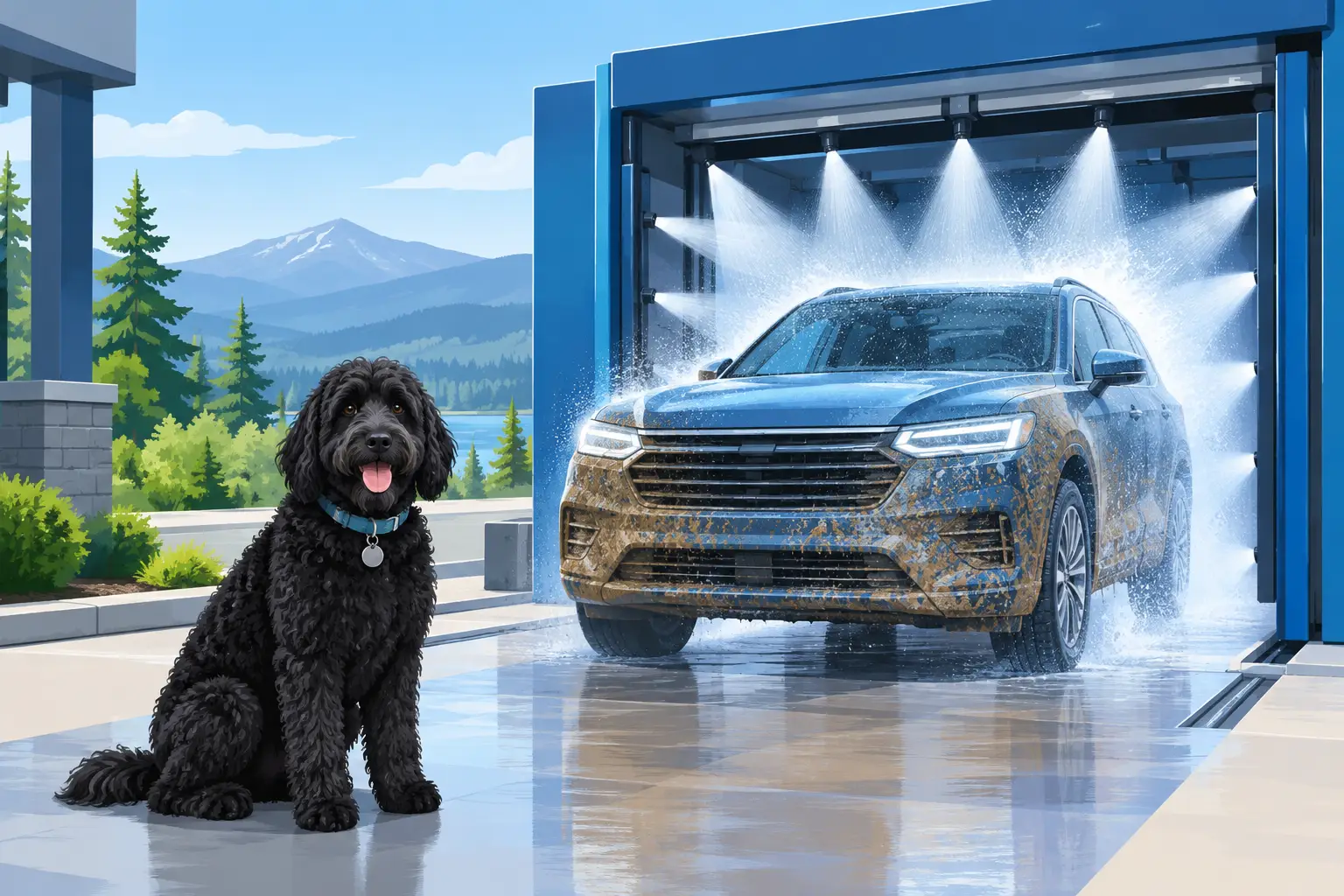
A touchless wash is a sensible option for drivers who want effective exterior cleaning without physical brushes contacting the vehicle. High-pressure water and cleaning solutions do the work, which can be reassuring for owners who are careful about their paint and finish.
That does not mean every vehicle needs the same level of service every visit. A light layer of dust after a dry week is different from winter salt buildup. Choose the wash that matches the condition of your vehicle and the time you have available.
At Black Dog Car Wash, drivers in Londonderry and Belmont can use touchless wash equipment, high-powered vacuum stations, and convenient purchase options designed for repeat visits. Whether you need one wash after a messy commute or a routine that keeps the family vehicle presentable, the goal is simple: get clean and get back to your day.
Make the Most of Those Extra Five Minutes
Once the exterior is clean, a few minutes inside the vehicle can make a noticeable difference. Shake out floor mats, clear trash from cup holders, and vacuum the areas that collect the most dirt. For many vehicles, that means the front footwells, second-row floor, cargo area, and the narrow spaces beside the seats.
Keep a small trash bag and microfiber cloth in the car if you tend to eat, travel with kids, or bring pets along. These are small habits, but they prevent the inside from reaching the point where cleaning feels overwhelming.
A weekday wash works best when it becomes part of normal vehicle care, not a project you have to plan around. Pick a convenient time, respond to the season, and give road grime less time to make itself at home.