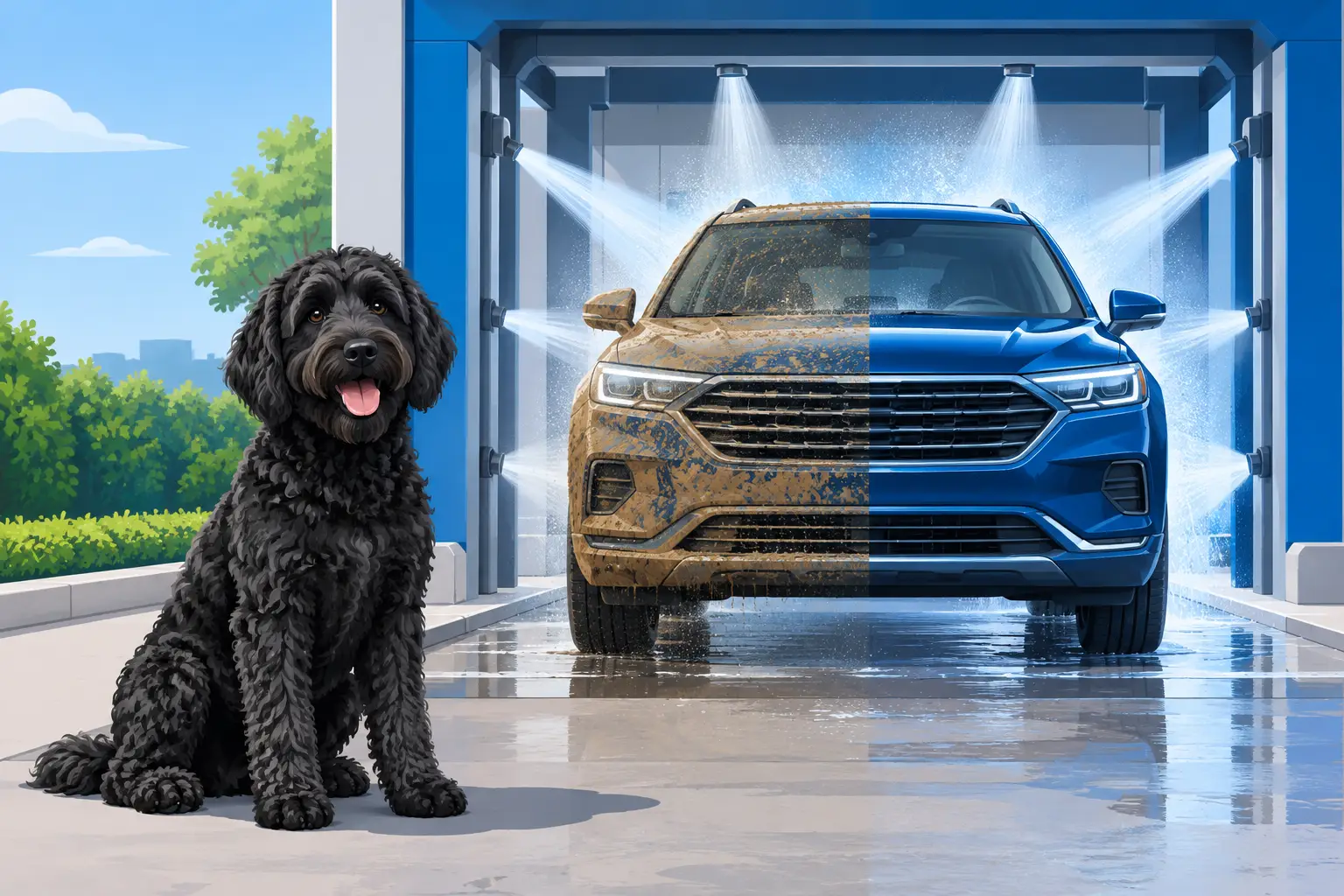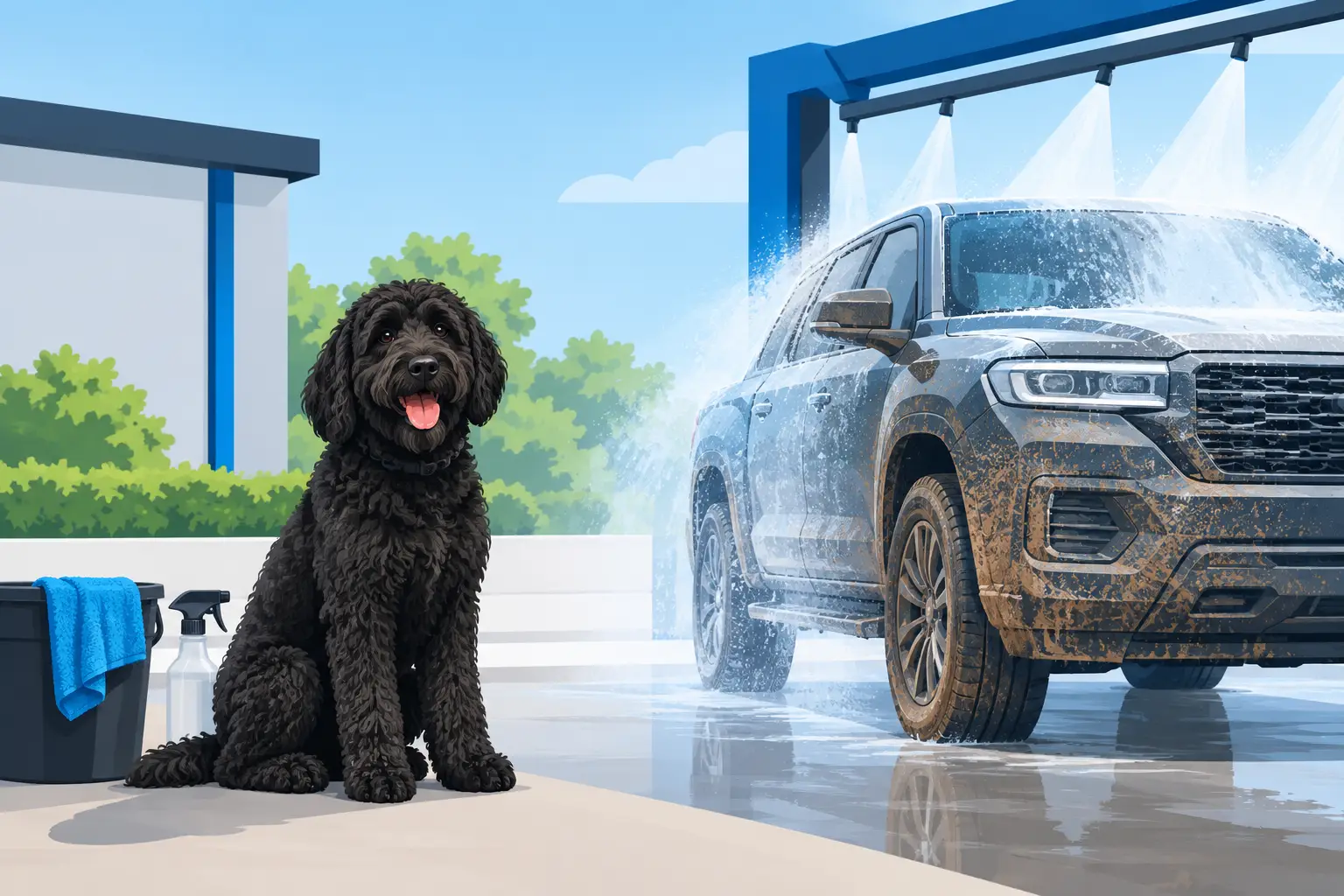
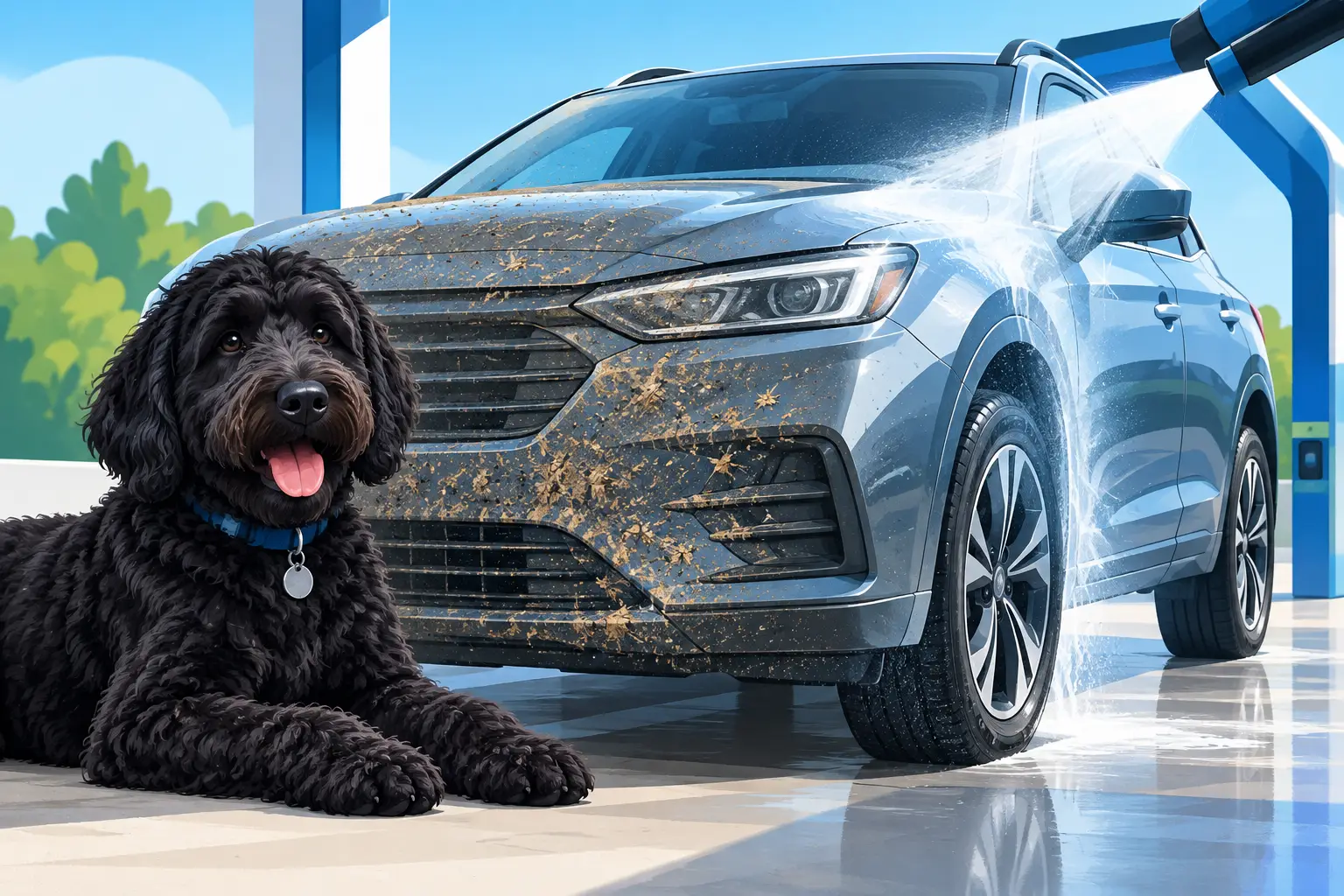
A summer drive through New Hampshire can leave your front bumper, mirrors, windshield, and grille wearing a surprisingly stubborn layer of insect residue. To remove bug splatter safely, act before sun, heat, and highway miles turn it into a baked-on mess. The goal is not to scrub harder. It is to soften the residue first, then rinse and wash it away without grinding it into your vehicle's finish.
Bug splatter may look harmless, but it is not something to leave on for weeks. Insects contain proteins and acidic compounds that can cling to paint, plastic trim, chrome, and glass. Add direct sun and a hot hood, and those remains can become much harder to remove. A quick, gentle wash routine protects your vehicle and saves you from a much tougher cleanup later. Beau would call that working smarter, not paw-er.
Why Bug Splatter Needs Prompt Attention
The front of your vehicle takes the brunt of summer driving. Highway commutes, trips to the lake, and evening errands can all leave bugs on the bumper, grille, headlights, mirrors, and windshield. The longer the splatter stays put, the more time it has to dry and bond to the surface.
Paint is especially vulnerable when residue is allowed to bake in the sun. Modern clear coats are durable, but they are not invincible. Aggressive rubbing with a dry towel, rough sponge, or household cleaner can leave swirls, dull spots, or scratches that are more noticeable than the bugs themselves.
It depends on the conditions, of course. A few fresh spots after a short drive are usually easy to handle at your next wash. A vehicle parked outside after a long road trip in hot weather deserves attention sooner. If you can see a crusty film on the front end, do not wait for the next rainstorm to solve it.
The Safest Way to Remove Bug Splatter
Start with water, not elbow grease. A thorough pre-rinse is the safest first move because it loosens dirt and rinses away grit that could scratch the paint while you clean. Pay close attention to the leading edges of the hood, bumper, mirrors, windshield, and license plate area.
If the splatter is fresh, a quality car wash solution and a strong rinse may be enough. For stubborn residue, use a cleaner specifically labeled for automotive bug removal or a pH-balanced car wash soap mixed according to its directions. Apply it to a cool surface whenever possible, give it a short dwell time, and do not allow it to dry on the vehicle.
The dwell time matters. You are giving the cleaner and moisture a chance to soften the protein residue so it can release with minimal contact. Rushing in with a towel before that happens is where many avoidable scratches begin.
After the residue has softened, rinse thoroughly. If light contact is still needed, use a clean microfiber towel or wash mitt with plenty of lubricating car wash soap. Use gentle, straight passes rather than firm circular scrubbing. Fold or rinse the towel frequently so you are not dragging debris across the surface.
For a heavily coated windshield, use an automotive glass cleaner after rinsing the bugs away. Clean windshield washer fluid can help with light road residue between washes, but it is not a substitute for properly cleaning thick buildup. Clear glass is a safety issue, especially during early morning commutes or nighttime driving.
Avoid These Common Shortcuts
Kitchen degreasers, abrasive powders, scouring pads, and stiff brushes are not made for vehicle paint. They may cut through bug residue, but they can also damage clear coat, trim, protective coatings, or delicate exterior finishes. The same goes for using a dry paper towel at the gas pump. It seems convenient until grit turns that quick wipe into fine scratches.
Hot surfaces are another problem. Cleaning a hood that has been sitting in direct sunlight can cause products to evaporate too quickly and leave streaks behind. If possible, wash in the shade, early in the day, or when the vehicle has had time to cool down.
Be cautious with pressure, too. High-pressure water is useful for rinsing, but keep the spray moving and avoid holding it very close to compromised paint, peeling clear coat, loose decals, or damaged trim. The best approach is effective but controlled.
A Touchless Wash Is a Smart First Step
A touchless wash is a practical choice when bug splatter is mixed with road dust, pollen, or everyday grime. It starts with chemical cleaning and high-pressure rinsing rather than physical brushes contacting the vehicle. That gives loose contaminants a chance to come off without friction from brush material.
For drivers who want to protect their finish, this is especially helpful after highway travel. Let the pre-soak and rinse do the first round of work. If a few stubborn spots remain afterward, they will usually be easier and safer to address with a dedicated bug cleaner and a clean microfiber towel.
At Black Dog Car Wash, touchless equipment gives local drivers a convenient way to rinse away summer grime at any hour. A late return from a weekend trip does not have to mean bug residue sits on your vehicle until morning. With 24/7 access in Londonderry and Belmont, you can clean it off while it is still easier to remove.
Protect the Areas Bugs Hit First
The bumper gets most of the attention, but bug residue collects in several places that are easy to miss. Check the front edge of the hood, grille openings, side mirrors, headlight lenses, windshield wipers, and the area behind the front license plate. Residue caught in grille slats can hold moisture and look rough even after the rest of the vehicle is clean.
Headlights deserve a gentle approach. Do not use harsh solvents or rough pads on the lenses, since they can cloud plastic over time. A car-safe wash and soft microfiber are usually the right tools. If your headlights already look hazy, bug cleanup alone may not solve the problem, and aggressive cleaning can make it worse.
Wiper blades are also worth cleaning. Bugs and road film on the blade can smear across your windshield during the next rainstorm. Wipe the rubber gently with a damp microfiber towel, then use washer fluid to confirm the windshield clears cleanly.
Make Bug Cleanup Part of Your Summer Routine
The easiest way to handle bug splatter is to keep it from becoming a major project. During heavy bug season, inspect the front of your vehicle after longer drives and wash it within a few days. Drivers who commute on highways or take frequent weekend trips may need a quick rinse more often.
A protective wax, sealant, or ceramic coating can make cleanup easier because residue has a less direct grip on the surface. These products do not make your car bug-proof, and they do not replace regular washing. They can, however, reduce the amount of effort needed when it is time to clean.
Keep a small automotive-safe kit at home: pH-balanced car wash soap, a bug remover, clean microfiber towels, and glass cleaner. The important part is keeping the towels clean. A towel that has picked up grit from wheels, rocker panels, or driveway concrete should never go near the hood or bumper.
When to Get Extra Care
If bug residue has been sitting for a long time and leaves a visible outline after washing, do not attack it with stronger and stronger chemicals. The mark may be etched into the clear coat rather than sitting on top of it. A professional detailer can assess whether paint correction is needed.
The same advice applies to older paint, freshly repaired paint, matte finishes, vinyl wraps, and specialty protective films. These surfaces can have different care requirements. Check the vehicle or product manufacturer's recommendations before using a bug remover, especially one with stronger solvents.
The next time your bumper comes home covered in evidence of a busy summer drive, give it a rinse before the sun does the hardening for you. A few minutes of gentle cleanup now keeps your vehicle looking ready for the next trip.