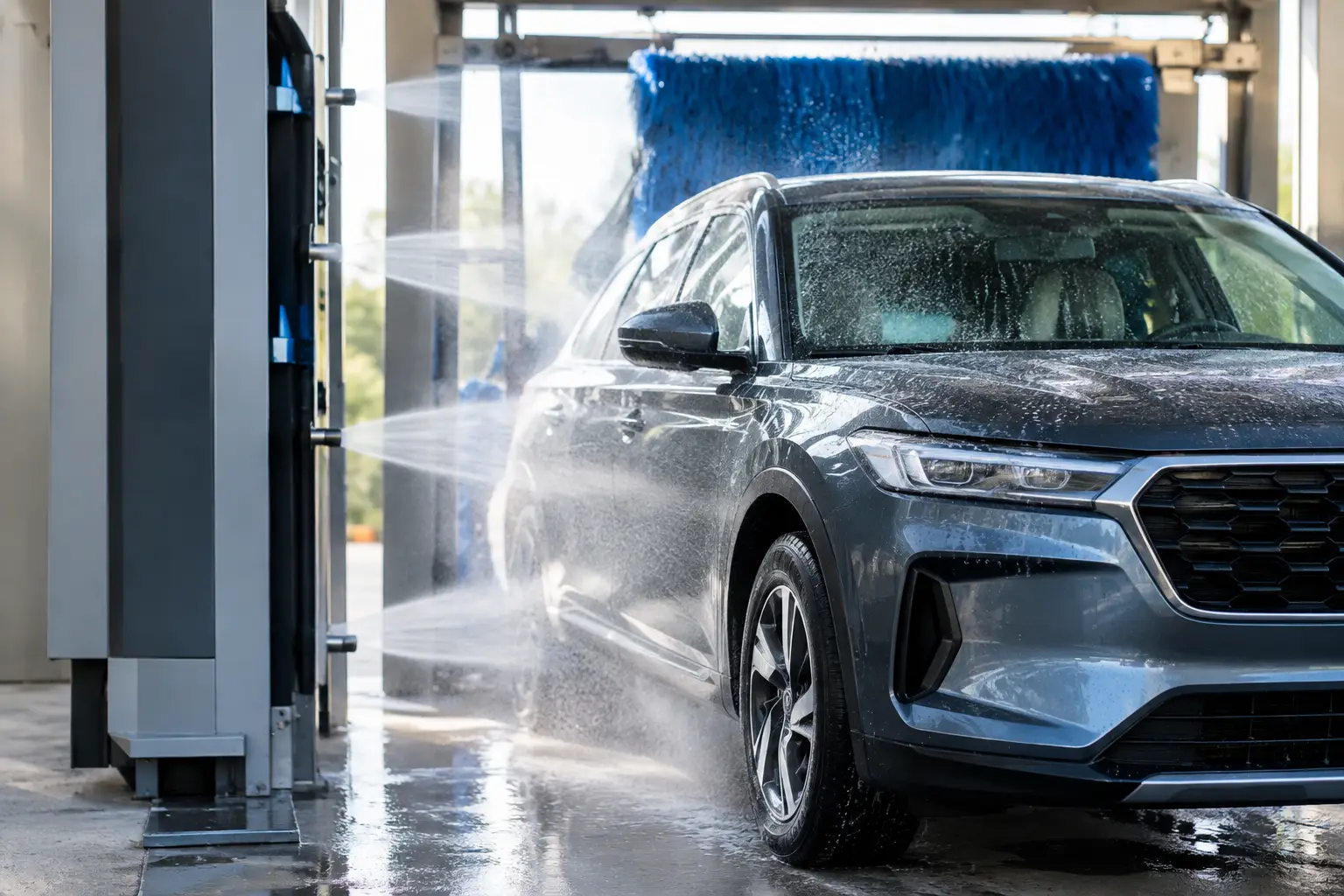
A clean vehicle should not come with a worry about brushes dragging grit across the paint. That is the reason automatic wash safety matters to so many New Hampshire drivers, especially after a salty commute, a muddy spring day, or a week of pollen collecting in the driveway. A touchless automatic wash gives you a fast, practical way to remove that buildup without physical wash equipment contacting your vehicle’s exterior.
Touchless does not mean careless. The best results come from knowing what a touchless wash does well, preparing your vehicle for the bay, and choosing a wash routine that fits the season. For everyday drivers, families, commuters, and car-conscious owners alike, that approach helps keep exterior cleaning simple.
Why Automatic Wash Safety Starts With Touchless Care
A traditional friction wash uses cloth, brushes, or other material that physically moves across the vehicle. Those systems can clean effectively, but contact creates a potential concern: anything left in the wash material from previous vehicles could come into contact with yours. Fine sand, winter grit, and road debris are particularly unwelcome near clear coat, trim, and delicate exterior finishes.
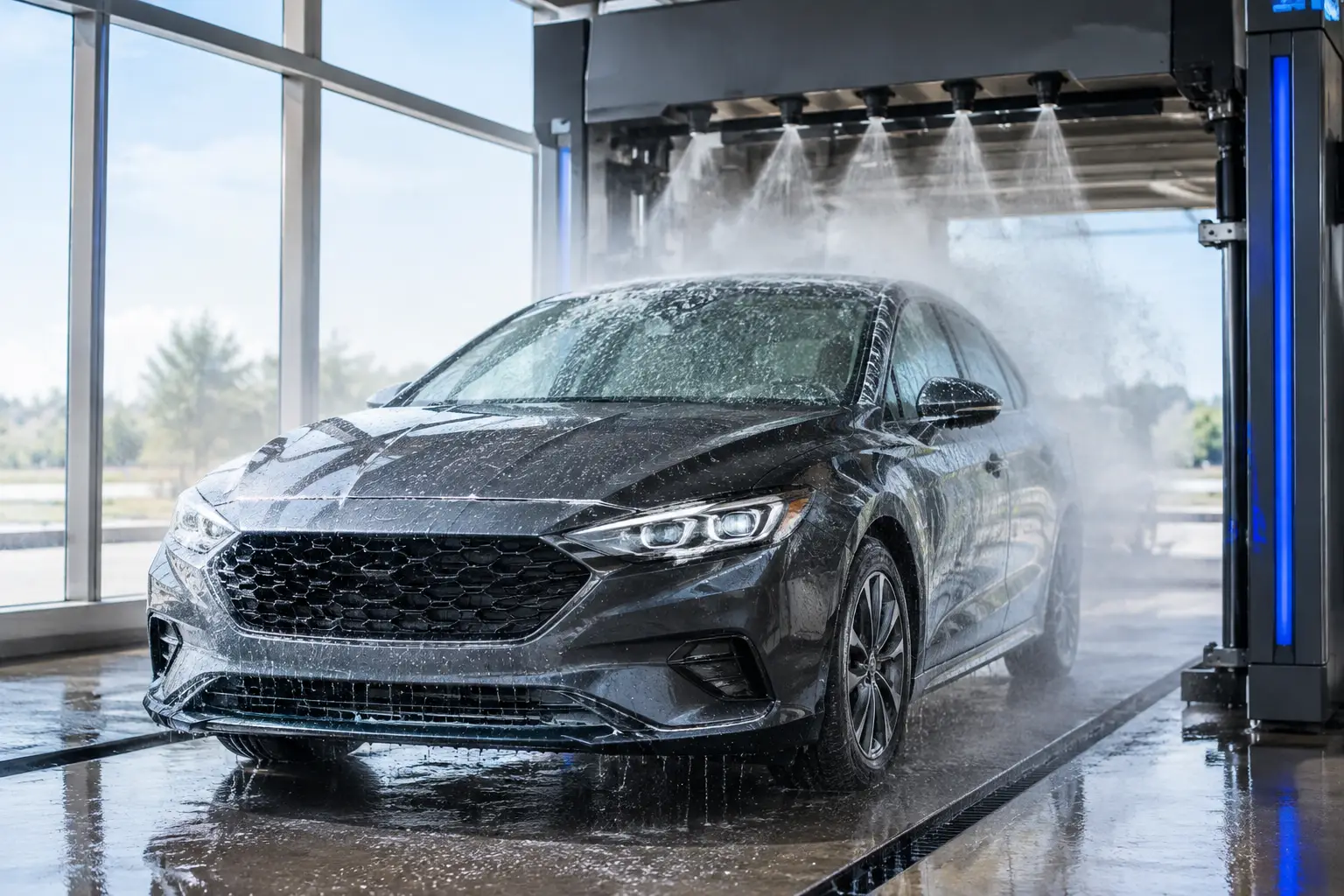
A touchless wash takes a different approach. It uses cleaning solutions and high-pressure water to loosen and rinse away dirt, salt, mud, and film. No brushes or cloth strips touch the painted surface during the wash. That makes touchless equipment a strong option for drivers who want regular cleaning without friction against the vehicle.
There is a practical trade-off. A touchless wash may not remove every bit of stubborn, baked-on grime as aggressively as a friction system can. Heavy mud around wheel wells, bug residue, and neglected buildup may need an extra visit or some targeted attention. For routine washing, though, touchless care provides the safe, efficient clean many drivers are looking for.
The Real Threat Is What Builds Up on the Road
New Hampshire weather gives vehicles plenty to deal with. Winter road salt can cling to lower panels, wheels, undercarriage areas, and seams. Spring brings mud and pollen. Summer adds dust, bugs, tree debris, and construction grit. Fall means wet leaves, sap, and damp road film that can make a clean car look tired in a hurry.
Salt is the biggest reason to keep washing through winter. It is easy to put off a wash when temperatures drop, but salt residue does not take a day off. Removing it regularly helps limit the time corrosive material stays on exposed surfaces. A wash after a storm, slushy drive, or extended highway commute is often more useful than waiting until the vehicle looks visibly dirty.
The lower half of the vehicle deserves special attention. Rocker panels, wheel openings, bumpers, and rear surfaces collect the most spray from the road. A quality touchless wash helps flush away this mess without asking brushes to work over the grit first.
How to Prepare for an Automatic Wash
Most vehicles can go through an automatic wash without trouble, but a quick check before entering the bay is smart. This is less about making the process complicated and more about avoiding preventable issues.
Start by closing all windows, the sunroof, and the fuel door. Check that doors and the trunk are fully latched. Fold in mirrors if your vehicle manufacturer recommends it, particularly if you have oversized mirrors or add-on mirror accessories. Remove loose items from the exterior, including magnetic signs, temporary decals, antenna toppers, or anything that could shift under water pressure.
If you drive a pickup, secure the truck bed and make sure no loose cargo can move around. Roof racks are generally fine when they are properly installed, but oversized accessories, bike racks, cargo boxes, and exposed equipment should be considered carefully. Follow the posted clearance guidance at the wash, along with your vehicle manufacturer’s instructions.
Drivers with aftermarket modifications should take an extra moment before washing. Lowered vehicles, damaged trim, loose body panels, cracked windshields, and poorly attached accessories deserve attention before any automatic wash. A wash cannot repair an existing issue, and high-pressure water can reveal a weak seal or loose part that was already there.
Automatic Wash Safety Inside the Bay
Once you are at the wash entrance, the most helpful thing you can do is follow the signs and equipment instructions. Pull forward as directed, place the vehicle in the correct gear, keep your hands off the steering wheel when instructed, and avoid braking or accelerating unless the system tells you to do so.
The process is designed to be straightforward. Still, rushing creates mistakes. Take a second to line up properly and listen for clear instructions. If you are unsure about your vehicle’s fit, gear setting, or a warning light, stop and ask for assistance before proceeding.
Automatic wash safety also means giving the vehicle a moment after the wash. Check mirrors, wipers, and exterior trim before returning to the road. In freezing conditions, clear water from door seals and move wipers gently if they appear stuck. A little attention at the exit can prevent an annoying surprise at the next stop.
What Touchless Washing Can and Cannot Do
Touchless technology is excellent at lifting away road film, salt, dust, and fresh grime. It is especially useful for maintaining a vehicle between deeper cleanings. Regular visits prevent buildup from becoming tougher to remove, which is often better for both appearance and convenience.
It is not a magic fix for every surface issue. Embedded tree sap, hardened bird droppings, oxidation, staining, and damaged clear coat may need professional detailing or paint correction. The same goes for caked-on mud that has been sitting for weeks. A touchless wash can make a major improvement, but realistic expectations help drivers get the most from it.
For vehicles with matte paint, wraps, ceramic coatings, or specialty finishes, check the care guidance from the installer or manufacturer. Touchless washing is often a preferred option because it avoids brush contact, but cleaning products and finish requirements can vary. When in doubt, follow the instructions specific to your vehicle’s finish.
A Safer Wash Routine for Every Season
There is no single perfect wash schedule. It depends on how much you drive, where you park, the weather, and how quickly your vehicle collects road grime. A vehicle used for daily commuting in winter may benefit from weekly washes, while a lightly driven vehicle in mild weather may need less frequent care.
A practical routine is to wash after salt-heavy conditions, after long drives on wet or dirty roads, and whenever grime begins to build along the lower panels. Do not wait for a thick layer of dirt to make the decision for you. Frequent touchless washing is usually easier than trying to recover from months of neglect.
Vacuuming matters, too. Road salt, sand, and wet debris do not stay outside. Using high-powered vacuums after a wash helps keep the cabin more comfortable and prevents loose grit from becoming part of every ride. For families, it is also a quick way to stay ahead of snacks, pet hair, and the mystery debris under the seats.
At Black Dog Car Wash, drivers in Londonderry and Belmont can use touchless wash equipment and vacuum stations any time of day or night. That makes it easier to fit vehicle care into a real schedule, whether you are cleaning up after a late commute or getting ready for a weekend drive.
When to Skip the Wash and Check the Vehicle First
A touchless wash is designed for normal, well-maintained vehicles. If a bumper is hanging loose, a mirror is cracked, a window is damaged, or an exterior accessory is not secure, handle that issue first. The same applies if ice is heavily packed around doors, wheel wells, or moving parts.
After a fresh paint repair, windshield replacement, or body work, ask the repair shop when it is safe to wash. New paint and sealants can have curing requirements. A short wait now is better than risking a finish that has not fully set.
Your vehicle works hard through every New Hampshire season. Give it a clean that respects the finish, removes the mess that matters, and fits your day. The next time road salt or rain film starts to take over, a touchless wash is a simple way to put clean miles ahead of you.