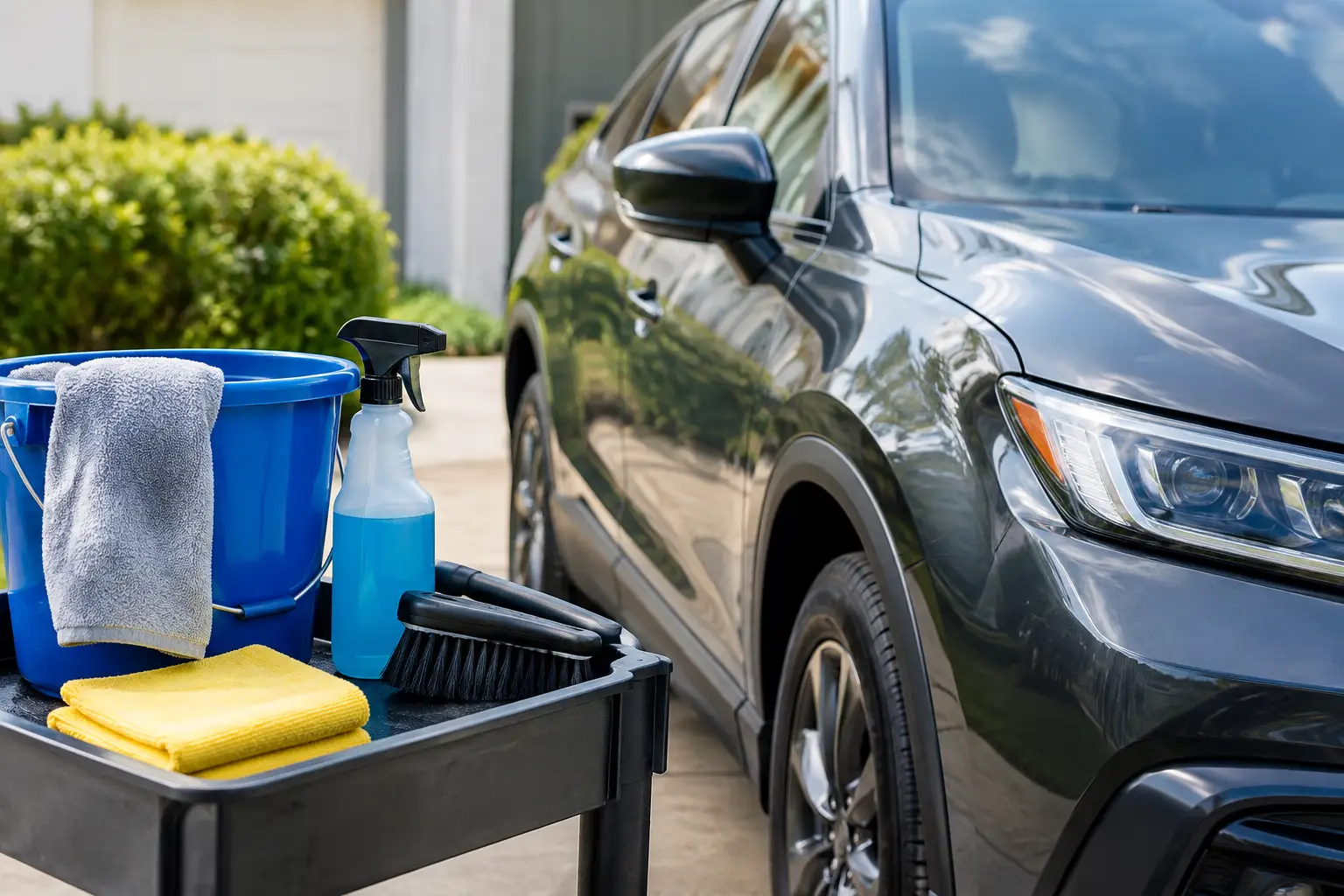
A good wash starts before your vehicle reaches the wash bay. This guide to exterior wash prep helps New Hampshire drivers get better results while avoiding simple mistakes that can affect their vehicle or slow down the visit. Whether you are clearing off winter salt in Belmont, pollen in Londonderry, or everyday commuter grime, a few minutes of preparation can make a noticeable difference.
Touchless washing is designed to clean effectively without brushes contacting your vehicle’s finish. That makes it a smart option for drivers who care about convenience and vehicle-safe exterior care. Still, the vehicle going into the wash matters. Loose items, open compartments, heavy mud buildup, and neglected trouble spots can all affect the outcome.
Why Exterior Wash Prep Is Worth the Minute
Exterior wash prep is not about turning a quick car wash into a weekend project. It is about removing avoidable risks and giving the wash system the best opportunity to do its job. For most drivers, that means a fast walk-around, a check of a few vehicle settings, and a realistic look at what is stuck to the paint, wheels, and lower panels.
New Hampshire weather gives vehicles plenty to deal with. Road salt and brine can collect underneath doors, around wheel wells, and along rocker panels. Spring pollen clings to glass and paint. Summer bugs can bake onto the front end after a highway drive, while fall mud and wet leaves find their way into every lower-body crease. A regular wash routine helps keep that buildup from becoming harder to remove.
Prep also helps protect accessories. Antennas, loose trim, damaged wiper blades, and poorly secured cargo are better addressed before entering any automatic wash. A quick check is faster than dealing with a preventable issue afterward.
Your Guide to Exterior Wash Prep: Start With a Walk-Around
Before pulling forward, take one lap around the vehicle. You are not looking for perfection. You are looking for anything loose, open, unusually dirty, or damaged.
Check that all doors, windows, the sunroof, and the trunk or liftgate are fully closed. Fold in mirrors if your vehicle’s owner’s manual recommends it or if they do not fold automatically. Remove or retract exterior antennas when possible, especially older fixed-style antennas. If you have an aftermarket accessory that is loose or not rated for automatic car washes, secure it or remove it before washing.
Pay attention to windshield wipers, too. Worn or lifted wiper blades can shift during a wash. Make sure they are resting normally against the windshield. If your vehicle has a rear wiper, check that it is secure as well.
A walk-around is also the right time to notice existing damage. A cracked mirror housing, loose license plate frame, peeling wrap, or damaged trim deserves attention before any wash. A touchless wash avoids physical brushes, but high-powered water and cleaning solutions still work best on a vehicle with secure exterior components.
Clear Out What Does Not Belong on the Vehicle
The most common prep issues are simple ones: a bike rack left on the hitch, a magnetic sign still on the door, or a loose item in a truck bed. Take a moment to remove or secure anything that could shift, trap water, or interfere with the wash.
For a quick check, make sure these items are handled before you enter:
- Hitch-mounted racks, cargo carriers, and unsecured bed cargo
- Magnetic signs, temporary decals, and loose plate covers
- Removable antennas and accessories that extend beyond the vehicle body
- Snow, ice, or thick mud packed around lights, plates, and wheel wells
Not every accessory needs to come off every time. Factory-installed roof rails and well-secured equipment are typically part of normal vehicle use. The question is whether an item is loose, oversized, or likely to create a problem with high-pressure water. When in doubt, use common sense and follow the accessory manufacturer’s care instructions.
Deal With Heavy Buildup Before Expecting a Perfect Finish
Touchless equipment is highly effective on normal road film, salt, pollen, and daily dirt. But there is a difference between a dirty vehicle and one covered in packed mud or hardened debris. If mud is thick around the wheel wells, under the bumpers, or behind the tires, it may need more than one wash or a targeted rinse.
The same goes for bugs, tree sap, and bird droppings. Fresh contaminants are generally easier to remove. When they have been sitting in direct sun for days, they can bond more tightly to the surface. Do not attack them with a dry towel or aggressive rubbing. That can drag grit across the paint and create scratches.
If you need to spot-treat an area, use a vehicle-safe product and a clean, soft microfiber towel according to the product directions. Avoid household cleaners, rough sponges, dish soap, or abrasive pads. These shortcuts can strip protection, dull trim, or leave marks that are far more frustrating than the original grime.
For vehicles with fresh paint, vinyl wraps, ceramic coatings, matte finishes, or aftermarket protective films, follow the installer’s or manufacturer’s maintenance guidance. Touchless washing can be a practical choice, but specialty surfaces may have specific product and timing recommendations.
Prepare Wheels and Lower Panels for New Hampshire Roads
Your wheels, tires, rocker panels, and rear bumper usually take the worst of local road conditions. In winter, salt and brine collect in places that are easy to overlook. In wet weather, grit splashes up behind the tires. If your vehicle has been through slush, mud, or a gravel lot, these areas deserve extra attention.
A regular exterior wash helps reduce the amount of grime sitting on painted and metal surfaces. It cannot replace mechanical service or undercarriage inspection, especially if you suspect damage or corrosion, but it is a practical part of routine vehicle care.
Do not wait for your vehicle to look completely gray before washing it. During salt season, more frequent washes can be useful even when the forecast calls for another storm. The goal is not to keep the vehicle spotless every day. The goal is to avoid letting road residue sit longer than necessary.
Make the Most of a Touchless Wash Visit
Once your vehicle is ready, choose the wash option that fits its condition. A lighter layer of dust after a dry week may need less attention than a vehicle that has spent days on salted highways. If you wash often, a bundle or reloadable account can make routine visits easier to keep up with rather than something you put off.
At Black Dog Car Wash, drivers can wash on their schedule with 24/7 touchless service in Londonderry and Belmont. That flexibility matters when the vehicle is finally free of ice, when the commute runs late, or when a muddy weekend cannot wait until the next business day.
After the exterior wash, use the vacuum area to finish the job inside. Before vacuuming, remove loose trash, cups, and personal items from the floor and seats. Shake out removable floor mats if appropriate, then work from the top of the cabin down so dust does not land on areas you already cleaned. A clean exterior feels even better when the inside is not full of winter grit.
A Few Things to Avoid Before and After Washing
Do not leave windows cracked because you are trying to air out the vehicle. Do not leave the fuel door open, and do not assume a loose panel will hold itself in place through high-pressure water. If your vehicle has an automatic rain-sensing wiper feature or another setting that could activate unexpectedly, check your owner’s manual for wash guidance.
After washing, take a moment to inspect door jambs, mirrors, and the area around the trunk or liftgate. In freezing weather, wipe away excess water around door seals when possible. This small step can help reduce the chance of doors sticking after temperatures drop.
A few seconds of exterior wash prep can keep your visit simple, protect the parts of your vehicle that need attention, and help every wash work harder against the road grime New Hampshire sends your way.