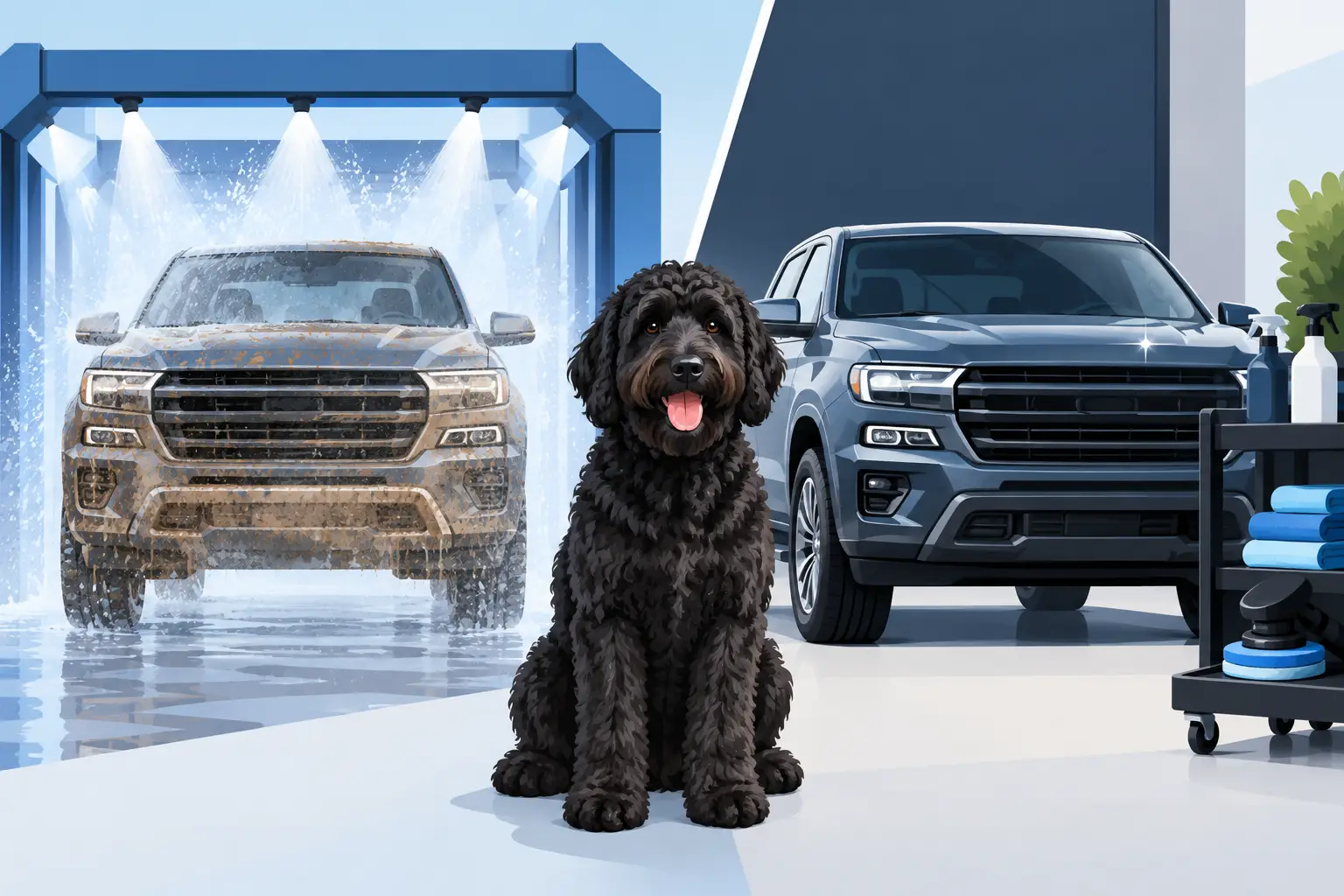
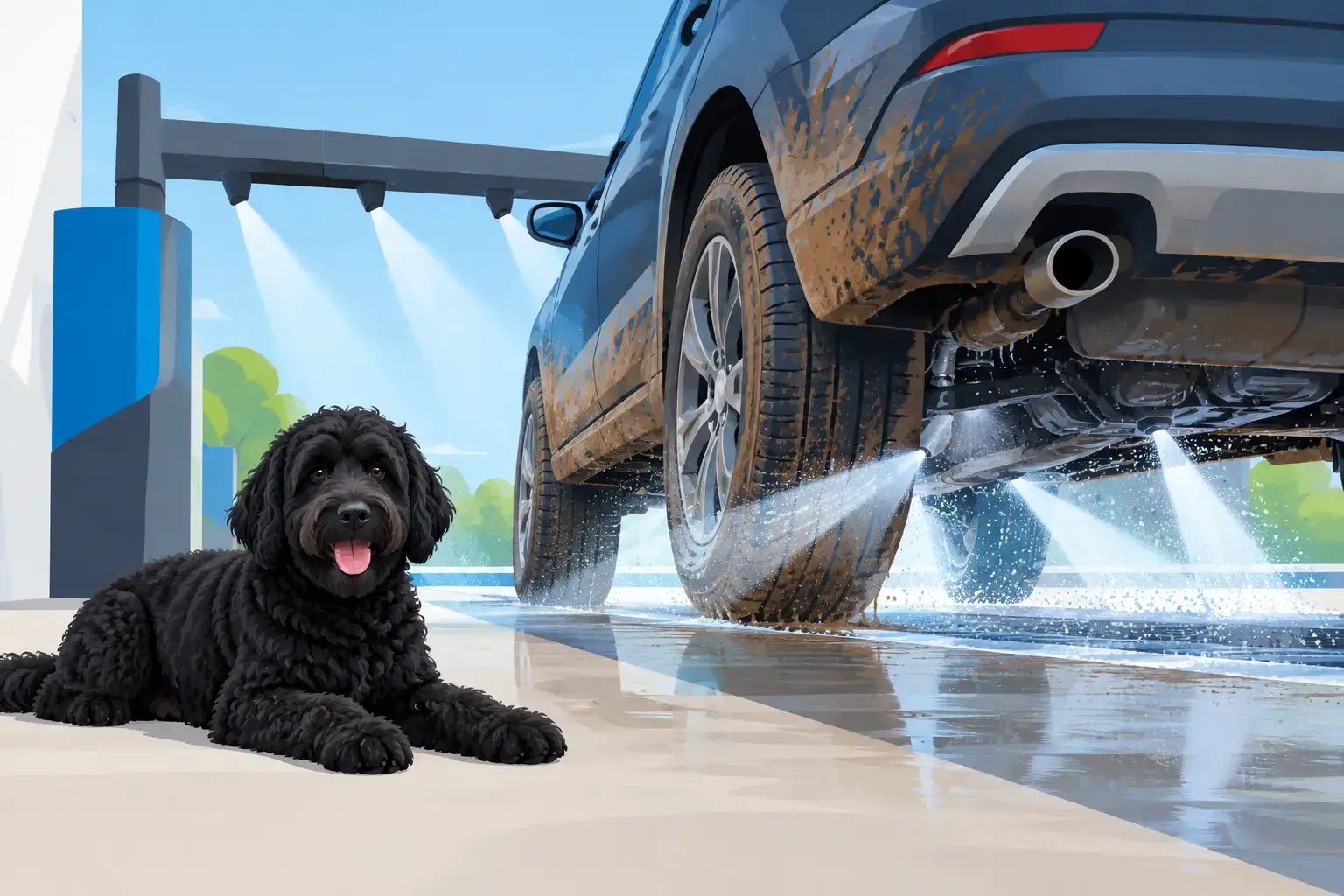
Road salt does not stay on the road. It collects behind wheel wells, along brake lines, on suspension parts, and in the hard-to-see areas beneath your vehicle. Knowing how to clean a car undercarriage safely helps New Hampshire drivers limit corrosive buildup without creating a new problem with excessive water pressure, hot components, or unsafe lifting.
For most vehicles, the job is straightforward: let the vehicle cool, use a controlled rinse, and give the dirtiest areas extra attention. The goal is not to make every hidden part look showroom-new. It is to remove salt, sand, mud, and grime before they sit there long enough to cause trouble.
Why the Undercarriage Needs Regular Attention
Your car's undercarriage takes the hit from nearly everything the road throws at it. During winter, that means salt brine, de-icing chemicals, slush, and sand. In spring and summer, it can mean mud, pollen, gravel dust, and standing water. Even a clean-looking vehicle can have a layer of grime packed underneath.
Salt is the biggest concern for New Hampshire drivers. Moisture activates it, and the mix can speed up corrosion on exposed metal. Rust does not appear overnight, but repeated exposure without rinsing gives it a head start. Brake and fuel lines, exhaust hangers, fasteners, suspension components, and subframe areas deserve particular attention.
A regular rinse also makes routine maintenance easier. A technician can better spot a leak, damaged shield, worn bushing, or loose component when it is not hidden under a season's worth of road grime. Beau would call that a good sniff test, but your mechanic will probably prefer a visual one.
What to Do Before You Start
Do not begin with a hot vehicle. Park on a level surface, turn the engine off, and let the exhaust, brakes, and engine bay cool down. Spraying cold water onto very hot metal is not a great habit, and working around a hot exhaust can be uncomfortable and unsafe.
Choose a spot with proper drainage. You do not want greasy runoff, salt residue, or cleaning chemicals flowing toward a storm drain or across your driveway. If you are washing at home, plain water is usually enough for a routine underbody rinse. Save stronger cleaners for specific deposits and use only products labeled for automotive use.
Wear eye protection. Water, sand, and grit can fall directly back toward your face when you rinse upward. Gloves are also helpful, especially if you will be checking behind the wheels or around lower panels by hand.
Most importantly, do not crawl under a vehicle supported only by a jack. If you truly need access underneath for inspection or repair, use correctly rated jack stands on stable ground or leave that work to a professional. For cleaning, you can accomplish a lot from the side of the vehicle with the right spray angle.
How to Clean a Car Undercarriage Safely
Start with a gentle rinse to loosen fresh dirt and salt. A garden hose with a spray nozzle works well for routine maintenance. A pressure washer can work too, but lower pressure and a wider fan setting are the safer choice. Keep the nozzle moving and maintain a reasonable distance from the vehicle rather than concentrating the spray in one small spot.
Work from the wheel wells inward. These areas collect thick deposits of slush, salt, and mud, especially behind the front wheels and along the rear bumper. Spray around the plastic liners, suspension openings, and lower rocker panels until runoff looks clearer.
Next, rinse along both sides of the undercarriage. Aim the water at an angle so it travels across surfaces and carries debris away. You are trying to flush buildup out, not force water into every seam, electrical connector, or rubber seal. A side-to-side approach is more effective and safer than pointing a high-pressure stream straight up from close range.
Pay attention to the following areas during the rinse:
- Wheel wells and splash guards, where salt and mud often pack in tightly.
- The lower rocker panels and pinch welds beneath the doors.
- Suspension arms, crossmembers, and exposed fasteners.
- The rear axle area, exhaust shields, and the underside near the bumpers.
If mud is baked on, let it soak for a few minutes before rinsing again. Trying to blast hardened dirt away at close range can damage underbody coatings, plastic shields, or rubber boots. A second patient rinse is usually better than more pressure.
Afterward, drive the vehicle briefly if conditions allow. Normal movement helps water drain from crevices and gives the brakes a chance to dry. Apply the brakes gently a few times in a safe area to clear moisture from the brake surfaces. Then check the driveway or parking area for any unusual drips that may have been hidden by dirt before washing.
Where High Pressure Can Cause Problems
A pressure washer is useful, but it is not a cure-all. Keep the spray away from seals, bearings, electrical plugs, sensors, and damaged wiring. Do not hold the nozzle close to CV joint boots, brake hoses, rubber bushings, or loose underbody panels. Water pressure strong enough to remove mud can also push past a weak seal or tear at a fragile edge.
Be cautious around the engine bay from below as well. Modern vehicles have plenty of protected electrical connections, but there is no reason to direct a concentrated stream at connectors, alternators, air intakes, or exposed wiring. If you own an EV or hybrid, follow the owner's manual for washing guidance and avoid concentrated pressure around battery enclosures, charging components, and high-voltage cable connections.
Skip harsh degreasers unless you are dealing with an actual oil leak or heavy grease buildup. Strong chemicals can strip protective coatings, discolor materials, and create unnecessary runoff. If you discover oily residue, do not simply wash it away and forget it. Schedule an inspection to find the source.
How Often Should You Rinse the Undercarriage?
It depends on the season and where you drive. During an active New Hampshire winter, an undercarriage rinse every one to two weeks is a sensible routine for drivers who regularly travel treated roads. After a major storm, a slushy commute, or several days of wet salt spray, sooner is better.
In warmer months, monthly rinsing is often enough unless you drive on dirt roads, visit muddy trails, launch a boat, or spend time near the coast. A quick rinse after those conditions keeps debris from hardening in wheel wells and lower body seams.
Do not wait for a warm day in March to deal with winter buildup. Salt stays active whenever moisture is present, and late-winter thaw cycles can keep the underbody wet for days. A cold-weather wash is still worthwhile when equipment and conditions allow.
Use a Touchless Wash as Part of Your Routine
A touchless wash is a convenient way to keep the exterior, wheel areas, and lower body from carrying months of grime. If an automated wash offers an undercarriage rinse, it can be a practical addition to your winter maintenance routine. It will not replace a close inspection or targeted cleaning after deep mud, but it can make frequent salt removal much easier.
For drivers in Londonderry and Belmont, Black Dog Car Wash offers a quick touchless option when the road film starts showing up on your doors, wheels, and lower panels. A regular visit is easier than letting salt and grime build until spring cleaning becomes a bigger job.
The best undercarriage care is not complicated. Rinse early, rinse often during salt season, and use enough pressure to clear debris without attacking the parts designed to protect your vehicle. Your car may never thank you out loud, but fewer rusty surprises down the road are a pretty good response.