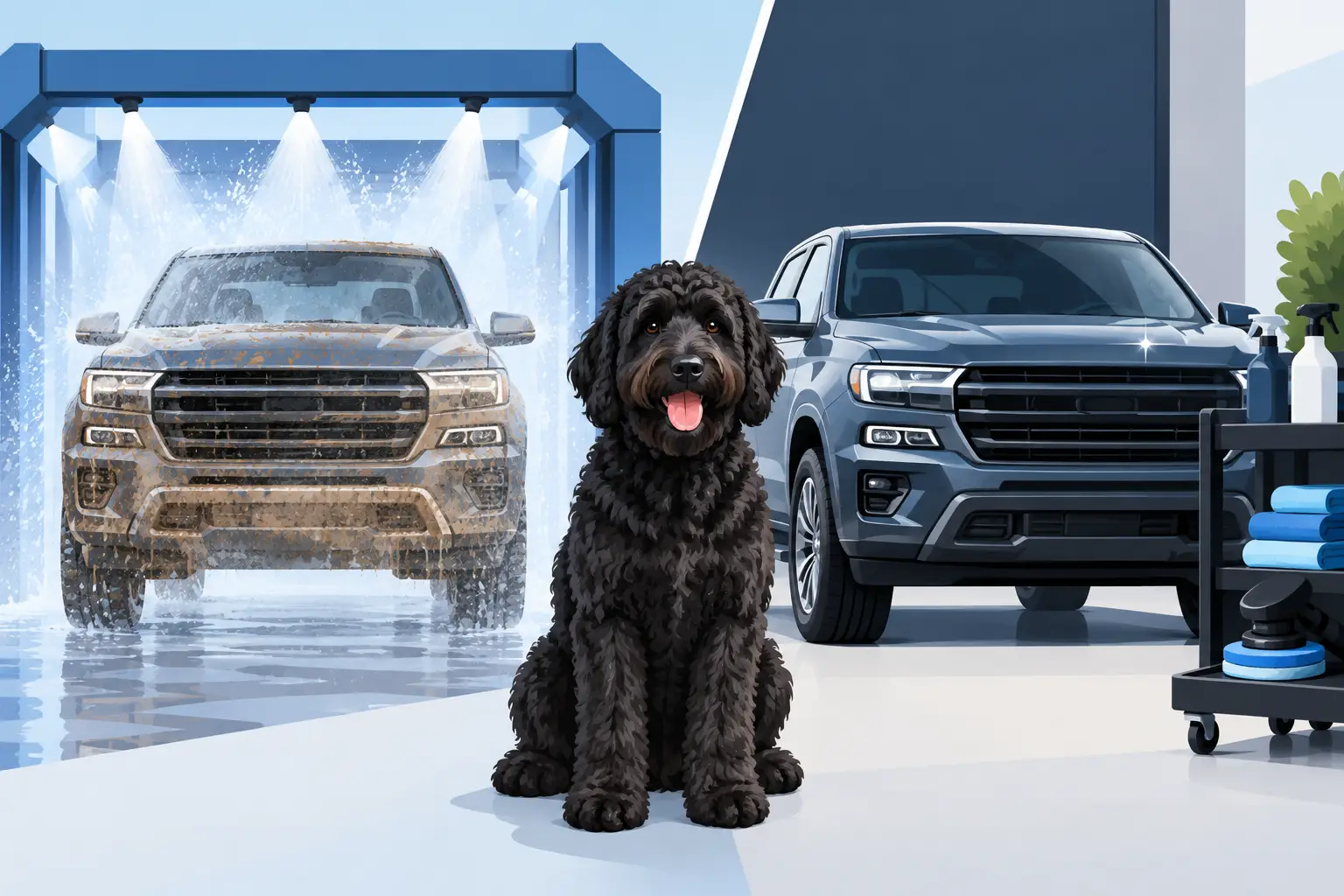
A New Hampshire car can look clean on Monday and wear a gray coat of salt, slush, pollen, or road dust by Friday. That is why the choice between brushless wash versus detailing is less about picking one winner and more about knowing what your vehicle needs right now. A touchless wash is built for regular cleanup on a real-life schedule. Detailing is a deeper, more time-intensive service for restoring, protecting, and refining a vehicle.
For most daily drivers, routine washing is the foundation. Detailing works best as the occasional reset or targeted upgrade. Understanding the difference can help you spend your time and money where it makes the most sense.
Brushless Wash Versus Detailing: The Main Difference
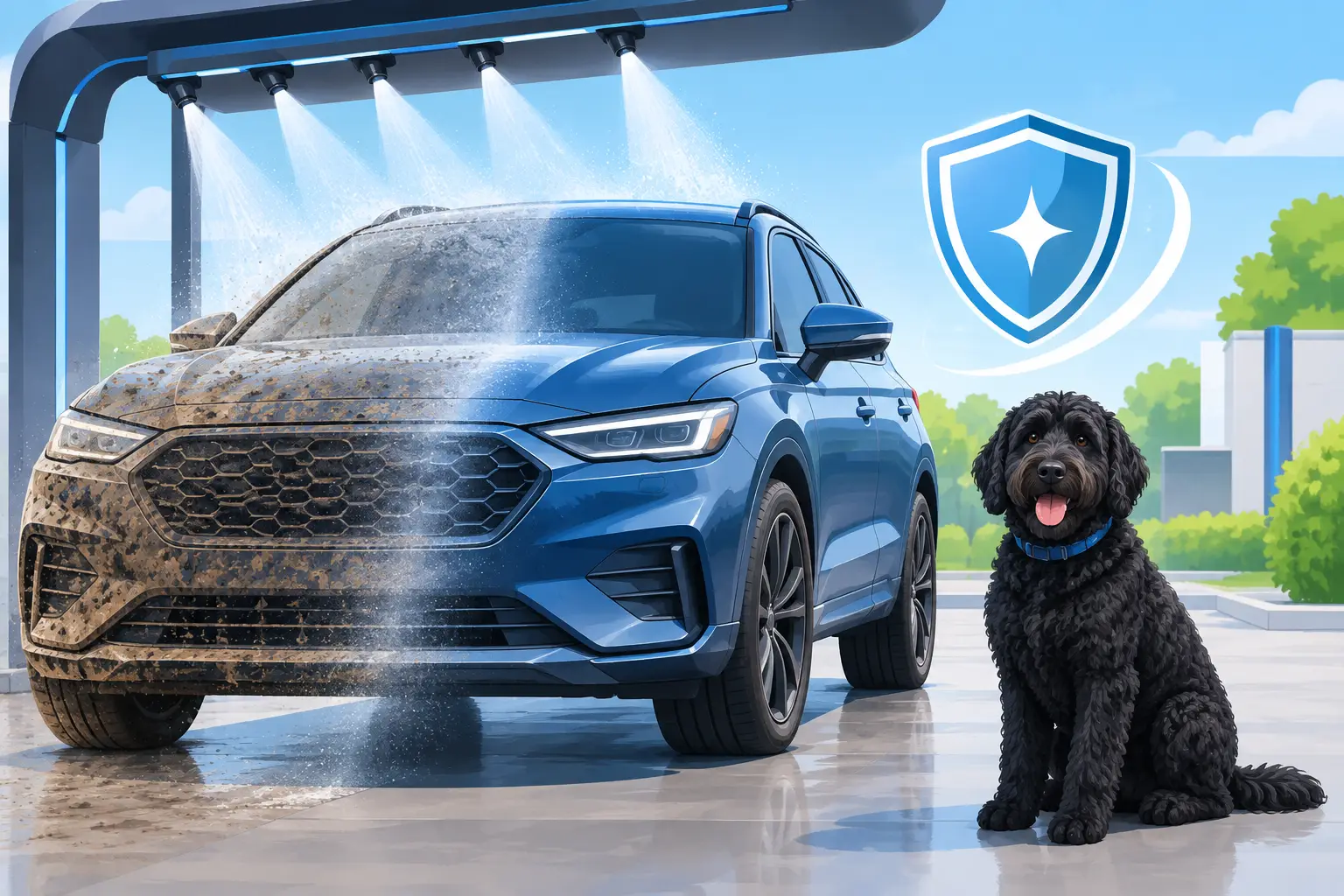
A brushless, or touchless, wash cleans the outside of your vehicle without physical wash brushes contacting the paint. It uses carefully applied cleaning solutions, high-pressure water, and drying equipment to remove everyday grime. The goal is efficient, consistent exterior cleaning with minimal friction on the finish.
Detailing is a broad term for hands-on vehicle care. Depending on the package, a detailer may wash the exterior by hand, clean wheels and door jambs, vacuum and shampoo the interior, treat surfaces, remove bonded contaminants, polish paint, and apply protection. A detail can take hours or, for major paint correction, much longer.
The difference is not simply automatic versus hand-washed. It is about the scope of the work. A brushless wash handles routine maintenance. Detailing addresses the accumulated issues that routine maintenance cannot fully solve.
When a Touchless Wash Is the Better Choice
A touchless wash is the practical choice when your car needs to be cleaned now, not scheduled weeks from now. It is especially useful after a commute through wet roads, a muddy parking lot, a snowstorm, or a stretch of dry weather that leaves dust and pollen on every panel.
For drivers who care about avoiding brush contact, touchless technology offers a clear advantage. Brushes can hold onto grit from prior vehicles, and any friction-based process creates some potential for surface marring when dirt is present. A properly maintained touchless wash relies on chemistry and water pressure instead of brushes touching your paint.
That does not mean every mark will disappear. Heavy mud packed around wheel wells, bug residue, tree sap, and old road film can be stubborn. Touchless systems are highly effective for regular grime, but no responsible operator should promise that a quick wash will erase every contaminant from a neglected vehicle.
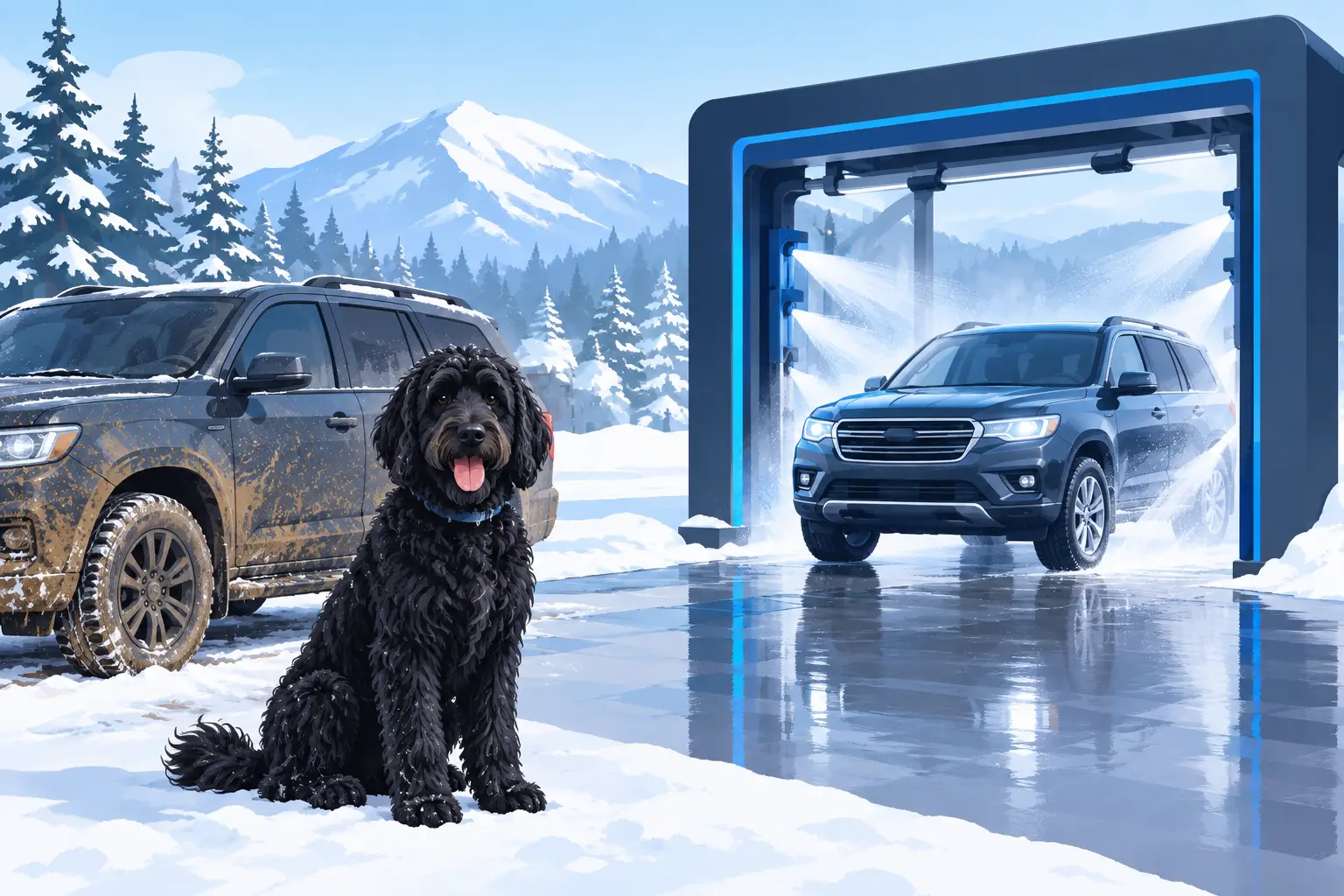
Speed matters, too. When the forecast is calling for more rain or snow, a full detail may not be the right move. A touchless wash lets you remove salt and grime promptly, which is valuable in a state where winter road treatment can cling to lower panels, wheels, and underbody areas. Keeping that buildup from sitting on your vehicle is often more useful than waiting for the perfect day to pursue a spotless finish.
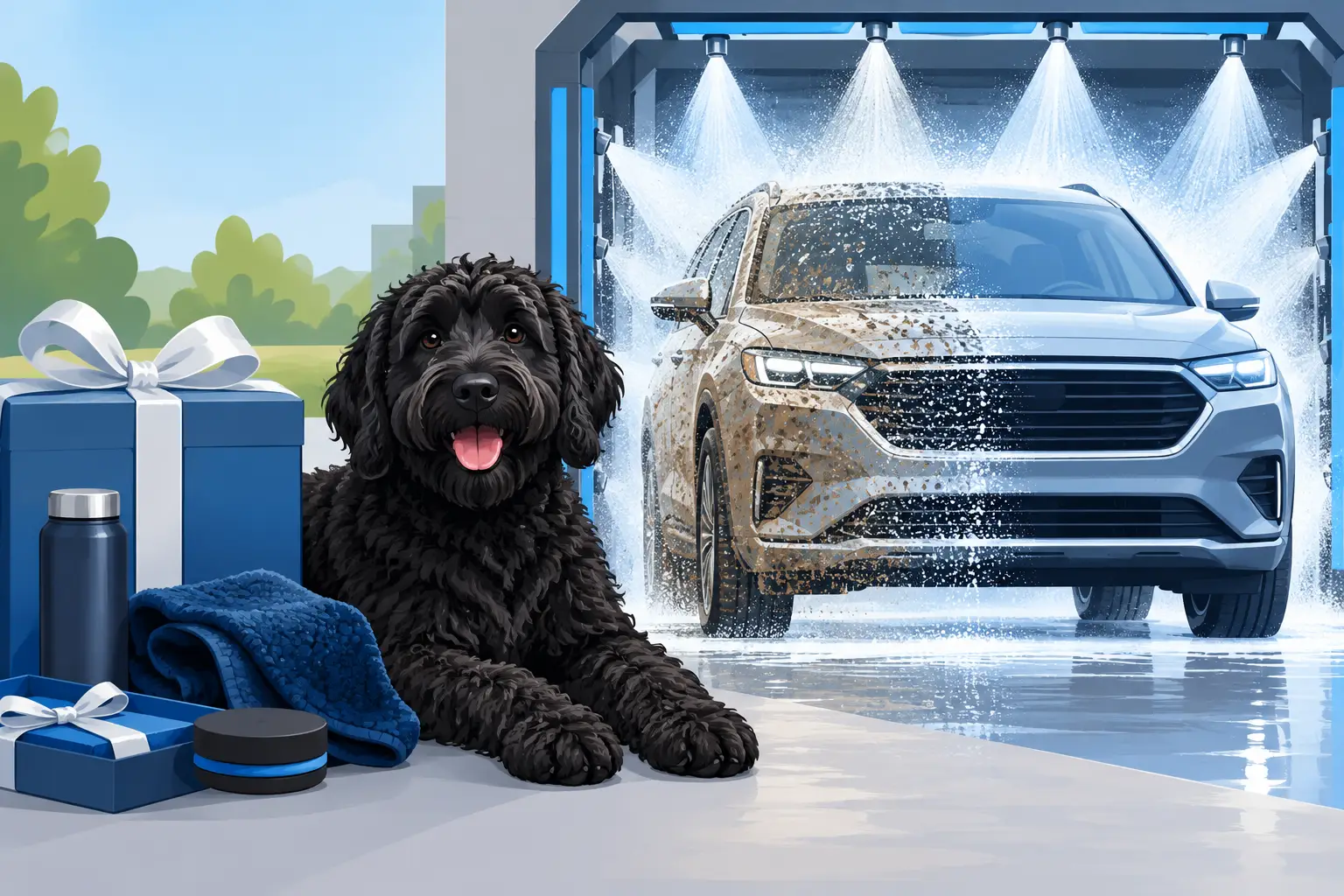
At Black Dog Car Wash, drivers can wash and vacuum on their own schedule, including late nights and early mornings. That kind of access makes regular care easier to keep up with, whether you are heading home from work, getting ready for a weekend trip, or cleaning up after a messy New England drive. Beau would probably agree: mud is an outside activity, not an interior design choice.
Best times for a brushless wash
Choose a touchless wash when you need to remove normal road grime, dust, pollen, fresh salt, rain residue, or light mud. It is also a smart choice before a road trip, after a storm, before picking up clients or family, or anytime your vehicle simply no longer looks cared for.
For many vehicles, regular washing every one to two weeks is a reasonable rhythm. During winter, you may want to wash more often when roads are heavily treated or conditions are messy. The right frequency depends on where you drive, where you park, and how quickly dirt accumulates.
When Detailing Is Worth the Time and Cost
Detailing earns its place when the vehicle needs more than a clean exterior. Maybe the interior has sand in the carpets, food spills in the back seat, dog hair in every corner, or a lingering odor. Maybe the paint feels rough after months of exposure, has visible swirls, or looks dull even after washing.
A professional detail can focus on the areas an automated wash is not meant to handle. Interior deep cleaning, stain treatment, leather conditioning, paint polishing, clay-bar decontamination, headlight restoration, and ceramic coating preparation are examples of work that requires time, inspection, and trained hands.
Detailing can be a good investment before selling or trading a vehicle, after buying a used vehicle, following a long winter, or when you want to improve the appearance of a car you plan to keep for years. It is also helpful after unusual messes, such as a spilled drink, a pet accident, construction dust, or a season of family road trips.
Still, detailing is not a substitute for washing all year long. A freshly detailed car will collect dirt just like any other vehicle. If road salt is building up, waiting months for your next detail is not a maintenance plan. Regular washes protect the work you have already paid for by removing the grime that obscures and stresses the finish.
What Each Service Can and Cannot Do
A touchless wash can make a major visible difference in minutes. It can remove a great deal of loose dirt and road film without brushes contacting the vehicle, but it may not remove embedded contamination, etched water spots, oxidation, scratches, or stains inside the cabin.
Detailing can improve many of those concerns, but it also has limits. Paint correction can reduce or remove certain swirls and defects, yet deep scratches that have cut through the clear coat may require repair or repainting. Interior detailing can greatly improve cleanliness, but permanent staining, worn fabric, and damaged trim may not return to like-new condition.
The best decision starts with an honest look at the vehicle. If it is dirty from everyday driving, wash it. If it is clean but still looks tired, feels rough, smells off, or has visible finish issues, consider detailing.
A Smart Routine for New Hampshire Drivers
For most people, the most sensible approach is not brushless wash versus detailing as an either-or choice. It is regular touchless washing, plus detailing when your vehicle needs deeper attention.
Keep up with exterior washing throughout the year, particularly during salt season and pollen season. Use vacuum stations to stay ahead of crumbs, sand, and debris before they become a bigger interior job. Then plan a detail once or twice a year, or whenever your vehicle has a specific problem that routine cleaning cannot address.
If you have recently received paint correction, wax, sealant, or a ceramic coating, ask the detailer how to maintain it. In many cases, touchless washing is a sensible maintenance option because it avoids brush contact. You will still want to follow any care instructions for the particular protective product used on your vehicle.
Choose Care That Matches the Mess
A vehicle does not need a full detail every time it gets dirty, and a quick wash is not expected to fix years of wear. The right service depends on the condition of the car, the season, and how much time you have.
When road grime, salt, and daily mess start to build, do not let them settle in while waiting for a perfect moment. A regular brushless wash keeps your vehicle looking cared for and makes every future detail easier to appreciate.