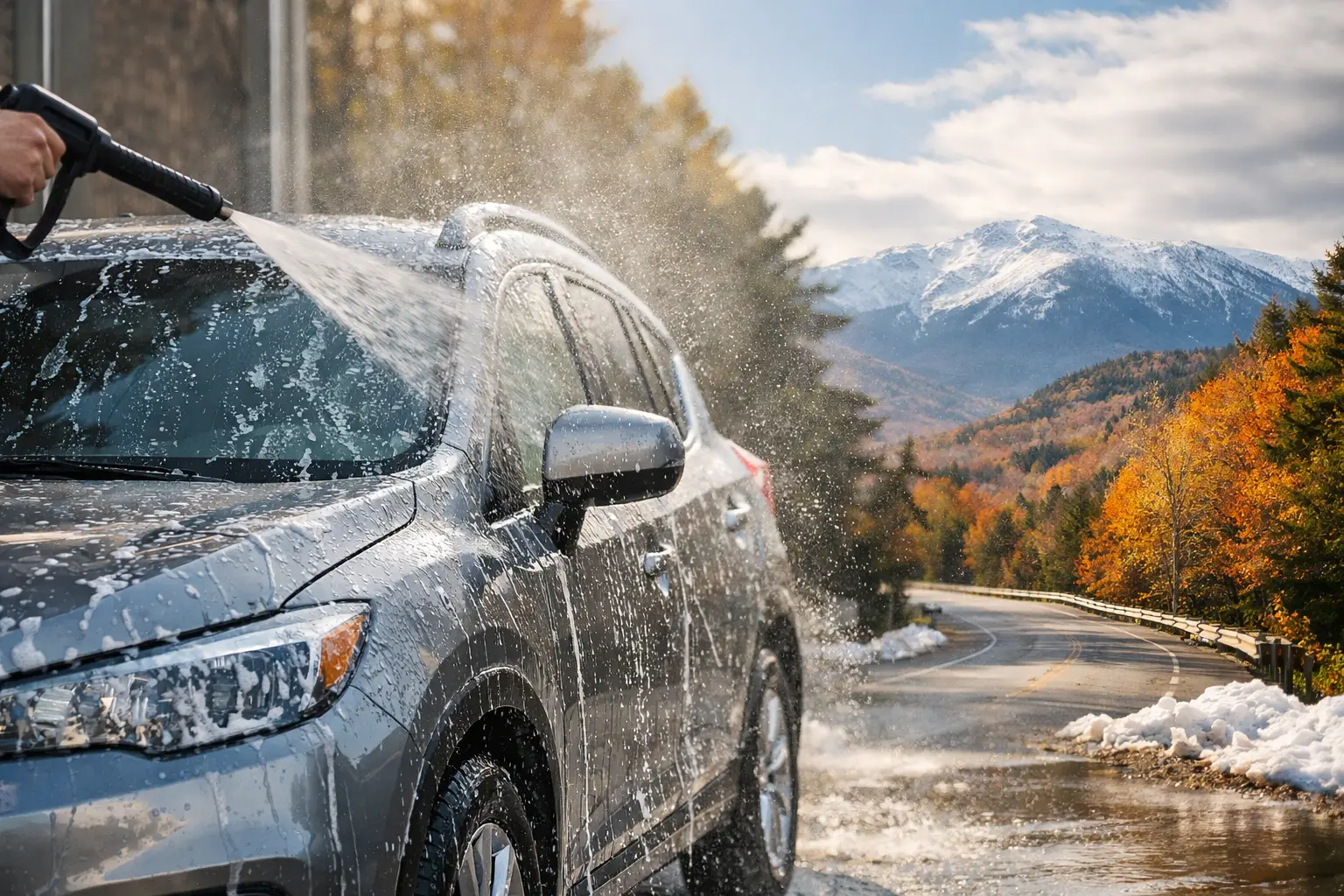
A clean car in New Hampshire can look great at breakfast and collect a new layer of salt, slush, pollen, or mud before dinner. So, when should you wash your car? The practical answer is not just “when it looks dirty.” It is when the buildup on your vehicle could start affecting its finish, visibility, or long-term condition.
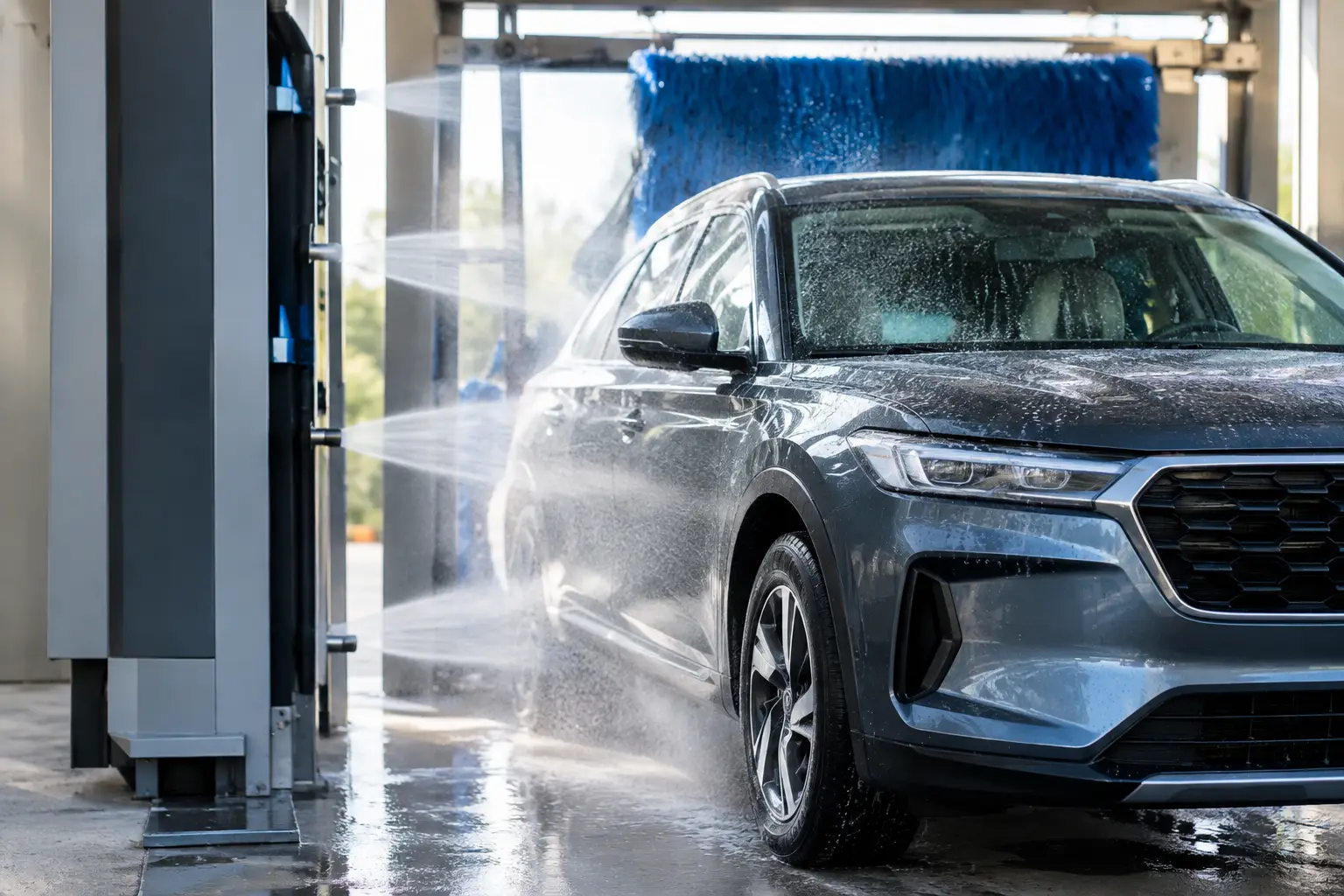
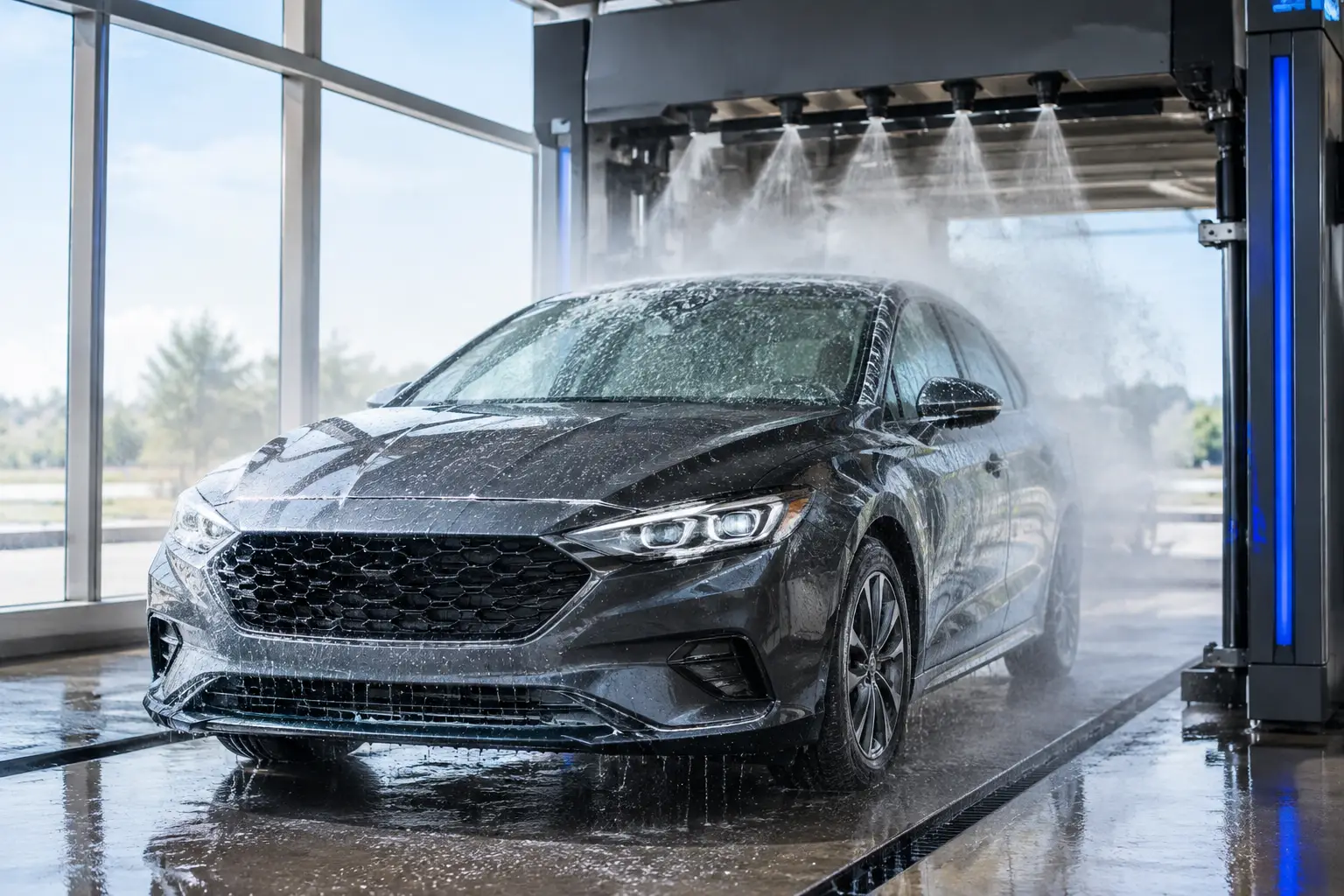
For most local drivers, regular washing is part of basic vehicle care, especially through winter and mud season. A touchless wash makes it easy to keep up without brushes making physical contact with your vehicle’s exterior. The right schedule depends on the season, where you drive, and what is on the road.
When Should You Wash Your Car? Start With the Season
A good baseline is to wash your car every two to three weeks. That works for a vehicle used mostly on regular roads in fair weather. But New Hampshire roads rarely stay in fair-weather mode for long. When salt, sand, tree debris, pollen, or muddy spray are involved, once a week can be the smarter move.
Your car does not need to be showroom-perfect before it earns a wash. In fact, waiting until grime is obvious can mean letting contaminants sit on the paint, wheels, glass, and lower body panels longer than necessary. Think of a wash as routine upkeep, not a special occasion.
Winter: Wash More Often Than You Think
Winter is the season when regular washing matters most. Road salt and brine help make winter travel safer, but they are tough on a vehicle. They collect in wheel wells, along rocker panels, behind mud flaps, and underneath the car. Left there, salty residue holds moisture against metal surfaces and can contribute to corrosion over time.
During active snow and ice season, aim for a wash about once a week, especially if you commute, travel on treated roads, or notice white residue on the doors and lower panels. After a snowstorm, wash as soon as the roads are reasonably clear and it is safe to make the trip. You do not have to wait for every last pile of snow to disappear.
A wash before a storm can help, too. Starting with a cleaner exterior makes it easier to remove the next round of winter buildup. If possible, choose a wash option that pays attention to the undercarriage area, where salt can do its quietest damage.
After Rain, Mud, and Dirty Road Spray
Rainwater can make a car look temporarily cleaner, but it is not a car wash. Rain can leave mineral spots, move grime into streaks, and combine with road film on the lower half of your vehicle. If a rainstorm leaves your car covered in splash marks or a dull layer of grit, a wash is worthwhile.
Mud deserves quicker attention. It can hide in wheel wells, build up around the lower body, and make it harder to see whether anything has been scratched or damaged. You do not need to panic over one muddy drive, but wash it off within a few days rather than letting it dry and harden for weeks.
If you travel on dirt roads, work sites, back roads, or frequently park near construction, your car may need washing more often than a vehicle that spends most of its time on paved highways. Road conditions should set the schedule, not the calendar alone.
Spring and Summer Bring Different Reasons to Wash
Spring replaces salt with pollen, mud, and tree debris. Yellow pollen can coat a car quickly, and it often mixes with rain to form a sticky film on paint and glass. Washing every one to two weeks during peak pollen season keeps visibility clear and prevents that dusty layer from becoming the new normal.
Bird droppings, bug splatter, and tree sap are also worth dealing with sooner rather than later. They are not just cosmetic. Some can bond to or dull the surface if they sit in direct sun for extended periods. A quick wash is usually easier than trying to remove dried-on spots later.
Summer driving adds road dust, brake dust, and bugs from highway trips. If your vehicle is parked outside, you may notice more buildup than a garage-kept car. A regular wash every two or three weeks is usually enough, with extra visits after long drives, beach trips, camping weekends, or any time the windshield and front end are covered in bugs.
Use Your Car as the Schedule
Instead of guessing, look for a few clear signs that it is time to wash. Salt haze on the lower doors, dirty wheels, reduced windshield clarity, and a film you can feel on the paint are all good reasons to stop in. So are fresh bird droppings, sap, mud, and heavy pollen.
The type of vehicle matters, too. A daily commuter traveling several days a week on Route 3, I-93, or local roads will collect more grime than a weekend vehicle. Families may also have a faster buildup of crumbs, pet hair, and winter mess inside. Exterior washing and a few minutes at a high-powered vacuum station can make the whole vehicle feel reset before the next busy week.
If you lease your vehicle, plan to sell it, or simply take pride in its condition, routine washing can be a small habit with a real payoff. Clean paint, clear lights, and wheels free of heavy buildup make it easier to spot problems early and help the vehicle look cared for.
Wash Before the Grime Has Time to Settle In
There is a difference between washing for appearance and washing for protection. Both are valid, but the best timing often comes before the dirt becomes stubborn. A fresh layer of pollen may wait a few days. Heavy road salt after a winter commute should not.
Try not to let contaminants sit for long during extreme heat or after repeated freeze-thaw cycles. Sun can bake residue onto paint and glass. Cold weather can turn a wet, dirty vehicle into a crusty one. The goal is not perfection. It is staying ahead of the buildup with a schedule you can actually maintain.
For many drivers, that means using a convenient wash location when errands, work, or school pickup put them nearby. At Black Dog Car Wash, touchless equipment and 24/7 access make it easier to wash on your timetable, whether that is early before work, after a late shift, or when Beau would say your car is looking a little too “ruff.”
Pick the Right Time of Day
If you are washing in warm weather, avoid doing it when the vehicle is extremely hot from direct sunlight if you can. A cooler morning, evening, or shaded time can help reduce the chance of water drying too quickly on the surface. In winter, choose a time when temperatures and road conditions make sense for driving, and give door seals and handles a quick wipe if freezing is a concern.
You also do not need to wait for a perfect weather forecast. New Hampshire weather changes quickly, and a forecasted shower is not a reason to leave salt or grime on your car for another week. Wash when the vehicle needs it, then enjoy the clean stretch you get.
A clean car is easier to see out of, easier to care for, and simply better to drive. When the road leaves its mark, do not overthink it. Give your vehicle the wash it needs and get back to your day.