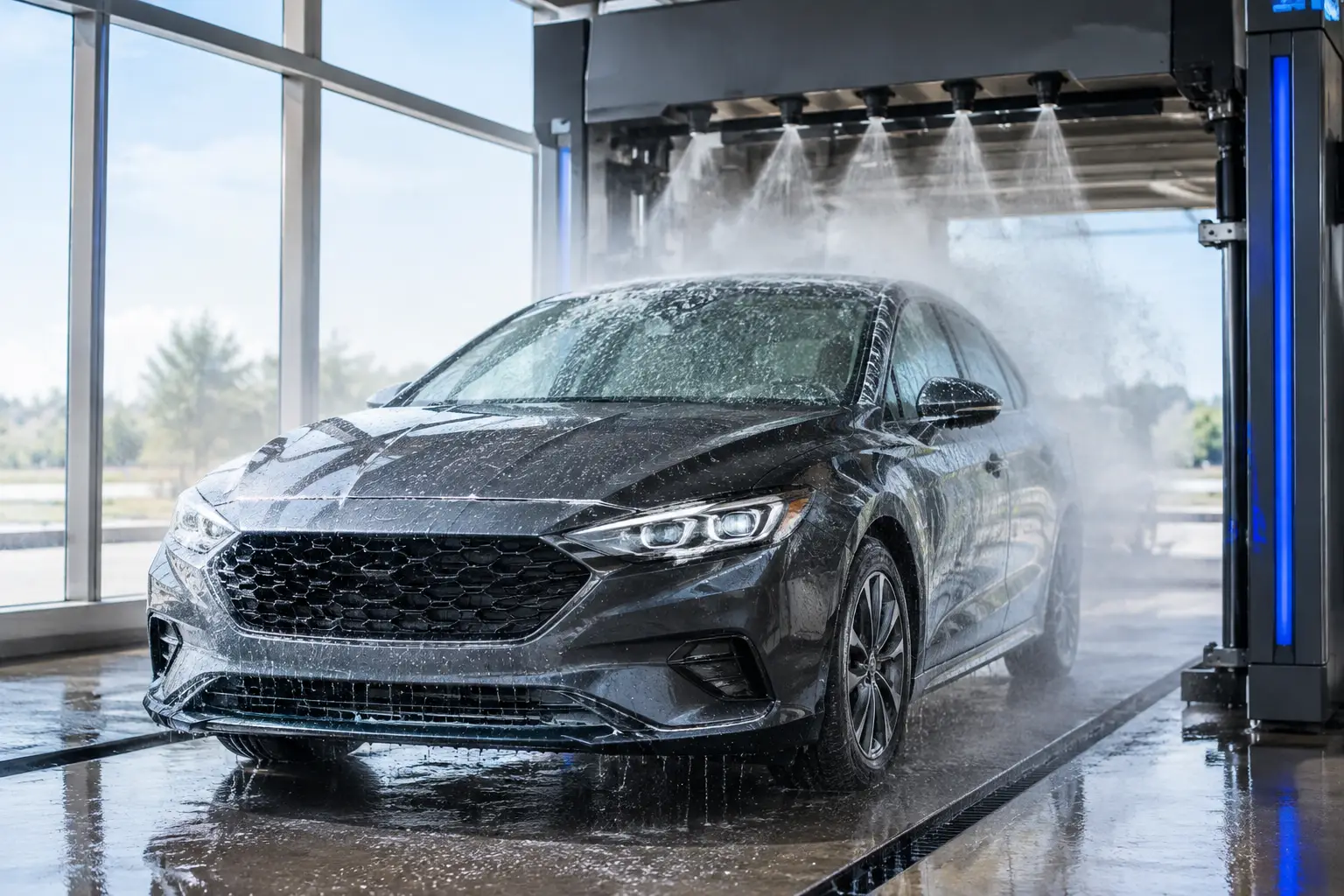
A New Hampshire commute can leave a vehicle looking rough in a hurry. Road salt sticks to lower panels, spring mud finds the wheel wells, and summer pollen seems to settle back on the paint before you get home. Touchless automation offers a practical way to keep up with that mess without sending brushes or cloth strips across your vehicle’s finish.
For drivers who want a clean car but do not have time for a hand wash, an automated touchless wash is built around a simple idea: use the right chemistry, water pressure, and timing to lift away grime. You pull in, select your wash, and let the equipment do the work. It is quick, available when you need it, and designed to clean without physical contact on the exterior.
What Touchless Automation Actually Means
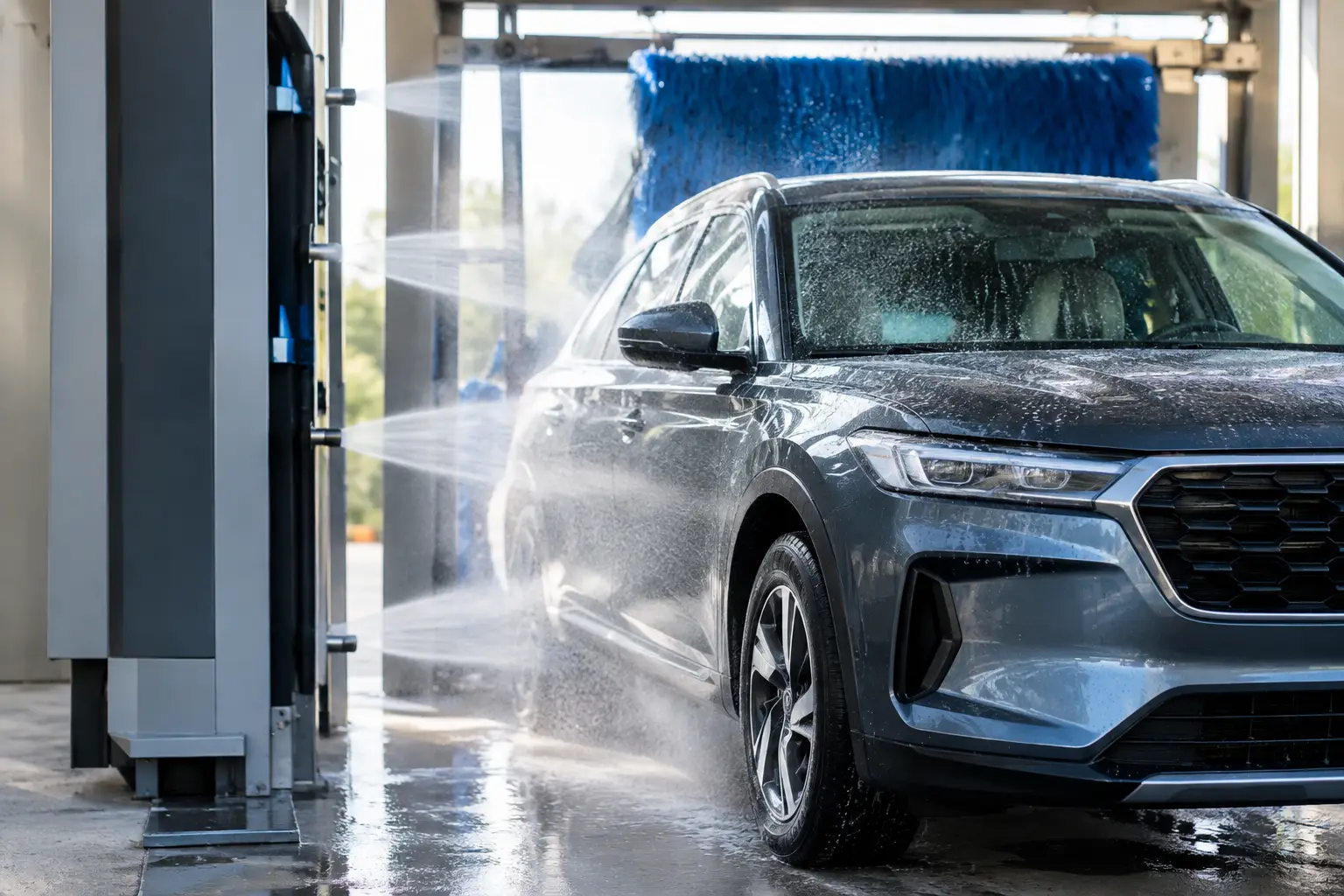
Touchless automation is not just a car wash with no employees on site. It is a wash process that uses automated equipment to apply cleaning solutions, rinse the vehicle, and dry it without brushes, rollers, or cloth materials touching the paint.
As your vehicle moves through the wash bay, sensors and programmed controls help position each stage around its shape. Pre-soak solutions are applied to loosen dirt and road film. High-pressure water removes the loosened grime, and a final rinse helps leave the exterior clean and clear. Air dryers finish the process by moving water off the surface.
The important difference is friction. Traditional friction washes rely on physical materials to scrub the vehicle. A touchless system relies on cleaning chemistry and controlled water pressure instead. For many drivers, especially those who care about protecting their paint, trim, decals, or aftermarket accessories, that difference matters.
Why New Hampshire Drivers Benefit From a Touchless Wash
New Hampshire weather rarely gives a car much of a break. Winter brings salt, sand, slush, and brine. Early spring brings muddy roads and puddles. Pollen, tree sap, rain spots, and dust take over as the weather warms up. Even a clean-looking vehicle can collect buildup underneath the doors, around the wheels, and along the rocker panels.
Regular washing is about more than appearances. Salt and road grime can cling to painted surfaces and exposed areas of the vehicle. Washing it away consistently is a sensible part of year-round vehicle care, particularly after storms, long highway drives, or days when the roads have been treated.
The 24/7 convenience of an automated wash also fits real schedules. Maybe your morning is packed with school drop-off and work. Maybe you get off a late shift, or you finally have a few minutes after running errands. A wash should not require planning your day around business hours. When the wash is available around the clock, it is easier to clean the vehicle when it actually needs it.
How a Touchless Wash Gets Results Without Brushes
A good touchless wash works in stages. Each stage has a job, and the sequence is what helps produce a clean result.
First, a pre-soak begins breaking down surface dirt, oily road film, and grime. This step gives the cleaning solution time to work before the high-pressure rinse begins. Next, carefully directed water removes the loosened material from the body panels, wheels, and other exterior areas.
A final rinse clears away remaining soap and residue. Depending on the wash package, protectants may help water bead and improve the vehicle’s finish after drying. Powerful air dryers then push water away from the exterior. You may still see a few drops around mirrors, door handles, or body seams afterward. That is normal, especially on vehicles with complex trim, roof racks, or rear spoilers.
Touchless does not mean gentle water alone. The effectiveness comes from the combination of wash chemistry, pressure, coverage, and dwell time. It also means the wash can avoid the repeated physical contact that some drivers prefer to skip.
The Vehicle-Safe Advantage of No Physical Contact
Every vehicle collects tiny particles of grit and sand. When those particles are pressed against paint by a brush or cloth, there is a possibility of creating fine marks over time. No wash method can erase every risk associated with dirty paint, but eliminating direct brush contact removes one concern from the process.
That makes touchless washing a strong choice for drivers with newer vehicles, dark paint, ceramic coatings, graphics, delicate exterior trim, or simply a desire to minimize contact during routine cleaning. It is also a practical option when you need to wash frequently during winter and do not want to overthink every trip through the wash.
There is a trade-off worth understanding. Physical-contact washes can sometimes have an advantage against deeply baked-on dirt because agitation is part of their cleaning process. A touchless wash may not remove every stubborn spot, particularly caked mud, dried tree sap, or bug residue that has been sitting for weeks. For normal road film, salt, dust, and seasonal grime, touchless technology is an effective everyday solution. For a heavily soiled vehicle, visiting more regularly is often more effective than waiting until the buildup becomes extreme.
Getting More From Touchless Automation
A few simple habits can help you get a better result from every wash. If your vehicle is covered in thick mud, knock off loose chunks before entering the bay when possible. This allows the pre-soak and rinse to focus on the dirt that is bonded to the surface instead of fighting layers of debris.
Wash soon after major winter storms or periods of heavy road treatment. Do not wait for the vehicle to look filthy. Salt buildup is easier to manage when it has less time to collect, and a quick wash after a messy drive can save you from a much larger cleanup later.
Use high-powered vacuum stations after the exterior wash when the interior needs attention, too. Sand, crumbs, pet hair, and winter grit have a way of accumulating faster than expected. A clean exterior looks even better when the cabin is not carrying half the parking lot with it.
If washing is part of your normal routine, prepaid wash bundles, gift certificates, and reloadable wash accounts can make the stop even easier. They are useful for families with multiple vehicles, commuters who wash often, and anyone who would rather keep a car-care budget simple. Beau would probably say a clean back seat is also good manners for any four-legged passengers.
What to Expect at an Automated Touchless Car Wash
The process is designed to be straightforward. Pull up to the payment area, select the wash that fits your needs, follow the entry instructions, and keep the vehicle in the indicated position. Once inside, remain in the car, keep windows closed, and follow posted guidance until the wash is complete.
Before entering, check that doors, windows, sunroofs, and truck beds are properly closed. If you have an unusual accessory, loose exterior part, or a vehicle modification you are unsure about, use your judgment and review the wash guidance first. Most everyday cars, trucks, and SUVs are well suited to automated touchless washing, but every vehicle is different.
At Black Dog Car Wash, drivers in Londonderry and Belmont can use touchless equipment and vacuum stations whenever the vehicle needs attention. The goal is not to make car care complicated. It is to give local drivers a dependable place to clear away the mess that New Hampshire roads leave behind.
A clean vehicle does not need to wait for a free Saturday afternoon. The next time salt, mud, pollen, or road film starts taking over, stop in when it works for you and let touchless automation handle the dirty work.