A clean vehicle is not just about looking good in the driveway or the office parking lot. In New Hampshire, the right vehicle cleaning frequency helps protect your paint, wheels, glass, and underbody from the salt, sand, pollen, mud, and road film that build up through the year. The good news: you do not need a complicated detailing schedule. You need a practical routine that changes with the weather and how you drive.
How Often Should You Wash Your Vehicle?
For most drivers, washing every two to three weeks is a solid baseline. That is frequent enough to remove everyday grime before it settles in, without turning car washing into another chore on the calendar.
But a calendar alone does not tell the whole story. A commuter traveling busy roads every day will collect more dirt and road spray than a vehicle used mostly for short local trips. A family SUV parked outside under trees will need attention sooner during pollen season. And winter calls for a much more frequent approach.
Think of your wash schedule as responsive rather than rigid. If the vehicle looks dirty, feels gritty, has a hazy windshield, or carries visible salt residue along the lower panels, it is time for a wash. Waiting until the entire vehicle looks gray is usually waiting longer than necessary.
Vehicle Cleaning Frequency by Season
New Hampshire gives vehicles a little of everything. One month may bring slush and road salt, while another brings dusty construction zones, bugs, tree pollen, or muddy back roads. Adjusting your vehicle cleaning frequency by season is one of the simplest ways to stay ahead of the mess.
Winter: Every 7 to 14 Days, and After Heavy Salt
Winter is when regular washing matters most. Road crews use salt and treatment materials to keep roads safer, but that residue does not disappear when the pavement dries. It sticks to rocker panels, wheel wells, bumpers, wheels, and the undercarriage.
A wash every one to two weeks is a smart target during active winter weather. If you have driven through a major storm, slush, or heavily treated roads, washing sooner is worthwhile. Focus on getting the lower part of the vehicle and wheel areas thoroughly cleaned.
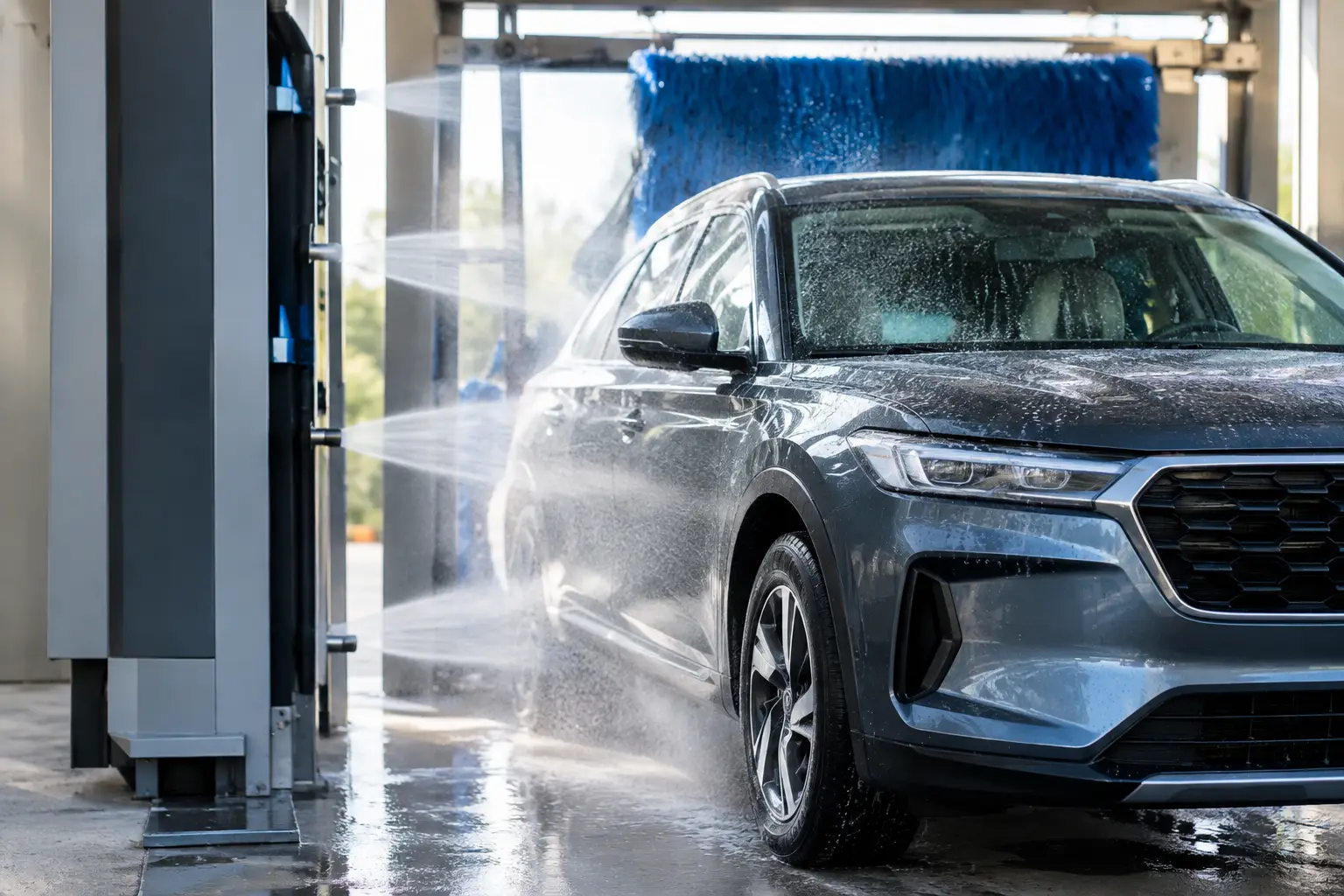
Do not wait for a warm weekend. Salt can continue working against exposed metal and finishes while your vehicle sits. A touchless wash is especially useful in winter because it can rinse away buildup without brushes making contact with salt particles on the paint.
Spring: Every 2 Weeks During Pollen and Mud Season
Spring can make a clean vehicle look dusty overnight. Yellow-green pollen lands on paint and glass, rain turns it into a film, and thawing ground sends mud onto roads and driveways. Pollen is not as urgent as winter salt, but it should not be left on a vehicle for weeks at a time.
Wash about every two weeks in spring, or more often if your vehicle is parked under trees or you notice heavy pollen buildup. Clean glass matters here, too. A pollen-coated windshield can create glare when the sun hits it, even if the rest of the vehicle does not look especially dirty.
Summer: Every 2 to 3 Weeks, With Extra Attention to Bugs
Summer driving is generally easier on a vehicle than winter driving, but bugs, bird droppings, dust, sap, and rain spots still deserve attention. Bug residue and bird droppings should be washed off promptly when possible. They can be stubborn once baked on by the sun, and leaving them in place makes the next cleaning harder.
For most summer routines, every two to three weeks works well. If you take frequent highway trips, visit the lake, drive dirt roads, or park beneath sap-producing trees, move closer to weekly or biweekly washes.
Fall: Every 2 Weeks Before Winter Arrives
Fall is the time to prepare, not pause. Leaves, rain, wet roads, and early frost all leave their mark, while changing temperatures can make grime cling to the vehicle. Keep washing every couple of weeks, and make sure the exterior is clean before winter treatment begins showing up on the roads.
A clean windshield, mirrors, headlights, and backup camera are particularly valuable as days get shorter. Visibility is part of vehicle care, not just appearance.
Signs Your Vehicle Needs a Wash Sooner
Sometimes the weather report should decide your next wash, not your usual schedule. Wash earlier when you see or experience any of these conditions:
- Salt streaks, white residue, or slush buildup around the wheel wells and lower doors
- Bird droppings, tree sap, bug splatter, or sticky residue on painted surfaces
- Mud, sand, or road grit that has collected after rain or unpaved-road driving
- Dirty windows, headlights, mirrors, cameras, or license plates that affect visibility
- A gritty feel on the paint or dark film on the rear of the vehicle after commuting
These are not cosmetic details alone. Road grime can hide scratches, make glass harder to see through, and leave contaminants sitting against exterior surfaces longer than they should.
Why Washing Too Rarely Costs More Effort
There is no prize for letting dirt accumulate. The longer grime sits, the more elbow grease it takes to remove. That is especially true for dried bugs, brake dust, sap, and winter residue.
Routine washing also makes it easier to notice issues early. You may spot a new chip, a loose trim piece, a damaged wiper blade, or a tire that looks low when the vehicle is clean and you are not looking through a layer of road film. A wash is a quick reset and a quick visual check at the same time.
There is a trade-off, of course. Washing too often with poor methods, harsh chemicals, or dirty brushes can be tough on a finish. That is why the cleaning method matters as much as the schedule. A quality touchless wash uses high-pressure water and cleaning solutions to remove dirt without physical brushes contacting your vehicle.
Do Not Forget the Interior
Exterior washing gets most of the attention, but the inside of a vehicle has its own schedule. For a typical household vehicle, a quick vacuum every two to four weeks keeps dirt, sand, crumbs, and pet hair from becoming a bigger job later.
Families, dog owners, rideshare drivers, and commuters who eat in the car may want to vacuum weekly. Winter is another exception. Sand and salt tracked onto floor mats can build up quickly, so a fast vacuum after storms or messy weeks makes a real difference.
You do not need to deep-clean the interior every time you wash the exterior. A practical approach is to vacuum regularly, wipe high-touch surfaces as needed, and plan a more thorough interior clean several times a year. Keep it manageable, and it is more likely to happen.
Build a Routine You Will Actually Keep
The best vehicle cleaning routine is one that fits your route, your weather, and your schedule. If weekdays are packed, use a 24/7 wash location when you are already out running errands or heading home. A five-minute stop after a salty commute is far easier than putting off a full cleanup for a month.
For drivers in Londonderry and Belmont, Black Dog Car Wash makes that routine easier with touchless washing and high-powered vacuum stations available around the clock. If you wash often during winter or commute daily, prepaid wash options can also take one more decision off your to-do list.
A simple rule works well: wash every two to three weeks under normal conditions, every one to two weeks during salt season, and sooner whenever your vehicle has picked up something that should not stay on the paint. Your car does not need perfection. It needs consistent care before New Hampshire roads decide otherwise.