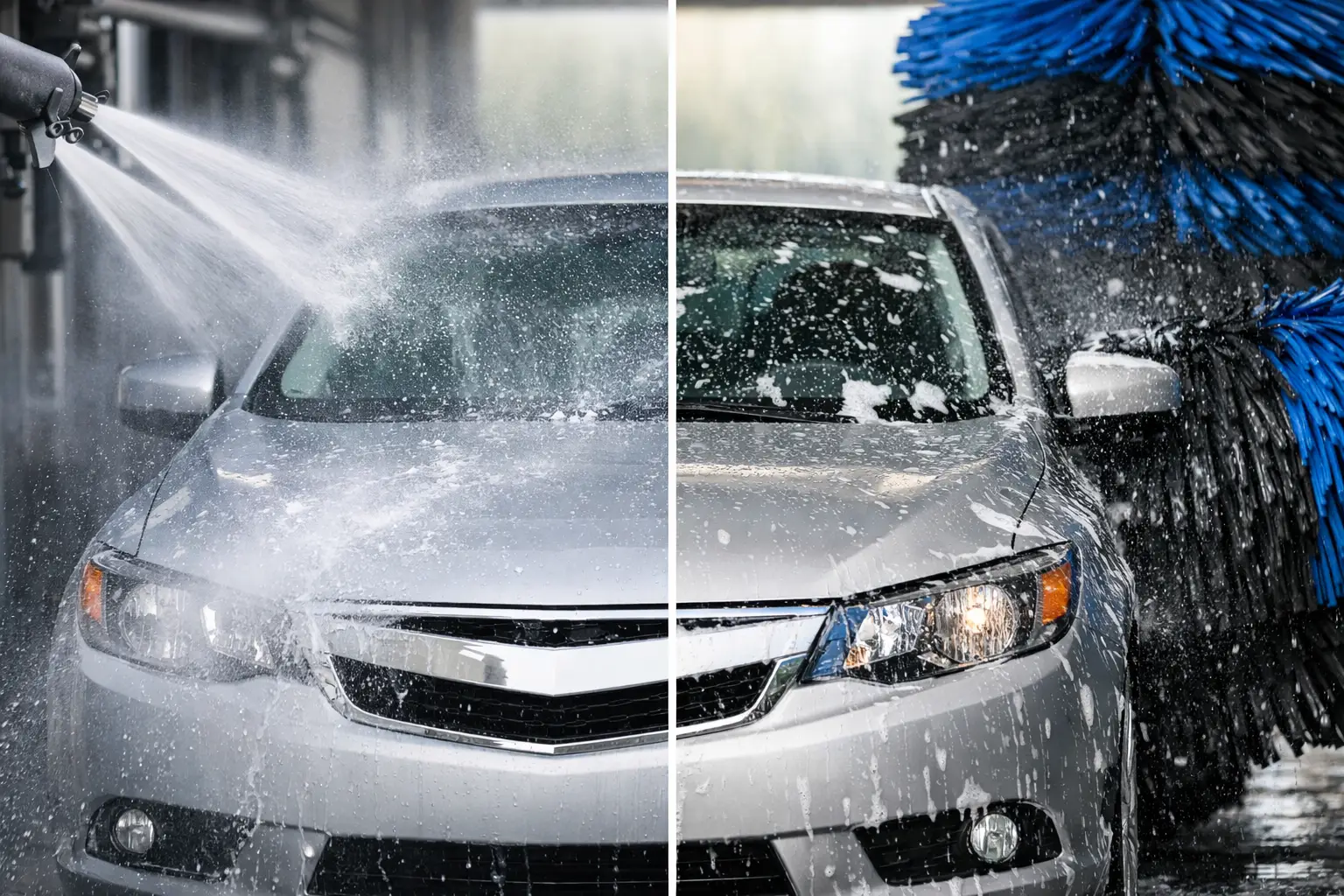
Salt on the rocker panels. Pollen on the hood. A line of muddy spray up the doors after one trip down the highway. Around New Hampshire, keeping a vehicle clean is not about showing off. It is basic upkeep. If you are weighing a touchless or soft touch wash, the real question is simple: which one gives you the clean you want without creating problems you do not want.
For most drivers, that choice comes down to two things - how the wash cleans, and what actually touches the vehicle. Both systems are common. Both can get a car looking better fast. But they work very differently, and those differences matter when you care about paint, convenience, and how often you wash.
Touchless or Soft Touch Wash: What Is the Difference?
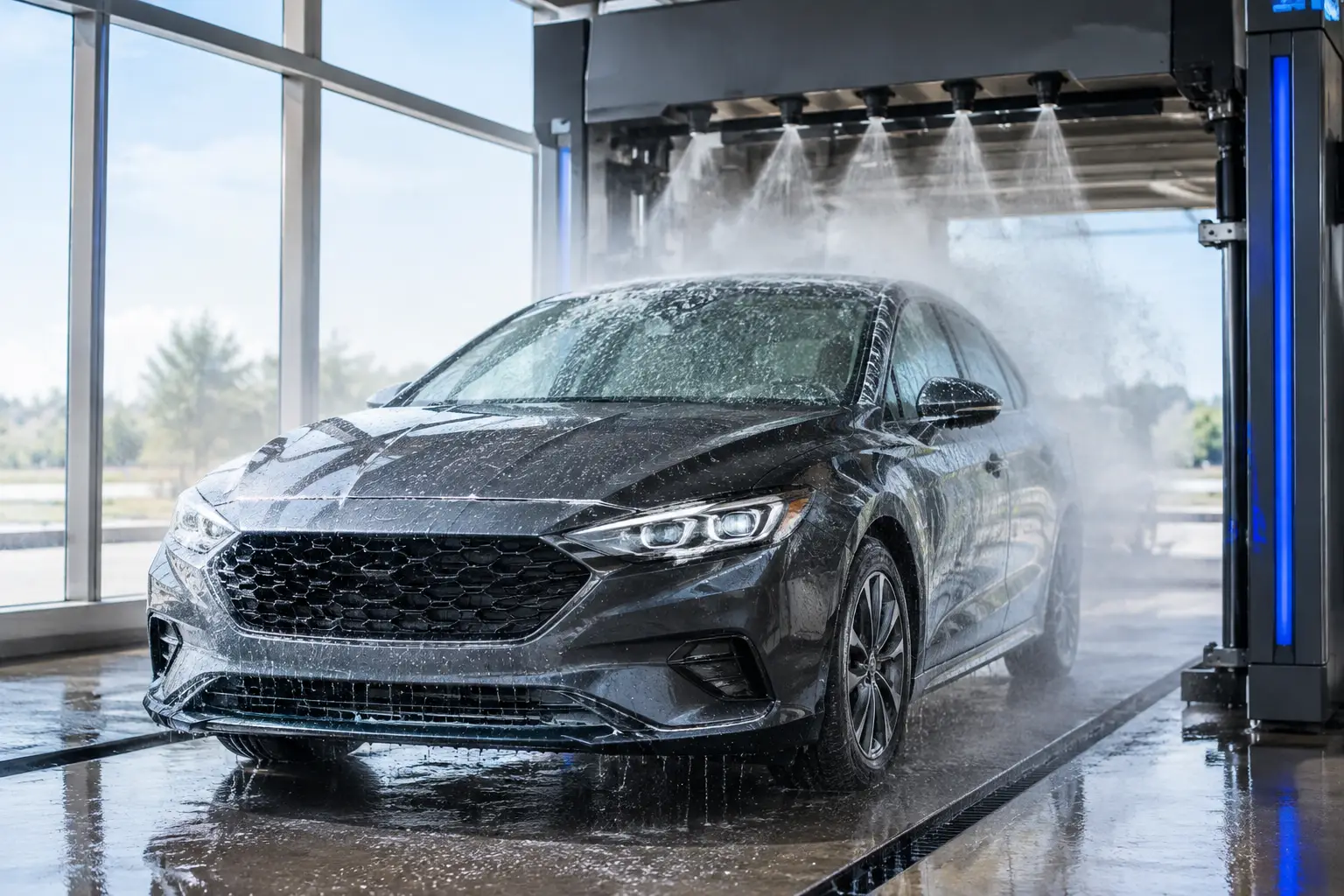
A touchless wash cleans with water pressure, detergents, and carefully timed application. No brushes, cloth strips, or spinning friction material contact the vehicle’s exterior. The cleaning power comes from the chemistry and the force of the rinse.
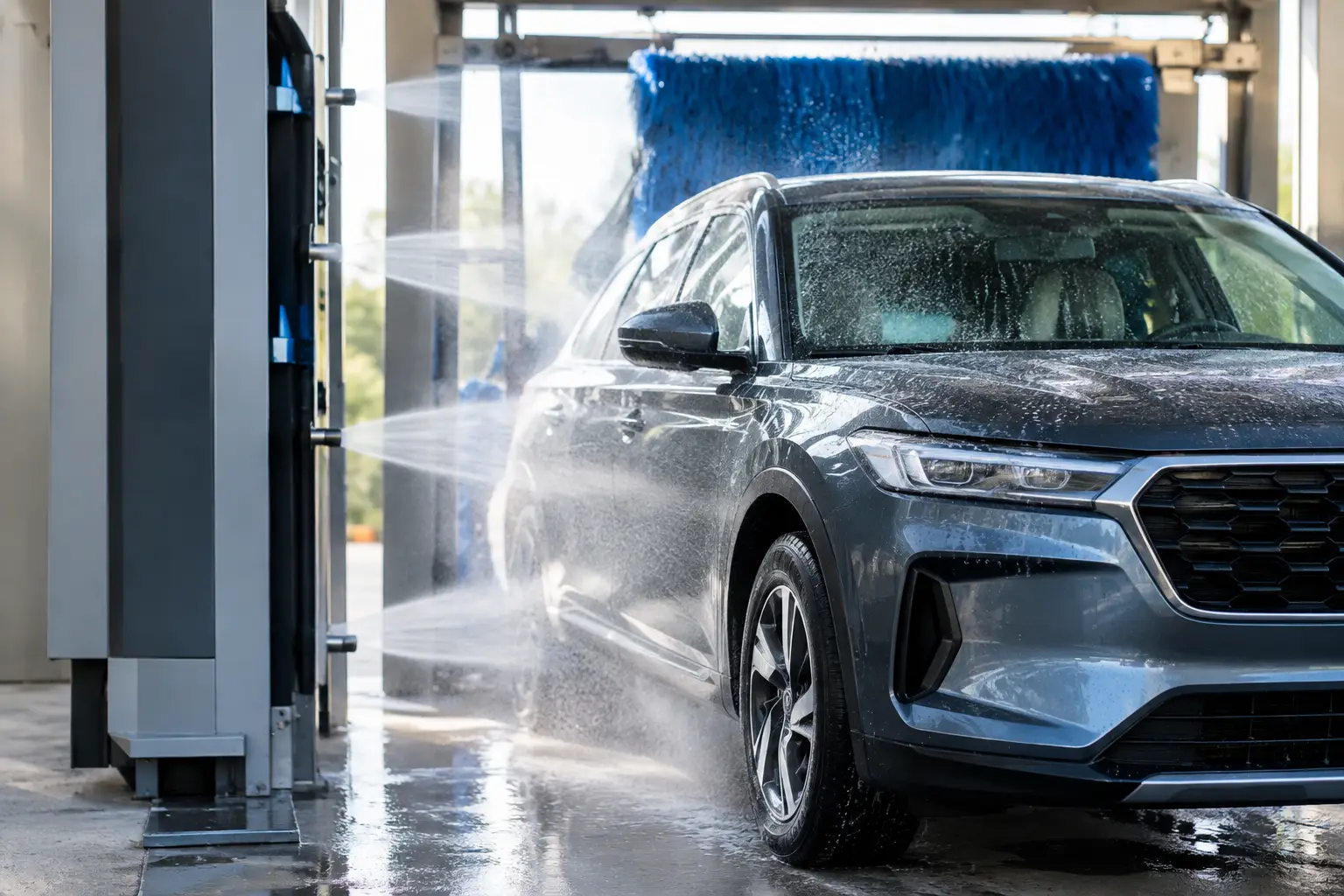
A soft touch wash uses foam or cloth materials that physically move across the surface of the vehicle while soap and water do their part. The goal is to loosen and lift away stuck-on dirt with gentle contact rather than harsh scrubbing.
That sounds straightforward, but the trade-off is where the decision gets real. A soft touch wash often has an advantage on heavily stuck debris because there is physical agitation. A touchless wash has the advantage for drivers who want to avoid anything rubbing against the finish.
If you are the kind of driver who notices every swirl mark in direct sunlight, that difference is not small. If your SUV just came through a week of snow melt, slush, and road grime, cleaning strength may be the first thing on your mind. It depends on your priorities, your vehicle, and how often you wash.
Why Many Drivers Prefer a Touchless Wash
For a lot of vehicle owners, especially those who want to be careful with paint and exterior finishes, touchless is the easier choice to feel good about. No physical brushes means no contact from wash materials across the body panels. That is the whole point, and it is why touchless systems continue to attract drivers who want a safer routine wash option.
That matters year-round, but it stands out in winter and spring. New Hampshire roads are tough on vehicles. Salt residue, sand, wet grime, and road film build up fast. When washing becomes regular maintenance instead of an occasional errand, people start paying closer attention to the method. A wash you feel comfortable using often is usually the wash that helps your vehicle most over time.
There is also a convenience factor. Touchless washes are built for speed and consistency. You pull in, the system does the work, and you get back on the road. For commuters, parents between errands, and anyone trying to squeeze car care into a busy week, that matters just as much as the shine.
At Black Dog Car Wash, that no-contact approach is exactly why many local drivers make touchless part of their regular routine. It is straightforward, effective, and easy to trust when you want to clean your vehicle without second-guessing what is rubbing against it.
Where a Soft Touch Wash Can Have an Edge
A fair comparison means saying this clearly: soft touch washes can clean very well, especially when grime is caked on. Physical contact helps remove stubborn residue that chemistry alone may not always lift as easily in one pass. If a vehicle has gone too long between washes, a soft touch system may seem more aggressive on the dirt.
That does not automatically make it the better choice. It just means friction can help when buildup is heavy. The concern some drivers have is not whether soft touch works. It is whether they are comfortable with wash materials contacting the finish, especially over repeated visits.
Modern soft touch systems are designed to be gentler than older brush-style washes people still remember, and that is worth acknowledging. But for drivers who prefer to avoid contact altogether, even a gentler friction wash is still a friction wash. That is the dividing line.
What About Cleaning Performance?
This is where expectations matter. If you wash your vehicle regularly, a touchless wash is often the smarter play. Routine washing prevents dirt, salt, and film from building into a heavier layer that becomes harder to remove. In other words, touchless tends to work best when it is part of a habit, not a rescue mission once every two months.
That is good news for anyone who already thinks practically about vehicle upkeep. Frequent washes are easier on the vehicle than letting grime sit. Road salt is not just ugly. It is corrosive. Tree sap, bug residue, and bird droppings can also become bigger issues when they stay put too long.
A touchless wash may occasionally leave behind a little more stubborn residue than a soft touch system if the vehicle is extremely dirty. That is the honest answer. But for many drivers, the trade is worth it because the wash still removes the bulk of harmful grime while avoiding physical contact with the paint.
Paint Safety Matters More Than Most People Think
A clean vehicle looks better, but the bigger issue is preserving the exterior over time. Paint, clear coat, trim, and finish all take a beating through the seasons. Every wash choice becomes part of that long-term maintenance picture.
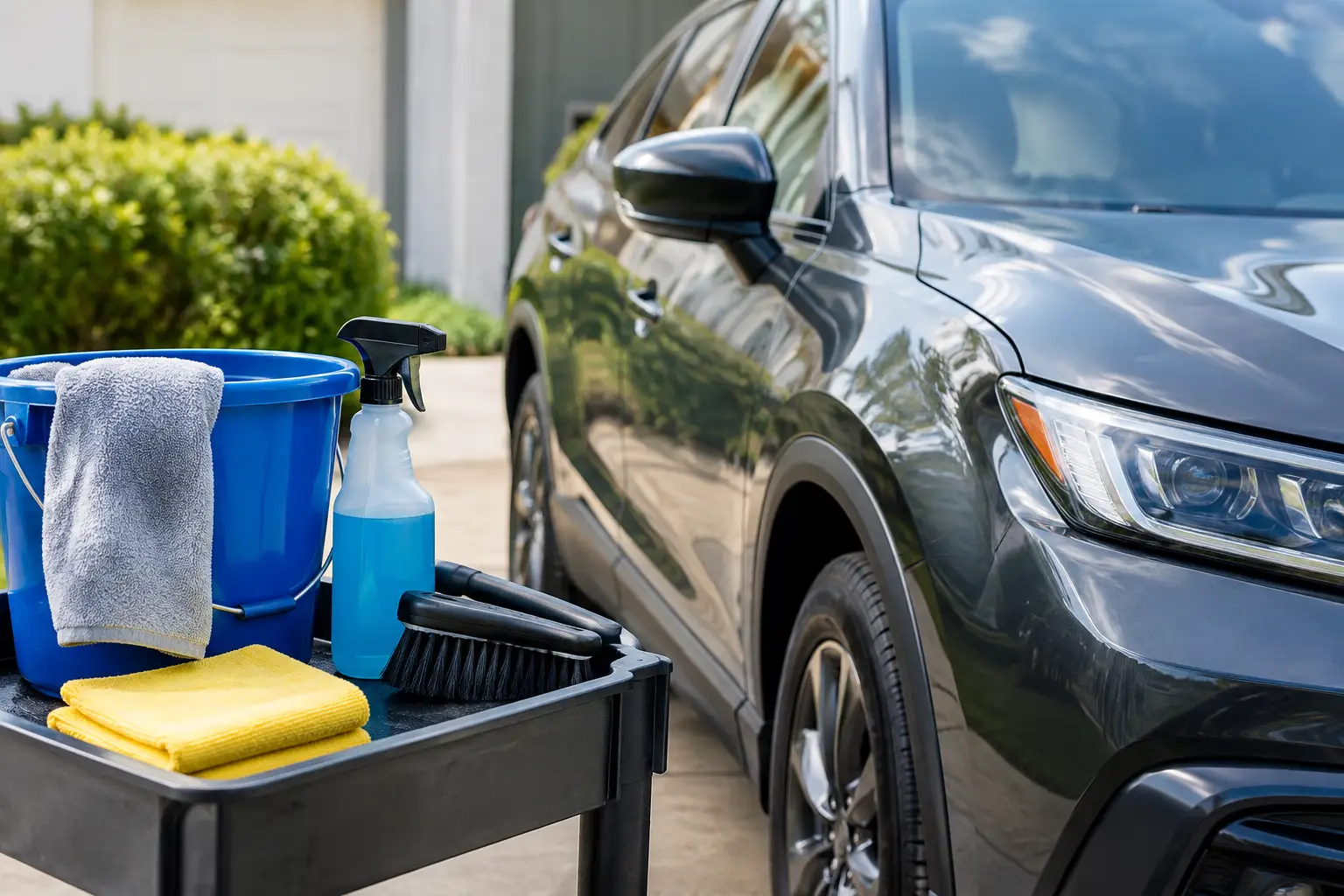
When people ask whether touchless or soft touch wash is better for paint safety, the touchless side has the clearest advantage because nothing physically rubs against the surface. That does not mean every mark on a vehicle comes from a wash. Road debris, improper hand washing, dirty towels, and even snow brushes can all leave wear behind. But limiting unnecessary contact is still a smart move.
This is especially true for newer vehicles, darker paint colors, and owners who plan to keep their cars for years. If you notice the finish and care how it holds up, touchless usually lines up better with that goal.
The New Hampshire Factor
Local driving conditions change the conversation. In warmer states, washing may be mostly about dust or rain spots. Here, there is a steady rotation of salt, slush, mud, pollen, road spray, and summer bugs. That means your best wash option is not just the one that cleans well once. It is the one you will actually use often because it is quick, convenient, and easy to trust.
That is one reason 24/7 access matters so much. Drivers do not always have time during standard business hours. Sometimes the right time to wash is after work, before a weekend trip, or right after a storm when the vehicle is covered in grit. The easier it is to stop in when your schedule allows, the easier it is to stay ahead of buildup.
A touchless system fits that real-life routine well. It gives busy drivers a fast way to keep up with conditions without turning car care into a project. Beau would probably say your vehicle cannot shake off road salt the way a dog shakes off pond water, so you might as well let the wash handle it.
So, Which One Should You Choose?
If you want the shortest answer, here it is: choose touchless if your priority is avoiding physical contact with your vehicle’s finish, washing regularly, and keeping the process quick and simple. Choose soft touch if you are more focused on friction-assisted cleaning and are comfortable with the wash material making contact with the vehicle.
For many everyday drivers, touchless is the better fit because it balances convenience, safety, and effective routine cleaning. It is not about chasing perfection with one wash. It is about using a dependable system often enough to keep your vehicle in better shape through every season.
That is the practical difference. A wash method only helps if it fits your life. If it is easy to use, available when you need it, and gives you confidence in how your vehicle is treated, you are more likely to keep coming back. And that consistency does more for your car than waiting until the grime becomes impossible to ignore.
The next time you are deciding between a touchless or soft touch wash, think beyond the soap. Think about what touches your vehicle, how often you plan to wash, and what kind of care makes sense for the roads you drive every day. The best choice is the one you will trust enough to use before the dirt gets comfortable.