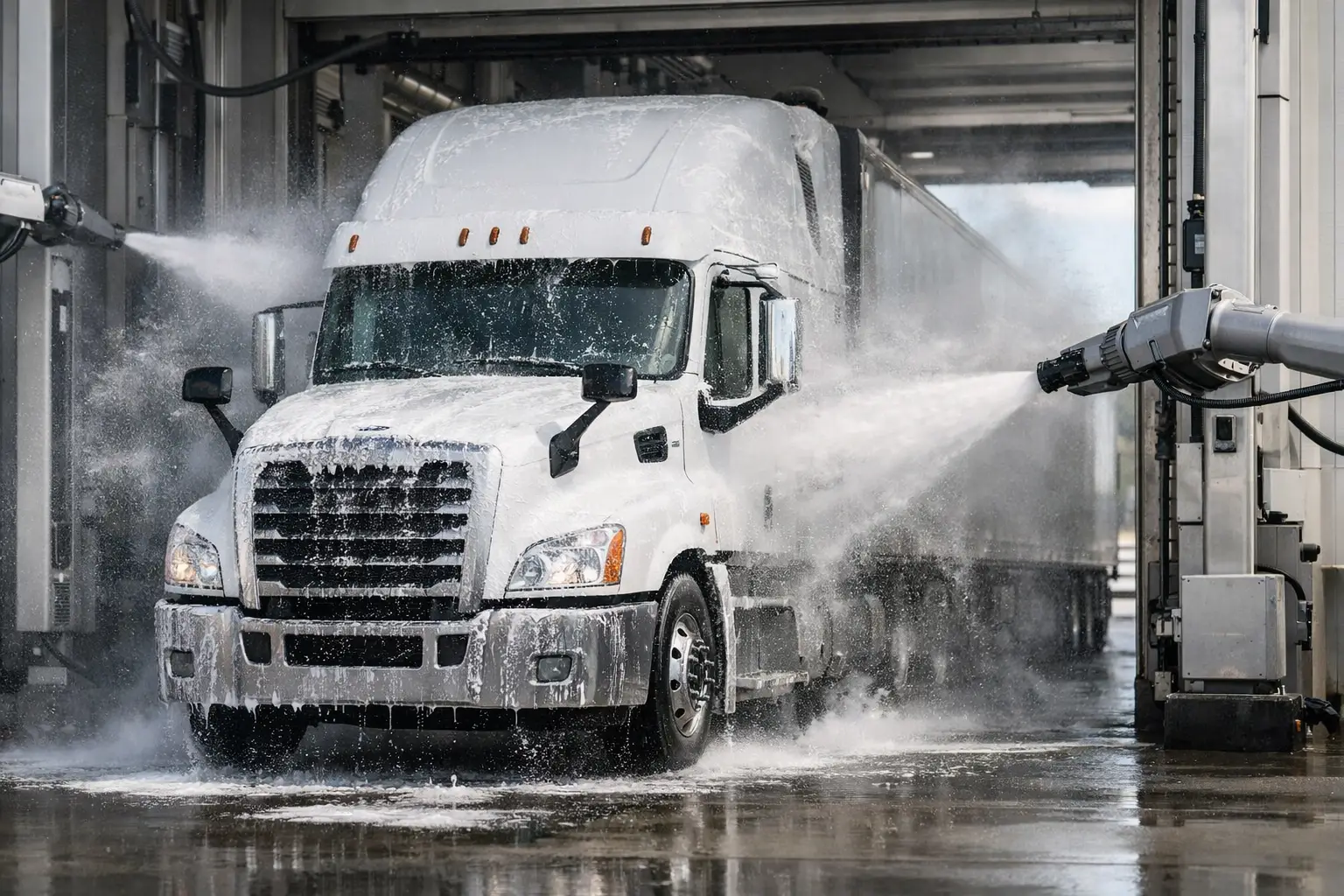
A truck can look clean one morning and collect a week’s worth of road grime by the afternoon. Salt spray, construction dust, mud, pollen, and rainy-day film build up fast on a bigger vehicle, especially on New Hampshire roads. A touchless car wash for trucks gives drivers a practical way to remove that buildup without sending brushes across the paint, trim, mirrors, and other exterior surfaces.
For commuters, families, contractors, and anyone who relies on a pickup or SUV every day, the goal is simple: get a thorough exterior clean without turning wash day into another chore. That is where touchless washing earns its place. It is fast, available when your schedule allows, and designed around cleaning power rather than physical contact.
Why trucks need regular washing
Trucks are built to work, but that does not make road grime harmless. Dirt and mud can hide the finish, while winter salt and brine can cling to lower body panels, wheels, wheel wells, bumpers, and underbody areas. Left in place, contaminants can make a vehicle look neglected and contribute to corrosion concerns over time.
The challenge is not just the amount of dirt. It is where it collects. A truck’s larger tires, higher ride height, running boards, bed rails, tailgate seams, and wheel wells give grime plenty of places to settle. After a trip through slush or a weekend on a dirt road, a quick rinse at home may not reach the areas that need attention most.
Routine washing helps drivers stay ahead of the mess. In winter, that may mean washing after storms or salty commutes. In spring, it can mean clearing pollen and mud. Summer brings dust, bugs, and road film, while fall adds leaves, rain, and debris. There is no single perfect schedule, but washing before grime has time to sit is usually the easier move.
How a touchless car wash for trucks cleans
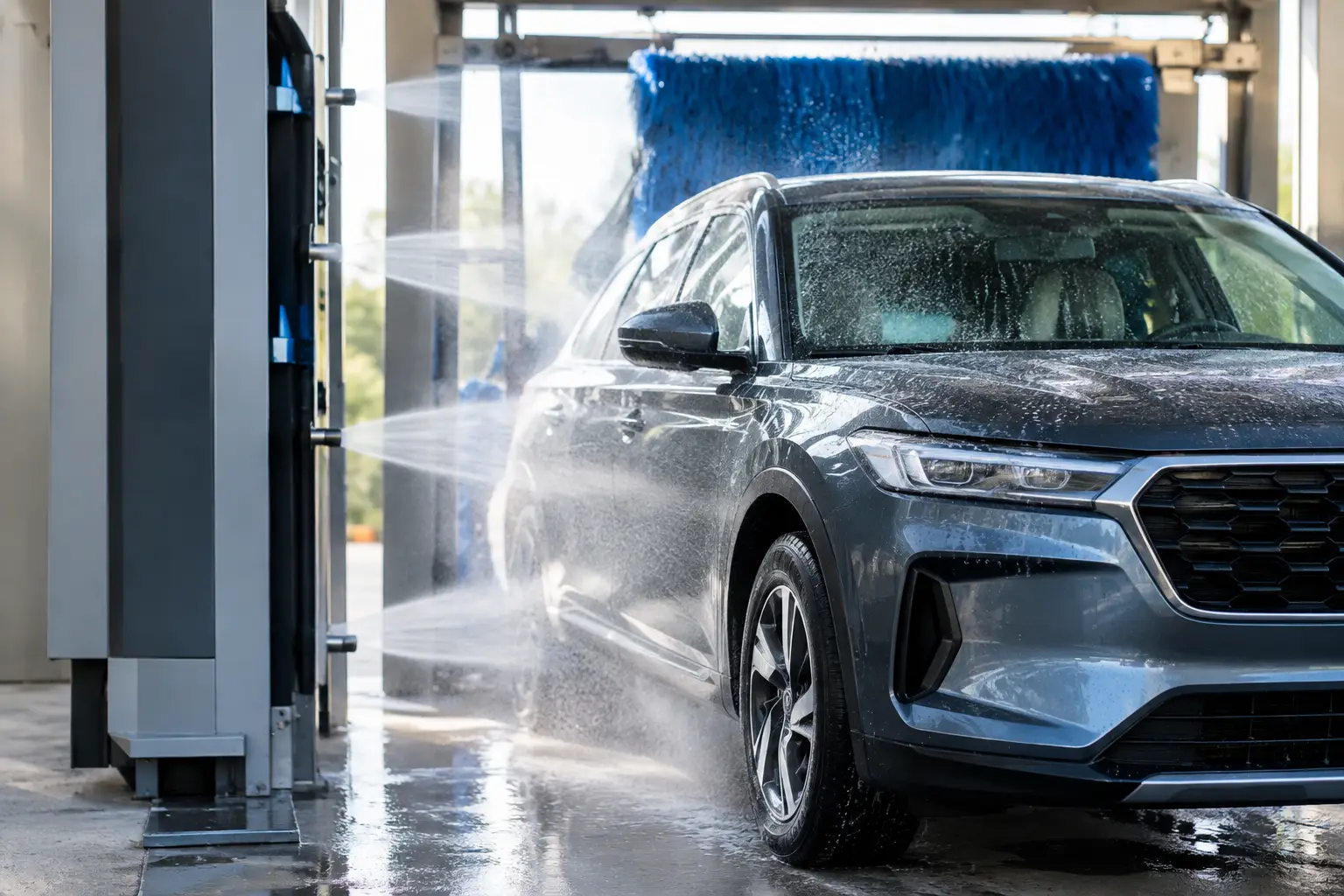
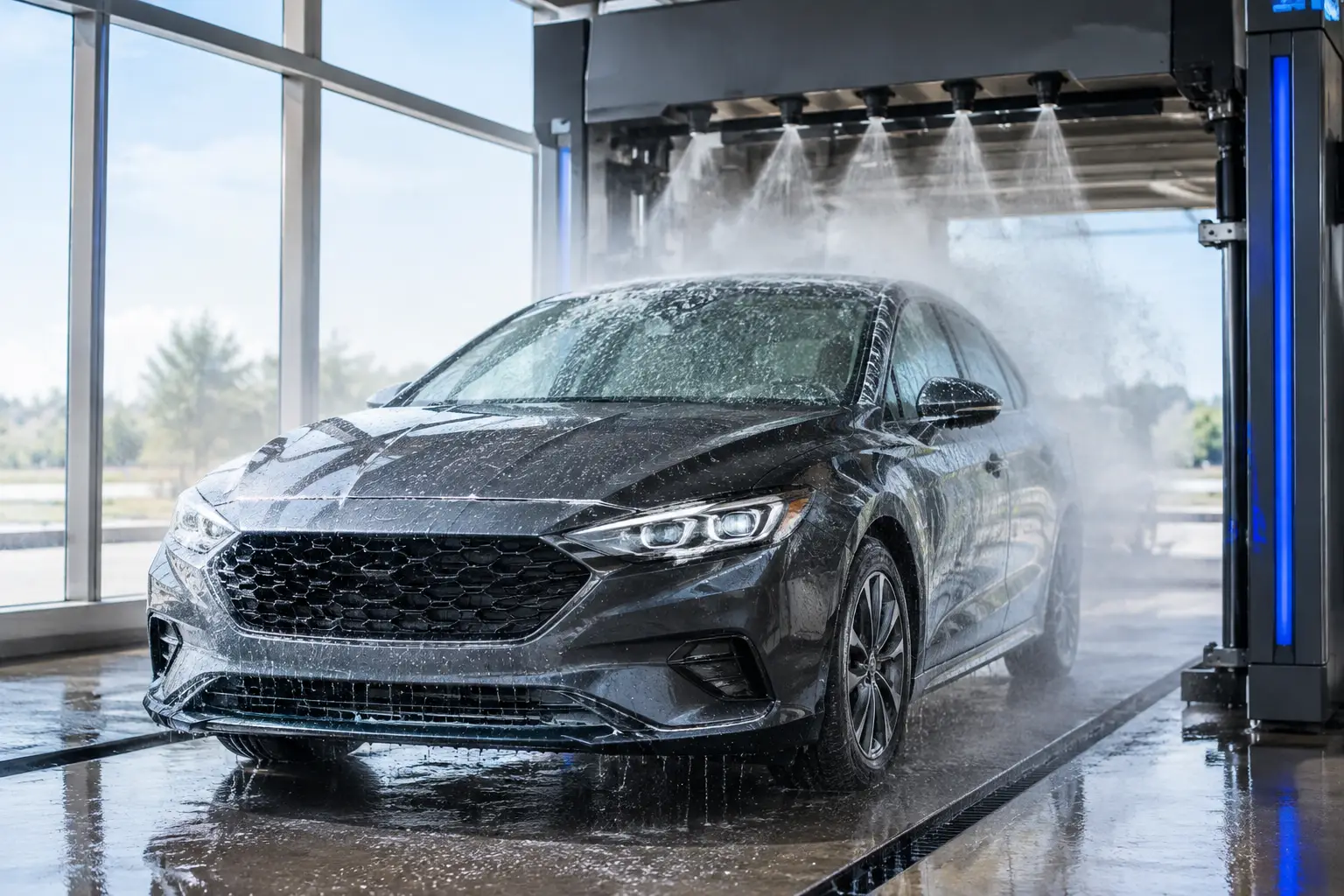
A touchless wash relies on professionally applied detergents, water pressure, and carefully timed rinse cycles rather than spinning brushes or cloth strips contacting the vehicle. The wash solution is designed to loosen dirt and road film. High-pressure water then rinses contaminants away, followed by finishing steps that can help improve the vehicle’s appearance and water behavior on the surface.
That no-contact approach is the main reason many truck owners prefer touchless equipment. Physical brushes can carry debris from previous vehicles, and any friction-based wash has the potential to create concerns for drivers who are protective of their paint, trim, decals, accessories, or aftermarket finishes. Touchless washing removes the brush-contact variable.
It is also a good fit for the realities of daily truck use. You do not need to spend an hour with a hose, bucket, and driveway runoff. Pull in, select the wash that fits your needs, and let the equipment handle the exterior cleaning. If the cab needs attention, high-powered vacuum stations can help finish the job before the next school pickup, jobsite visit, or drive home.
What touchless washing does well
Touchless washing is particularly effective for the everyday layers that make a truck look dull: road film, fresh mud, pollen, dust, salt residue, and general seasonal grime. It is a strong maintenance option for drivers who wash regularly and want a clean vehicle without physical wash materials rubbing across it.
The convenience matters just as much as the technology. A wash that is available 24/7 works around early shifts, late commutes, weekend errands, and unpredictable weather. When temperatures rise after a winter storm, many drivers want to rinse off road salt as soon as they can instead of waiting for a business to open.
For households with more than one vehicle, a touchless wash can make routine care easier to manage. Wash bundles, gift certificates, and reloadable account services can also simplify repeat visits. You spend less time figuring out payment and more time getting the vehicle cleaned when it needs it.
Where truck owners should set expectations
Touchless technology is effective, but it is not magic - and that is worth saying plainly. Thick, dried-on mud, heavy clay, tree sap, or stubborn bug residue may need more than one wash or some targeted attention. If a truck has been off-roading all weekend, a touchless wash can remove a great deal of buildup, but deeply packed mud in wheel wells and underbody areas may require a more deliberate cleanup.
The same goes for truck beds. An automated exterior wash is made for the outside surfaces it can reach safely. It will not replace clearing loose debris from an open bed, cleaning inside a bed cover, or hand-cleaning work equipment. Think of it as a reliable exterior maintenance wash, not a substitute for every specialized detailing task.
Size is another consideration. Before entering any automatic wash, drivers should make sure their vehicle fits the location’s posted height, width, and equipment guidelines. Factory pickups, many SUVs, and everyday work vehicles may be a good fit, but lifted trucks, oversized mirrors, ladder racks, roof accessories, utility bodies, dual rear wheels, and aftermarket add-ons require extra care. When in doubt, check the posted instructions before pulling in.
A smarter wash routine for New Hampshire roads
The best time to wash a truck is often before it looks completely filthy. Regular cleaning prevents grime from becoming the kind of buildup that takes extra effort to remove. For many local drivers, that means adjusting the routine by season instead of waiting for a special occasion.
During winter, focus on washing after repeated exposure to salt, slush, and brine. Pay close attention to lower panels, wheels, and wheel wells. On warmer days after a storm, a touchless wash is an easy way to clear the residue that comes with daily driving.
In spring, rain and melting snow often create muddy roads, while pollen coats dark paint and glass in a hurry. Summer calls for attention to dust, insects, and road trips. In fall, frequent rain can leave a dirty film behind even when a truck has not traveled far. A regular wash keeps the vehicle looking cared for through all of it.
There is a practical benefit beyond appearance, too. A clean windshield, mirrors, camera lenses, lights, and license plate are easier to see and use. Cleaning is part of routine vehicle care, especially when your truck handles work, family responsibilities, and long commutes.
Get more from each wash visit
A few simple habits can help a touchless wash perform at its best. Close windows fully, fold in or position accessories according to posted instructions, and remove anything loose that could shift during the wash. If your truck has a heavy layer of mud, let it soften when possible rather than allowing it to bake in the sun for days.
After the exterior wash, take a minute to inspect the areas that catch the most grime: wheel wells, running boards, the tailgate, and around the mirrors. If you use your truck for work, vacuuming out the cab regularly can make it feel just as refreshed as a clean exterior. Sand, dog hair, snack crumbs, and jobsite dust have a way of accumulating quietly.
At Black Dog Car Wash, drivers in Londonderry and Belmont can get dependable touchless cleaning whenever their schedule allows. Beau would probably tell you that muddy paws are one thing, but muddy truck doors are completely optional.
A clean truck does not need a complicated plan. Check that your vehicle meets posted wash requirements, make touchless washing part of your seasonal routine, and stop in when road grime starts taking over. The next stretch of salt, mud, or pollen is never far away - but neither is a better-looking ride.