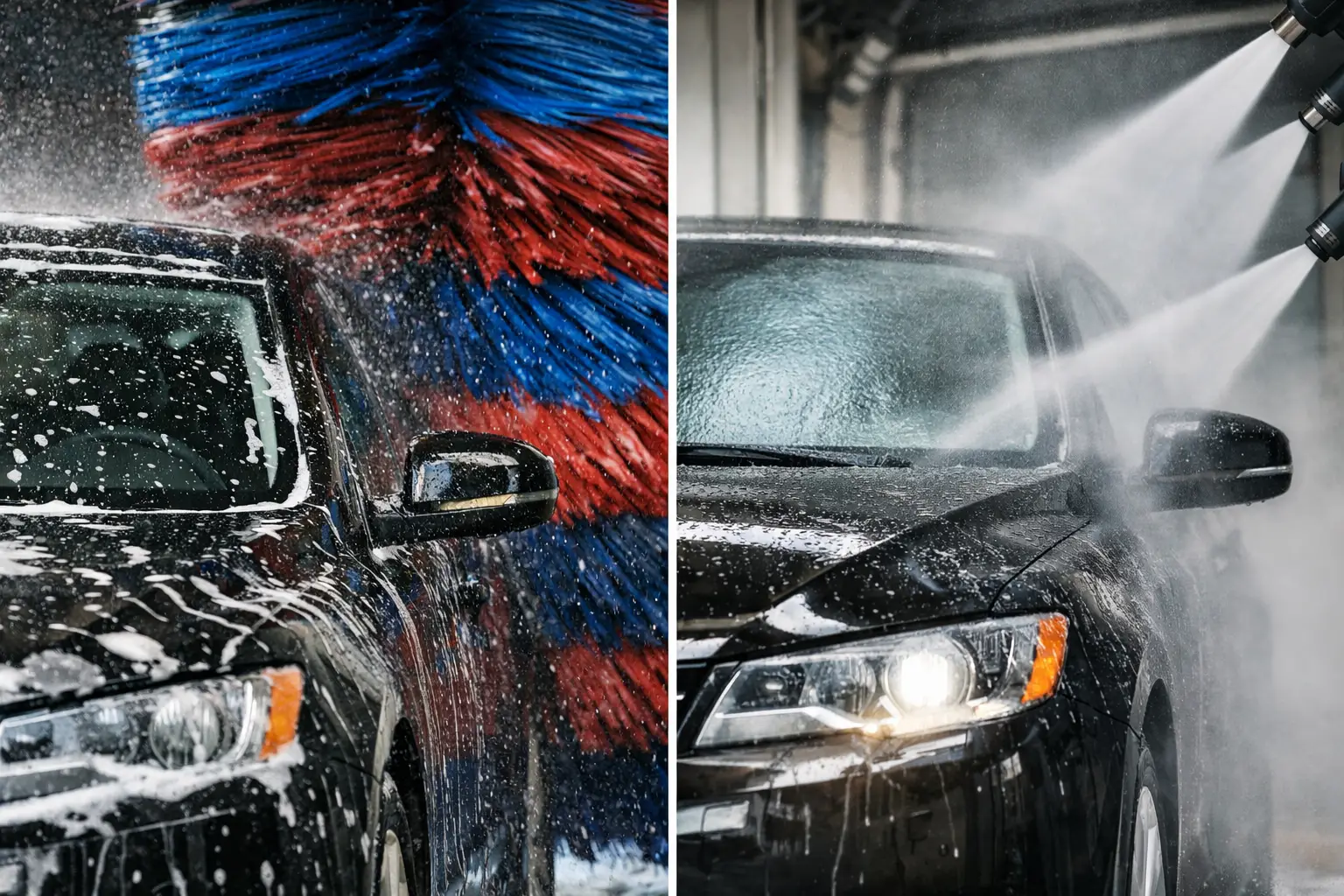
If you care about keeping your vehicle clean without second-guessing the finish, the touch vs touchless car wash question comes up fast. On the surface, both get dirt off your car. The real difference is how they do it, how that affects your paint, and which option makes more sense when New Hampshire roads are serving up salt, sand, mud, pollen, and whatever else the week throws at you.
For most everyday drivers, this decision is less about theory and more about trust. You want a wash that works, fits your schedule, and does not leave you wondering whether those spinning brushes were a little too friendly with your clear coat. That is where understanding the trade-offs matters.
Touch vs touchless car wash: What is the difference?
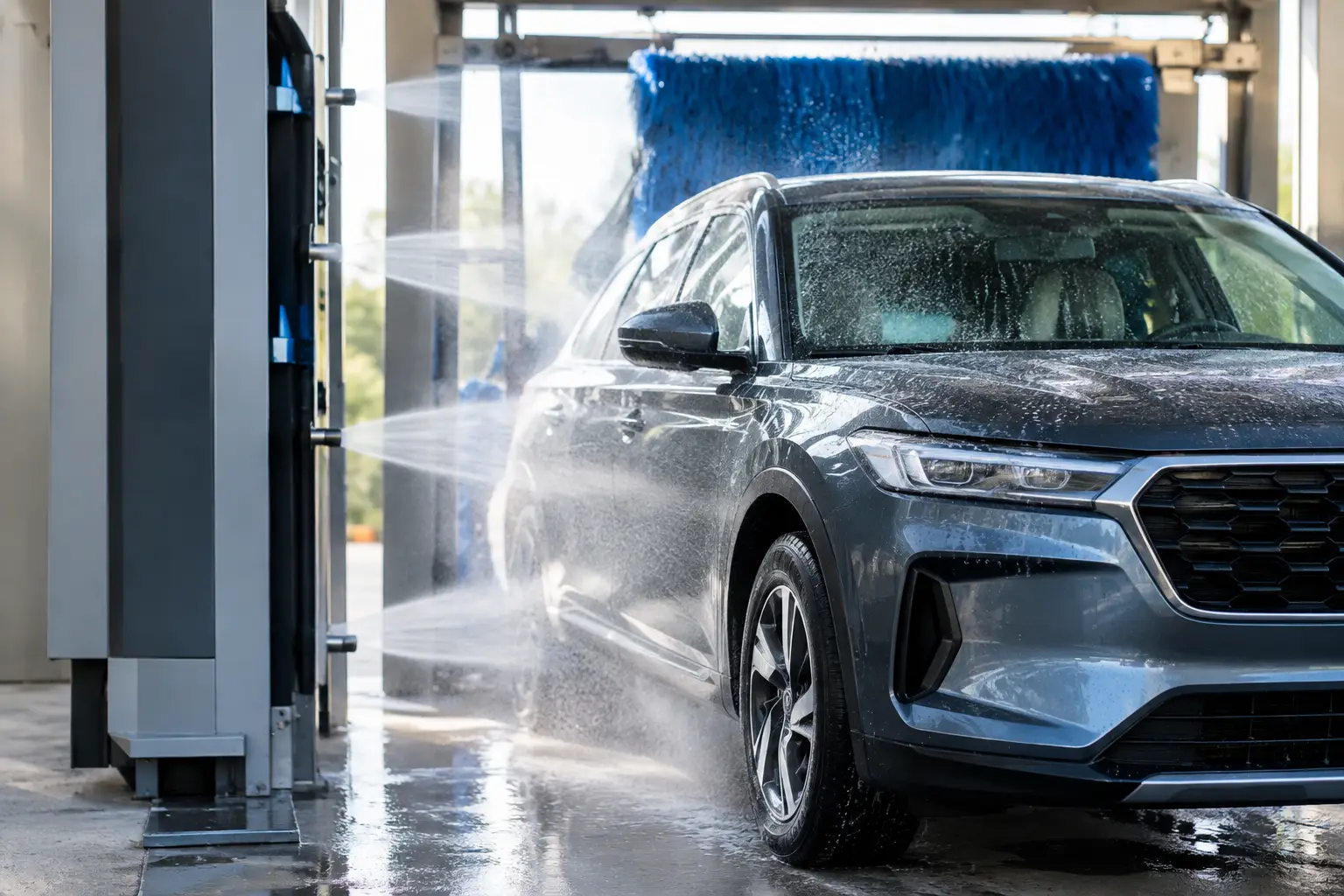
A touch car wash uses physical contact to clean the vehicle. That usually means rotating brushes, cloth strips, or friction-based components that scrub the exterior as your car moves through the wash. The contact is what helps remove stuck-on grime quickly.
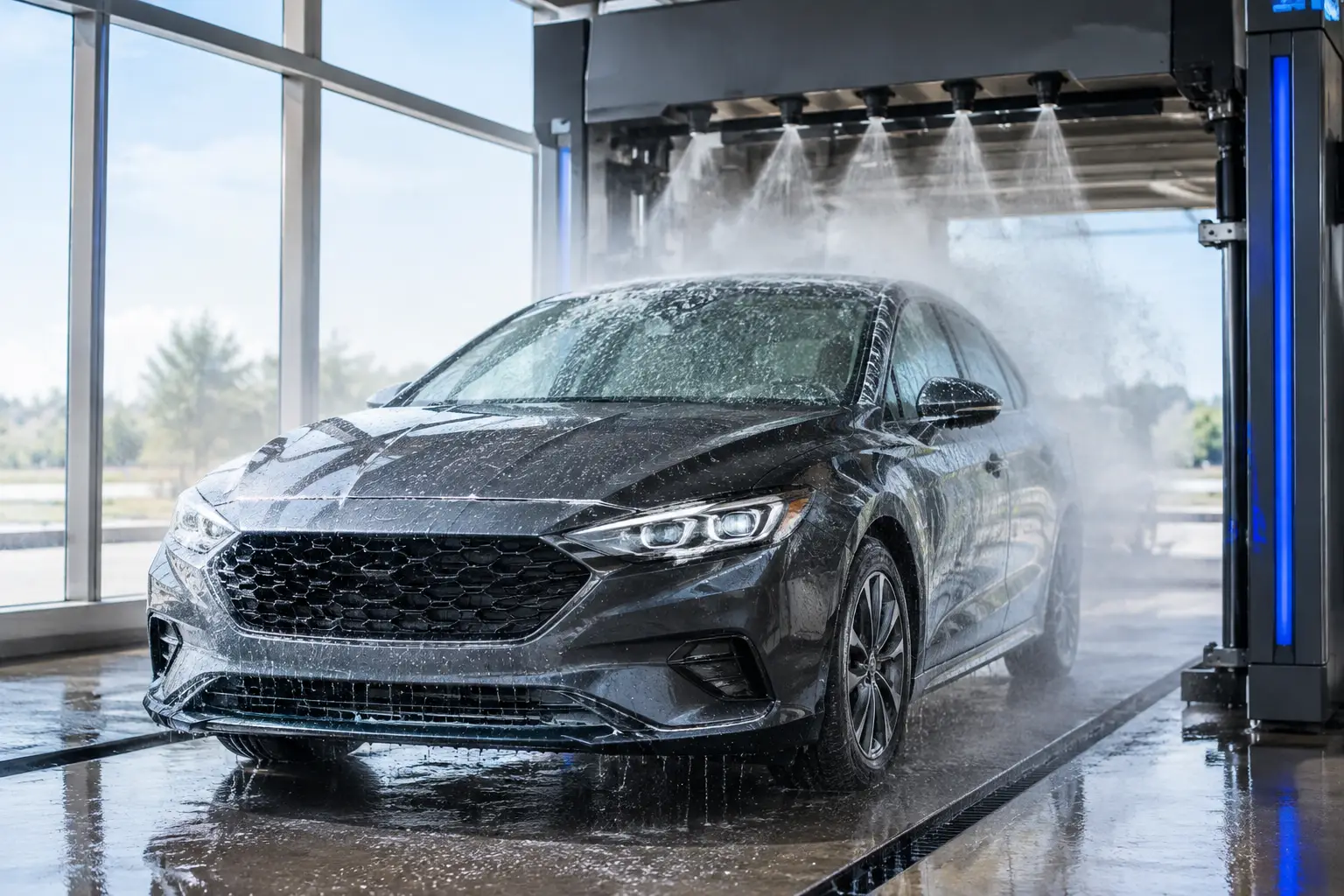
A touchless car wash skips the brushes and cloth entirely. Instead, it relies on high-pressure water, carefully applied detergents, and wash chemistry to break down dirt and rinse it away. Nothing physically rubs against the surface of your vehicle during the wash process.
That one difference changes the whole conversation. Touch washes lean on friction. Touchless washes lean on pressure and detergents. Neither system exists in a vacuum, and each has strengths. But if your priority is reducing the risk of surface contact with your vehicle, touchless has a clear edge.
Why many drivers prefer touchless
The biggest reason people choose touchless is simple: no brushes touching the paint. If you own a newer vehicle, care about your finish, or just want to avoid unnecessary contact, that matters.
Physical wash materials can pick up dirt and debris from previous vehicles. Even with maintenance and cleaning, the concern is not unreasonable. Any system that touches multiple vehicles all day has more opportunity to create light scratches, swirl marks, or wear over time. Not every touch wash causes damage, but the possibility is part of the trade-off.
Touchless removes that variable. Since there is no direct contact with brushes or cloth, drivers often feel more confident using it regularly. For commuters, families with multiple vehicles, and anyone trying to stay ahead of winter grime, that peace of mind is a real benefit.
There is also the convenience factor. Touchless systems are built for straightforward, efficient exterior cleaning. If your goal is to pull in, wash the car, hit the vacuums, and get on with your day, touchless fits that routine well. Beau would probably put it this way: if the machine can do the job without rubbing your car like a muddy golden retriever, that is a pretty good start.
Where touch washes can have an advantage
To be fair, touch washes can be strong performers when a vehicle is extremely dirty. Heavy mud, thick road film, or debris stuck on lower panels may come off more easily when friction is part of the process. The mechanical action can be effective on buildup that water pressure alone may need more effort to remove.
That does not automatically make touch the better choice. It just means there are situations where physical scrubbing can help. If you have been off-roading, skipped washes for a long stretch, or let grime bake onto the surface, a touch wash may remove some residue faster.
But that advantage comes with the same central question: are you comfortable with the contact? For some drivers, yes. For others, especially people who wash more often to prevent buildup in the first place, avoiding contact is worth more than that occasional extra scrubbing power.
Which is safer for your paint?
When drivers ask about touch vs touchless car wash, this is usually what they really want to know.
In general, touchless is the safer choice for your paint and finish because it eliminates friction from brushes and cloth materials. Less contact means less chance of swirl marks or surface scratching caused by trapped debris. If you are trying to preserve your vehicle's appearance over time, that is a meaningful advantage.
This is especially relevant for darker-colored vehicles, where light scratches tend to show more clearly. Black, navy, and charcoal finishes can reveal every little imperfection under sunlight. Touchless helps reduce the risk of adding more.
It is also a good option for drivers with concerns about decals, trim, side mirrors, or accessories that they would rather not run through a friction-based system. While modern wash equipment is designed with vehicle safety in mind, touchless naturally removes one whole category of worry by avoiding physical contact in the first place.
Which gets your car cleaner?
This is where the answer depends on the kind of dirt you are dealing with and how often you wash your vehicle.
If you wash regularly, touchless does an excellent job handling the everyday mess most New Hampshire drivers face. That includes road salt, light mud, rain film, pollen, and standard traffic grime. Frequent washing prevents heavy buildup, which makes touchless especially effective as part of normal vehicle care.
If you let grime accumulate for weeks or months, a touch wash may remove stubborn residue more aggressively because it adds friction. That can matter on extra-dirty lower panels, wheels, and rear surfaces where buildup tends to stick.
So the better question is not which system wins in every scenario. It is which system fits your habits. For drivers who wash consistently, touchless offers a strong balance of cleaning power, finish protection, and convenience. If your vehicle is caked in heavy debris after a long stretch, you may need more than one pass or extra prep no matter what type of wash you choose.
Cost, speed, and everyday convenience
Most drivers are not comparing wash systems in a lab. They are comparing them between errands, before work, after soccer practice, or on the way home when the car is covered in slush.
That is why convenience matters so much. A car wash needs to fit real life. Touchless is a practical choice for people who want a fast exterior wash without the hesitation that can come from brush contact. It is also well suited for repeat visits, which is often the smartest way to stay ahead of grime in a four-season climate.
On cost, pricing can vary by market and package, but the bigger value is often in consistency. A wash that feels safe enough to use regularly helps you avoid the cycle of letting dirt pile up until cleaning becomes more difficult. That is better for your vehicle and easier on your schedule.
For local drivers juggling weather, work, and family routines, a reliable touchless wash that is open when you need it is often the better long-term fit than a system you only use occasionally.
What New Hampshire weather changes
Road salt alone shifts this whole conversation. In winter, your vehicle is not just getting dirty. It is being coated with material that can cling to the body and undercarriage and should not sit there any longer than necessary.
That makes regular washing more important than chasing a perfect one-time clean. In cold months, many drivers are better off using a touchless wash more often rather than waiting until the car is heavily coated and then debating whether brushes might scrub harder. The same logic applies in spring mud season and during peak pollen stretches.
Frequent, convenient exterior cleaning is what keeps buildup manageable. That is one reason touchless works so well for daily drivers, commuters, and families who need a wash option they can feel good about using year-round.
So which one should you choose?
If your top priorities are paint protection, peace of mind, and easy repeat use, touchless is usually the better choice. It is a smart fit for newer vehicles, leased cars, darker finishes, and drivers who want effective cleaning without physical contact.
If your vehicle is extremely dirty and you are focused purely on aggressive scrubbing, a touch wash can have some appeal. But that comes with more potential risk to the finish, and not every driver considers that a good trade.
For most people, the best strategy is not waiting for the dirtiest possible day and then hoping one wash fixes everything. It is choosing a wash method you trust enough to use regularly. That is where touchless stands out. It keeps the process simple, reduces the concern around brush contact, and makes routine car care easier to stick with.
If you are looking for the practical answer, not the internet argument, this is it: the best wash is the one that keeps your vehicle clean and your finish protected without adding hassle to your week. Around here, that is why many drivers choose touchless and keep coming back. When your car is wearing a layer of salt like a winter badge of honor, a safe wash you can count on any time is hard to beat.