Winter does not leave a New Hampshire vehicle quietly. It leaves salt in the wheel wells, sand in the floor mats, cloudy windows, and a layer of grime that can hide the condition of your paint. This spring car cleaning checklist helps you reset your vehicle after a long season of snow, slush, mud, and daily commuting - without turning the job into an all-day project.
The best approach is to work from the outside in. Start by removing what can affect your vehicle’s finish and underbody, then move to the cabin, where spring cleaning pays off every time you get behind the wheel.
Start With a Thorough Exterior Wash
A quick rinse is better than nothing, but spring calls for a more complete wash. Road salt and brine can collect in places you do not see easily, including lower body panels, rocker panels, wheel wells, and behind the wheels. Leaving that buildup in place through wet spring weather can contribute to corrosion over time.
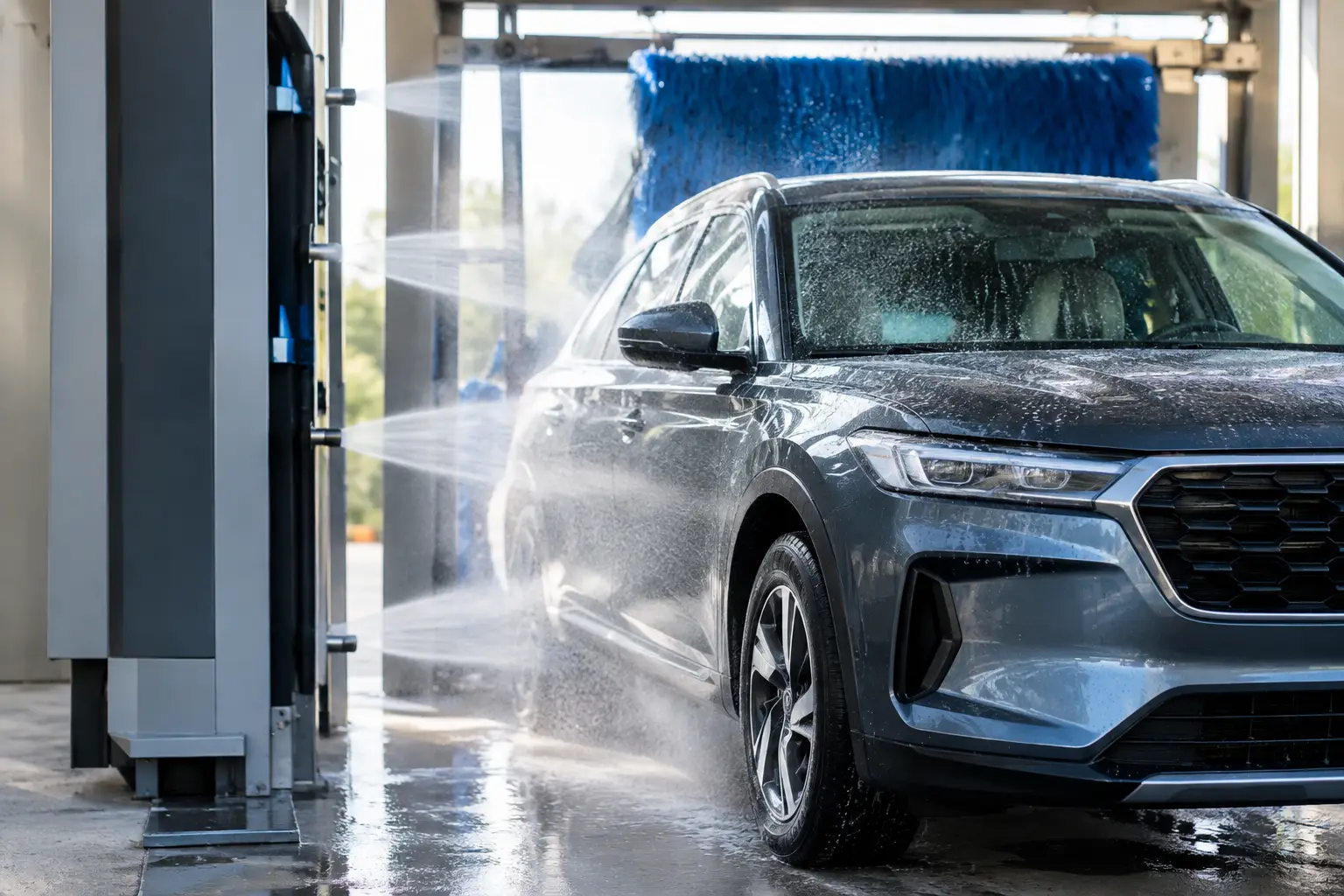
Choose a wash that gives the entire exterior a strong, even clean. Touchless washing is a practical choice for drivers who want to remove winter grime without brushes contacting the paint. It is especially useful when your car is coated in sand or grit from winter roads, since friction against dirty paint can increase the chance of fine scratches.
Pay attention to the areas that take the most abuse: the front bumper, lower doors, rear hatch or trunk area, and side mirrors. If you drive on unpaved roads or through construction zones, mud may be packed around the lower panels and wheel openings. A second wash may be worthwhile if the first visit reveals how much winter buildup was hiding underneath.
Do Not Skip the Wheels and Wheel Wells
Your wheels tell the story of a New Hampshire winter. Brake dust, salt residue, slush, and sand collect there quickly, and the wheel wells can hold onto grime long after the roads look clear.
Wash these areas thoroughly, but use care if you clean by hand. Wheels and brake components can be hot after driving, and aggressive cleaners may not be appropriate for every wheel finish. When in doubt, let the vehicle cool and use a product made for your specific wheel type.
A clean wheel well also makes it easier to spot problems worth addressing, such as a loose splash guard, damaged liner, or unusual fluid leak. Spring cleaning is not a substitute for maintenance, but it can make small issues easier to notice before they become larger ones.
Clear Out the Winter Cabin
The interior cleanup usually starts with one honest question: how much stuff has been living in the car since November? Winter coats, ice scrapers, extra boots, receipts, snack wrappers, and sports gear can pile up fast. Remove everything first, including items from door pockets, the center console, under the seats, and the cargo area.
Keep the things you still need for changing spring weather, such as an umbrella, windshield washer fluid, and a basic emergency kit. The rest can go back in the house, where it belongs. A lighter, less cluttered cabin is easier to vacuum and makes every trip feel more organized.
Then shake out the floor mats. Rubber mats are built for winter mess, but they still need a proper rinse and dry. Carpet mats need extra attention because salt stains can leave a white, crusty residue. Vacuum the carpeting underneath before putting mats back in place, especially along the driver’s side where wet shoes tend to leave the most dirt.
Vacuum Where Dirt Actually Hides
A fast pass across the seats is not the same as a full interior vacuum. Move the front seats forward and back to reach the tracks and floor areas underneath. Use the vacuum around seat edges, between cushions, door sills, cup holders, and the cargo area.
If you have kids, pets, or a regular carpool, focus on the back seat. Crumbs, pet hair, and small items often settle into places you do not see from the driver’s seat. A few extra minutes here can make a surprising difference.
Black Dog Car Wash offers high-powered vacuum stations so drivers can handle the exterior wash and cabin cleanup in one stop, any time that works for their schedule.
Clean the Glass for Safer Spring Driving
Spring sun is lower and brighter than many drivers expect after winter. A windshield that looks fine in the shade can become a glare problem when sunlight hits salt film, interior haze, or streaks left by worn wipers.
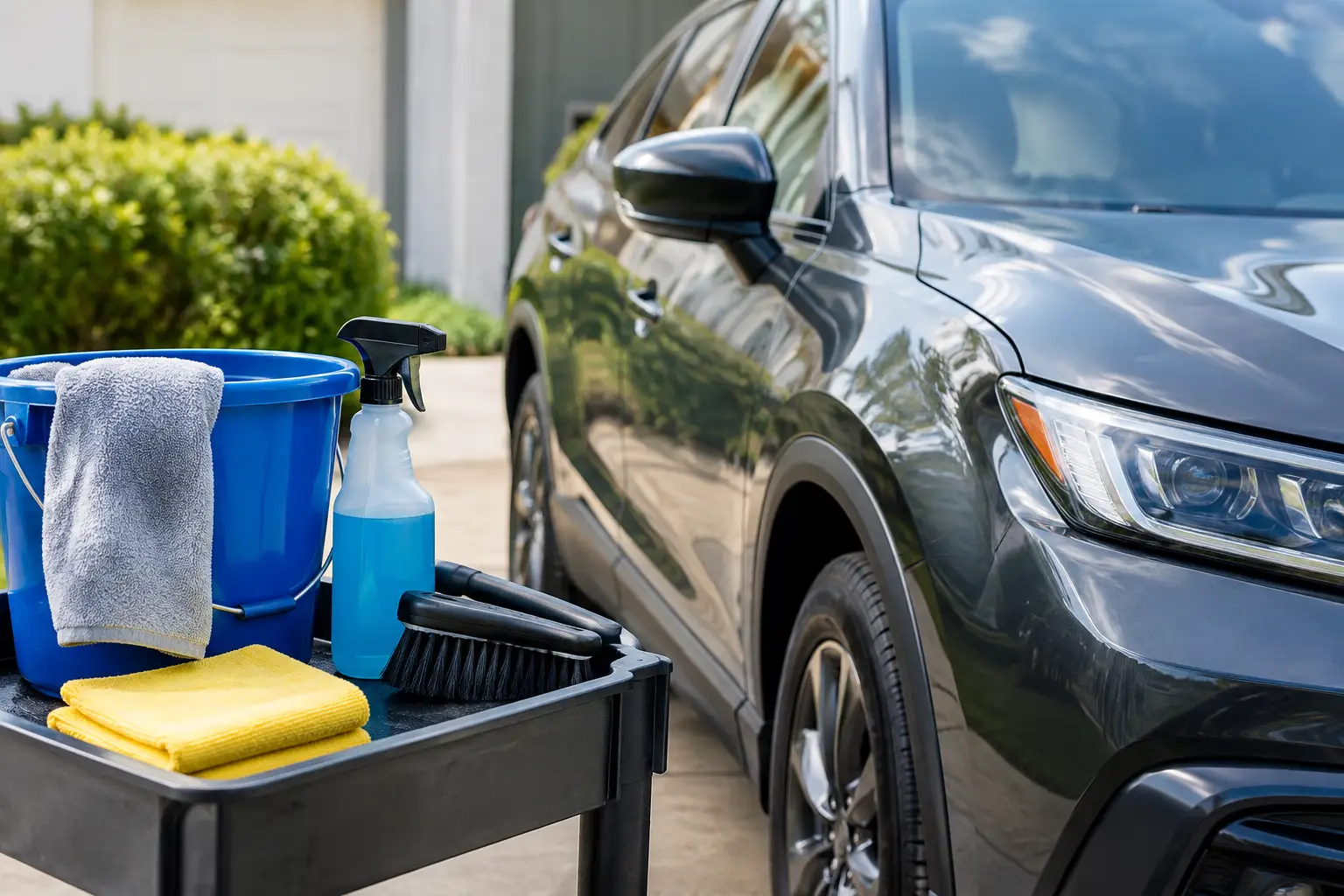
Clean both sides of the windshield, along with the rear window and side glass. The inside of the windshield matters just as much as the outside because it collects a thin film from dust, cabin air, and interior materials. Use a clean microfiber cloth and a glass cleaner designed for automotive glass. Paper towels can leave lint behind, while a dirty cloth can simply spread the haze around.
Check your wiper blades while you are there. If they chatter, skip, leave streaks, or have visible cracks, replacement is usually a smart spring maintenance move. Top off washer fluid, too. Pollen, rain, and muddy spray from the vehicle ahead can make a clean windshield disappear quickly.
Protect Paint, Trim, and Seals
Once the exterior is clean, take a slow walk around the vehicle in daylight. Look for paint chips, scratches, scuffs, and dull areas on plastic trim. Winter roads can be hard on vehicles, and catching damage early gives you more options.
Small stone chips are worth addressing because exposed metal can rust. For minor paint damage, a matching touch-up product may be enough. For deeper scratches, cracked bumpers, or peeling clear coat, a body shop can help you understand the right repair. The answer depends on the location and depth of the damage, not just how noticeable it looks.
Rubber door seals also deserve a quick inspection. Dirt and salt around the seals can make doors less pleasant to open and close, and dry rubber may stick or wear faster. Wipe the seals clean with a soft cloth. If a seal is torn, loose, or letting in water, schedule a repair rather than hoping it holds through spring rain.
Check What Winter May Have Worn Down
Cleaning gives you a clear view of the vehicle, but use the opportunity to check a few basics as well. Look at tire tread and sidewalls for uneven wear, cracks, or embedded debris. Verify tire pressure according to the sticker inside the driver’s door, not the number printed on the tire itself.
Open the hood only when the engine is cool, then check for obvious signs of trouble: low fluid levels, chewed wiring, loose caps, or debris near the cowl area below the windshield. Spring is also a good time to make sure your registration, insurance card, and roadside-assistance information are current.
You do not need to become your own mechanic. The goal is to notice changes early and bring concerns to a trusted service professional before a busy summer schedule makes them easier to put off.
Your Spring Car Cleaning Checklist
Before you call the job finished, make sure you have covered these practical spring reset items:
- Wash the exterior, including lower panels, wheel wells, and wheels.
- Remove winter clutter from the cabin and cargo area.
- Vacuum seats, carpets, floor edges, and areas beneath the seats.
- Clean interior and exterior glass, then inspect wiper blades.
- Rinse and dry floor mats before returning them to the vehicle.
- Check paint, trim, door seals, tires, and fluid levels for winter wear.
- Restock essentials such as washer fluid, an umbrella, and your emergency kit.
A clean car is easier to enjoy, but it is also easier to maintain. Make a spring wash part of your regular routine, especially after muddy rainstorms or late-season road treatment. Your vehicle has already carried you through winter. A little attention now helps it look ready for every mile ahead.