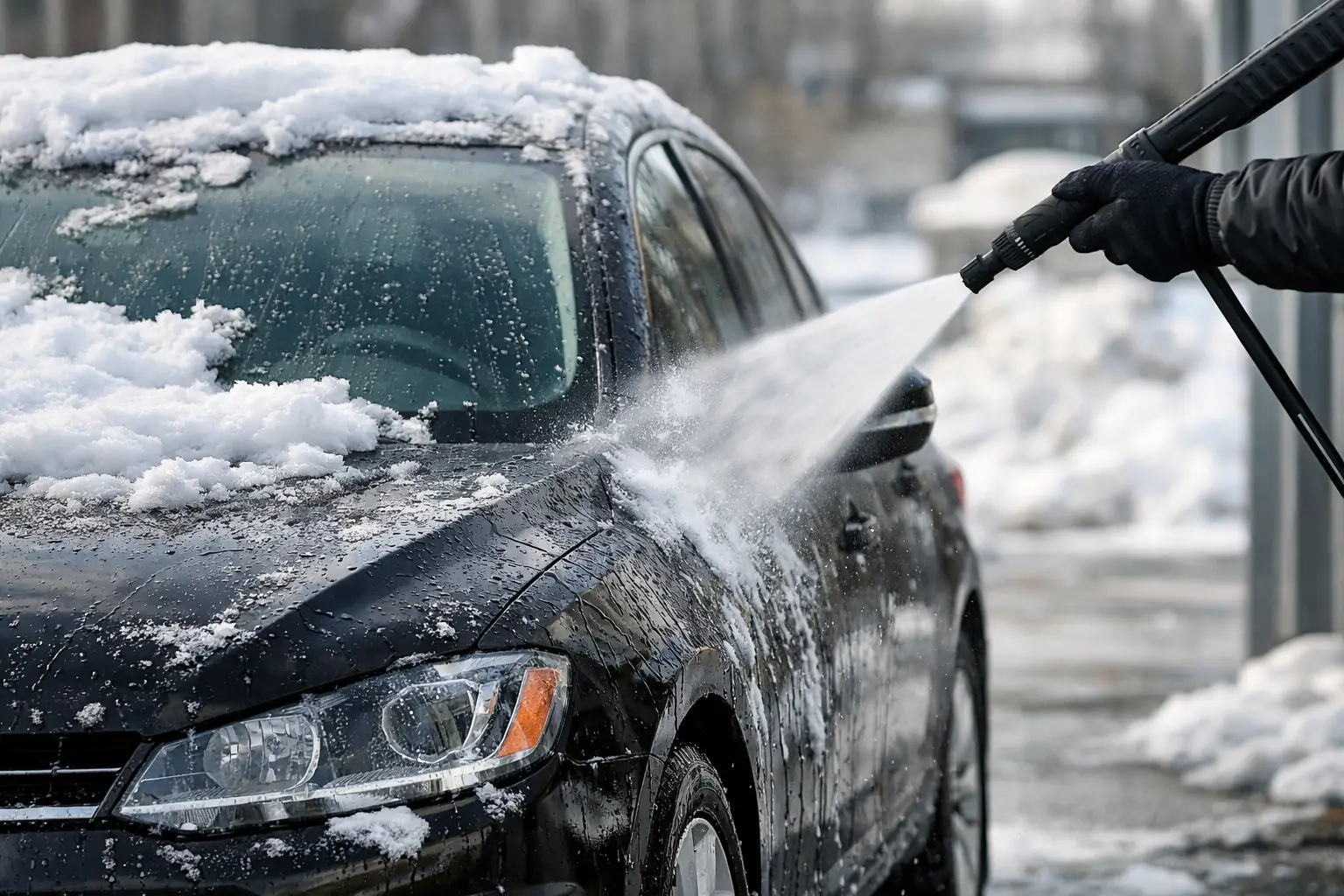
You can usually tell which cars have been through a New Hampshire snowstorm by the white crust building up along the doors, wheel wells, and back bumper. That chalky mess is more than ugly. If you are wondering should you wash car after snow, the short answer is yes - and sooner is usually better.
Snow itself is not the main problem. Road salt, sand, brine, slush, and dirty spray are what stick to your vehicle and start causing trouble. Winter roads are rough on paint, metal, trim, and visibility. Let that buildup sit too long, and you are giving corrosive grime extra time to do its job.
Should You Wash Car After Snow in New Hampshire?
Yes, in most cases you should wash your car after snow, especially if the roads were treated before or during the storm. In New Hampshire, that often means salt and liquid de-icer are sitting on your vehicle even when the body still looks only mildly dirty. A quick rinse is helpful, but a proper wash matters more because winter grime tends to cling to lower panels, wheels, and the undercarriage.
The reason is simple. Salt lowers the freezing point of water, which helps keep roads passable, but it is hard on vehicles. Once it sticks to your car, it mixes with moisture and keeps metal surfaces in a damp, corrosive state. That is how small chips, exposed edges, and hidden seams can turn into bigger problems over time.
If Beau were weighing in, he would probably say winter salt belongs on the road, not on your fenders.
What Snow Residue Actually Does to Your Car
Most drivers think first about rust, and that is fair. Salt can speed up corrosion on the underbody, brake components, suspension parts, and any area where protective coatings have been worn down. But winter residue creates other issues too.
Paint takes a hit when abrasive grit and slushy grime stay on the surface. Every time you brush against it, wipe it dry, or open a dirty hatch, you risk rubbing that grit around. Visibility also suffers. Salt film on windows, mirrors, headlights, and taillights reduces clarity and makes winter driving more stressful than it already is.
Door jambs, wheel wells, and rocker panels are especially vulnerable because they collect heavy spray. Those are easy areas to ignore when it is cold out, but they are often where winter buildup gets thickest.
When You Should Wash Your Car After Snow
The best time is after the roads have been cleared enough for driving and temperatures allow for a safe wash. You do not always need to race out the second flakes stop falling, but waiting a week or more after every storm is not a great plan either.
A good rule is to wash after any storm where roads were salted or treated, and especially after periods of repeated slush and highway driving. If your car has a visible white film, dirty lower panels, or heavy wheel well buildup, it is time.
There is some nuance here. If temperatures are extremely low and everything is freezing solid, timing matters. In that case, aim for the warmest part of the day or the first reasonable weather window. The goal is not perfection after every storm. The goal is to avoid letting corrosive residue sit for long stretches.
Is It Bad to Wash a Car When It Is Cold?
Not necessarily. The bigger question is how cold, and what kind of wash you are using. Washing a car in winter can be completely fine when the facility is set up for cold-weather operation and the wash process is designed to remove grime without beating up your finish.
Problems usually happen when drivers try to wash at home in below-freezing conditions. Water can freeze on the surface, around door seals, and in locks almost immediately. That turns a simple cleanup into an annoying afternoon.
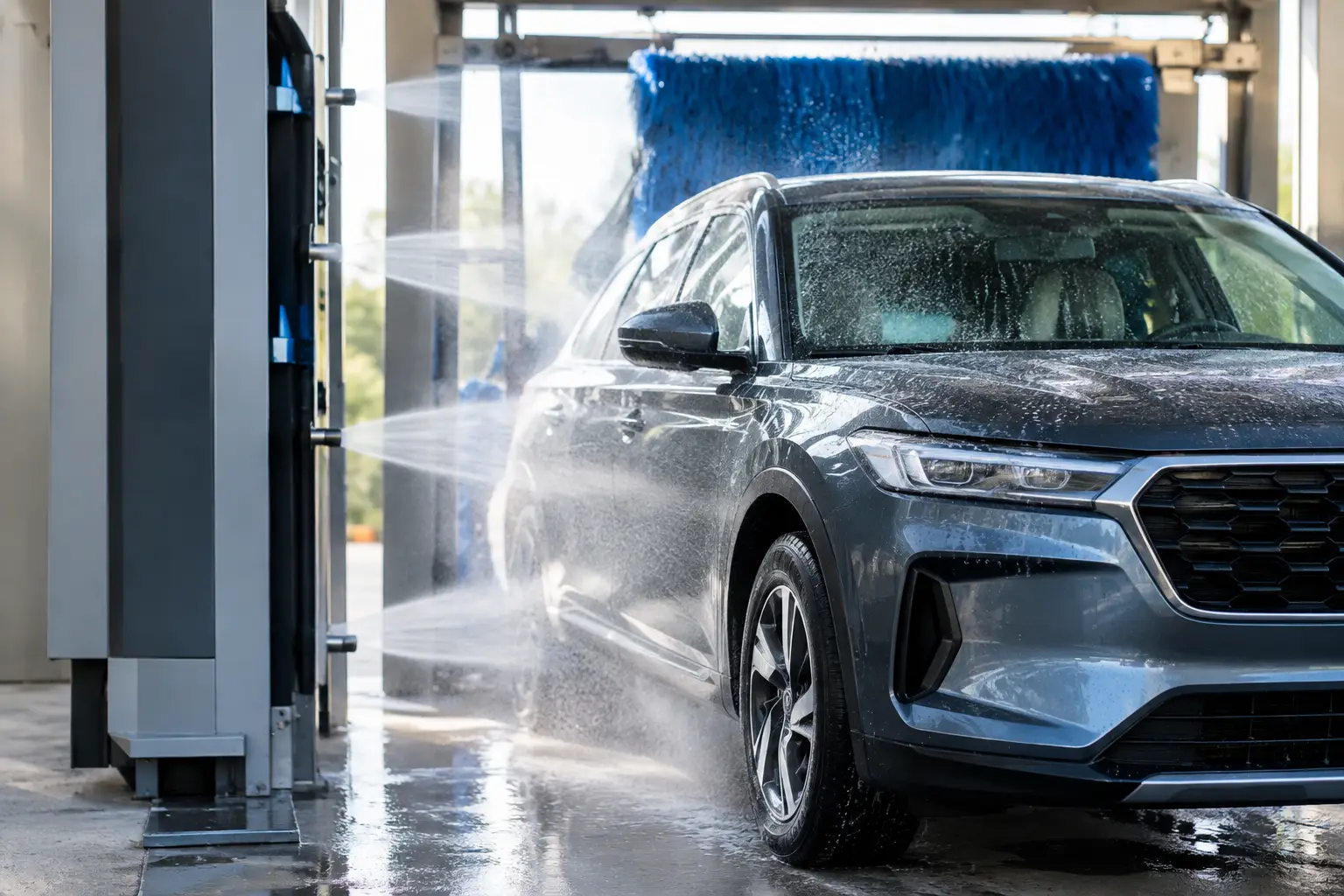
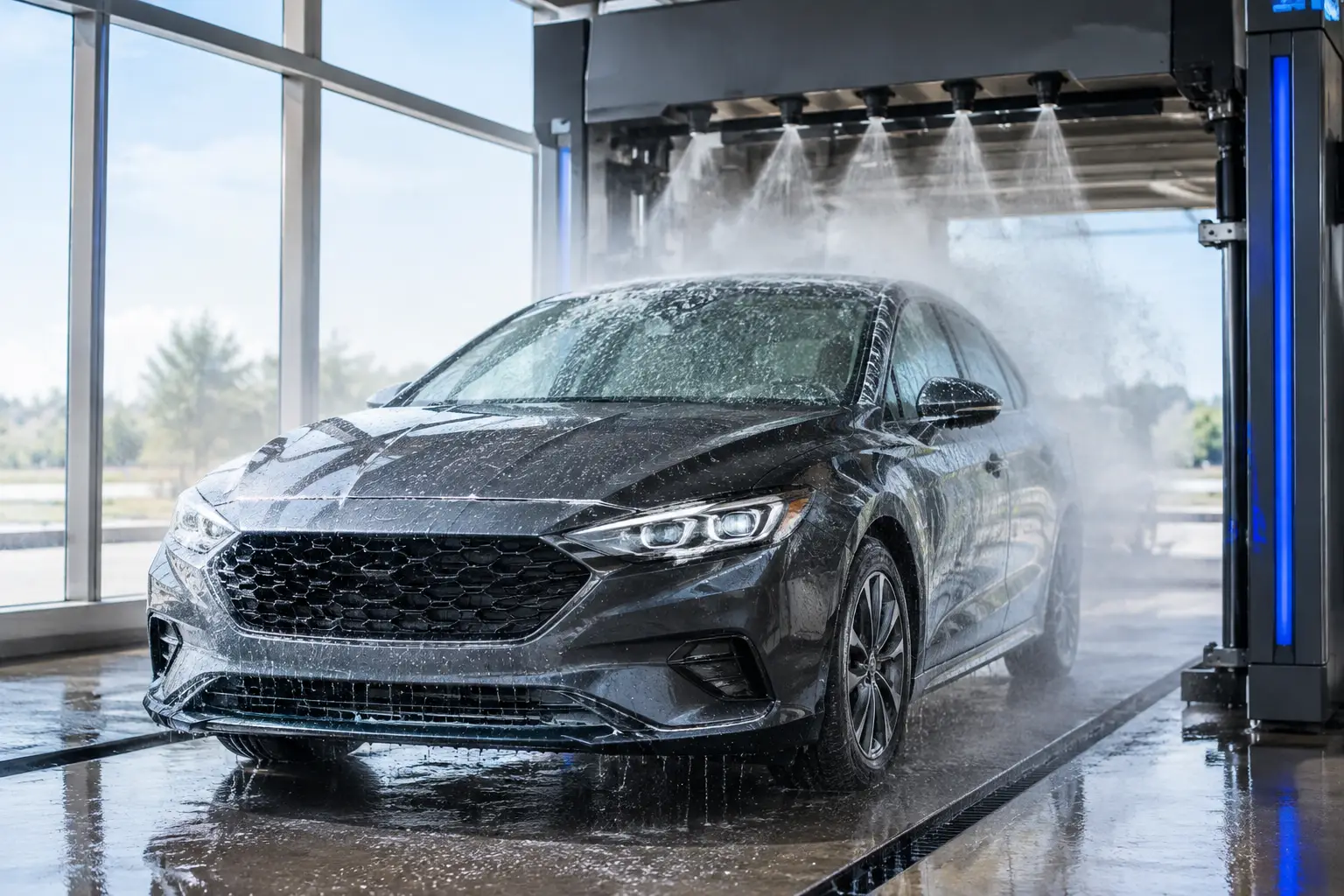
A professional wash is often the smarter option because it is faster, more effective, and more practical in winter. For many drivers, touchless washing is especially appealing because it cleans without physical brushes contacting the vehicle surface. That matters when your car is already carrying winter grit.
Why the Undercarriage Matters So Much
If you only focus on what you can see, you miss the area winter attacks hardest. The undercarriage takes constant spray from salty roads, and most of that grime stays out of sight. That is why a wash that helps flush the underside is worth prioritizing in winter.
The underbody includes brake lines, exhaust components, frame sections, and other metal parts that deal with repeated exposure to moisture and salt. You may not notice a problem immediately, but buildup over one season after another adds up. Washing the undercarriage is less about cosmetic appeal and more about basic vehicle care.
How Often Should You Wash in Winter?
For most New Hampshire drivers, every couple of weeks is a solid baseline during winter, with extra washes after major storms or heavy salt use. If you commute daily, drive highways often, or park outside, you may want to wash more often.
Frequency depends on weather patterns. A dry, cold stretch with less treated road use is different from a week of slush, melt, refreeze, and dirty spray. Your car will usually tell you what it needs. If it looks caked along the bottom half, do not wait for spring.
Regular washing is easier on your vehicle than letting months of residue build up and trying to fix the damage later. It is also easier on you. A cleaner windshield, cleaner lights, and cleaner mirrors make winter driving more comfortable.
Should You Wash Car After Snow Even If It Might Snow Again?
Yes. This is where a lot of people talk themselves into waiting forever. They figure another storm is coming, so why bother now?
Because the point is not to keep the car spotless for days. The point is to remove the salt and grime that are already sitting on it. Even if another storm rolls in 48 hours later, your car still benefited from getting rid of the previous layer of residue.
Think of winter washing as maintenance, not vanity. You are not chasing showroom shine in the middle of February. You are reducing buildup before it has more time to stick, soak, and corrode.
What Kind of Wash Makes Sense After Snow?
After snow, effectiveness matters, but so does being smart about your finish. A quality touchless wash can be a strong fit for winter because it uses high-pressure water and cleaning solutions to remove grime without brushes dragging across the surface. For drivers who care about avoiding friction on their paint, that is a practical advantage.
You also want a wash that can handle winter conditions reliably and quickly. Convenience matters more in January than it does in July. If a wash is easy to access, open when you need it, and built for repeat visits, you are more likely to keep up with winter maintenance instead of putting it off.
For local drivers, that is one reason Black Dog Car Wash sees steady winter traffic. When salt and slush are part of daily driving, a touchless wash that is available around the clock makes staying ahead of buildup a lot easier.
A Few Winter Washing Mistakes to Avoid
The biggest mistake is waiting too long. The second is focusing only on the visible body panels and ignoring the lower sections and undercarriage. The third is trying to scrub away gritty residue by hand when the surface is heavily contaminated.
It is also smart to avoid washing at home during freezing conditions unless you know exactly what you are dealing with. Frozen doors and icy driveways are not much of a reward for good intentions.
And if your car is coated with slush and salt, do not assume one storm is harmless. Winter damage usually comes from repeated exposure, not one dramatic event.
A clean car after snow is not just about appearances. It is one of the easier ways to protect your paint, preserve metal components, and make winter driving feel a little less rough around the edges. When the roads leave their mark, getting that residue off sooner is usually the better call.