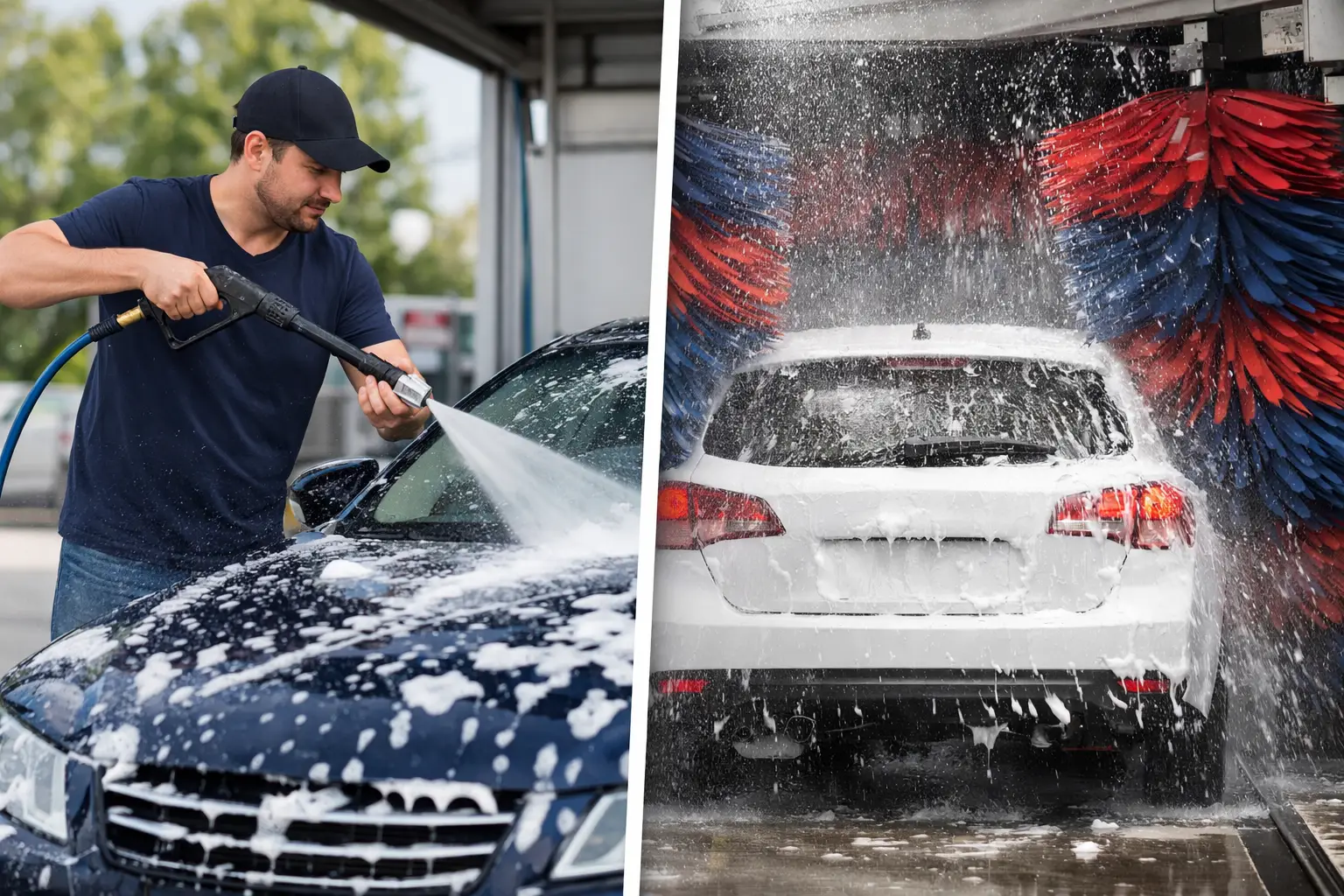
A muddy commute, a pollen-coated hood, and salt splashed along the rocker panels all create the same question at the wash: self serve or automatic wash? The right answer depends on what is on your vehicle, how much time you have, and how hands-on you want to be. For most New Hampshire drivers, the best choice is less about loyalty to one method and more about matching the wash to the day.
Self Serve or Automatic Wash: The Real Difference
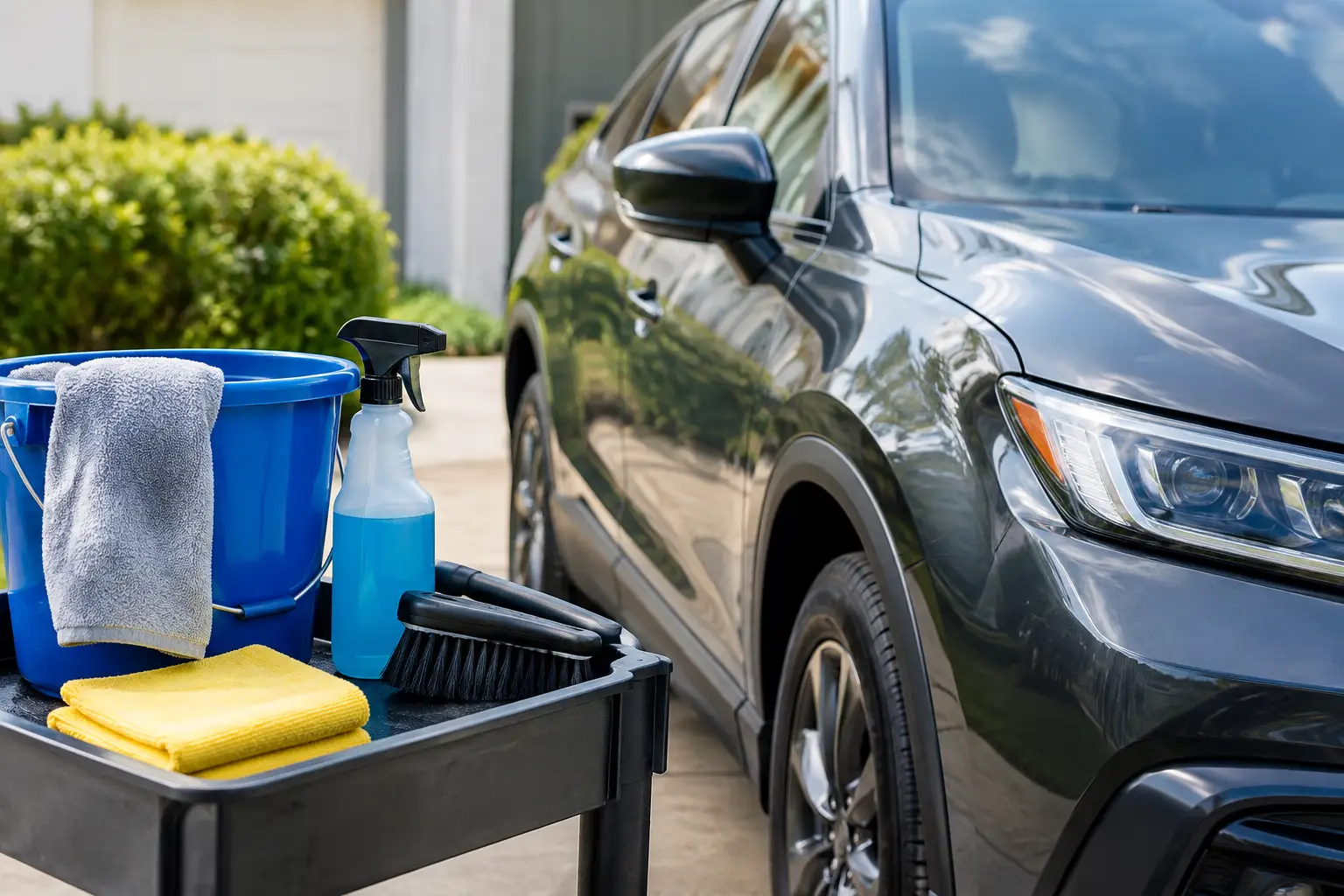
A self-serve wash puts you in control. You pull into a bay, use the provided equipment, and decide where to apply soap, rinse, tire cleaner, or high-pressure water. It can be a practical choice when your vehicle needs focused attention, especially after a trip down a muddy road or a weekend of hauling gear.
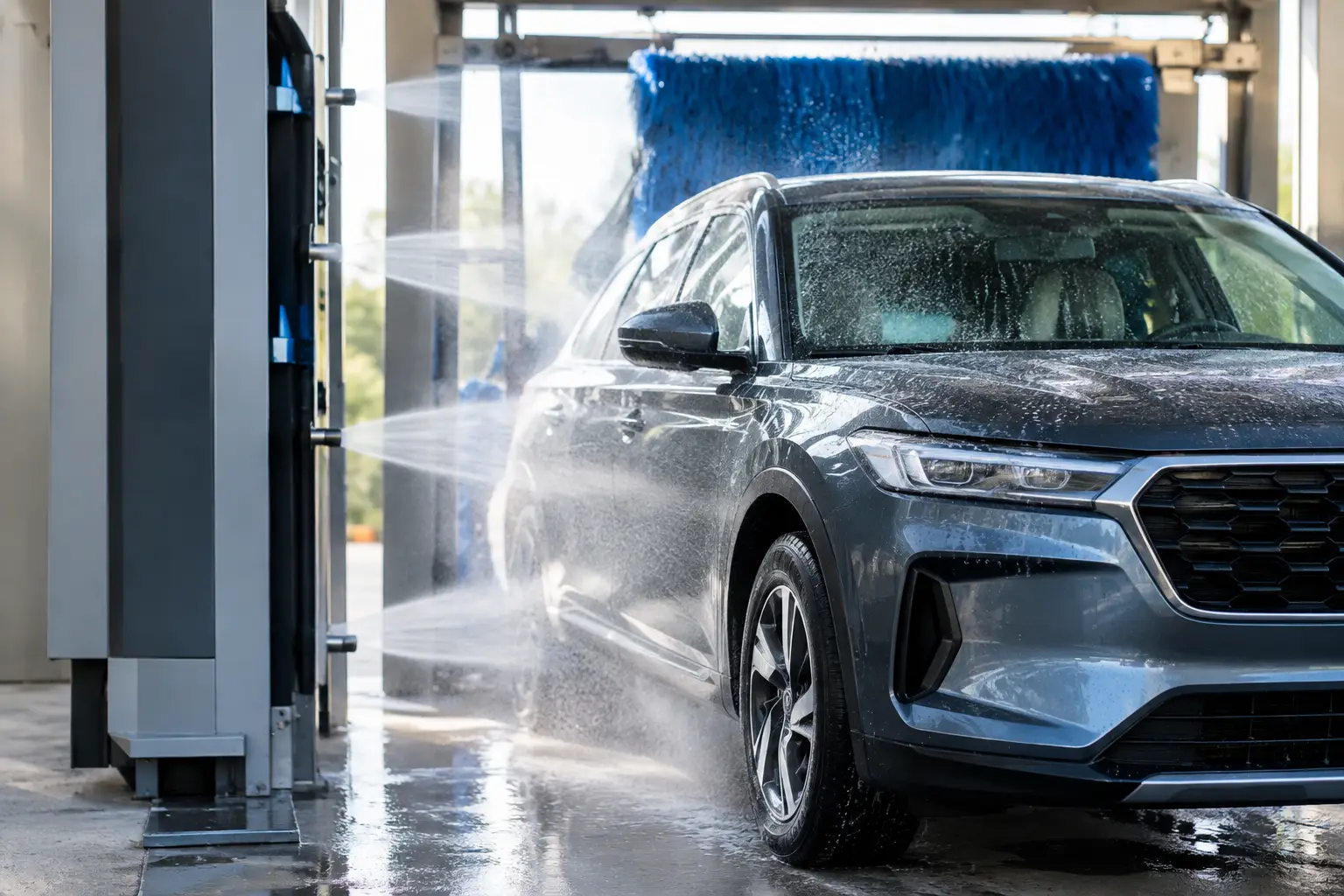
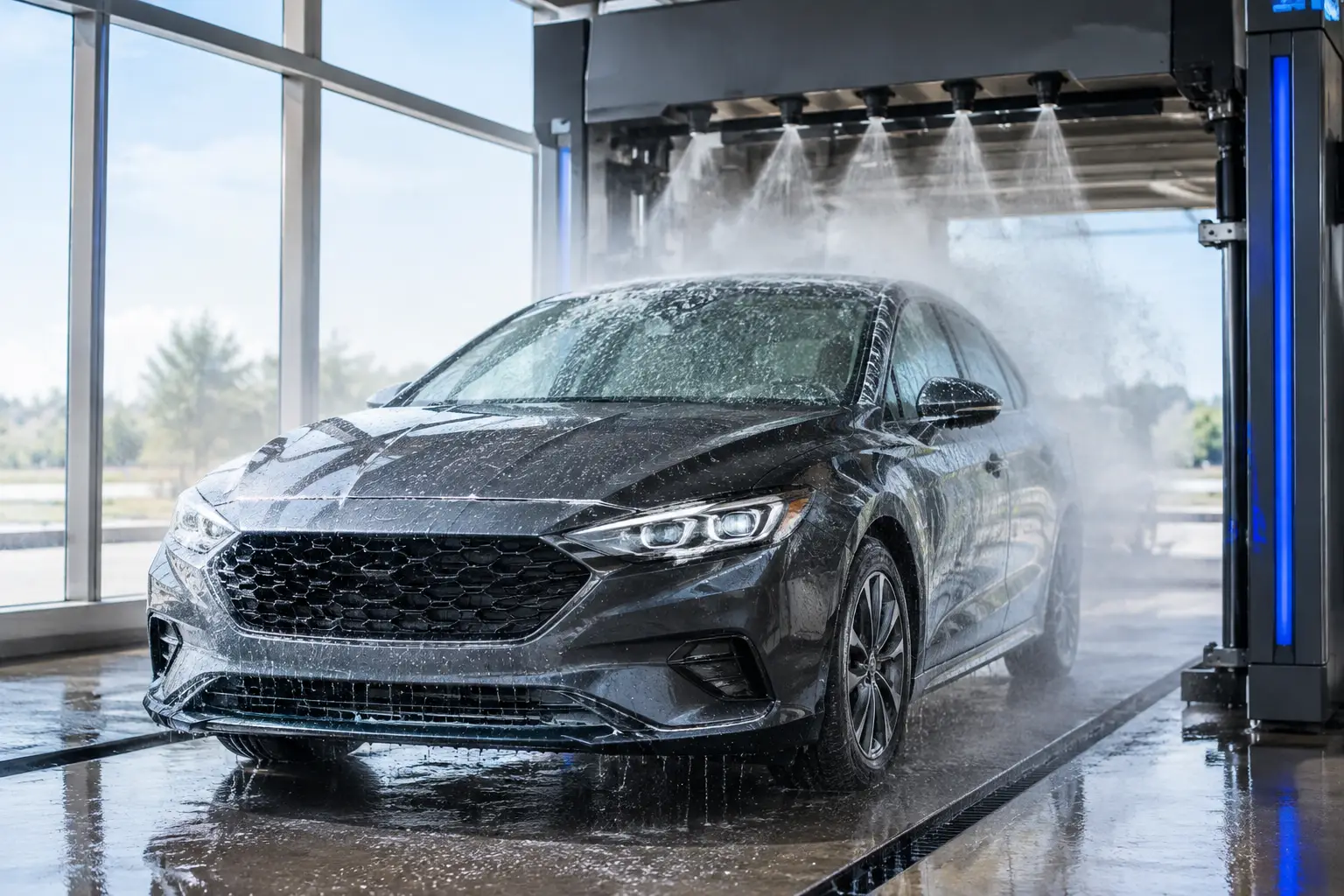
An automatic wash handles the exterior cleaning process for you. You drive in, select your wash, follow the equipment instructions, and let the system do the work. A touchless automatic wash uses cleaning solutions and high-pressure water rather than physical brushes contacting the vehicle. That distinction matters to drivers who want an effective clean while avoiding friction against the paint.
Neither option is automatically better in every situation. The useful question is: what does your vehicle need right now?
When a Self-Serve Bay Makes Sense
Self-serve washing works well when you need precision. Maybe there is thick mud behind the wheels, sand in the bed of a truck, or a messy area around a bike rack or cargo carrier. In those situations, being able to aim the spray exactly where it is needed can be helpful.
It also suits drivers who enjoy washing their own vehicle. Some people like taking their time, checking the wheel wells, and handling each step themselves. If the vehicle has unusual accessories, a work-truck setup, or specific trouble spots, that extra control can be worthwhile.
The trade-off is time and effort. You are doing the work, often in changing New Hampshire weather. You may also need to move quickly to stay within your intended spending range. Self-serve is not always the bargain it appears to be when a vehicle needs several cycles of rinsing, soap, and cleanup.
A self-serve bay can also be less comfortable during winter. Road salt does not wait for a warm Saturday, and neither should you. But standing outside with a spray wand in freezing temperatures is not everyone’s idea of convenient vehicle care.
When an Automatic Wash Is the Better Fit
Automatic washing is built for the ordinary reality of vehicle ownership: you need a clean car, but you have errands, work, kids to pick up, or a driveway that is already waiting for you. A quality automatic wash offers consistency and speed without asking you to spend part of your day managing a hose and wand.
For regular maintenance, an automatic wash is often the easier choice. Washing frequently helps remove the grime that builds up across New Hampshire seasons, from spring pollen and summer dust to fall leaves and winter salt residue. A quick wash is far more likely to happen when it fits naturally into your route home or your weekly routine.
Touchless automatic washing is especially appealing for drivers concerned about their vehicle’s finish. Since there are no brushes physically moving across the exterior, touchless equipment reduces concerns about brush friction on paint, trim, and exterior surfaces. High-quality chemistry and water pressure do the cleaning instead.
That does not mean every touchless wash will remove every piece of baked-on grime in one visit. Heavy mud, tree sap, and neglected buildup may need more than a standard exterior wash. Still, for routine cleaning and seasonal salt removal, touchless automatic washing is a dependable, vehicle-conscious option.
Touchless vs. Brush Washes
Not all automatic washes work the same way. Some use soft cloth or brush systems that make physical contact with the vehicle. Others are touchless, relying on detergents, water pressure, and careful wash timing.
Brush-based systems can be effective at removing stubborn surface dirt, but some owners prefer to avoid contact altogether. That preference can be stronger for newer vehicles, dark-colored paint, specialty finishes, and drivers who simply want a no-contact wash process.
A touchless wash is not a magic fix for every condition. It works best when it is part of regular vehicle care rather than the first wash after months of buildup. Think of it like keeping up with your driveway after a storm. A little attention along the way is easier than facing a season’s worth of mess at once.
For a dependable touchless option at any hour, Black Dog Car Wash serves drivers in Londonderry and Belmont with 24/7 access, touchless exterior washing, and high-powered vacuum stations for when the inside needs attention too.
Cost Is More Than the Price on the Screen
Comparing self serve or automatic wash prices is not always as simple as comparing the first number you see. With self-serve washing, the total can rise as you add time for pre-rinse, soap, wheel cleaning, rinsing, and any extra work needed for tough areas. That may still be worth it when your vehicle needs detailed attention.
With an automatic wash, you know the cost before you enter. That predictability is valuable for busy drivers and for households that wash more than one vehicle. Wash bundles, gift certificates, and reloadable wash accounts can also make regular care easier to plan for.
The best value usually comes from choosing a wash method you will actually use often enough. Waiting until salt is caked on the lower panels or pollen has turned every rainfall into a streaky mess can make any wash feel like more work. Regular exterior care is easier on your schedule and helps your vehicle look cared for year-round.
Consider Your Vehicle and Your Routine
Your vehicle type matters, but your routine matters just as much. A commuter sedan that sees highways, parking lots, and winter-treated roads benefits from quick, consistent washing. A family SUV may need a wash plus vacuum time after sports practices, snack spills, and muddy shoes. A pickup used for work or recreation may occasionally need the targeting that self-serve equipment provides.
For most drivers, there is room for both methods. Use self-serve when you have a specific cleaning challenge and time to address it. Choose an automatic touchless wash when you want a reliable exterior clean without the extra work.
If you drive a vehicle with aftermarket accessories, loose trim, damage, or equipment mounted outside the body, follow the wash location’s posted guidance. When in doubt, inspect the vehicle first and choose the option that makes sense for its condition.
A Smart Wash Schedule for New Hampshire
New Hampshire weather does not follow a neat vehicle-care calendar, so pay attention to what is happening on the road. Wash after winter storms and salt treatment, after long highway trips in slush, and when spring pollen starts sticking to every horizontal surface. Summer road dust, bug residue, and construction debris can also build up quickly.
You do not need to chase a showroom finish every week. The goal is practical maintenance: remove contaminants before they sit too long, keep visibility clear, and make cleaning part of your normal routine. Beau would probably call that good grooming. He would also remind you that a clean windshield is more useful than a fancy excuse for not washing the car.
The next time your vehicle needs attention, choose the wash that fits the mess, the weather, and your schedule - then give it the care it needs before the next New Hampshire road has other ideas.