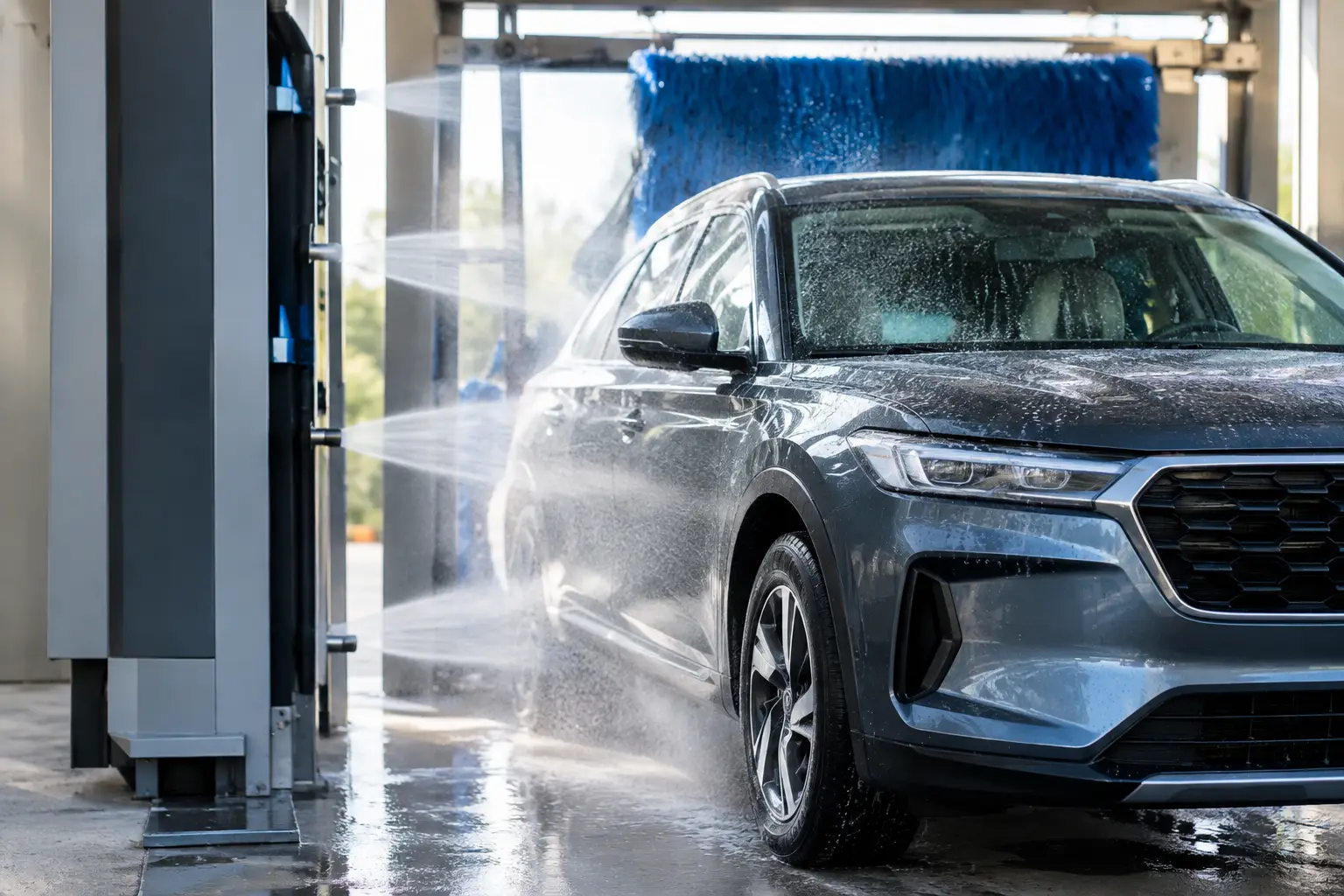
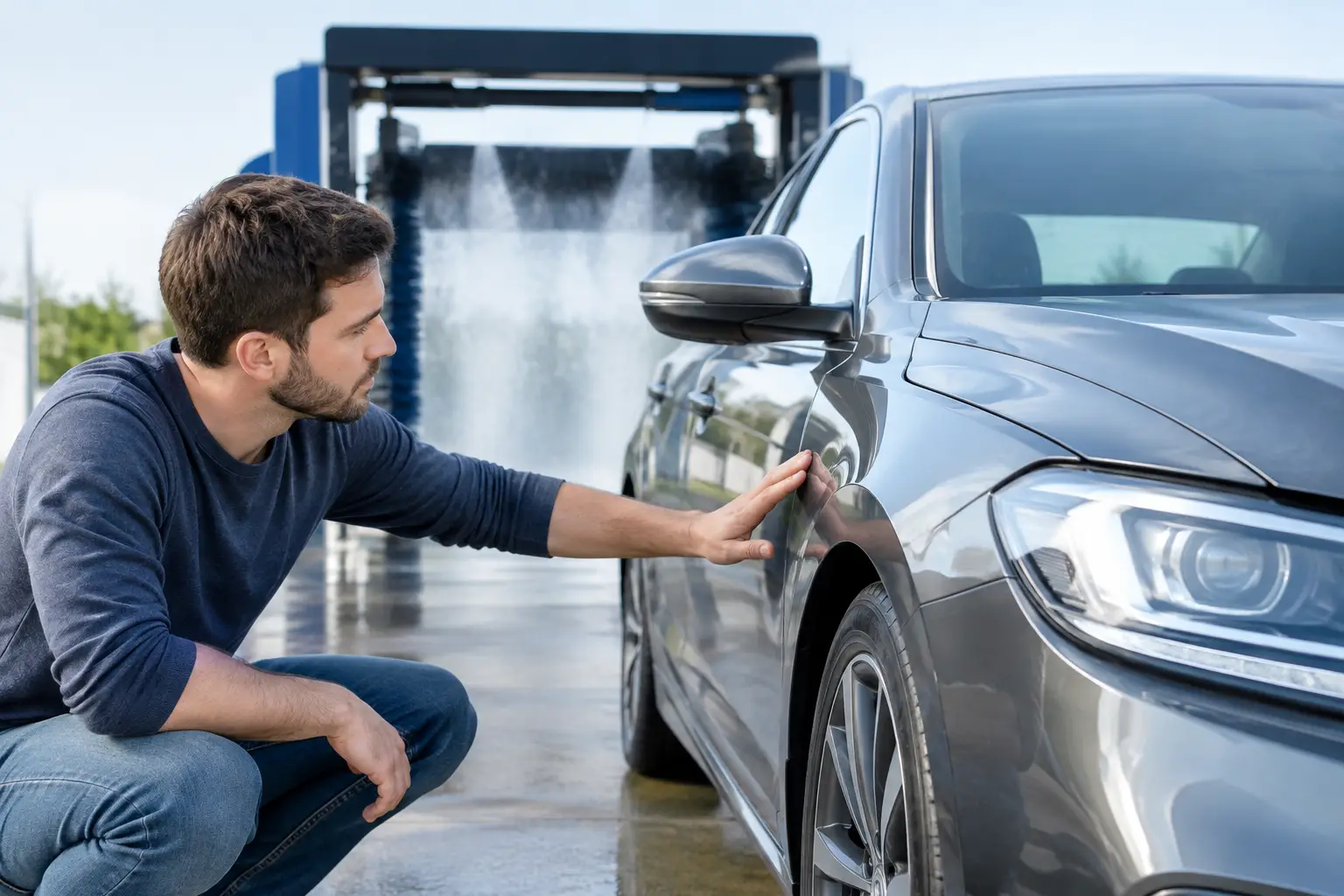
Road salt packed behind the wheels. Pollen stuck to the windshield. A week of rain leaving a gray film on the paint. New Hampshire drivers give their vehicles plenty to deal with, so it pays to prepare your car for a touchless wash before pulling into the bay.
The good news is that prep takes very little time. A few quick checks help protect loose accessories, keep water where it belongs, and give the wash a better chance to remove the grime that builds up during daily driving. Then you can get back on the road with a cleaner vehicle and one less errand on your list.
Why a Little Prep Makes a Difference
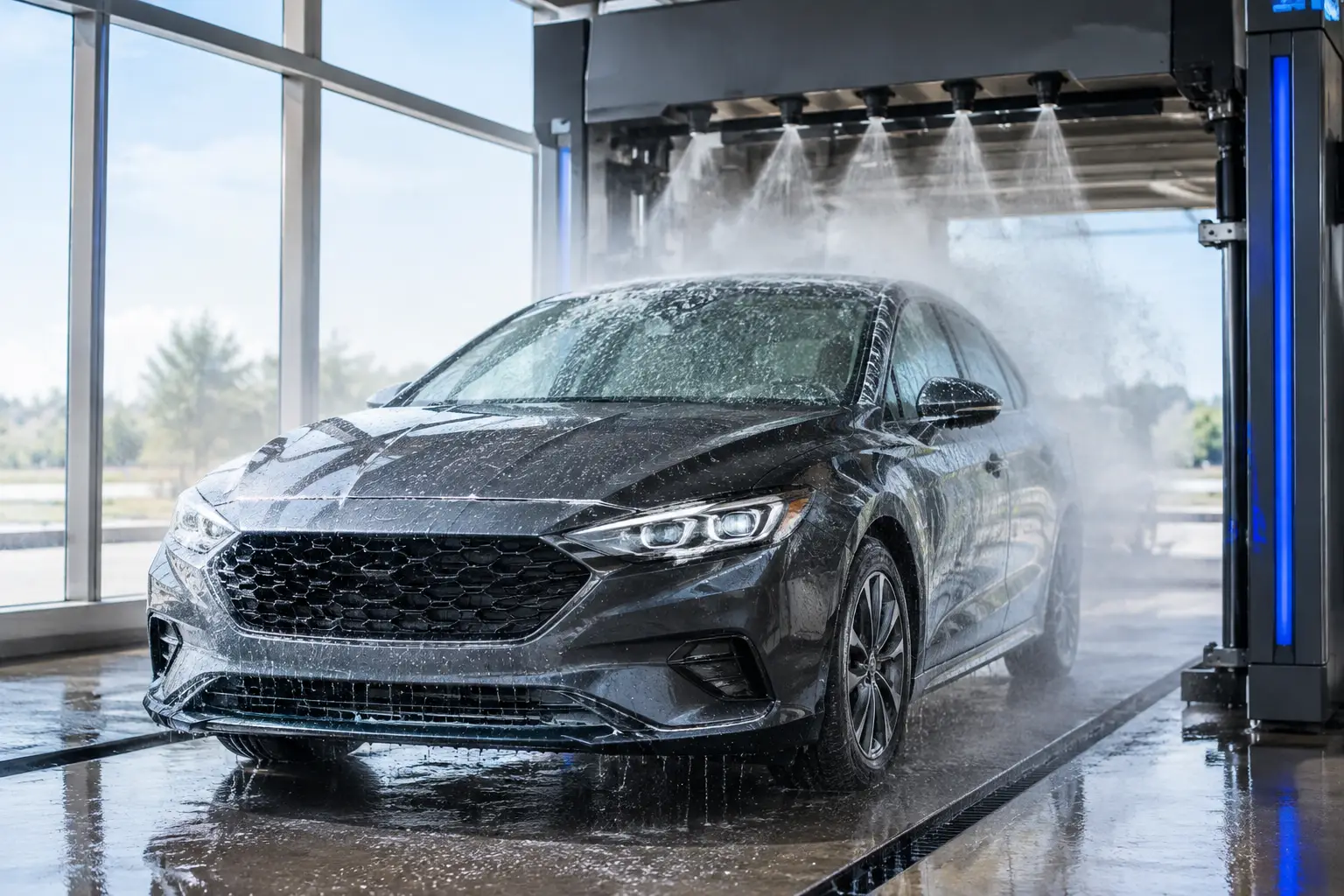
A touchless wash uses high-pressure water and cleaning solutions rather than brushes that contact your vehicle. That makes it a smart choice for drivers who want an effective exterior clean without physical wash equipment rubbing against the finish.
Still, water pressure is powerful enough to find an open window, loose trim piece, or unsecured truck-bed item. Preparing your vehicle is less about complicated detailing and more about making sure everything is closed, secure, and ready for the wash cycle.
Prep can also improve the result. Heavy mud, thick snow residue, and caked-on salt may need extra attention from the wash chemicals and rinse. A clean vehicle is not just about appearance, either. Regular washing helps remove corrosive road salt and contaminants before they have more time to sit on painted surfaces, wheels, and underbody areas.
1. Check Windows, Doors, and the Sunroof
Before entering the wash, close every window completely, including rear windows that passengers may have cracked open. Check the sunroof or moonroof, too. A quick look is worth it, especially if you have kids, carpool passengers, or a vehicle that has been aired out after a long commute.
Make sure each door and the trunk or liftgate are fully latched. Most vehicles will alert you to an open door, but do not rely on a dashboard reminder alone. If a seal is worn or a door is not shut tightly, high-pressure water can create an unpleasant surprise inside the cabin.
Convertible owners should make sure the top is properly closed and latched according to the vehicle manufacturer’s instructions. If the top has visible damage, weak seals, or a water leak during rain, address that issue before using any automatic wash.
2. Secure or Remove Loose Exterior Items
Take a walk around the vehicle and look for anything that could move, catch water, or come loose. That includes magnetic signs, temporary decals, loose license plate frames, antenna accessories, roof-rack cargo, and aftermarket trim that is not firmly attached.
If you have a removable antenna, follow your owner’s manual for removal guidance. Many modern vehicles have short fixed antennas or shark-fin antennas that should stay in place, so do not force anything. The right answer depends on the vehicle.
Fold in side mirrors if your vehicle manufacturer recommends it or if the mirrors are known to be loose. Retractable mirrors usually handle an automatic wash well when folded, but damaged mirror housings or poorly attached accessories deserve caution.
A practical rule: if you would worry about an item blowing off on the highway, do not send it through a high-pressure wash.
3. Empty the Truck Bed and Roof Rack
Pickup owners should remove loose items from the bed before washing. Buckets, tools, sports gear, cardboard, and yard debris can shift during the wash or hold dirty water afterward. If you use a bed cover, make sure it is latched and sealed.
The same goes for roof racks and cargo carriers. An installed rack that is designed to remain on the vehicle is generally different from a loaded rack. Remove bikes, skis, storage boxes, straps, and other cargo before washing. This protects your gear, your vehicle, and the wash equipment.
Beau would probably call this the “no flying frisbees” rule. It is a simple check that prevents a lot of avoidable trouble.
4. Address Damage Before You Wash
A touchless wash is designed for normal vehicles in normal condition, but it cannot repair existing damage. If your vehicle has peeling paint, cracked glass, loose molding, damaged mirrors, a broken wiper arm, or a hanging bumper cover, use caution. High-pressure water may worsen a part that is already failing.
Look closely at the windshield if you have a fresh chip or spreading crack. A car wash is not usually the cause of glass damage, but temperature changes and water pressure are not ideal for compromised glass. It may be best to have the damage evaluated first.
The same judgment applies to a newly repaired or freshly painted area. Follow the body shop’s or paint professional’s curing recommendations before washing. Some repairs need time before they should be exposed to wash chemicals or high-pressure water.
5. Knock Off Heavy Buildup When Needed
For most vehicles, you do not need to pre-rinse before a touchless wash. The equipment and wash solutions are built to handle everyday dirt, dust, road film, pollen, and seasonal grime.
There are exceptions. If your car is coated in thick mud after a trailhead parking lot, covered in packed snow, or has large chunks of salt slurry around the wheel wells, remove the heaviest material first when practical. This gives the wash a better chance to work on what remains rather than spending the whole cycle fighting a solid layer of debris.
Do not scrape aggressively at paint or use abrasive tools. A gentle rinse or careful removal of loose buildup is enough. The goal is not to detail the car before washing it. It is simply to avoid carrying a small gravel road into the wash bay.
6. Set Wipers and Automatic Features Correctly
Turn off automatic windshield wipers before entering. Rain-sensing systems can activate when water hits the glass, and moving wipers do not belong in an automatic wash. Make sure both wiper arms are resting normally against the windshield.
If your vehicle has automatic braking, parking sensors, auto-fold mirrors, or a special car wash mode, check the owner’s manual for the recommended setting. Many newer vehicles include a car wash mode that closes windows, disables rain-sensing wipers, and adjusts other features for you.
This is one area where the vehicle matters more than a general rule. A few minutes with the manual can save frustration, particularly with a newer vehicle or a model you have not taken through a wash before.
7. Choose the Right Time for Seasonal Grime
In New Hampshire, winter wash timing matters. Washing soon after roads have been treated with salt can help keep residue from sitting on the vehicle for days. Focus on regular visits during periods of slush, brine, and dirty snow, even if the car does not look especially bad from a distance.
Spring brings pollen and mud. Summer adds bug residue, tree sap, and dust from roadwork or weekend trips. Fall can leave leaves and organic debris trapped near the windshield cowl, wipers, and hatch seams. Each season creates a different kind of mess, but the routine is the same: do not wait until buildup becomes stubborn.
If temperatures are very cold, check door seals after the wash and wipe away excess moisture if needed. This can help reduce the chance of doors sticking later. A short drive after washing also helps move water out of crevices and gives the vehicle time to dry.
8. Use the Vacuum Area for the Finishing Touches
A touchless wash handles the exterior, but a few minutes at a vacuum station can make the entire vehicle feel refreshed. Remove trash, vacuum floor mats and seats, and clear out the crumbs, sand, and salt that accumulate during busy weeks.
Take floor mats out before vacuuming when possible. This makes it easier to reach the carpeting underneath and keeps dirt from falling back into a clean interior. If mats are wet from snow or rain, shake off loose moisture and let them dry as conditions allow.
For drivers who use their vehicles for work, school drop-offs, sports practices, or weekend errands, this small step is often the difference between a car that merely looks clean and one that feels cared for.
When to Skip the Wash
There are times when waiting is the better choice. Skip an automatic wash if exterior parts are loose, a door or window will not seal, the vehicle has fresh paint that has not cured, or a significant mechanical or body issue needs attention.
Also use common sense after applying specialty coatings, wraps, decals, or aftermarket accessories. The installer or manufacturer may have specific care instructions. Touchless washing is gentle in the sense that brushes do not touch the paint, but strong water pressure and cleaning products still deserve respect.
For everyday driving conditions, the process is simple: secure the car, remove loose cargo, turn off automatic wipers, and let the wash do its job. At Black Dog Car Wash, that means a vehicle-safe clean that fits into your schedule, whether you stop by after work, between errands, or whenever the salt and mud finally win. A clean car does not need a complicated plan - just a quick check before you roll in and a regular routine that keeps grime from becoming a bigger job.