Your vehicle’s paint has a tough job in New Hampshire. It deals with winter road salt, spring pollen, summer sun, muddy back roads, tree sap, rain, and whatever the parking lot throws at it. Paint oxidation prevention is not about keeping a car showroom-perfect every day. It is about removing the contaminants that wear on the clear coat before a dull, chalky finish becomes a bigger problem.
For most drivers, the best approach is simple: wash regularly, do not let grime sit for weeks, and add paint protection when the finish needs it. A clean car is easier to inspect, easier to maintain, and far less likely to look neglected before its time.
What Paint Oxidation Looks Like
Oxidation happens when exposure to sunlight, oxygen, moisture, and contaminants breaks down a vehicle’s clear coat and paint over time. It is most noticeable on horizontal surfaces such as the hood, roof, trunk lid, and tops of fenders, where sun and debris have the longest opportunity to sit.
Early oxidation can look like a loss of shine. The paint may seem flat even after a wash, or the color may appear less deep than it once did. As it progresses, the surface can become cloudy, chalky, rough, or faded. Dark-colored vehicles may look grayish, while red, blue, and black finishes often show fading clearly.
A normal layer of dust is not oxidation. Neither are water spots that disappear after a proper wash. But if the paint stays dull or feels rough after cleaning, it may be time to look beyond a basic wash and consider professional paint correction or protection.
Why New Hampshire Cars Need Extra Attention
The sun is only part of the story. In southern and central New Hampshire, road conditions create a year-round cycle of contaminants that can cling to paint.
Winter is the obvious culprit. Salt brine, sand, slush, and dirty meltwater collect on lower panels, wheel wells, bumpers, and behind the wheels. Salt is especially hard on a vehicle when it remains wet and trapped against the finish. A warm spell in January or February is a good reason to wash, not a reason to wait for spring.
Spring brings pollen, mud, and tree debris. Pollen may look harmless, but when it mixes with rain and moisture, it can leave a stubborn film. Tree sap and bird droppings deserve quick attention because they can bond to the surface and damage the clear coat if left in place.
Summer adds stronger UV exposure and baked-on bugs. Fall brings wet leaves and organic debris that can sit in body seams and on the hood. The details change by season, but the habit stays the same: remove contaminants before they have time to work on your finish.
The Practical Routine for Paint Oxidation Prevention
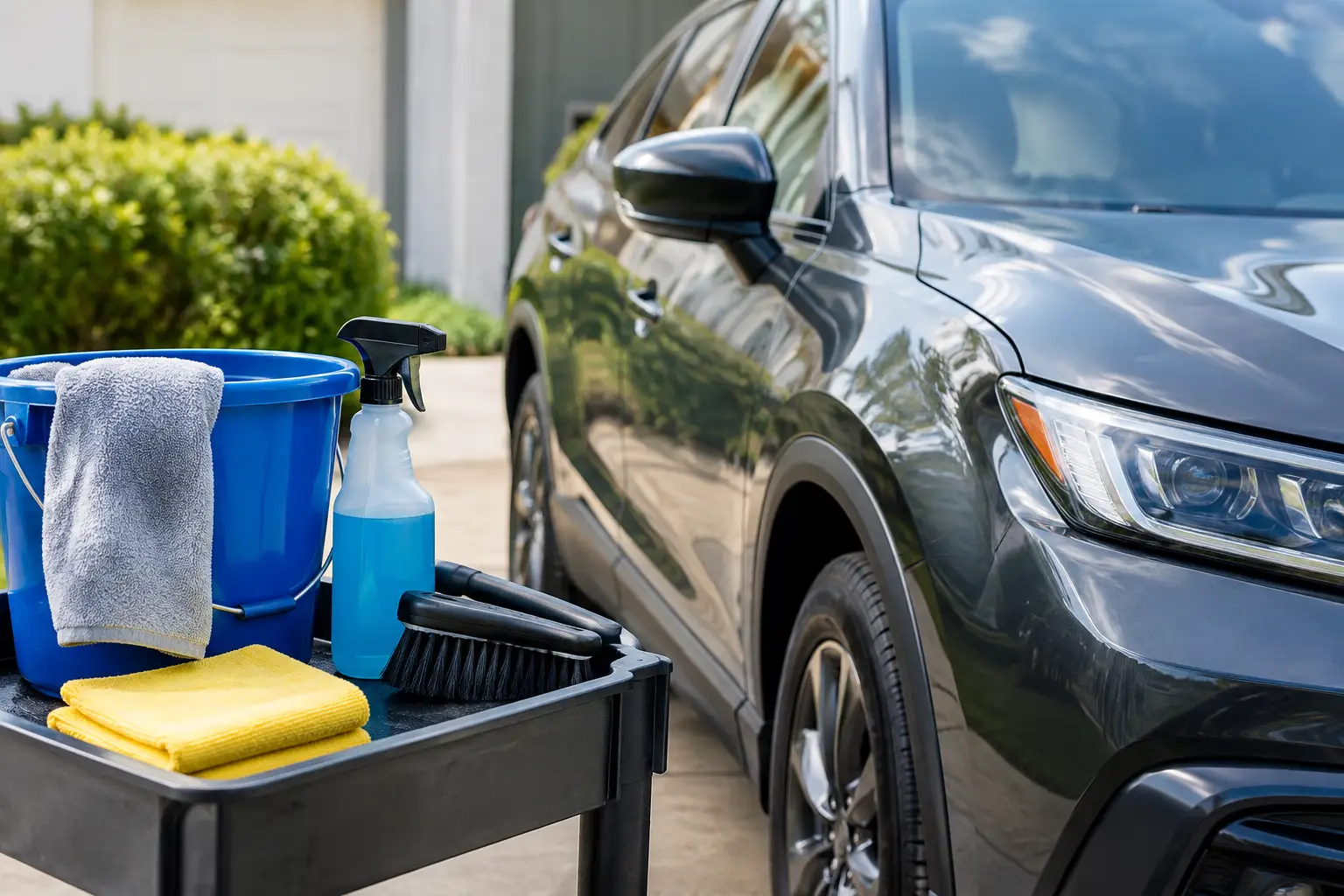
You do not need a detailing studio in your garage to take better care of your paint. You need a routine that matches how you actually use your vehicle.
Wash Before Grime Becomes a Layer
For a daily driver, washing every one to two weeks is a solid starting point. During heavy salt season, after a muddy commute, or after a long highway trip, more frequent washing makes sense. If your car is parked outside most of the time, it may need attention more often than a garage-kept vehicle.
The key is not chasing a perfect schedule. It is avoiding long stretches where salt, dirt, sap, bugs, or bird droppings remain on the paint. If the vehicle looks visibly coated, feels gritty, or has road film on the lower panels, it is time for a wash.
A touchless wash is a practical option for drivers who want effective exterior cleaning without physical brushes contacting the vehicle. High-pressure water and cleaning solutions help remove road grime while reducing the friction that can contribute to fine scratches on a dirty finish. For vehicles that see regular New Hampshire weather, that matters.
Do Not Forget the Lower Half of the Vehicle
Oxidation is often discussed as a hood-and-roof problem, but the lower doors, rocker panels, bumpers, and wheel areas take the worst of road salt and grit. These areas may not fade first, yet they still need consistent cleaning to protect the overall condition of the vehicle.
Pay attention after snowstorms and on roads treated with salt or brine. A quick wash can remove a lot of winter buildup before it dries, hardens, and sticks around. Your car may not look dirty from ten feet away, but the lower panels often tell a different story.
Drying and Water Spots: What Matters Most
Water spots are frustrating, especially on dark paint, but they are not all equal. Light spotting after rain or a wash is usually cosmetic and can often be removed. Mineral-heavy water that repeatedly dries in direct sun can become more stubborn over time.
When possible, do not leave a freshly washed car sitting in intense sun for hours with standing water on the panels. That said, do not skip washing because you cannot hand-dry the vehicle. Removing salt and grime is usually the more urgent priority. A clean car with a few spots is better off than a dirty car carrying weeks of road film.
Add Protection Before the Finish Needs Rescue
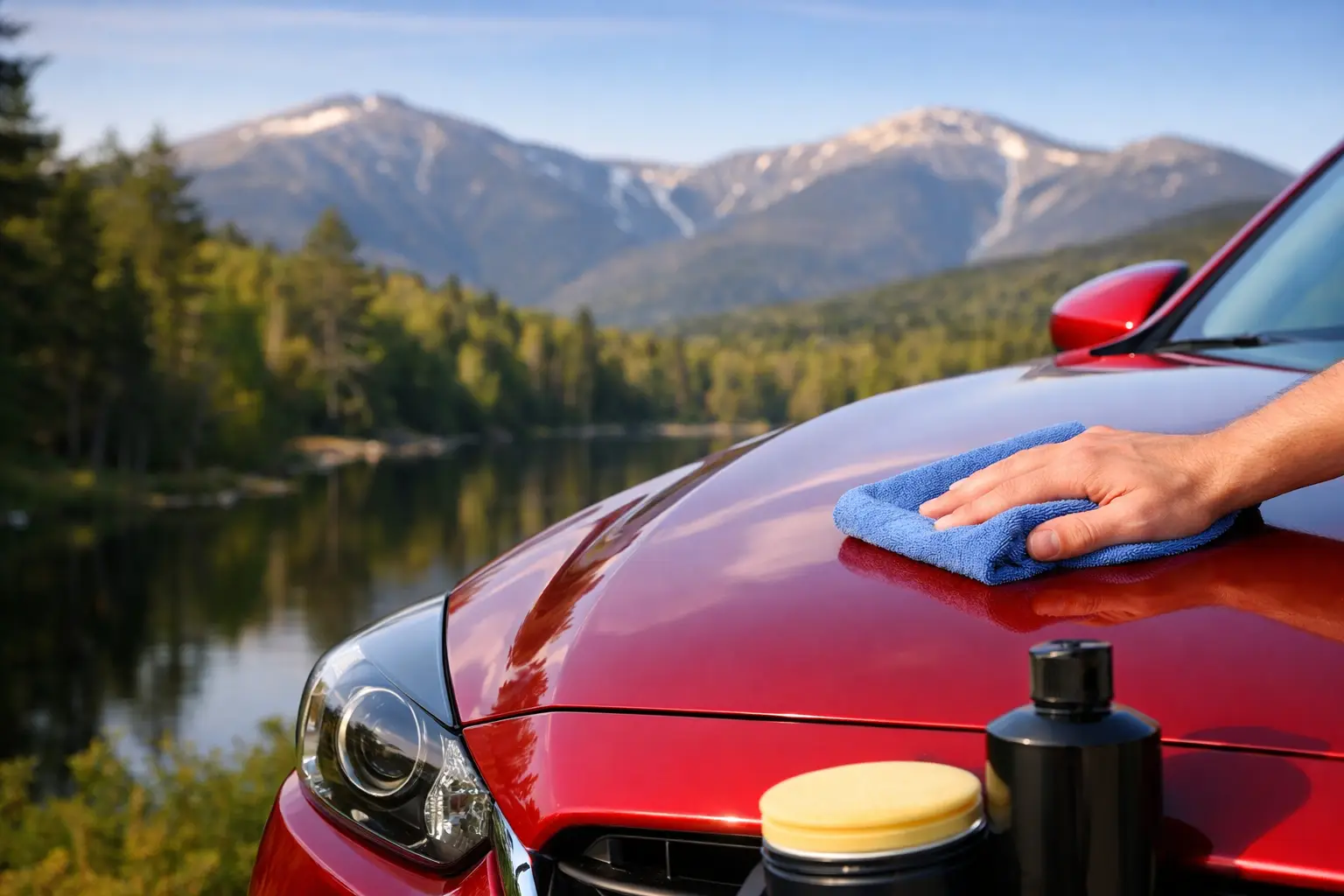
Washing removes contaminants. Protection helps make it harder for contaminants to cling and easier for future washes to do their job. Wax, sealants, ceramic-based protectants, and professional ceramic coatings can all play a role, but they are not interchangeable.
Traditional wax can add gloss and water beading, though it generally needs to be reapplied more often. Synthetic sealants usually last longer and provide dependable seasonal protection. Ceramic spray products can offer convenient water repellency and shine, while professionally installed ceramic coatings can provide longer-lasting protection when the paint is properly prepared first.
The trade-off is time, cost, and expectations. A coating does not make a vehicle invincible, and no protectant eliminates the need to wash. Salt, sap, bird droppings, and grime can still sit on top of any protective layer. Think of protection as a helpful barrier, not a permission slip to ignore maintenance.
For many drivers, a seasonal approach works well: assess the finish before winter, keep up with washes through salt season, and refresh protection as needed in spring or early summer. If the paint is already dull, rough, or heavily scratched, a detailing professional can advise whether decontamination, polishing, or paint correction is appropriate before applying protection.
Habits That Can Make Oxidation Worse
The biggest mistake is letting a dirty vehicle stay dirty because the weather is bad. Winter grime does not pause when temperatures drop. If conditions are safe for driving, a wash during the season can be one of the simplest maintenance steps you take.
Another common issue is wiping dry dust or salt off the paint with a towel. Dirt acts like an abrasive when dragged across the clear coat. Rinse and wash first rather than trying to spot-clean a dusty panel by hand.
Parking choices also matter when you have options. A garage, carport, or shaded area can reduce sun exposure and keep leaves, sap, and bird droppings off the finish. But shade under a sap-heavy tree may create a different problem. It depends on what is overhead.
Finally, do not assume an older vehicle is beyond help. Faded paint may need more than washing, but regular cleaning can still prevent further damage and improve its appearance. Beau’s practical advice would be: do not wait until your hood looks like it needs a new leash. A little routine care is easier than a major repair.
A Year-Round Plan That Fits Real Life
The best paint care plan is the one you will actually follow. Keep an eye on the forecast, wash after messy weather, and make a quick exterior clean part of your normal errand routine. A 24/7 wash option is especially useful when your schedule does not leave room for daytime appointments.
At Black Dog Car Wash, drivers in Londonderry and Belmont can use touchless exterior washing to stay ahead of salt, road film, pollen, and everyday grime without brushes contacting the vehicle. Pair regular washes with vacuum time when needed, and your vehicle can look cared for inside and out.
Paint oxidation prevention does not require perfection. It requires paying attention before damage becomes obvious. The next time road salt, pollen, or summer dust starts building up, give your clear coat the simple advantage it needs: get the grime off and keep the routine going.