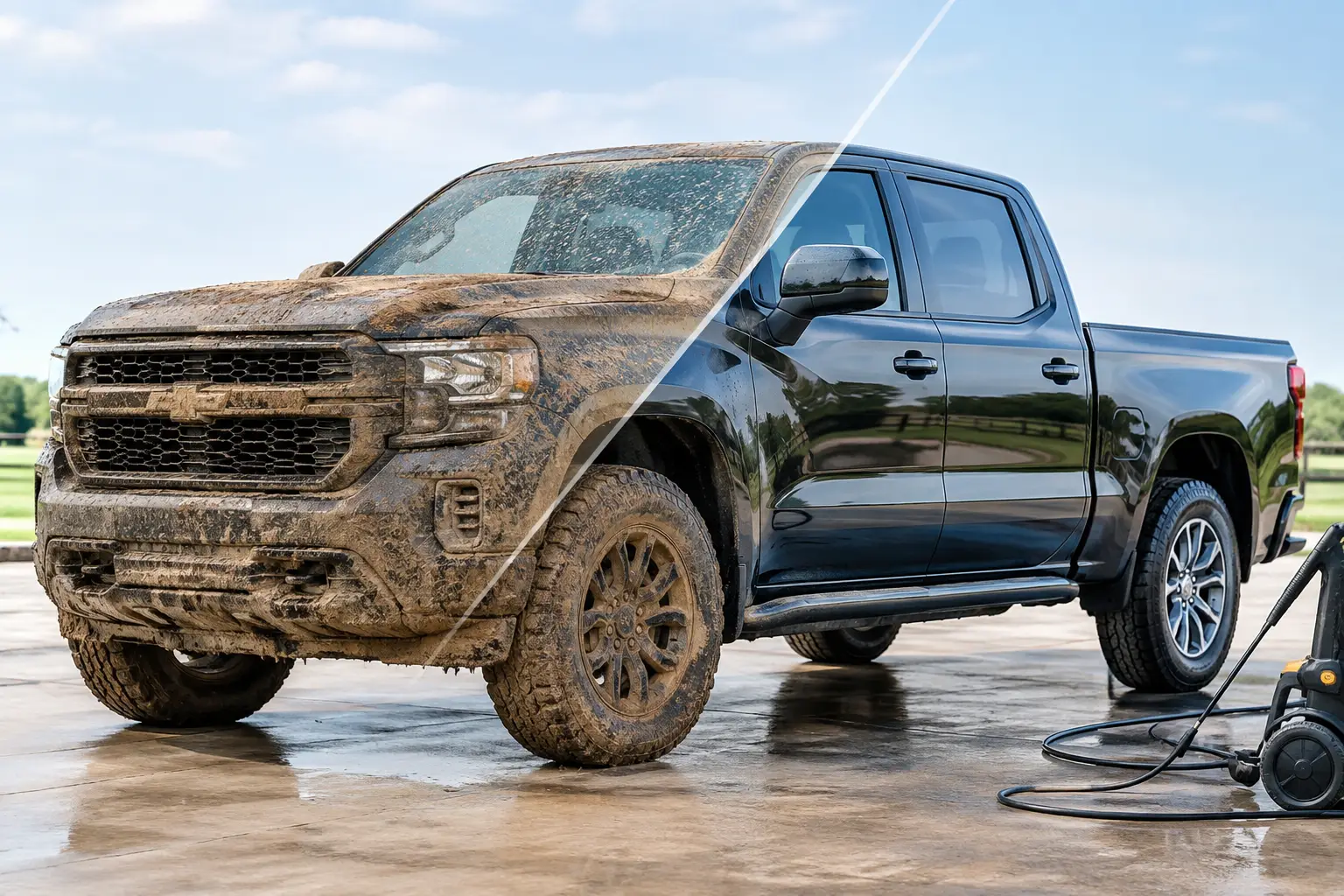
A New Hampshire back road can turn a clean pickup into a rolling mud sample before the weekend is over. This muddy truck cleaning case study follows a common situation: a driver needs to get heavy dirt, road film, and wheel-well buildup off a work-and-family truck without spending an afternoon with a hose and bucket.
The goal was not to make a hard-working truck look like it had never left the showroom. The goal was practical: remove the grime that hides the paint, clings to lower panels, and gets tracked into the cab - while protecting the finish and getting back on the road quickly.
The Starting Point: More Than Surface Mud
The truck arrived after several wet days of driving between job sites, school pickup, and unpaved roads. The sides were coated from the rocker panels down, with a brown stripe running along both doors. Mud had dried in the wheel wells, and the rear bumper, tailgate, and license plate area were especially dirty.
Inside, the problem was familiar to anyone who owns a pickup in New Hampshire. Floor mats held dried grit. The seats and dash were fine, but loose debris had collected in the footwells and along the door sills. This was not a neglected vehicle. It was a vehicle being used exactly as intended.
That distinction matters. Fresh, loose mud behaves differently than mud that has dried after several temperature swings. Clay-heavy dirt can stick harder than ordinary roadside splash. Add road salt, sand, and traffic film to the mix, and a quick rinse may leave behind a dull residue even when the obvious mud is gone.
Why a Touchless Wash Fit This Truck
For a muddy pickup, aggressive scrubbing can seem like the obvious answer. But rubbing grit across paint is not a great trade-off. Dirt particles can act like sandpaper when they are trapped between a brush or mitt and the truck’s finish.
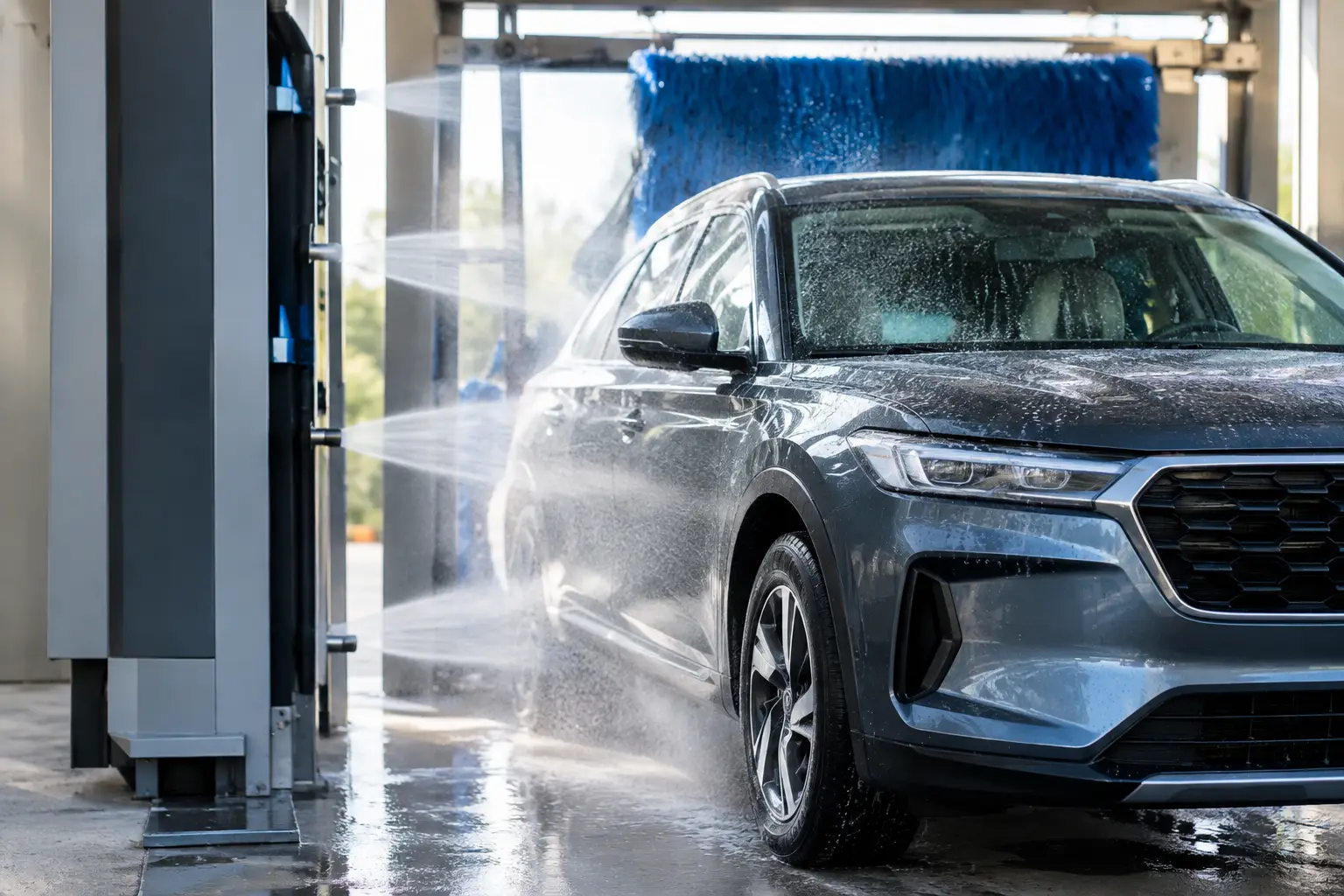
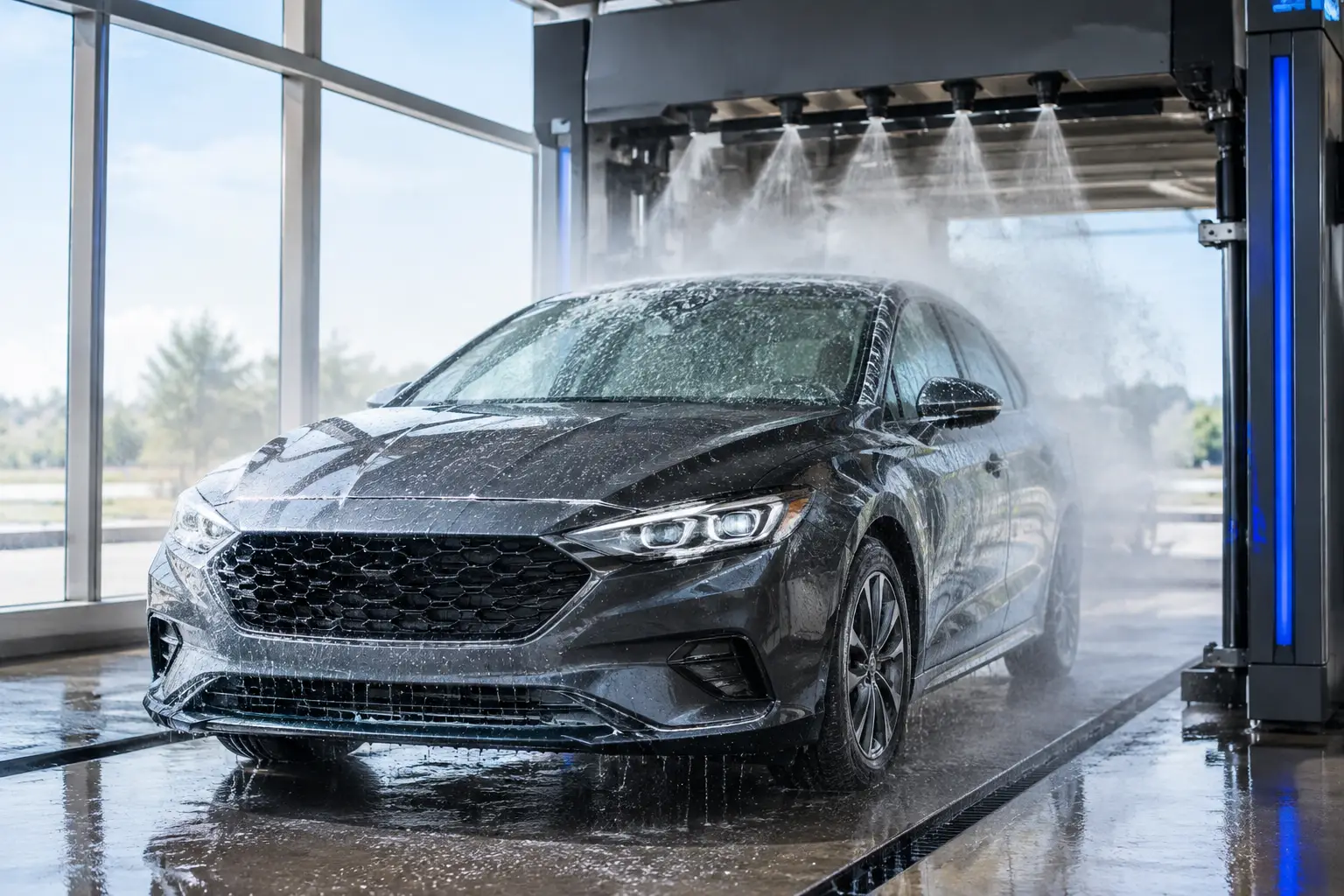
A touchless wash takes a different approach. High-pressure water and cleaning solutions work to loosen and carry away the grime without physical brushes contacting the vehicle. That makes sense for drivers who want a thorough exterior clean while being mindful of their paint, trim, and clear coat.
Touchless cleaning is especially useful when a truck has accumulated a lot of loose road debris. The first priority is to get that debris moving off the surface, not push it around. Beau’s unofficial advice: save the digging for the yard, not your truck’s paint.
There is a realistic limit, though. Extremely packed mud in deep wheel-well corners, behind running boards, or in damaged trim areas may need more than one visit or some careful manual attention at home. A touchless wash is designed to clean effectively without friction, but no automated wash can reach every hidden crevice on every heavily used truck.
The Cleaning Plan
The best results came from treating the wash as a process rather than a single button press. The driver chose a wash option suited to a heavily soiled exterior, then gave the truck time to move through each stage of the cycle.
Step One: Loosen the Heavy Buildup
The initial high-pressure rinse mattered most around the lower body panels, bumpers, wheel wells, and tailgate. These are the areas that take the full hit from wet roads and tires. Starting with pressure helps break the bond between the vehicle and the dried-on layer of dirt.
It can be tempting to judge the wash after the first rinse. That is too early. At this point, the truck may look streakier because the mud is softening and moving. The cleaning solution and follow-up rinse are what lift away the remaining film.
Step Two: Let the Cleaning Solution Do Its Job
A quality touchless system applies cleaning chemistry designed to work on common road grime. For this truck, that meant addressing more than visible mud. It also meant cutting through the gray-brown film left on paint, glass, and chrome after wet-road driving.
The driver did not need to bring brushes, towels, or extra equipment. That is part of the value for a busy pickup owner. A good wash should fit between errands, after work, or before the truck pulls into the driveway - not become another weekend project.
Step Three: Focus on the Areas That Show Dirt First
After the wash, the biggest change was visible along the rocker panels and doors. The paint color came back into view, the side mirrors were clearer, and the rear of the truck no longer looked like it had been through a construction site.
The wheel wells improved substantially, though a small amount of tightly packed dirt remained in a recessed corner. That is a normal result when mud has dried thick or has been packed by tire movement. The key outcome was that the loose, visible buildup was removed without brush contact across the paint.
The truck’s finish also looked brighter because the wash removed the road film that dulls color. This is why waiting until mud is caked on is not always the best strategy. Regular cleaning is easier on the vehicle than allowing dirt, salt, and grime to build up week after week.
The Cab Needed Attention Too
Exterior cleaning made the truck look better immediately, but the interior vacuum step made it feel clean again. The driver used the high-powered vacuum stations to clear dried grit from the floor mats, footwells, and seat edges.
This was a quick job because it was handled before the debris became ground into the carpet. For families, commuters, and work-truck drivers, that timing makes a difference. Mud on the exterior is visible, but dirt inside the cab is what ends up on shoes, bags, and pant legs.
A simple routine helps: shake out removable mats when possible, vacuum the floor areas, and give extra attention to the driver’s side. If the truck regularly carries kids, dogs, sports gear, or job-site equipment, the rear floor area deserves a pass too.
What Worked - and What Would Change Next Time
This muddy truck cleaning case study came down to three things: choosing touchless cleaning to avoid unnecessary friction, selecting a wash built for heavy road grime, and using the vacuum station before driving away. The truck went from visibly muddy to presentable in one stop, without a complicated process or a pile of cleaning supplies.
The main lesson is to wash sooner after muddy driving when possible. Fresh mud generally releases more easily than mud that has baked on, frozen, thawed, and collected more road debris. A quick visit after a wet weekend can be more effective than waiting until the truck is completely coated.
Drivers should also adjust expectations based on the conditions. A truck used mostly on paved roads may come out nearly spotless after one wash. A truck that has spent days on dirt roads, near construction areas, or in deep ruts may need a second wash for the most stubborn wheel-well buildup. That is not a failure of the process. It is the reality of what the truck has been carrying.
Make Mud Cleanup Easier All Year
Mud season does not follow a neat calendar in New Hampshire. Spring brings thawed ground and potholes, summer adds dirt roads and campsites, fall brings wet leaves, and winter piles on sand, slush, and salt. Keeping a pickup clean is less about chasing perfection and more about staying ahead of what the road leaves behind.
Black Dog Car Wash gives local truck owners a practical way to do that, with touchless washing and vacuum access available when their schedule allows. For a muddy truck, the best time to clean it is usually before the next errand turns one dirty trip into a week of buildup.