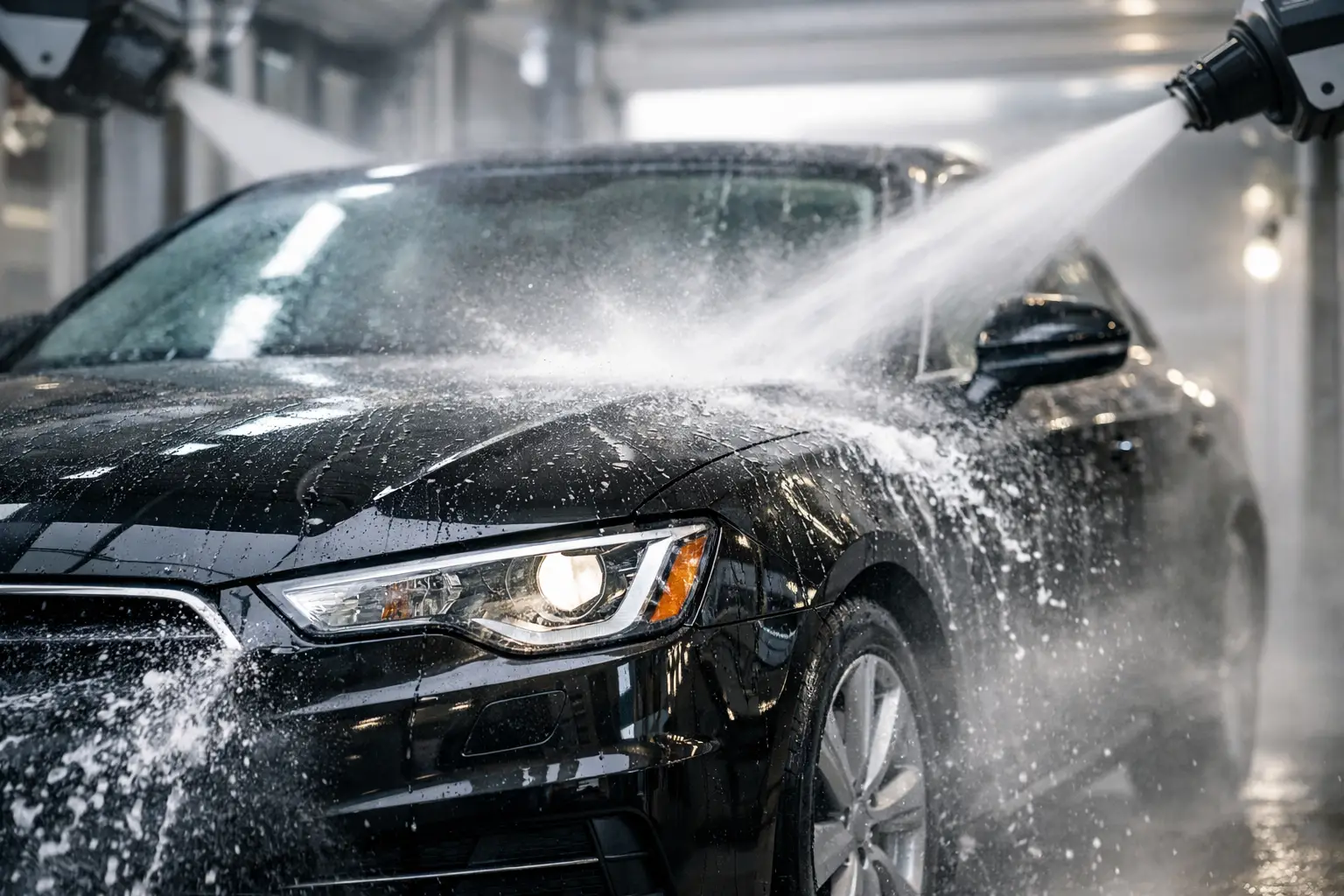
You pull into a wash because your car is covered in salt, pollen, or road grime - not because you want to wonder whether the cleaning process itself might leave marks behind. That is why so many drivers ask, is touchless car wash safe for paint? In most cases, yes. A quality touchless wash is one of the safer options for routine exterior cleaning because it removes dirt without brushes, cloth strips, or other physical contact rubbing against your finish.
That said, the full answer depends on what kind of dirt is on the vehicle, the condition of the paint, and whether the wash equipment is properly maintained. Touchless washing reduces one of the biggest risks in car washing - friction. But like any cleaning method, it has strengths, limits, and a few trade-offs worth understanding.
Why touchless washing is generally safer for paint
The main reason touchless washing is paint-friendly is simple: there is no physical media scrubbing the surface. Traditional friction washes rely on spinning brushes, cloth, or foam materials to loosen and remove debris. Even when those systems are maintained, anything that touches vehicle surfaces can potentially drag grit across the paint.
That is where swirl marks and fine scratches can come from. It is not always the wash itself that causes damage. Often, it is dirt trapped in the materials doing the cleaning. If your goal is to lower the chance of contact-related marring, touchless washing is a smart option.
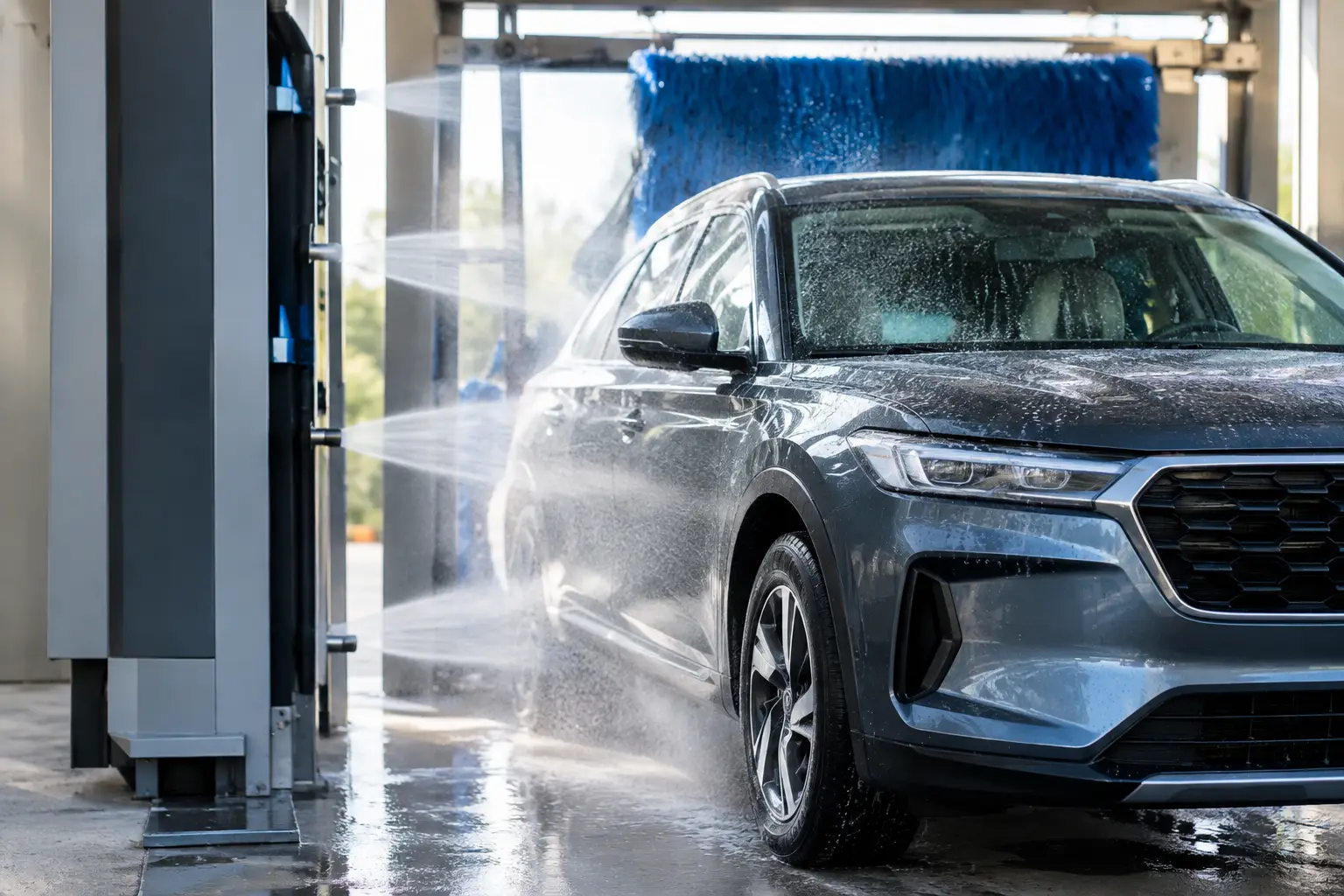
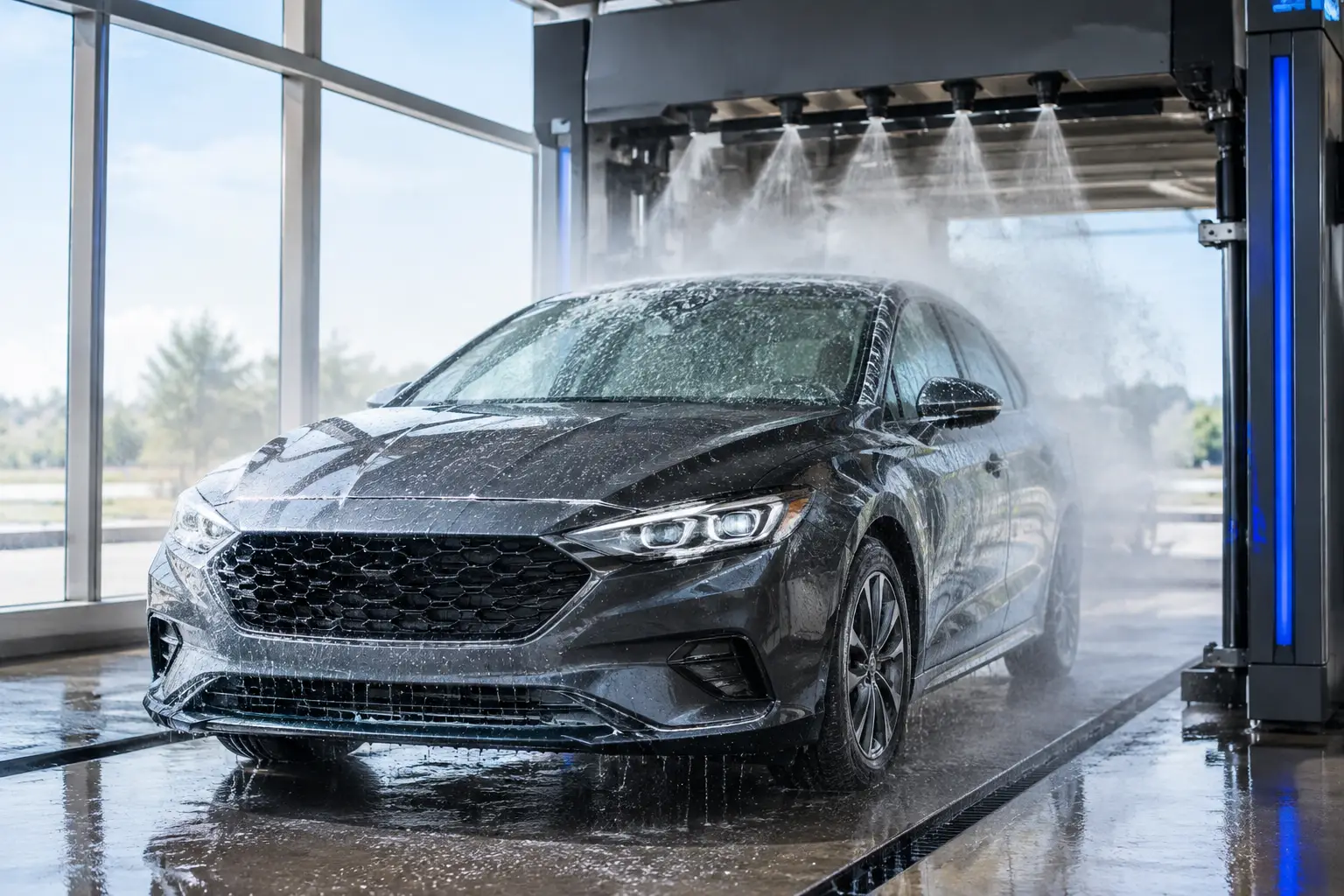
A touchless wash does the heavy lifting with high-pressure water and specially formulated detergents. The cleaning agents break down grime, and the water pressure rinses it away. Since there are no brushes hitting the surface, the risk of friction-based paint damage is significantly lower.
For drivers in New Hampshire, that matters all year. Winter salt, spring pollen, summer dust, and fall road film all build up fast. When you need to wash often, using a method that avoids repeated surface contact can help protect the finish over time.
Is touchless car wash safe for paint on newer vehicles?
For newer vehicles with factory-clear-coated paint, touchless washes are typically a very safe routine choice. Modern automotive paint systems are designed to handle regular washing, and a well-run touchless wash helps clean the surface without the repeated brushing that can dull the finish.
If your vehicle is ceramic coated, waxed, or recently detailed, touchless washing is also often preferred. It is less likely to create the light surface marks that car owners notice most on dark colors like black, blue, and deep gray. Beau would probably say black paint shows everything except your excuses for skipping a wash.
Still, safe does not mean magic. If mud is baked on, bug residue has been sitting for days, or road tar is stuck to lower panels, a touchless wash may not remove every last bit in one pass. That does not mean it is harming the paint. It usually means the contamination needs either a second wash or more targeted treatment.
When results can vary
Touchless washing is safest when the goal is regular maintenance cleaning. If you wash consistently, the system has a much easier job. Fresh grime comes off more easily than weeks of buildup, and the detergents can work as intended.
Where some drivers get disappointed is when they expect touchless to deliver hand-detail results on a heavily soiled vehicle. Without brushes making contact, there are times when a touchless wash may leave behind a thin layer of stubborn film or residue. That is the trade-off. You get less physical contact, but you may occasionally give up a little cleaning aggression.
This is especially true with caked-on winter debris behind wheel wells, thick pollen mixed with rain, and oily road film that clings to lower doors. In those cases, a touchless wash is still safe for paint, but it may need stronger chemistry, a second pass, or follow-up care.
The role of detergents and water pressure
Some people worry that if touchless systems use stronger detergents than friction washes, they must be harsher on paint. Not necessarily. Reputable systems are designed to clean effectively while remaining safe for automotive finishes when used correctly.
The detergents are there to loosen and dissolve grime that brushes would otherwise scrub away. On properly cured factory paint, these cleaning agents should not damage the finish. The bigger concern is not the paint itself, but whether any existing wax or surface protectant may wear down faster with frequent washing. That can happen over time, especially if the vehicle is washed often in tough weather conditions.
Water pressure also sounds scary until you look at how the equipment is designed. A touchless wash is engineered to rinse debris from the surface, not blast through clear coat. Properly calibrated equipment should be safe for standard vehicle paint. Problems are more likely to come from neglected paint, loose trim, or pre-existing damage than from the wash method itself.
Paint condition matters more than many drivers realize
If your clear coat is already peeling, your paint has chips, or aftermarket work was poorly done, any wash method can expose those weak spots. A touchless wash is still usually the gentler choice, but it cannot fix paint that is already failing.
The same goes for vehicles with neglected surfaces. If contaminants have been sitting for a long time, they can bond to the paint. A touchless wash may safely remove what it can and leave the rest. That is frustrating if you want a spotless finish in one trip, but it is better than grinding debris into the surface with aggressive contact.
For older vehicles, the answer to is touchless car wash safe for paint is still usually yes - with one caveat. The wash is safe for intact paint, but older paint systems may reveal their age more easily. Oxidation, fading, and worn clear coat do not respond the same way as newer finishes.
Touchless vs. brush washes for paint safety
If your top priority is protecting the finish from fine scratches and swirl marks, touchless has a clear advantage over brush-based systems. That is the biggest reason many drivers choose it.
Brush washes may sometimes remove stubborn grime more aggressively, but they do it through contact. Even soft materials can become a problem if debris is present. A touchless wash avoids that issue by relying on chemistry and pressure instead of friction.
For busy drivers, that makes touchless especially appealing. You get a fast, convenient clean without the concern that rotating equipment is repeatedly rubbing your paint. When your vehicle is exposed to salt and grit for months at a time, a safer routine wash option just makes sense.
How to get the best paint-safe results
The best thing you can do is wash before buildup gets extreme. Frequent washing helps touchless systems perform better and keeps contaminants from sitting on the finish too long.
It also helps to keep expectations realistic. A touchless wash is excellent for routine cleaning and paint protection, but it is not always meant to replace every kind of detailing. If your car is heavily coated in mud after a back-road weekend or has sticky residue from a long highway drive, you may need more than one wash.
If you care about preserving wax, sealant, or ceramic protection, keeping a regular schedule is smart. It allows the wash to remove fresh contamination instead of forcing stronger cleaning over long-neglected grime. That is easier on the surface and gives you more consistent results.
For local drivers dealing with New Hampshire weather, year-round access matters too. Being able to wash when the car needs it - not just when the schedule works out - helps protect paint from salt, slush, and road film before they sit too long. That convenience is one reason touchless washes fit everyday life so well.
So, is touchless car wash safe for paint?
Yes, for most vehicles, touchless car washes are a safe choice for paint and one of the better options for reducing wash-related scratches. They are especially well suited for routine maintenance, newer finishes, dark-colored vehicles, and drivers who want a quick, practical way to keep their cars clean without brushes making contact.
The trade-off is that touchless systems may be a little less aggressive on stubborn debris. But if your priority is protecting the finish while staying on top of everyday grime, that is usually a trade worth making. At Black Dog Car Wash, that balance is exactly the point - safe, effective cleaning that works for real life, real weather, and real schedules.
If you want your paint to look better over time, the best move is not waiting until the car is wearing a month of grime like a winter coat. Wash it regularly, let the equipment do its job, and give your finish the kind of care that pays off every time the sun hits it.