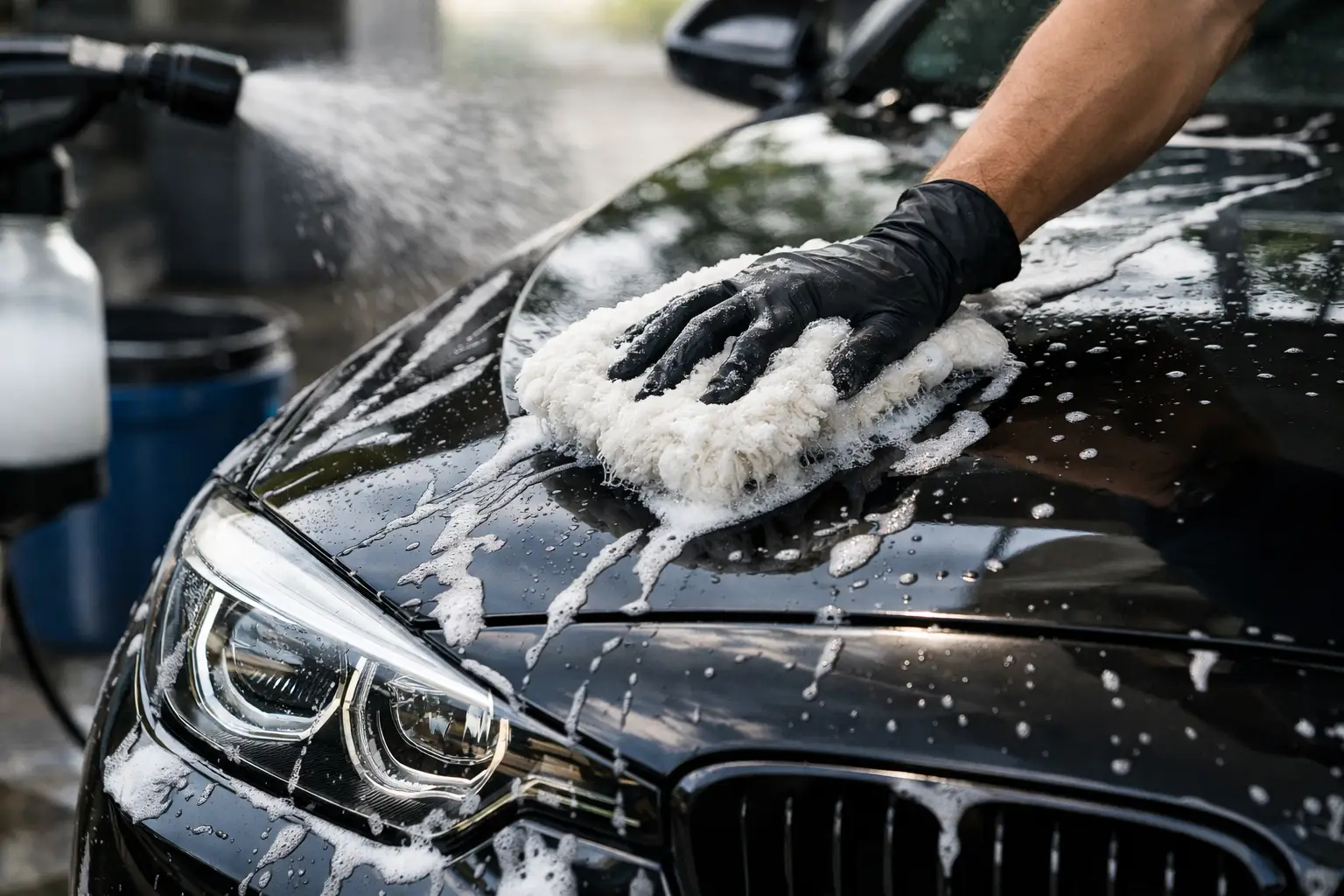
Ceramic coating makes routine cleaning easier, but it does not make your car maintenance-free. That is where people get into trouble. If you want to know how to wash ceramic coated car surfaces properly, the goal is simple - remove dirt without grinding it into the finish or leaving behind soap, minerals, and streaks that dull the coating.
A coated vehicle should wash up faster than an unprotected one because grime has a harder time sticking. Road film, bug residue, pollen, and winter salt still collect, especially here in New Hampshire where the weather rarely gives your paint a break. The coating helps, but your wash method is still what protects gloss and water behavior over time.
Why washing a coated car is different
Ceramic coatings are built to resist contamination and make water bead or sheet off the surface. That slickness is part of the benefit, but it also means you do not need the kind of aggressive scrubbing people often use on neglected paint. In fact, overdoing it is one of the quickest ways to reduce the look and performance you paid for.
The main difference is that a coated car rewards gentle, consistent washing. Letting heavy grime sit for weeks can clog the surface and make the coating seem weaker than it really is. On the other hand, using harsh chemicals, dirty mitts, or rough brushes can leave marring that no coating magically prevents.
That is why touchless washing appeals to a lot of coating owners. If you can remove dirt effectively without physical contact from brushes, you lower the chance of adding swirl marks. Beau would probably say your paint likes a little personal space.
How to wash ceramic coated car surfaces without harming the finish
Start with the mindset that lubrication and pre-rinse matter more than force. The safest wash is the one that removes as much contamination as possible before anything touches the paint.
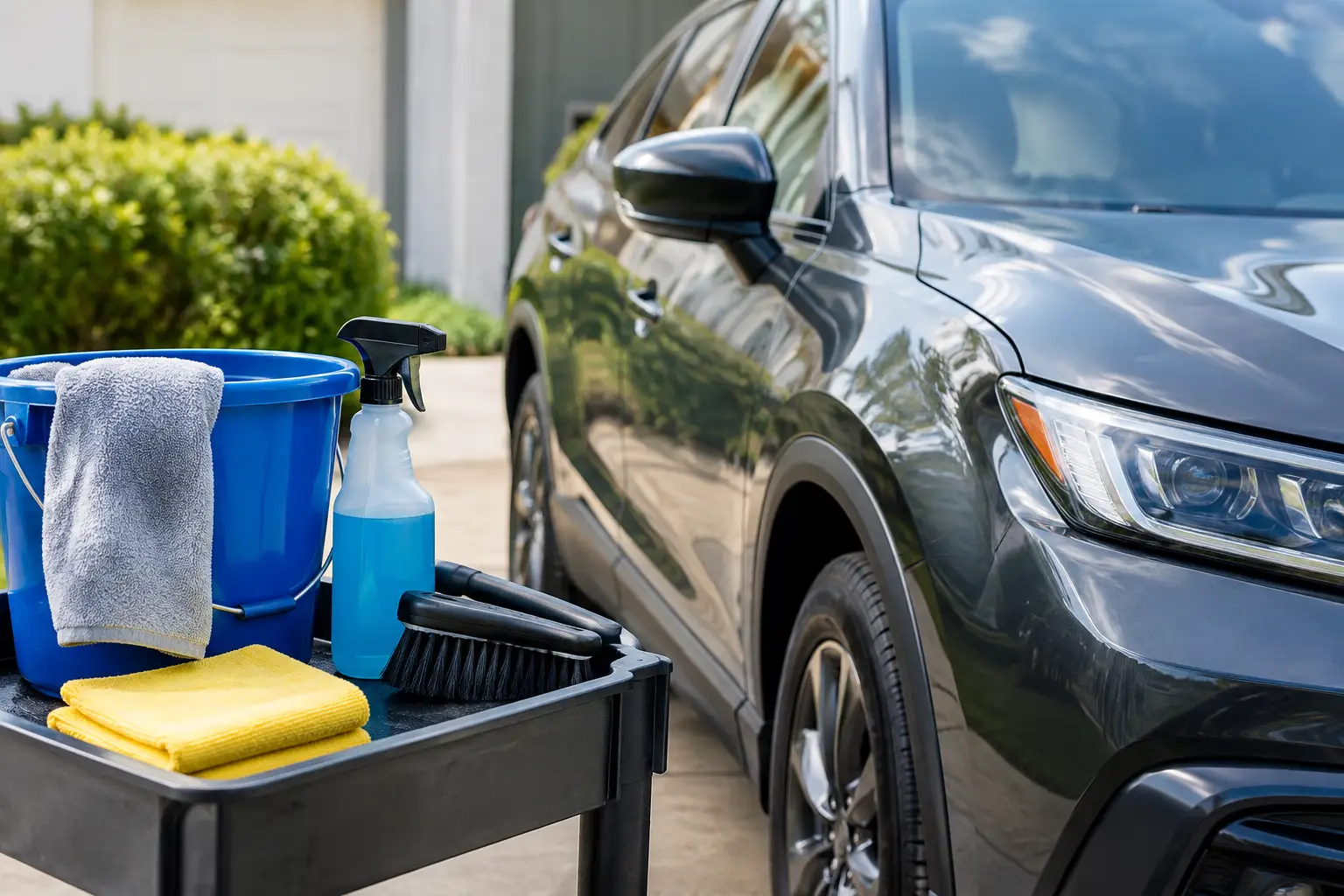
If you are washing at home, begin with a thorough rinse to knock off loose grit. Pay extra attention to lower panels, wheel arches, the rear hatch or trunk area, and behind the wheels where dirt builds up fast. That first rinse is not filler - it is what keeps abrasive debris from becoming a problem in the next step.
Use a pH-neutral car soap when possible. Strong cleaners are sometimes necessary for heavy contamination, but routine washing should stay gentle. A ceramic coating does not need wax-heavy shampoos or soaps that leave gloss enhancers behind. Those products can mask the coating, create streaking, or reduce the crisp water behavior that makes coated paint look clean in the first place.
Wash from the top down. Roof, glass, hood, upper doors, and then lower sections last. The dirtiest parts of the vehicle should never be the first places your wash media touches. If you are using a mitt, keep it clean and well rinsed between passes. A two-bucket setup can help at home, especially on darker vehicles where wash marks show faster.
Pressure matters too. Light contact is enough when the coating is healthy and the surface has been pre-rinsed properly. If you feel like you need to scrub hard, the surface is either still too dirty or the cleaner is not doing enough work. Stop, rinse again, and let chemistry and water pressure do more of the job.
The biggest mistakes people make
The most common mistake is assuming ceramic coating means you can wash less carefully. It still needs proper maintenance. Automatic brush washes, old sponges, household detergents, and drying with whatever towel is in the garage all add unnecessary risk.
Another issue is washing in direct sun when the panels are hot. Soap and minerals dry too quickly, and that can leave spotting that stands out even more on a glossy coated finish. Shade is better. If that is not possible, wash one section at a time and dry promptly.
People also tend to wait too long between washes. A coating helps with cleanup, but bird droppings, bug splatter, tree sap, and salt brine should not sit on the vehicle for long. The longer contamination stays on the surface, the more likely it is to stain, bond, or require stronger cleaning later.
Is touchless washing safe for a ceramic coated car?
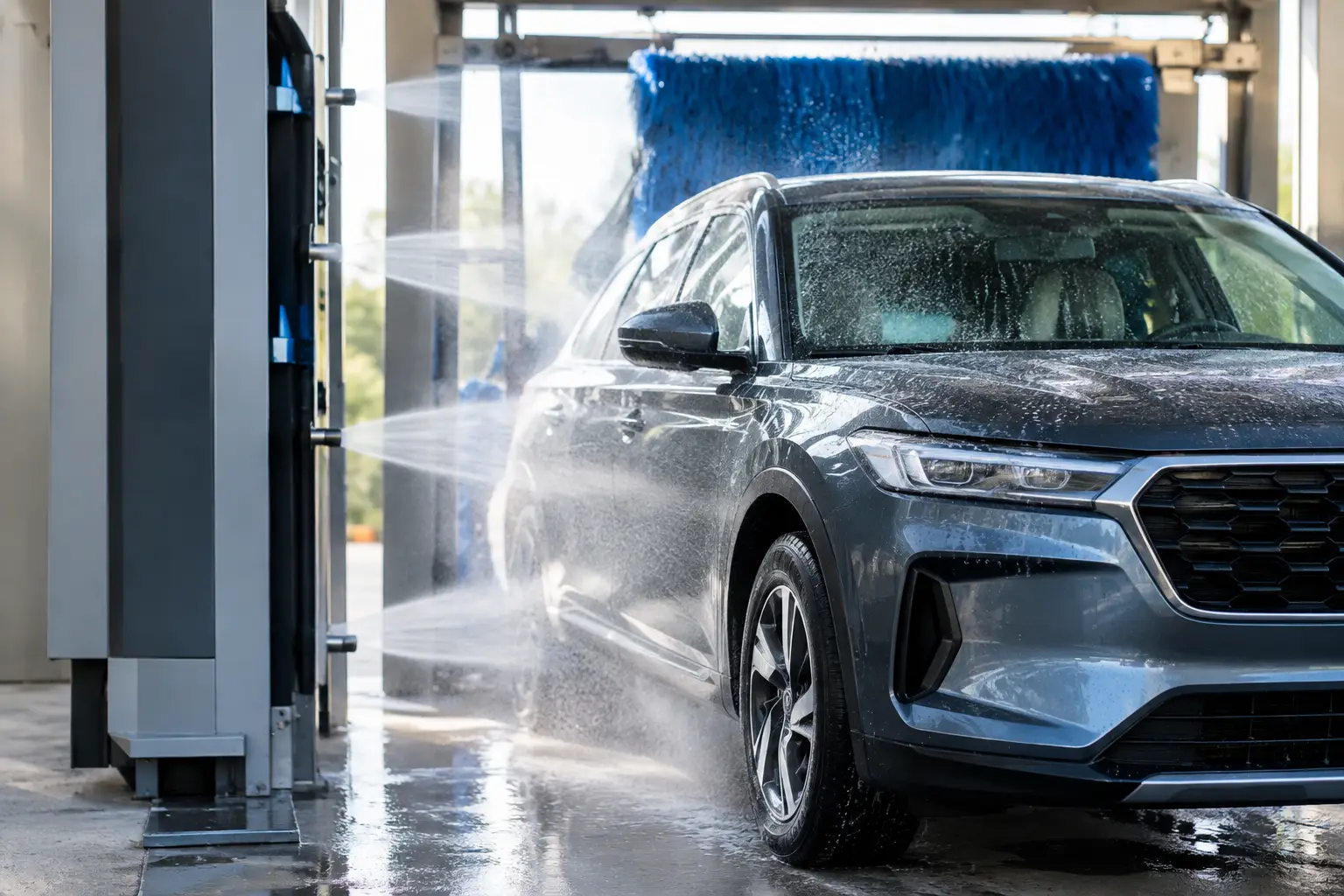
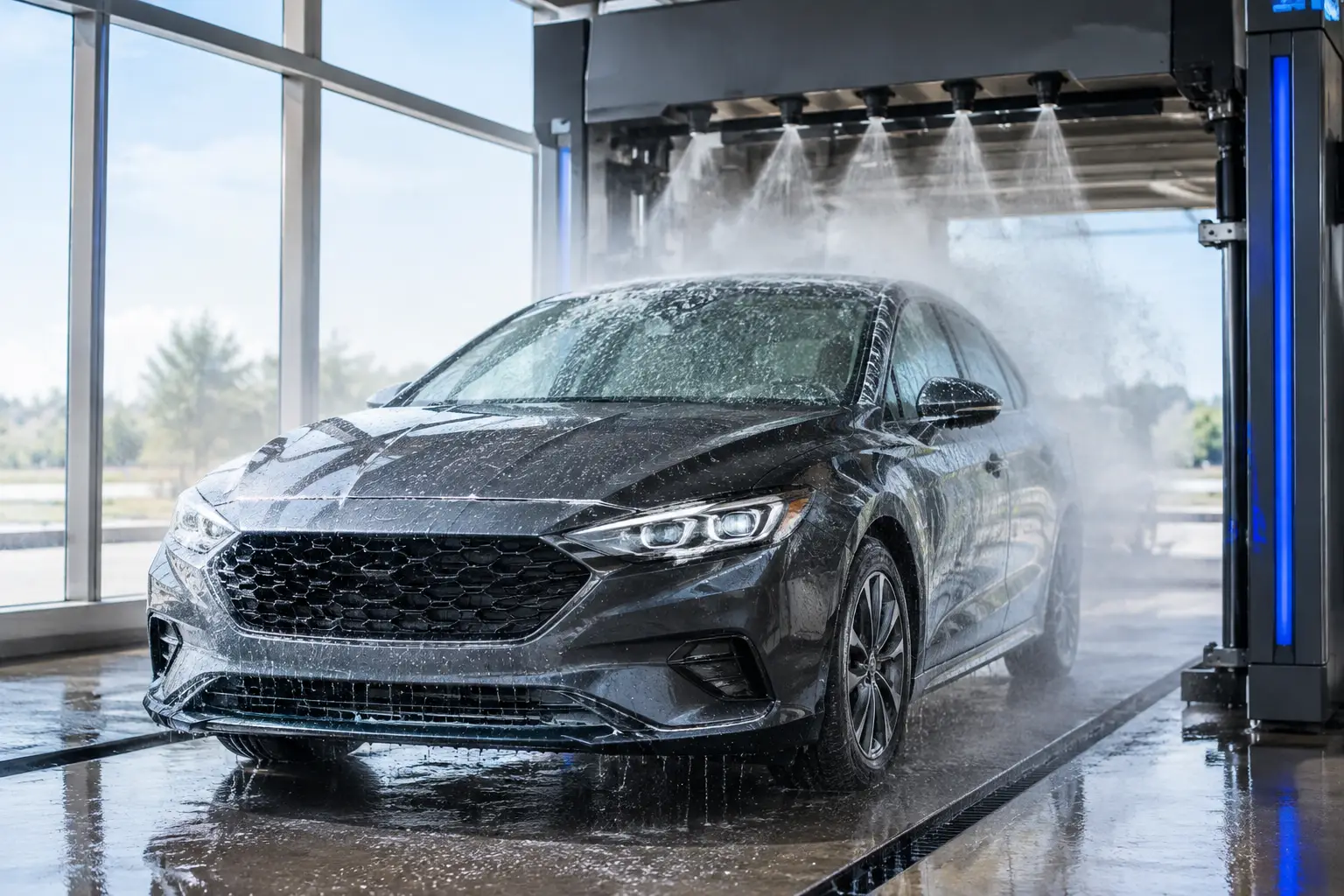
In many cases, yes. For drivers who want a fast, practical option, a quality touchless wash is often a smart fit for coated vehicles because it cleans without brushes dragging against the paint. That matters if your priority is reducing contact and keeping the finish looking sharp between deeper maintenance washes.
The trade-off is that not every touchless wash handles every kind of mess equally. Thick mud, packed winter grime, or heavy bug buildup may still need extra attention. But for regular upkeep, especially when roads are wet, salty, dusty, or covered in pollen, touchless washing can be a convenient way to stay ahead of buildup before it turns into a bigger job.
That is especially useful in New Hampshire, where one week can bring road salt, the next brings rain, and then pollen decides to join the party. Routine cleaning is what keeps a coated car looking like it should.
Drying matters more than most drivers think
A lot of wash damage happens after the soap is gone. If the car air-dries with hard water on the surface, mineral spots can cling to the coating and make the finish look rough or cloudy. If you dry with a low-quality towel, you can put light marks right back into the paint.
Use a clean, soft microfiber drying towel or a dedicated car dryer if you have one. Blotting or light gliding is better than pressing down hard. On a well-maintained coating, water should leave the surface easily, so drying should feel quick, not like a workout.
If you notice the coating is not shedding water the way it used to, that does not always mean it failed. It may just be clogged with minerals, traffic film, or leftover soap. A proper maintenance wash usually helps, and sometimes a coating-safe decontamination process is needed.
What products should you avoid?
Skip household cleaners, dish soap, abrasive polishes, and wash products with unknown additives. They may clean aggressively, but they are not designed with automotive finishes or coatings in mind. The short-term result can look fine while the long-term result is reduced slickness, more spotting, or unnecessary wear.
Be careful with spray waxes and sealants too. Some are compatible with ceramic coatings, and some just create buildup. If the finish suddenly feels grabby, smears more than usual, or loses its clean beading pattern, too much product may be sitting on top of the coating.
That is one reason simple is usually better. Gentle soap, plenty of rinse water, safe drying, and consistent upkeep will do more for your coating than a shelf full of gimmicks.
How often should you wash a ceramic coated car?
It depends on where and how you drive. A garage-kept weekend vehicle might only need light routine washing. A commuter dealing with highway grime, construction dust, rain, and winter salt should be cleaned much more often.
For many drivers, every one to two weeks is a good rhythm. In winter, more frequent washing makes sense because salt and slush build up fast. During pollen season or after long rainy stretches, washing sooner helps keep the coating from getting loaded up with residue.
If the car no longer looks slick, feels rough, or beads unevenly, that is your sign not to wait. A coated vehicle looks best when contamination never gets the chance to settle in.
A practical routine that works
The best wash routine is the one you will actually keep up with. For some owners, that means a careful hand wash at home when conditions are right. For others, it means using a dependable touchless wash to stay consistent without spending an hour in the driveway.
If your schedule is packed, convenience matters. A fast, vehicle-safe touchless wash can help you maintain the benefits of your ceramic coating instead of falling behind and dealing with heavier contamination later. That is why many local drivers choose practical upkeep over waiting for the car to get bad enough to become a project.
At Black Dog Car Wash, that same thinking drives the touchless approach - safe exterior cleaning, quick access, and no brushes making contact with your finish. When your car already has ceramic protection, keeping the wash method simple and paint-friendly is usually the smart move.
A ceramic coated car does not need special treatment for the sake of sounding fancy. It needs a clean process, the right amount of care, and a wash routine you can stick with through mud season, salt season, and everything in between. Keep it gentle, keep it consistent, and your coating will keep doing its job.