Road salt does not stay on your boots. It lands on the floor mats, gets ground into carpet, and follows you through every New Hampshire season. Add coffee runs, dog hair, snack crumbs, muddy cleats, and a few weeks of commuting, and your vehicle can start feeling less like your car and more like a rolling storage bin. A good car vacuum is one of the quickest ways to reset the interior without turning cleaning day into an all-afternoon project.
The goal is not perfection. It is removing the dirt, grit, and debris that make your vehicle look worn out and can be harder to remove the longer they sit. With the right approach, a thorough interior vacuum takes far less time than most drivers expect.
Why a Car Vacuum Matters More Than You Think
Vacuuming is about more than having a clean-looking floor. Sand, salt crystals, and small stones can work their way into carpeting and under mats. Over time, that grit can wear down carpet fibers and leave the interior looking dull even after a basic cleanup.
For families and commuters, the bigger issue is often buildup. Crumbs find their way under child seats. Pet hair collects along the rear bench. Dirt gathers in door pockets and seat tracks where it is easy to ignore. A regular car vacuum routine keeps these small messes from becoming a major cleanout later.
It also makes the rest of your vehicle care easier. When floor mats and carpet are clean, you can spot a new spill, a damp area, or a missing item before it disappears under a layer of everyday debris.
Start With a Clear-Out, Not the Vacuum Hose
The fastest way to waste time at a vacuum station is to start vacuuming around water bottles, receipts, umbrellas, and everything else that lives in the cabin. Take two minutes first to remove the larger items. Empty door pockets, the center console, cup holders, cargo areas, and under-seat storage.
Pull out the floor mats next. Shake them away from the vehicle to remove loose dirt, dried mud, and salt. If they are rubber or all-weather mats, knocking them together can loosen debris from the grooves. Carpet mats benefit from a firm shake and a few taps against a hard surface.
This small amount of preparation lets the vacuum do what it does best: lift the fine debris that is left behind. It also keeps larger objects from clogging the hose or getting wedged in the vacuum nozzle.
How to Vacuum Your Car Efficiently
A clean interior does not require random passes over the carpet. Work from high areas down toward the floor so anything you knock loose ends up where the vacuum can catch it last.
Begin With Seats and Creases
Start with the seats, especially the seams, edges, and space where the seat bottom meets the backrest. Crumbs, hair, and grit settle in those tight areas. Use a narrow crevice tool when available, or angle the hose carefully along the seams.
Move the front seats forward and backward to reach the floor underneath. This is where loose change, wrappers, pet hair, and enough grit to fill a small sandbox tend to collect. Beau would probably tell you that finding an old French fry under the seat is not a reason to eat it. He would be right.
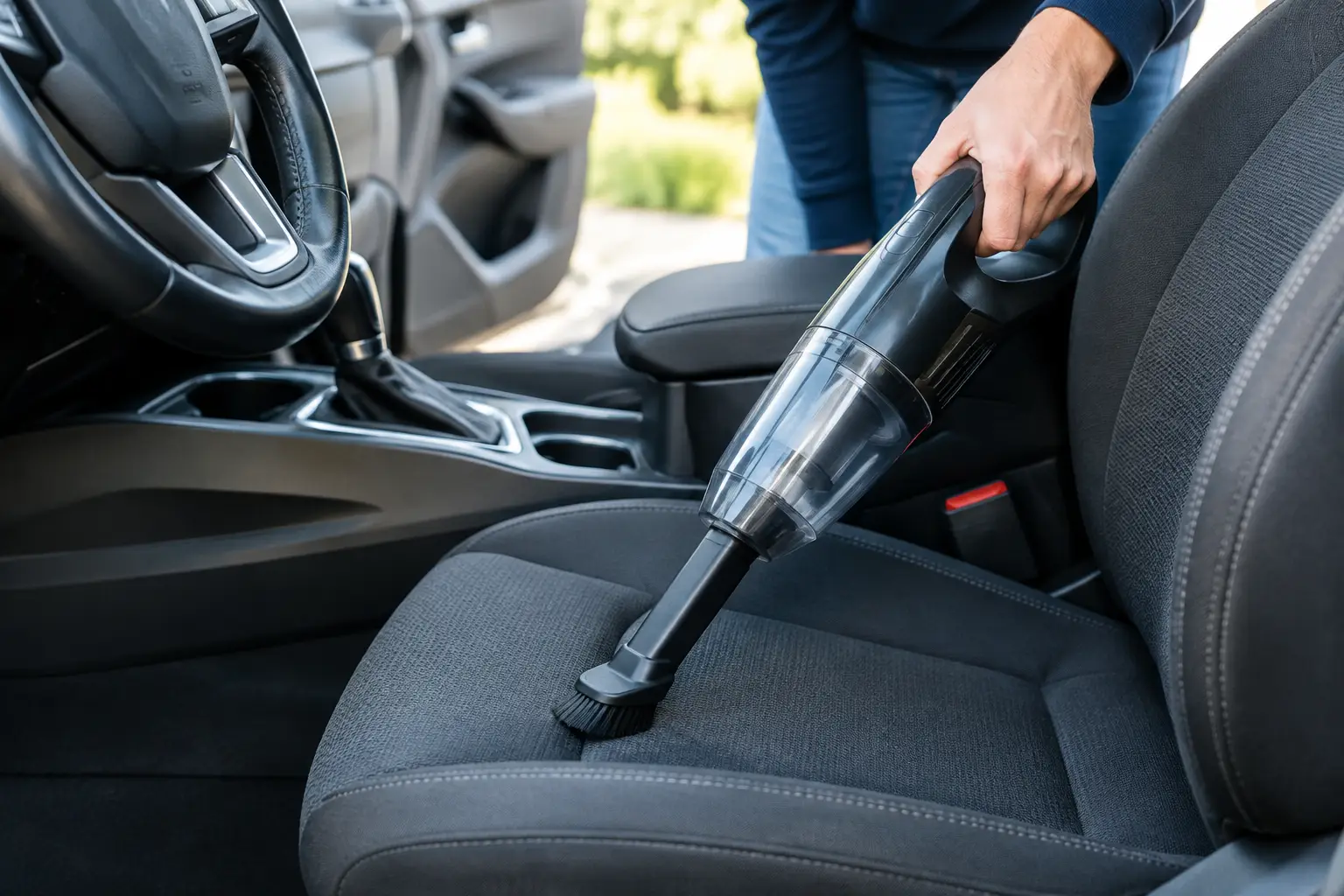
For cloth seats, vacuum in short, overlapping strokes. For leather or vinyl, use a soft brush attachment if one is available, and avoid dragging a hard plastic nozzle directly across the surface. The vacuum is for loose dust and debris, not for scrubbing stains out of upholstery.
Work Through the Carpet in Sections
Vacuum one area at a time instead of bouncing from the driver floor to the trunk and back again. A simple order works well: front seats, rear seats, front carpet, rear carpet, then cargo area. This helps you avoid missing the spots you use every day.
Slow passes are more effective than fast ones. Give the suction time to pull debris out of carpet fibers, particularly around pedals, seat rails, and the edges near the doors. If the carpet is heavily packed with sand or salt, use your fingers or a stiff interior brush to loosen it before vacuuming again.
Pay special attention to the driver-side floor. That area takes the most abuse during winter, when wet boots track in slush, salt, and gravel. A quick vacuum every week or two during the cold months can make spring cleaning much easier.
Do Not Forget the Tight Spaces
The areas between the seats and center console are easy to miss, but they collect a surprising amount of debris. Run the crevice tool along the edges of the console, around seat brackets, and beneath the seat tracks.
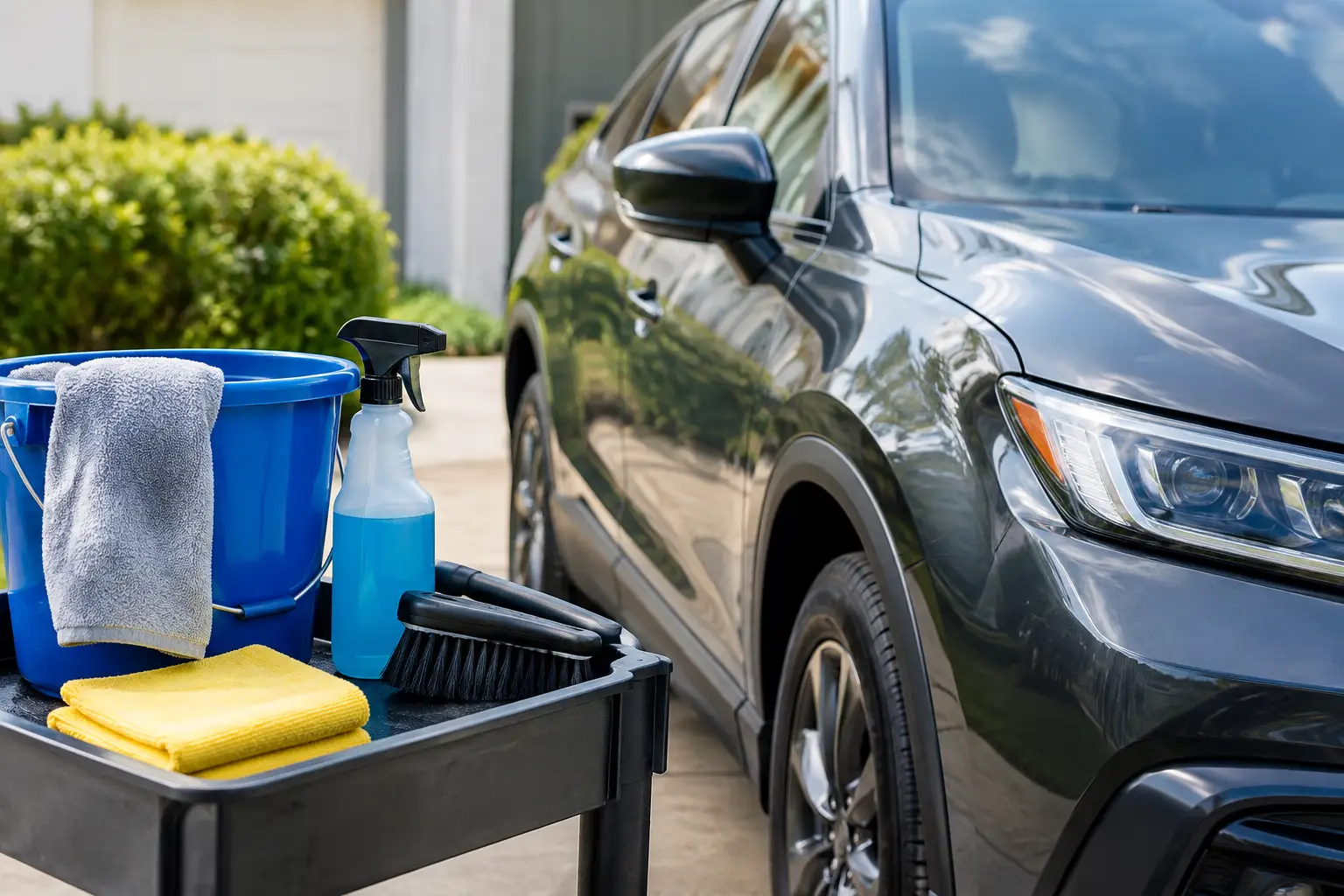
Vacuum door pockets, cup holders, and the edges of the trunk or cargo area as well. For vents, dashboard controls, and electronics, avoid pressing a vacuum nozzle directly against delicate surfaces. A soft detailing brush can loosen dust first, while the vacuum hose held nearby catches it.
Choosing the Right Car Vacuum Setup
A small cordless vacuum can be useful for a quick cleanup at home, especially if you only need to pick up a few crumbs or fresh dirt from the mats. The trade-off is usually limited suction and battery life. It may handle a minor mess well, but it can struggle with embedded pet hair, winter sand, or a full interior clean.
A high-powered vacuum station is often the better choice when the vehicle needs more than a touch-up. Stronger suction helps lift debris from carpeting, and a longer hose makes it easier to reach under seats and into the cargo area without hauling equipment around your driveway.
Attachment choice matters, too. A wide nozzle covers open carpet quickly, while a crevice tool is better for seams and narrow gaps. A brush attachment is useful around fabric seats and textured plastic. You do not need every accessory in the world. You need enough reach and suction to clean the places dirt actually hides.
What Not to Vacuum
A car vacuum is made for dry debris. Avoid vacuuming standing water, wet snow, or a soaked floor mat unless the equipment is specifically designed for wet pickup. Excess moisture can create odors, encourage mildew, and make the interior harder to dry.
Do not vacuum up loose coins, sharp objects, screws, or large chunks of mud. Pick those up by hand first. The same goes for sticky spills. Vacuuming a melted candy mess or spilled drink residue can make a bigger problem inside the hose and leave the surface just as dirty.
If you notice a musty smell, wet carpet, or recurring moisture under the mats, vacuuming alone will not solve it. Dry the area thoroughly and look for the source, whether it is snow-covered footwear, a leaking bottle, or a vehicle issue that needs attention.
Build a Routine That Fits Your Drive
How often you vacuum depends on how you use your vehicle. A solo commuter may only need a quick interior cleanup once or twice a month. Families, pet owners, rideshare drivers, and anyone hauling sports gear may need it weekly. In winter, more frequent attention is usually worth it because salt and sand build up fast.
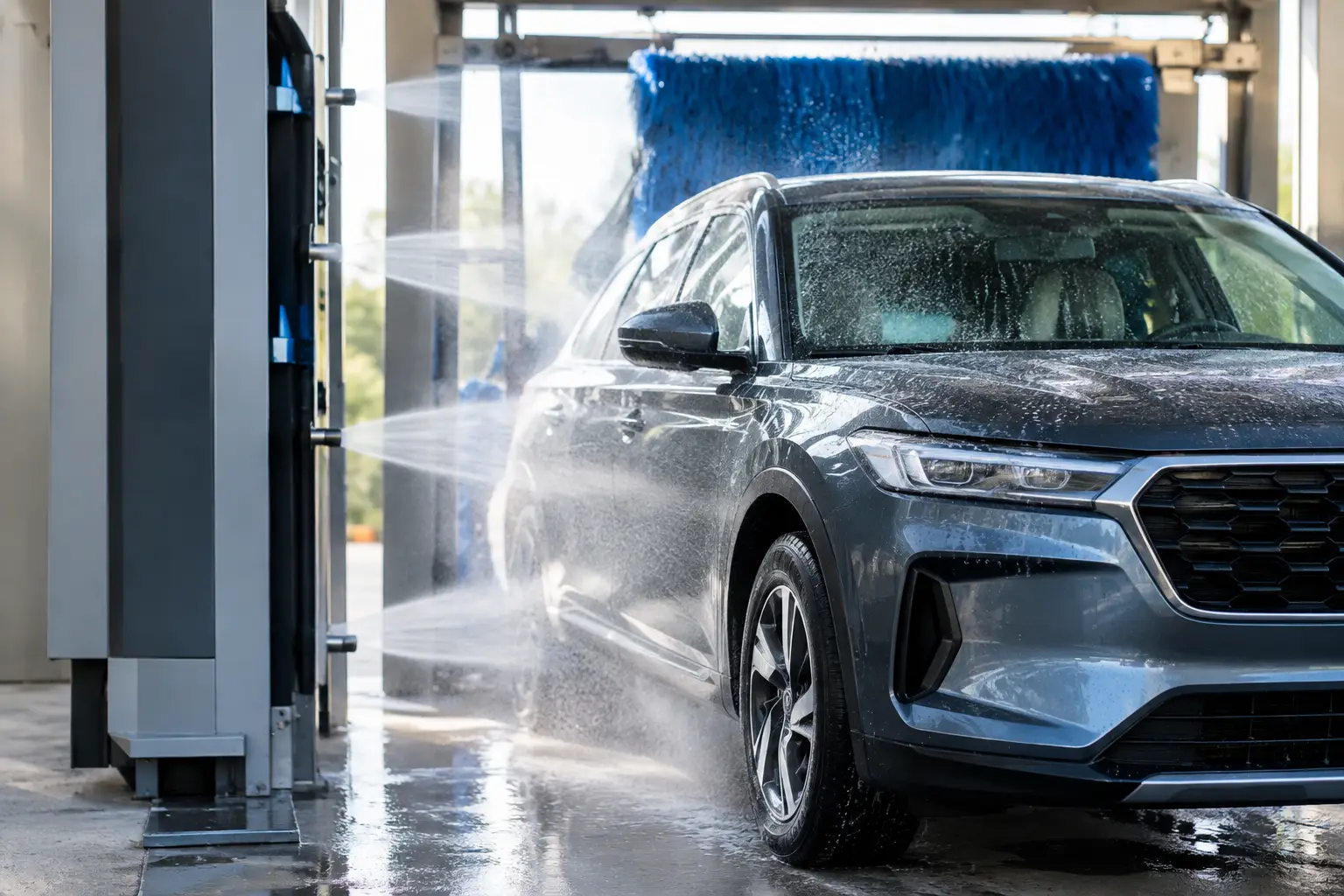
The easiest routine is to pair vacuuming with something you already do. When your exterior needs a wash, take a few extra minutes for the mats and floors. Black Dog Car Wash gives drivers in Londonderry and Belmont a practical place to handle both, with touchless washing and high-powered vacuum stations available around the clock.
Keep a small trash bag or container in the vehicle, and empty it regularly. That one habit cuts down on the wrappers and receipts that turn a simple vacuum job into a larger cleanup. For pet owners, a washable seat cover can also reduce the amount of hair that reaches the upholstery and carpet.
A Cleaner Cabin Starts With One Good Pass
Your vehicle works hard through muddy springs, pollen-heavy summers, leaf-covered falls, and salt-filled winters. Give the interior the same attention you give the outside. A few focused minutes with a car vacuum can make the next commute, errand run, or family trip feel noticeably better - and it keeps the mess from getting comfortable.