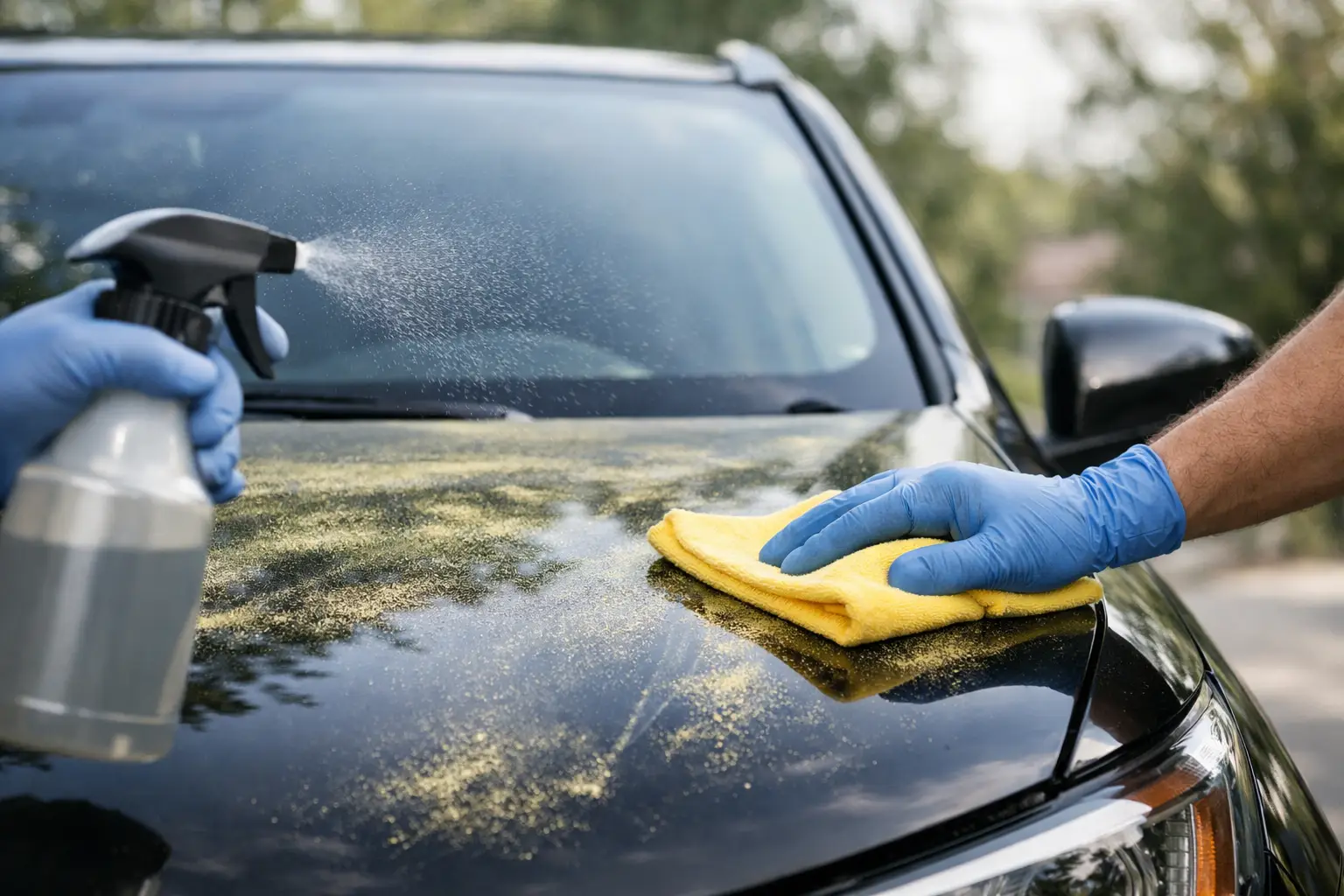
That yellow-green dust looks harmless until it cakes onto your hood, clings to the glass, and turns every wipe into a chance to scratch your paint. If you are wondering how to remove pollen from car surfaces without making a bigger mess, the short answer is this: use plenty of water, keep friction low, and resist the urge to dry-wipe it off.
In New Hampshire, pollen season does not ask for your permission. One warm day can leave your vehicle looking fuzzy by afternoon, especially if it is parked outside near trees. The good news is that pollen is usually easier to remove than winter grime or baked-on bug residue. The catch is that it has to be removed the right way.
How to remove pollen from car paint without scratches
The biggest mistake drivers make is using a dry towel, duster, or even a hand to brush pollen away. Beau would probably call that a quick way to give your paint an unwanted exfoliation treatment. Pollen particles may seem soft, but once they mix with dirt, dust, and whatever else is sitting on your vehicle, rubbing them across the surface can leave fine scratches and swirl marks.
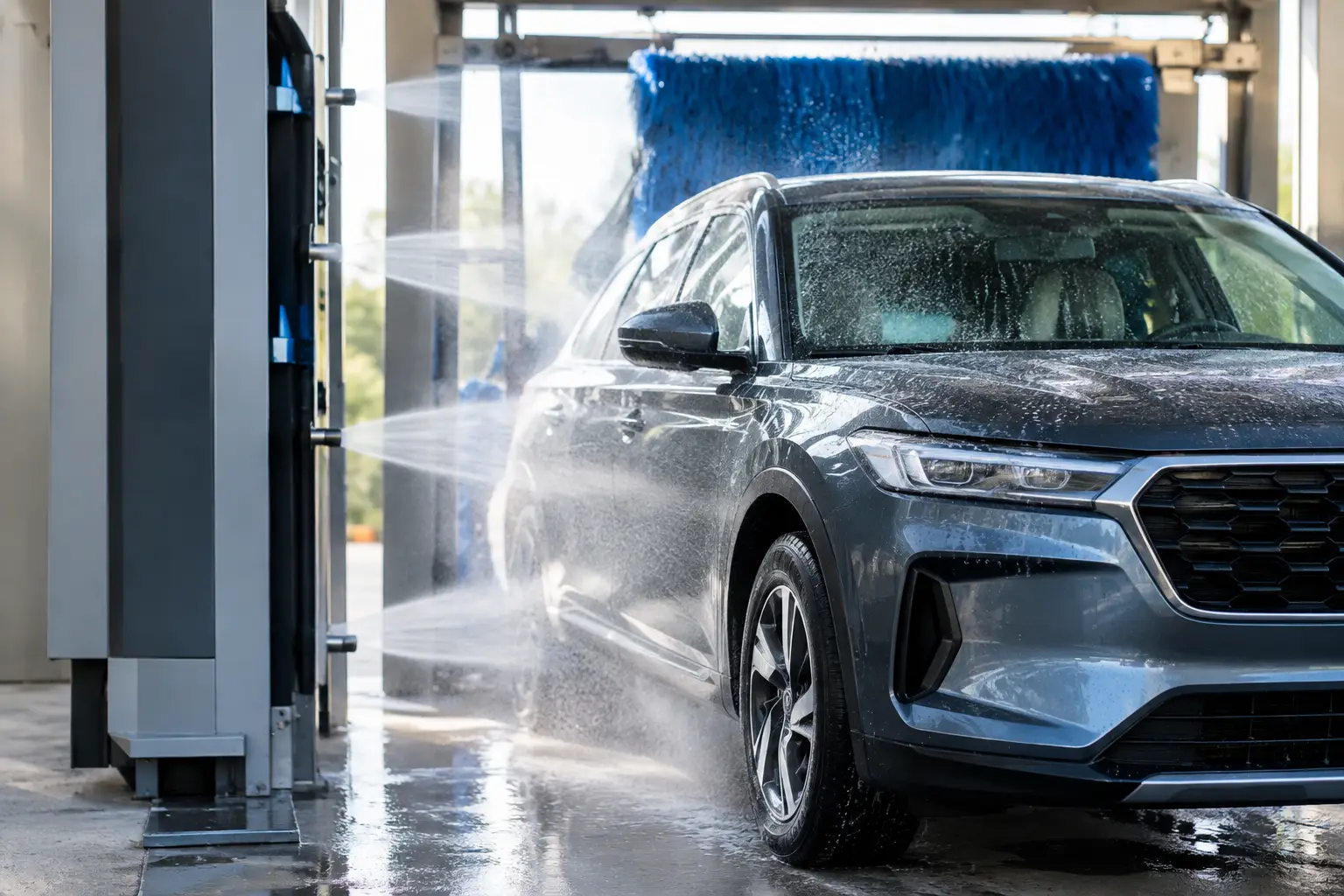
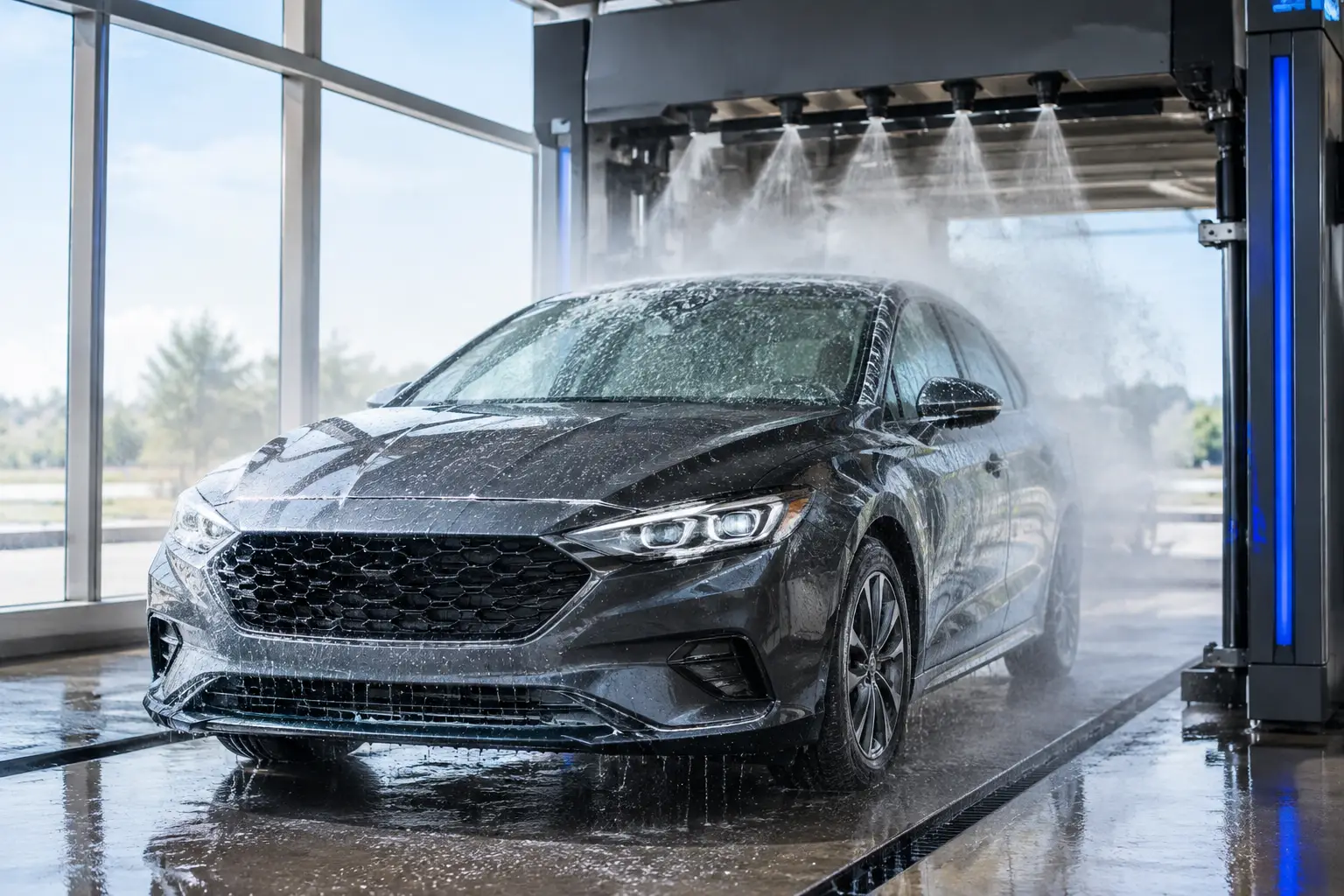
Start with a thorough rinse. Water does the heavy lifting here because it loosens and carries away most of the loose pollen before anything touches the paint. If you have access to a touchless wash, that is one of the safest options because it removes buildup with high-pressure water and cleaning solutions instead of brushes or hand contact.
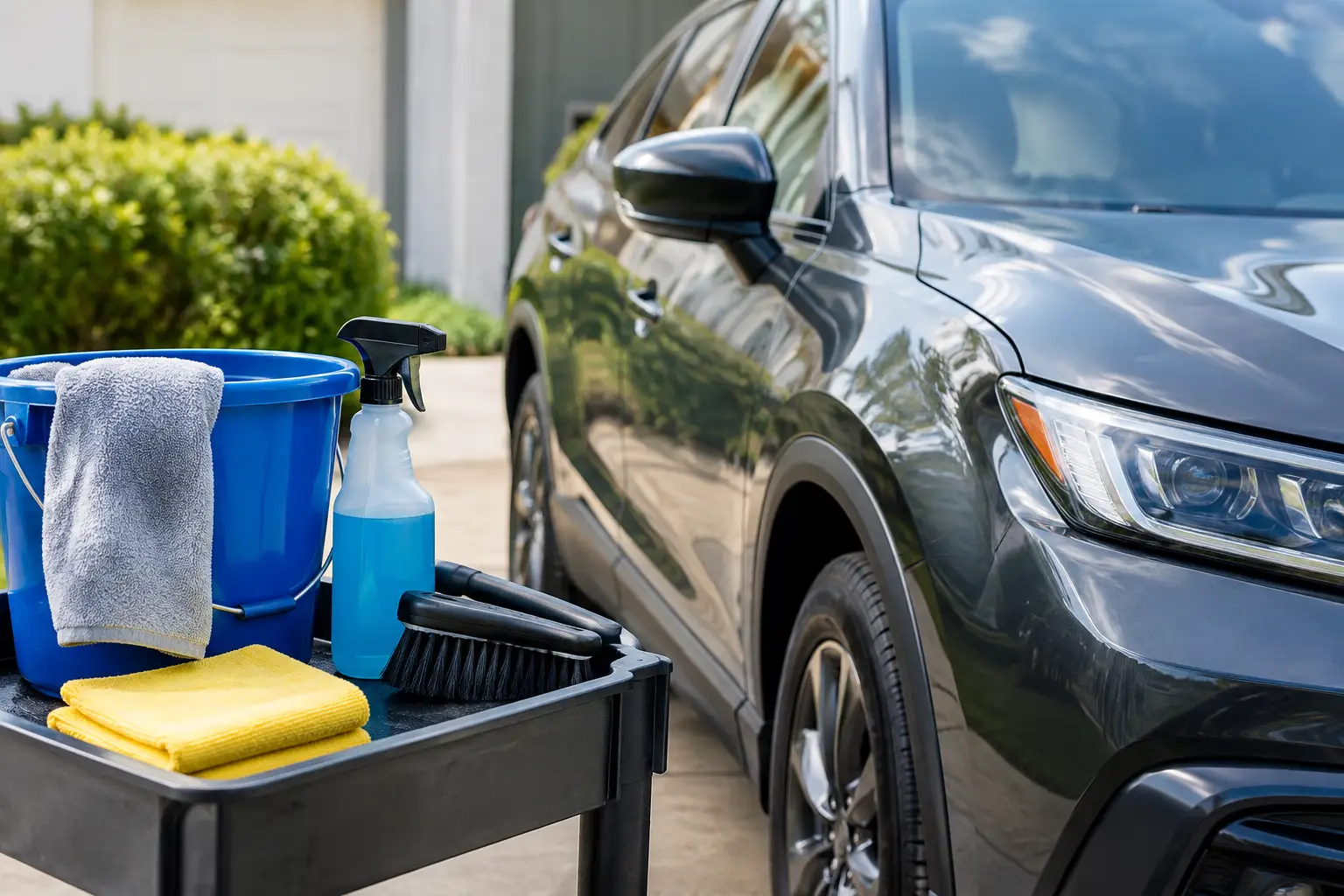
After the initial rinse, wash the vehicle with a car-safe soap if needed. Focus on areas where pollen tends to settle and stick, including the hood, roof, windshield edges, cowl area near the wipers, side mirrors, and rear deck. If the pollen has mixed with sap, bird droppings, or road film, it may need more than a simple rinse.
Drying matters too. Letting water evaporate on its own can leave spots, especially on dark paint. Use a clean microfiber drying towel or a blower made for vehicle drying. The key is clean materials and light contact. If the towel hits a spot that still feels gritty, stop and rinse again.
Why pollen should not sit on your car for long
A day or two of pollen is mostly a cosmetic issue. Leave it longer, especially through dew, rain, or hot sun, and it becomes more stubborn. Moisture can turn pollen into a film that sticks to paint and glass. Heat can bake that layer down and make it harder to rinse clean.
There is also the visibility issue. Windshields collect pollen fast, and wipers can smear it into a hazy layer that is annoying in bright sun or at night. If your cowl and air intake area are loaded with pollen, some of it can also find its way into the cabin, which is bad news for anyone with allergies.
That does not mean you need to wash your car every single day in spring. It does mean that if the car is heavily coated, it is smart to deal with it before it turns into a sticky mix of pollen, grime, and water spots.
The best way to wash off heavy pollen buildup
If your vehicle looks like it has been rolled in powdered mustard, go gentle and go in stages. First, rinse the entire vehicle from top to bottom. Do not rush this part. A solid pre-rinse removes the loose layer that causes the most rubbing damage.
Next, wash with car shampoo or run the vehicle through a quality touchless wash. This is where convenience matters. When pollen hits hard, most people are not looking for a two-hour detailing project. They want a safe, effective clean that fits between errands, work, and school pickup. A touchless wash is especially useful for drivers who want to keep contact to a minimum while still getting strong cleaning power.
If some residue remains after washing, especially around trim or windshield edges, use a soft microfiber towel with detailing spray or wash solution as lubrication. Never scrub a dry surface. If it still does not come off easily, rinse again and repeat. Stubborn residue usually gives up faster with more water and patience than with more pressure.
What not to do when removing pollen
A few shortcuts create more problems than they solve. Dry dusting is the big one. It feels fast, but it drags particles across the finish. Household cleaners are another bad bet. Glass cleaner, dish soap, and all-purpose sprays may strip protection, dry out trim, or leave streaks.
Leaf blowers and compressed air can help in cracks and around mirrors, but they are not a full solution for heavy buildup. They may move loose pollen around without actually removing the film underneath. And if you use a towel that has been sitting in the trunk for a month, you may be introducing more grit than you are removing.
The safest rule is simple: if the surface is dusty and dry, add water before you add pressure.
How often should you wash during pollen season?
It depends on where you park, how much you drive, and how picky you are about appearance. A car parked under trees may need attention every few days during peak pollen weeks. A garage-kept vehicle driven mostly for commuting may be fine with less frequent washes.
For most drivers, washing once the buildup becomes obvious is enough to protect the finish and keep visibility clear. If allergies are a concern, you may want to clean the exterior more often, especially around door handles, windows, and the base of the windshield where pollen likes to gather.
This is one reason many drivers prefer a fast, repeatable wash routine instead of waiting until the car looks rough. Pollen is easier to remove in light layers than after a week of sun and rain have worked it into the surface.
How to keep pollen from building up as fast
You cannot stop pollen season, but you can make cleanup easier. Parking in a garage helps if you have one. Avoiding spots directly under heavy tree cover also makes a difference. Even moving a few spaces away from the biggest pollen source can reduce what lands on the car.
Paint protection helps too. A wax, sealant, or ceramic coating will not make your vehicle pollen-proof, but it can make the surface slicker so pollen rinses off more easily. Glass treatments can also reduce sticking on windows and help your wipers work better after a dusty day.
Routine washing is still the real answer. The less time pollen has to sit, mix with moisture, and bond to the surface, the easier it is to remove safely.
Don’t forget the windshield, wipers, and cabin air concerns
When people think about how to remove pollen from car surfaces, they usually mean the paint. But pollen on glass and around the windshield matters just as much. Clean the windshield thoroughly, and wipe the wiper blades with a damp microfiber towel if they are leaving streaks. If your blades are old, pollen season tends to expose that fast.
It is also worth checking or replacing the cabin air filter if you notice more dust inside the vehicle or your allergies flare up while driving. Exterior washing will not solve everything if your filter is clogged with spring debris.
Vacuuming floor mats and seats can help too, especially if yellow dust is getting tracked into the cabin. Pollen has a way of showing up everywhere once the windows are down for a few mild afternoons.
When a touchless wash makes the most sense
If you want the safest balance of speed, convenience, and paint-friendly cleaning, touchless washing is hard to beat during pollen season. It is especially useful when your car needs frequent cleaning and you do not want repeated physical contact on the finish.
For everyday drivers, commuters, and families, the best wash routine is usually the one you will actually keep up with. A touchless wash works well because it is quick, available when you need it, and effective against loose pollen, road film, and seasonal grime. That is a big part of why many local drivers rely on Black Dog Car Wash when spring starts coating everything in sight.
Pollen is annoying, but it does not have to stay on your vehicle or damage the finish while it is there. A careful rinse, a safe wash, and a little consistency go a long way. When the trees start throwing yellow dust at your car again tomorrow, at least you will know exactly what to do.