That dull film you notice after a week of New Hampshire driving is not just dirt. It is road salt, grit, pollen, brake dust, bug residue, and whatever the weather decided to throw at your car next. If you want to protect car paint finish and keep your vehicle looking sharp longer, the biggest difference usually comes from simple, consistent habits rather than one big detail day.
Paint damage rarely starts with a dramatic scratch. More often, it builds up slowly. A little salt sits too long. Bird droppings bake in the sun. Dust gets rubbed across the surface during a rushed wipe-down. By the time the finish starts to look tired, the wear has already been happening for months. The good news is that protecting your paint is not complicated if you know what matters most.
What actually damages your paint
Most drivers think about scratches first, and that makes sense. They are visible, annoying, and expensive to correct. But some of the worst paint wear is chemical and environmental.
Road salt is a major issue in this region. It does not just make a car look bad. It clings to the surface, works into seams, and keeps moisture hanging around longer than it should. Mud and sand are rough in a different way. They act like abrasives, especially when they are dragged across paint during washing or drying.
Then there is tree sap, bird droppings, bug splatter, and pollen. These can all bond to the finish if they sit too long. Sun exposure adds another layer of stress by fading and oxidizing unprotected paint over time. Even rain is not always harmless if it leaves behind mineral deposits or mixes with airborne contaminants.
That is why paint protection is less about one miracle product and more about reducing exposure, washing the right way, and adding a barrier between your vehicle and the elements.
The best way to protect car paint finish starts with washing
If the goal is to protect car paint finish, regular washing is the first job. A dirty car is not just a cosmetic problem. It is a surface covered in contaminants that can wear down clear coat over time.
The timing matters. In winter, waiting too long between washes gives salt and grime more time to do damage. In spring, pollen and rain can leave a stubborn film. In summer, bug residue and sun exposure become bigger issues. In fall, leaves, sap, and moisture can sit on the vehicle longer than you realize.
For most drivers, a steady routine beats occasional deep cleaning. Washing after storms, salt events, long highway drives, or messy commutes makes more sense than letting buildup linger for weeks.
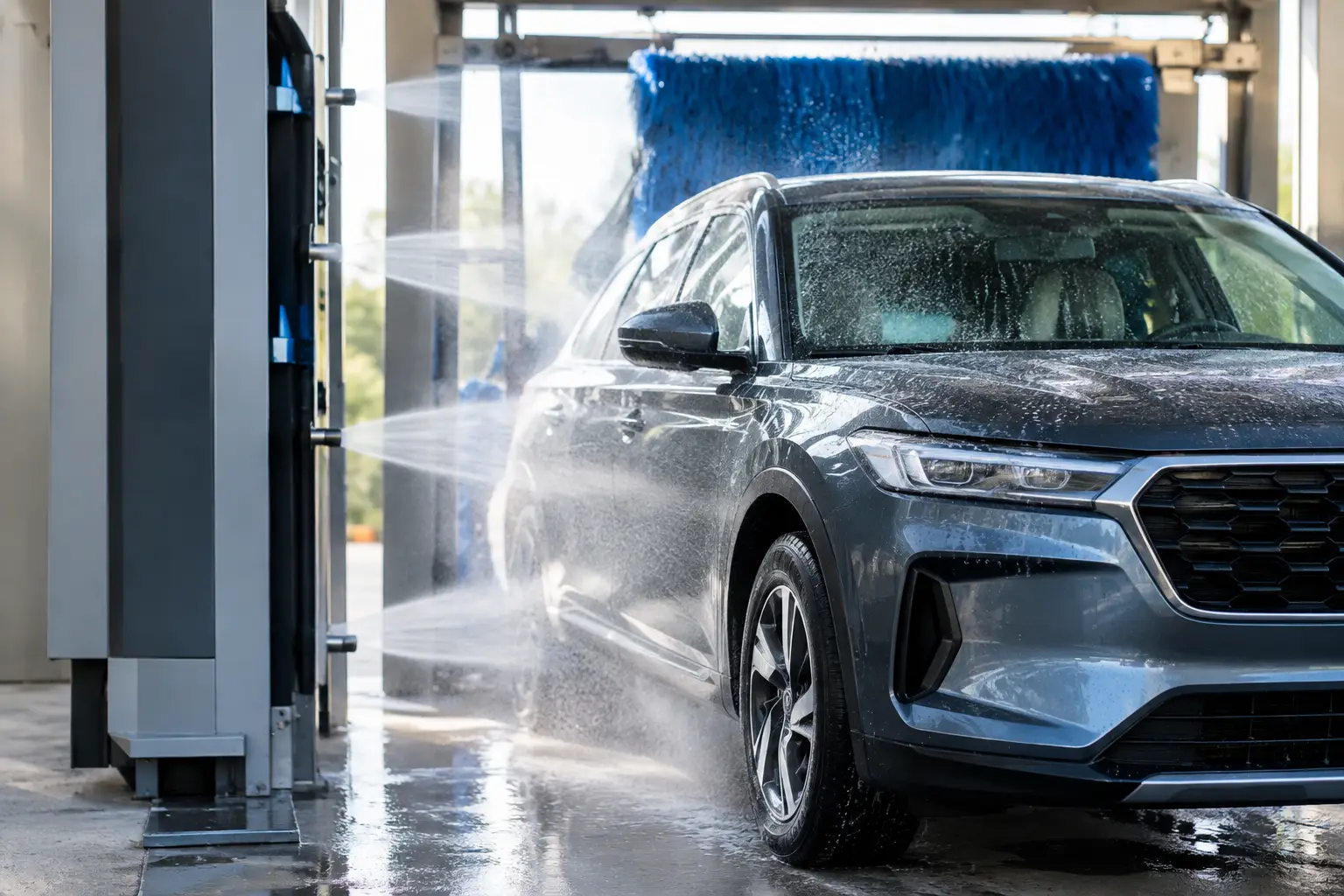
Just as important is how the wash happens. Friction is where many paint problems begin. When dirt is physically pushed across the surface, fine scratches and swirl marks can follow. That is one reason touchless washing appeals to drivers who care about finish protection. It removes grime without brushes touching the paint, which helps lower the risk of that wear from physical contact.
Why touchless washing makes sense for paint care
Not every dirty car needs aggressive scrubbing. In fact, when paint protection is the priority, less contact is often better.
A quality touchless wash uses cleaning solutions, water pressure, and rinse cycles to lift away grime without the friction that can come from cloth strips or rotating brushes. That matters for newer vehicles, darker paint colors that show marks easily, and anyone trying to preserve a clean finish through repeated washes.
There is a trade-off, and it is worth being honest about. If your vehicle is covered in heavy caked-on mud after a back-road weekend, a touchless wash may not remove every last bit in one pass. But for normal day-to-day buildup like road film, salt residue, dust, and seasonal grime, it is a smart choice for drivers who want safe, consistent cleaning.
That is the lane Black Dog Car Wash serves well. For local drivers in Londonderry and Belmont, touchless washing offers a practical way to stay ahead of grime without adding unnecessary contact to the paint.
Drying and wiping can do more harm than people think
A lot of paint damage happens after the wash, not during it.
If you wipe a dusty or partly dirty surface with a dry towel, you are basically grinding leftover particles into the finish. Even using the wrong towel can leave light scratches. Paper towels, old bath towels, and whatever is rolling around in the trunk are common offenders.
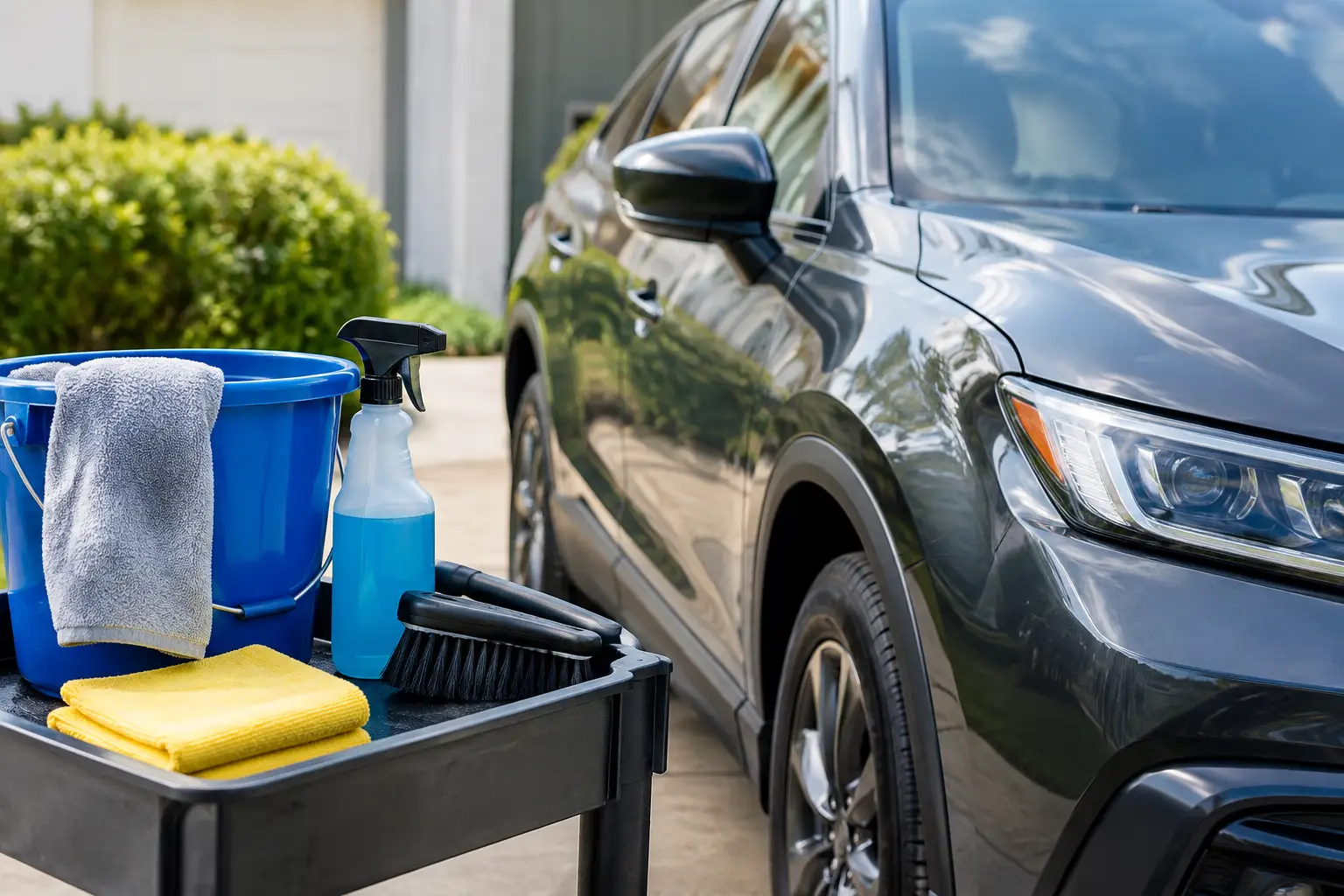
If you hand dry your car, use a clean microfiber towel made for automotive surfaces. Fold it often so you are not dragging the same debris across the paint. Better yet, avoid unnecessary wiping when the surface is still carrying grit.
This is one place where convenience helps. When washing is easy to fit into your schedule, you are less likely to resort to the quick driveway wipe that seemed harmless at the time.
Wax, sealants, and coatings - what is worth it?
You do not need to become a detailing expert to protect your paint, but it helps to know what these terms really mean.
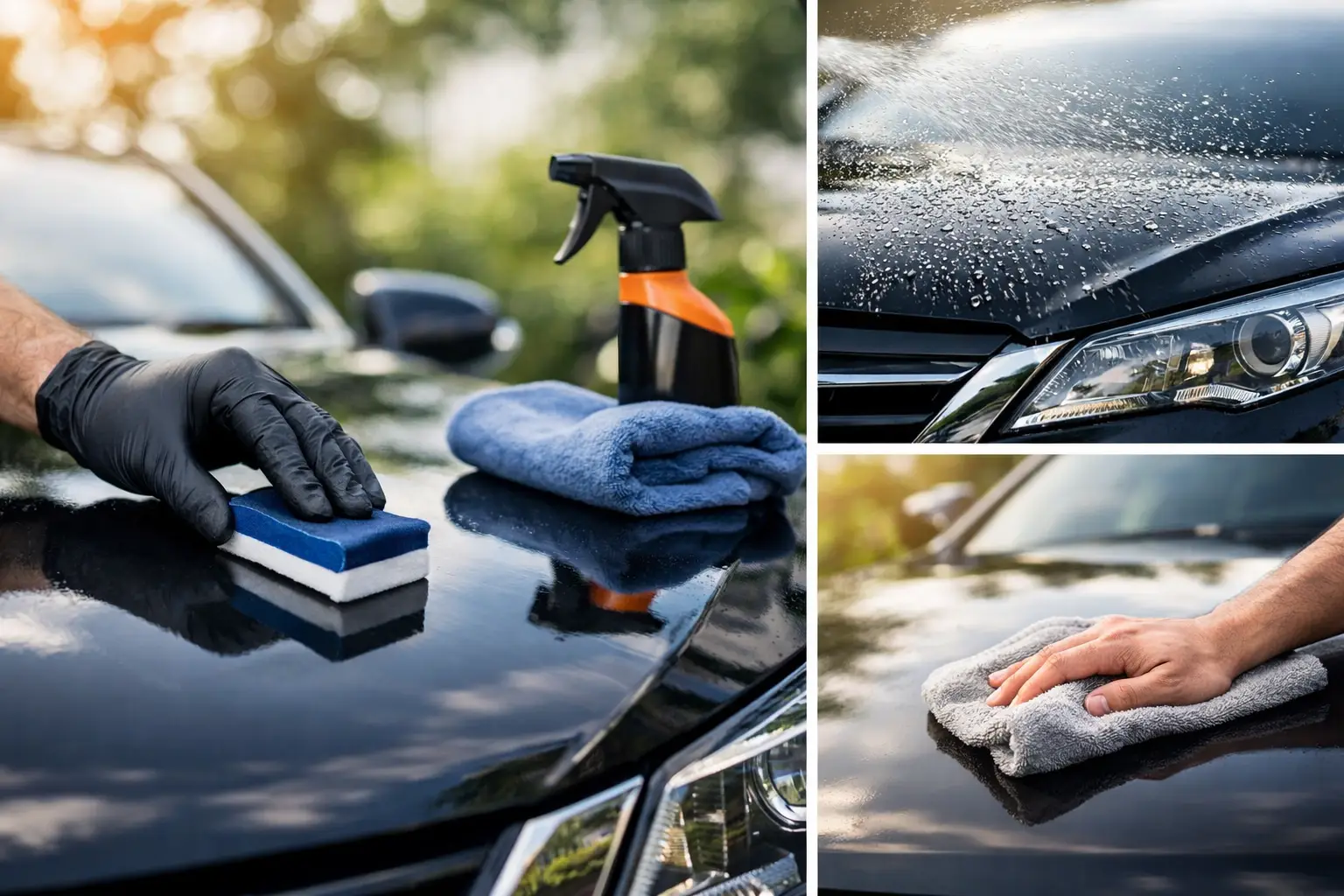
Wax gives the paint a sacrificial layer. It can improve gloss and help water bead, but it usually does not last very long, especially through harsh weather. Sealants are synthetic and generally last longer than traditional wax. Ceramic coatings offer even more durability and chemical resistance, but they cost more and require proper prep to perform well.
For many everyday drivers, the best answer is not the most expensive answer. It is the one you will actually maintain. A vehicle that gets washed regularly and protected with a decent product on a repeat schedule will often look better over time than a car that got one premium treatment and then months of neglect.
If you park outside, commute daily, or drive through winter road treatments often, shorter protection intervals may make sense. If your car is garaged and lightly driven, you may be able to stretch them a bit. It depends on exposure.
Parking choices matter more than they seem
Where you leave your car plays a real role in paint life.
Direct sun speeds up oxidation and fading, especially on darker colors. Parking under trees might seem like a good workaround, but then you trade UV exposure for sap, falling debris, and bird activity. Parking near sprinklers can lead to water spotting. Parking near plow piles in winter can expose the lower body to more salt splash and slush.
There is no perfect spot every time, but smarter choices help. Shade is useful when it does not come with sap risk. A garage is ideal if you have one. If not, even being mindful of where contaminants are likely to land can cut down on cleanup and long-term wear.
Seasonal paint protection in New Hampshire
New Hampshire drivers deal with the full menu. Winter salt, spring pollen, summer sun, and fall debris all take a turn.
In winter, frequency matters. Salt should not sit on paint any longer than necessary. Even if a car looks only moderately dirty, the residue on the surface can still be harsh.
In spring, pollen and rain often create a sticky film that keeps the car looking dull. A good wash routine resets the surface before that buildup gets harder to remove.
In summer, bugs, bird droppings, and intense UV are the main troublemakers. These should be cleaned off quickly because heat can make them bond faster.
In fall, wet leaves, sap, and cooler damp conditions can leave contamination sitting on the paint for days at a time. That is a good season to stay consistent before winter grime starts all over again.
Small habits that make a big difference
Paint protection is usually won or lost in the in-between moments. Wash sooner after storms. Remove bird droppings quickly. Skip the gas station squeegee on painted surfaces. Do not brush snow off the car with something stiff or dirty unless you want a free set of scratches.
It also helps to pay attention to the early signs. If water stops beading, the finish feels rough, or the paint looks dull even after washing, your protective layer may be wearing off. That does not mean disaster. It usually just means it is time to clean more thoroughly and refresh protection.
There is no need to overcomplicate it. Keep contaminants off the surface, avoid unnecessary friction, and stay ahead of seasonal mess before it settles in.
A good-looking finish is not just about appearance. It helps your vehicle hold value, makes routine care easier, and saves you from bigger correction work later. Beau would probably say your car cannot roll over for a belly rub, but it can still benefit from a little regular attention. And honestly, he is right. The easiest way to keep paint looking newer is to treat washing like maintenance, not an afterthought.