That white crust building up behind your wheels is not just winter looking ugly. It is road salt, grit, and chemical de-icer sticking to your paint, hiding in body seams, and clinging to your undercarriage. If you have been asking how often should you wash your car in winter, the short answer is this: more often than you probably think, especially on New Hampshire roads.
How often should you wash your car in winter?
For most drivers, every 7 to 14 days is a smart winter schedule. If the roads have been heavily salted, the weather has been messy, or your vehicle is wearing a visible layer of grime, once a week is the better call. If conditions have been relatively dry and clear, you can stretch it closer to every two weeks.
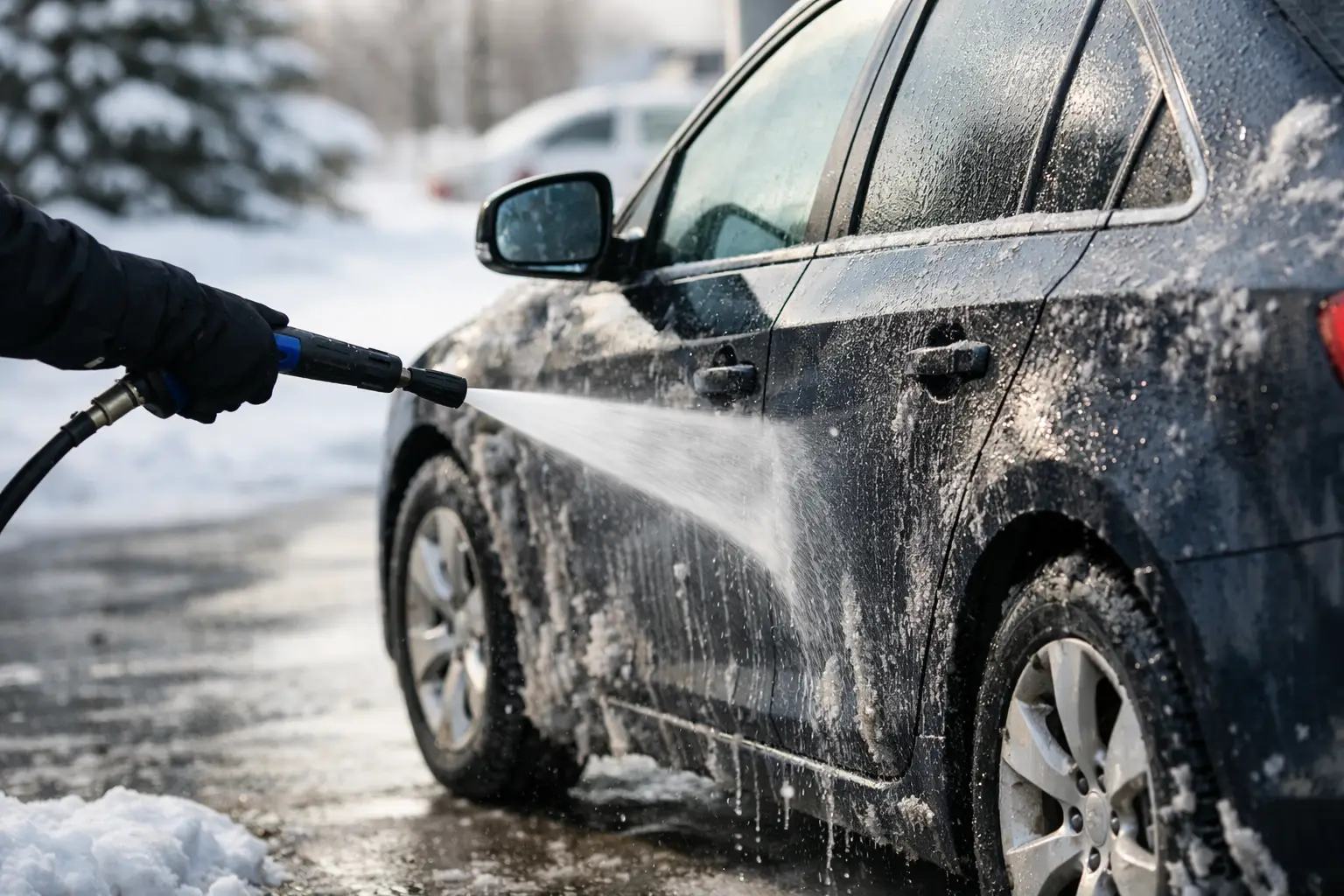
That range matters because winter dirt is different from summer dust. In warmer months, a dirty car is mostly a cosmetic issue. In winter, grime can become a maintenance issue. Salt and road chemicals are hard on paint, wheels, trim, and exposed metal. Leave them sitting too long, and they have more time to do damage.
There is no perfect one-size-fits-all rule. A commuter driving daily on treated highways will need washes more often than someone who mostly takes short local trips on less-treated roads. Where you park matters too. A car parked outside through snow, sleet, and freeze-thaw cycles usually gets dirty faster than one kept in a garage.
Why winter washing matters more than people think
A lot of drivers wait until spring because winter seems pointless. Wash it today, drive it tomorrow, and it looks dirty again by lunch. Fair point. But winter washing is less about keeping your car photo-ready and more about removing harmful buildup before it lingers too long.
Salt is the main culprit, but it is not alone. Sand, mud, slush, and oily road film all collect in places you do not always notice right away. Wheel wells, rocker panels, lower doors, and the rear end of the vehicle take a beating. Those areas stay wet longer and hold onto grime, which is exactly what you do not want during months of repeated freezing and thawing.
If Beau the black labradoodle had a vote, he would probably say winter grime belongs outside the car, not welded to it.
Regular washing helps protect the finish, keeps your vehicle looking better, and can even make it easier to spot real issues like chips, scratches, or rust starting to form. It is a practical habit, not just a vanity move.
The best winter wash schedule depends on your driving
If you drive every day, especially on highways or major commuter routes, weekly washes make sense for much of the season. Salt trucks and heavy traffic create a constant spray of dirty slush that sticks to everything. Even if your car still looks only mildly dirty from a distance, the lower panels and underbody may already be coated.
If you drive less often, every two weeks may be enough, but you still want to pay attention after storms. The most important timing is often right after a snow event or a heavy salting period. Once temperatures rise enough for a wash and the roads begin drying out, that is a good window to clean the vehicle.
For families with multiple vehicles, it also helps to think in terms of exposure rather than calendar dates. The SUV used for school drop-offs, errands, and commuting may need more attention than the car that stays parked most of the week.
When to wash after snow or road salt
The best time to wash is not necessarily the second snow starts falling. If roads are still actively being treated and your car will be immediately covered again, waiting a day or two can make more sense. What matters is not chasing perfection. It is removing buildup before it sits too long.
A good rule is to wash soon after a storm passes, once road treatment slows down and temperatures are high enough for a proper wash. That often means taking advantage of a break in the weather rather than waiting for some ideal sunny Saturday in March.
This is where convenience matters. If you can wash when the conditions are right instead of only when your schedule is open, it gets easier to stay on track all winter.
What happens if you wait too long?
If you go a month or more between winter washes, the risk goes up. Salt residue stays trapped on painted surfaces and metal components. Wheels can take a beating. The undercarriage, which many drivers rarely see, can hold onto corrosive material for weeks.
Paint damage does not always happen overnight, and not every dirty car is about to rust out. But winter is one of those situations where small routine habits are cheaper and easier than dealing with long-term wear later. A regular wash schedule is basic prevention.
There is also the visibility factor. Dirty windows, mirrors, lights, and backup cameras are not just annoying. They can affect how well you see and how well others see you. In winter, that matters.
Is it bad to wash your car in freezing weather?
Not if you do it the right way.
A lot of people avoid winter washing because they worry about frozen doors, locks, or leftover water turning to ice. That can happen, but it is usually manageable. Modern wash systems are designed to work in cold weather, and the real issue is what you do afterward.
If temperatures are extremely low, you may want to wait for the warmest part of the day. After the wash, wipe door jambs if needed and make sure excess water is not sitting around seals or handles. Driving for a few minutes afterward can also help remove residual water.
What you should not do is assume winter washing is harmful by default. Letting salt sit for weeks is generally the bigger problem.
Touchless washing makes sense in winter
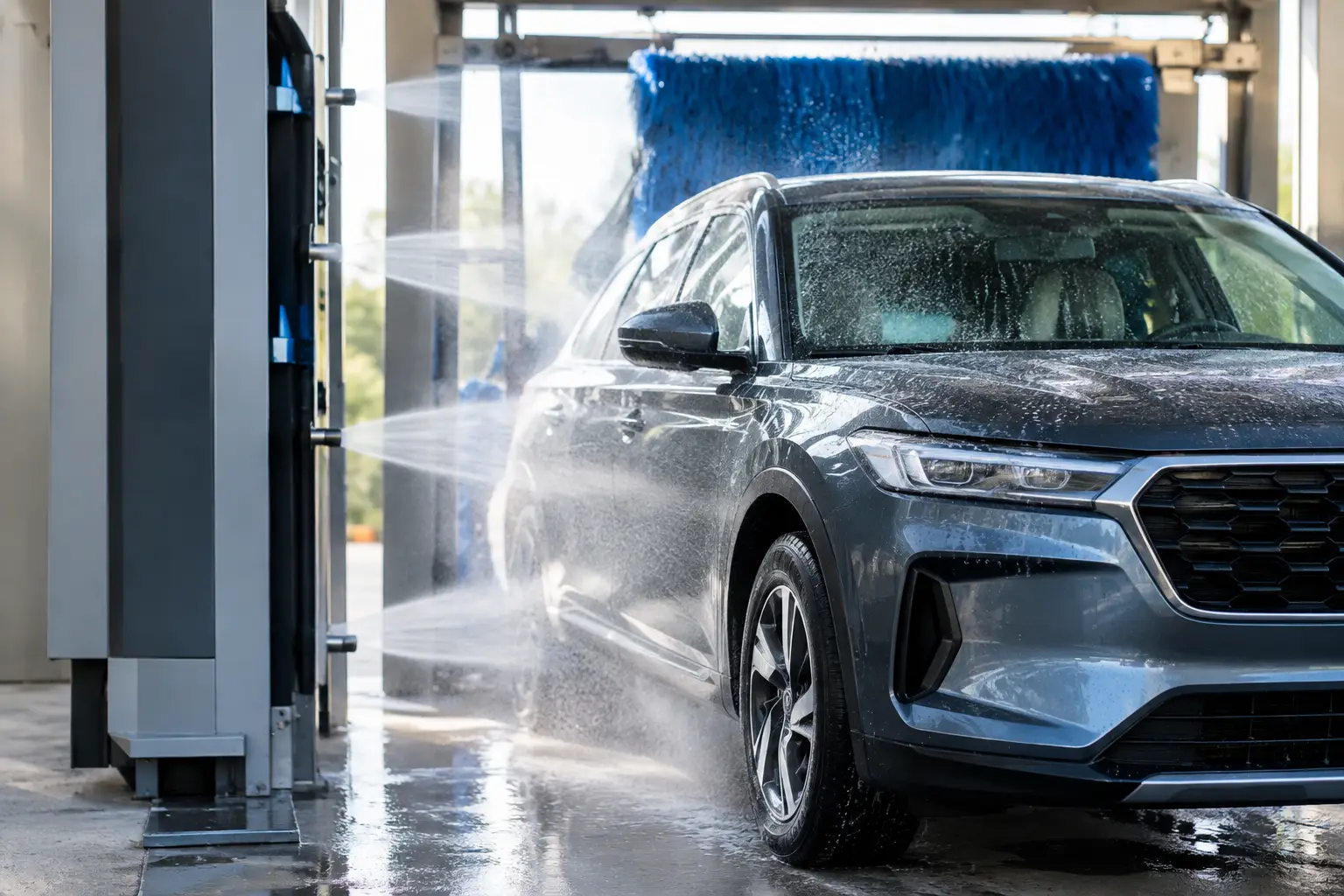
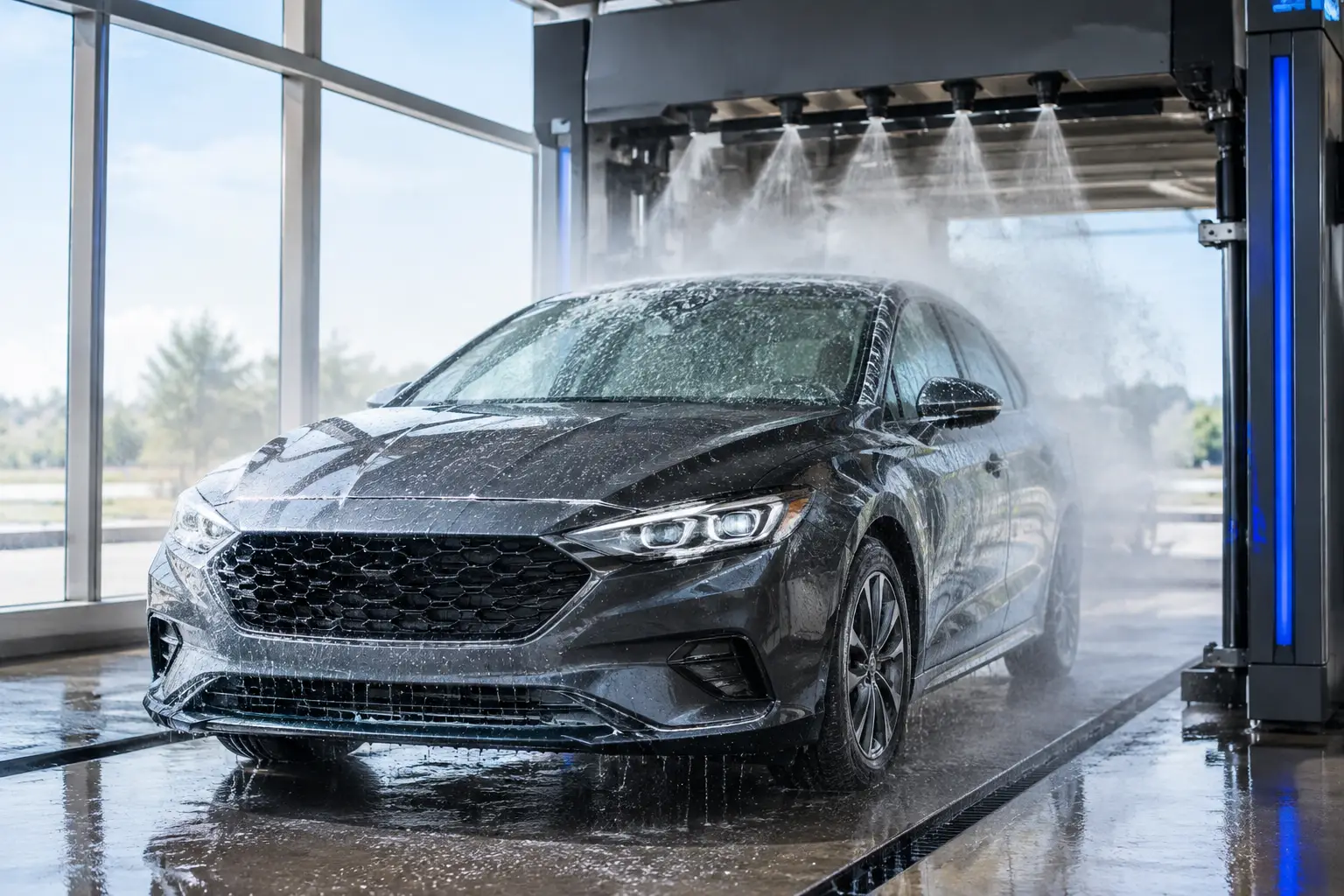
Winter vehicles pick up a lot of abrasive grime. That is one reason many drivers prefer touchless washing during the colder months. Instead of brushes physically contacting the vehicle, touchless systems use cleaning solutions and high-pressure water to remove dirt and salt buildup.
For drivers who care about protecting their finish, that matters. When your vehicle is covered in gritty road film, minimizing friction can be a smart choice. It is a practical fit for winter maintenance, especially when you want a fast wash without adding one more errand to the day.
For New Hampshire drivers, a local touchless option that is open around the clock also makes winter upkeep more realistic. If the weather breaks at 8 p.m. or your schedule only frees up early in the morning, you can still get in, get clean, and get on with your day.
A few signs your car needs a wash now
Sometimes the calendar says one thing and your car says another. If you see heavy salt lines along the doors, caked wheel wells, dirty headlights, or thick rear-end grime, it is time. The same goes for any period after a storm where roads were heavily treated.
You do not need to wait until the whole vehicle looks terrible. In winter, the dirtiest and most vulnerable parts are usually low on the car, where the damage risk is higher and the mess is easier to miss.
The simple answer for most New Hampshire drivers
If you want the practical version, here it is: wash your car every one to two weeks in winter, and lean closer to weekly during active snow, slush, and salt periods. Focus less on spotless results and more on staying ahead of buildup.
That routine keeps winter grime from settling in too long, helps protect your vehicle, and makes the car easier to maintain through the roughest stretch of the year. For drivers around Londonderry, Belmont, and beyond, that is usually the difference between seasonal maintenance and spring regret.
Winter roads are not gentle on your vehicle, but your wash routine can be. Keep it regular, keep it simple, and when the salt starts piling up, do not wait for spring to fix a winter problem.