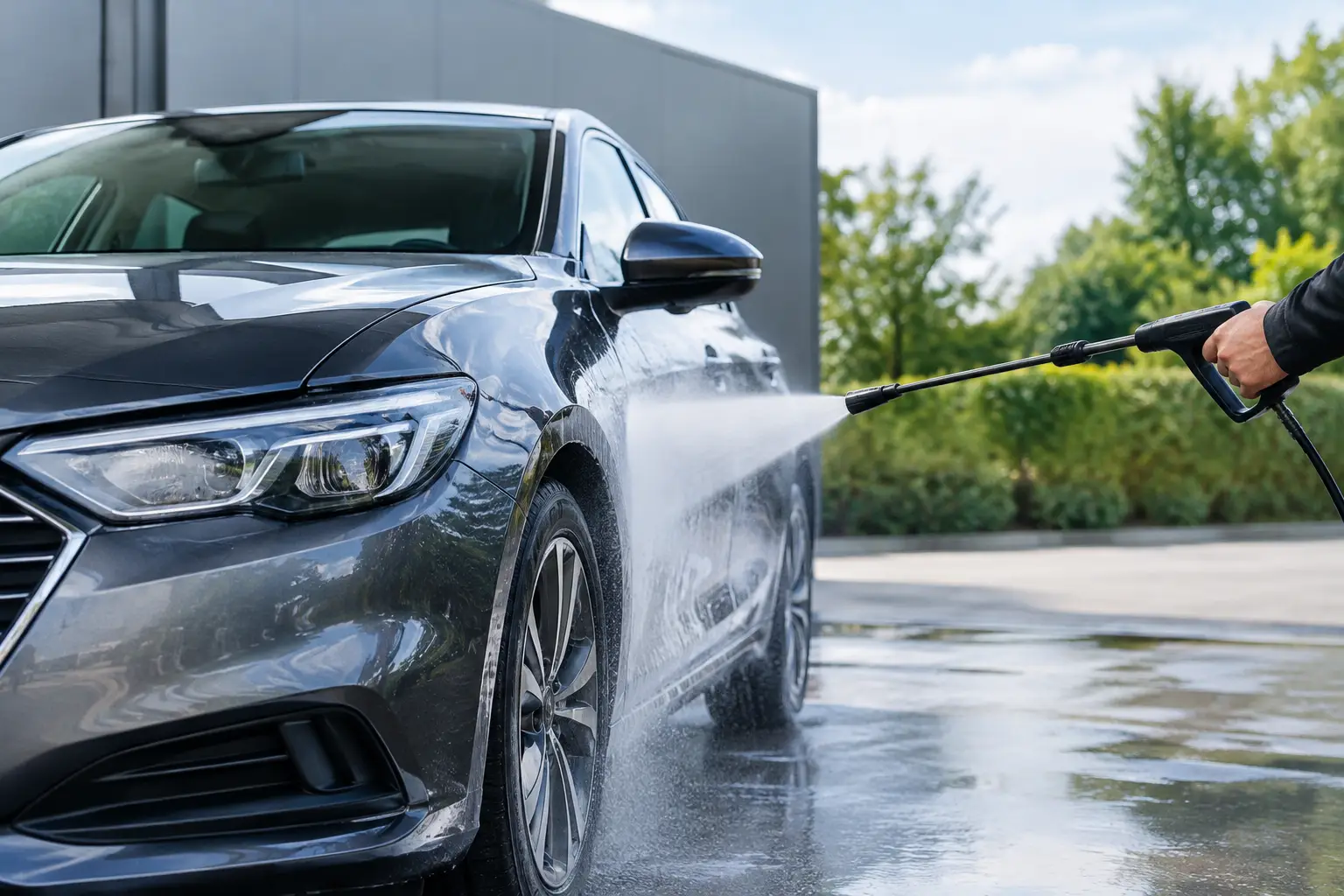
Road salt in January, pollen in May, muddy tire spray after a back-road commute - New Hampshire gives your vehicle plenty to wear. This guide to touch free washing explains how to get a cleaner car without brushes or cloth strips making physical contact with its paint.
A touch-free wash is built for drivers who want a fast, effective exterior clean while reducing the friction that can contribute to fine scratches and swirl marks. It is especially useful when you need to remove seasonal grime, do not have time for a driveway wash, or simply want a dependable way to keep your vehicle looking cared for.
How Touch Free Washing Works
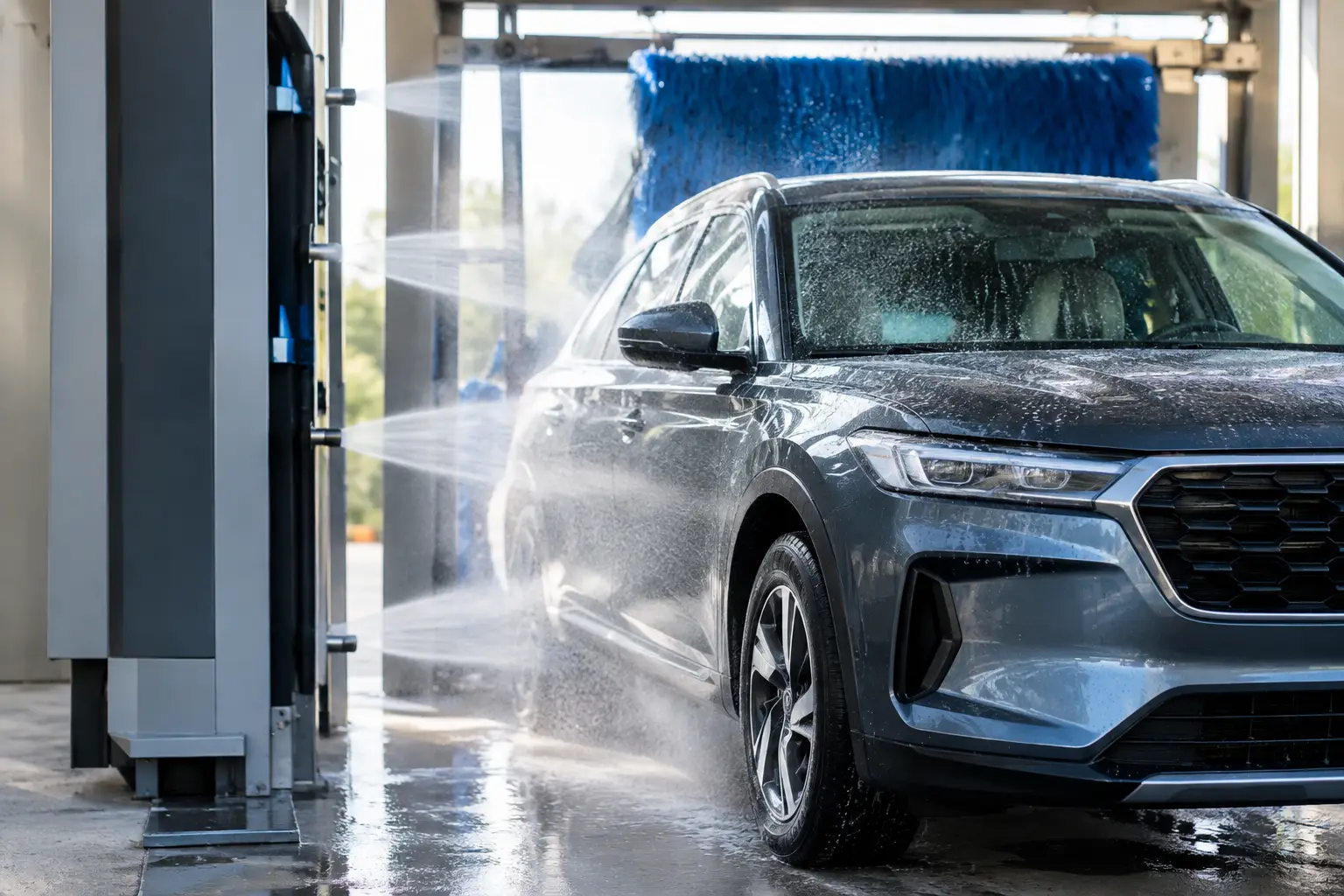
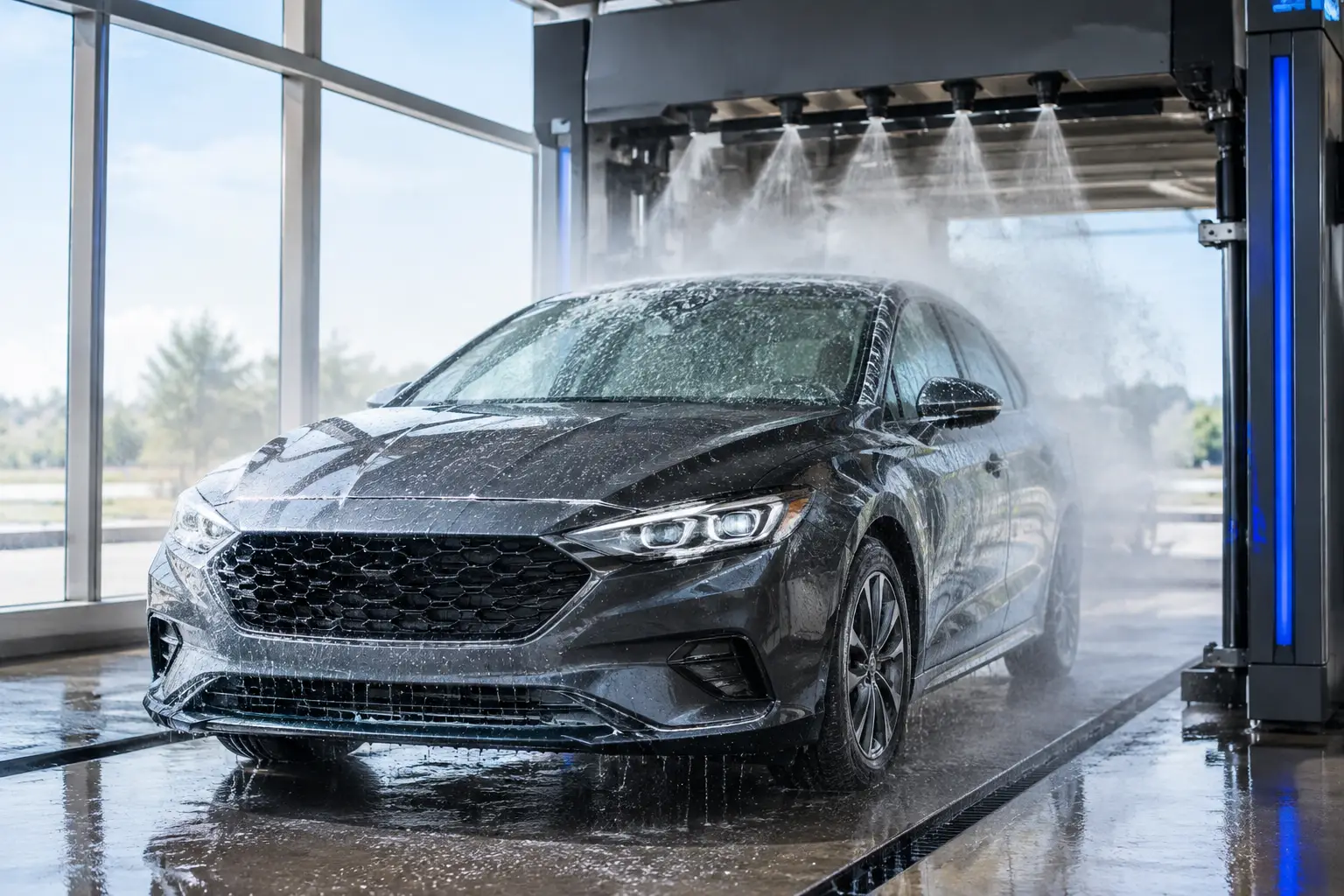
A touch-free wash cleans with a combination of specialized detergents, high-pressure water, and controlled rinse cycles. Rather than moving brushes across the vehicle, the equipment applies cleaning solutions designed to loosen road film, salt, mud, and everyday dirt. High-pressure water then carries that loosened grime away.
The key difference is simple: nothing in the wash tunnel physically rubs against your vehicle's exterior. That matters to owners of newer vehicles, dark-colored vehicles, cars with delicate trim, and anyone who wants to limit unnecessary contact with the finish.
Touch-free does not mean gentle water pressure alone does all the work. Effective systems use the right chemistry and enough pressure to clean thoroughly while maintaining a safe, consistent process. The goal is not to blast dirt around. It is to break it down first, then rinse it away.
Why Drivers Choose Touch Free Washing
The biggest benefit is reduced friction. Traditional brush washes can clean well, but any material that contacts a vehicle can potentially hold grit from previous washes. With touch-free equipment, there are no brushes, cloth strips, or spinning rollers touching your paint.
That can be a smart choice for routine maintenance. Frequent washing helps remove contaminants before they have time to build up, especially road salt and brine during a New Hampshire winter. Salt does not only make a vehicle look dull. It can cling to lower panels, wheel wells, and underbody areas where moisture and grime can cause trouble over time.
Convenience is another reason drivers choose touch-free. A quality automated wash takes far less effort than hauling out a hose, bucket, and towels. When the weather is cold, dark, or wet, that convenience becomes more than a nice extra. It makes regular washing realistic.
There is a trade-off to understand. A touch-free wash may not remove every piece of stubborn, baked-on debris as aggressively as direct physical agitation can. Heavy mud, old bug residue, and thick road film sometimes need a second wash or some targeted attention. For most regular maintenance washes, though, touch-free cleaning is an excellent fit.
When Your Vehicle Needs a Wash
Waiting until your car looks obviously dirty is not always the best approach. Some of the mess that matters most is hard to see, particularly salt residue and light road film. A regular wash schedule is easier on your vehicle than allowing grime to build up for months.
During winter, wash after major storms, slushy commutes, or periods when roads have been treated. Pay close attention to the lower doors, rocker panels, wheels, and wheel wells. If your vehicle is white or light colored, salt streaks are easy to spot. On darker paint, they may be less visible, but they are still there.
Spring brings pollen, rain spots, and leftover winter grit. Summer adds bugs, dust, tree sap, and road tar. In fall, wet leaves and organic debris can collect around trim, wipers, and drainage areas. There is no single schedule that fits every driver, but washing every one to two weeks is a practical starting point for vehicles driven regularly.
If you park outside, commute daily, travel on unpaved roads, or have a long highway drive, you may need more frequent visits. Beau would probably say mud is a badge of honor, but it does not need to stay on your doors all week.
How to Prepare for a Touch Free Wash
A little preparation helps the wash perform at its best. Start by checking that all windows, the sunroof, and the trunk are fully closed. Fold in mirrors if your vehicle manufacturer recommends it or if they do not retract automatically. Remove loose items from truck beds and roof racks when possible.
If you have a very muddy vehicle, take a moment to assess the buildup. Thick, packed mud around tires and wheel wells may need more than one wash cycle to come clean. The same goes for dried-on bugs after a long highway trip. A second wash is often more effective than expecting one cycle to solve months of buildup.
Avoid washing immediately after applying fresh paint protection, decals, or repair work unless the installer has told you it is safe. If you have aftermarket accessories, loose trim, or a damaged antenna, use common sense and follow your vehicle's care guidance.
For the best overall result, do not stop at the exterior. Use a vacuum station to clear out sand, crumbs, pet hair, and winter grit from the interior. A clean cabin makes the whole vehicle feel better, even when the outside is the main reason you came in.
Getting the Best Results From Touch Free Equipment
Choose a wash option based on what your vehicle needs that day. A quick rinse may be enough after light dust, while winter salt or a rainy week of road spray calls for a more complete wash. If the vehicle has not been washed recently, selecting a higher-level service can make sense because it provides more time and treatment for stubborn grime.
Pull into the wash slowly and follow the on-site instructions. Proper wheel alignment helps the equipment clean evenly around the vehicle. Once in position, keep windows closed and remain in the vehicle unless the posted instructions say otherwise.
After the wash, take a quick walk around your car before leaving. Check the lower panels, wheels, rear hatch, and license plate area, where grime tends to collect. If water remains around mirrors or door handles, a short drive usually helps it drain away. In freezing temperatures, opening and closing doors once you arrive home can help prevent seals from sticking.
Touch-free washing works best as a habit, not as an emergency response to a season's worth of grime. Regular visits keep buildup lighter, make each wash more effective, and help your vehicle look ready for work, errands, weekend plans, and everything in between.
Touch Free Washing in Every Season
Winter is the season when routine washing delivers some of its biggest practical benefits. Road treatment materials can accumulate quickly, even when your car does not look especially dirty. Washing after storms and salt-heavy drives helps keep that residue from lingering on painted surfaces and lower body areas.
Spring cleaning is about clearing away what winter leaves behind. Pollen and rain can quickly coat a freshly washed car, but that is no reason to give up. A consistent wash keeps the finish from looking dull and makes it easier to see the actual condition of your paint.
Summer washing often focuses on bugs, dust, and road-trip grime. Try not to let bug residue sit for long, particularly on the front bumper and windshield. In fall, wash away leaf debris and wet-road spray before colder weather settles in.
At Black Dog Car Wash, drivers can make touch-free care part of their routine at any hour, whether they are heading to work early, coming home late, or cleaning up after a weekend on the road.
A Clean Car Is Easier to Keep Clean
The best time to wash your vehicle is usually before the grime feels impossible. Make touch-free washing a regular stop after storms, long trips, and messy commutes, and your car will be easier to maintain through every New Hampshire season.