Road salt does not wait for a convenient Saturday. Neither do spring pollen, muddy back roads, tree sap, or the black film that builds up after a wet commute. This guide to exterior car care is built for New Hampshire drivers who want a clean vehicle, protected paint, and a routine that fits real life.
Exterior care is not about chasing a showroom finish every day. It is about removing the contaminants that can cling to your vehicle, dull its appearance, and make seasonal wear harder to manage. A consistent wash routine also makes it easier to spot small issues, from paint chips to worn wiper blades, before they become more frustrating repairs.
Start With What Is Actually on Your Vehicle
Not all dirt behaves the same way. A dusty car after a dry summer day needs different attention than a vehicle coated in winter brine. The goal is to remove buildup safely, rather than rub it around on the finish.
Road salt is the biggest cold-weather concern in New Hampshire. It collects on lower door panels, wheel wells, bumpers, rocker panels, and the undercarriage. Left in place, salt holds moisture against metal components and can contribute to corrosion over time. A wash after snow, slush, or heavily treated roads is practical maintenance, not just a cosmetic choice.
Spring brings pollen, tree debris, and rain spots. Pollen may look harmless, but when it combines with moisture it can form a stubborn film. Summer adds bug residue, bird droppings, and tree sap. These should be removed promptly, especially bird droppings and sap, which can be difficult to clean once baked on by the sun.
Fall introduces leaves, mud, and organic debris that settle into windshield channels, trim, and crevices. A quick exterior wash helps prevent that buildup from turning into a bigger cleaning job later.
Build an Exterior Car Care Routine You Can Keep
The best wash schedule is the one you will actually follow. For most drivers, washing every two to three weeks is a reasonable baseline. During a New Hampshire winter, weekly washes may make more sense if you drive often on salted roads. If your car is parked outside under trees, used for long highway commutes, or regularly travels dirt roads, it may need attention more often.
Watch the conditions instead of relying only on the calendar. Wash sooner when you notice a visible salt haze, gritty lower panels, bugs on the front bumper, bird droppings, or heavy pollen. Waiting until the vehicle looks extremely dirty can mean more time and effort are needed to get it clean.
A good routine has three parts: wash away contamination, dry or protect the finish as appropriate, and keep high-contact areas from becoming neglected. That includes side mirrors, headlights, license plates, door jamb edges, wheels, and wheel wells. These areas often hold grime long after the rest of the vehicle looks clean.
Why touchless washing makes sense
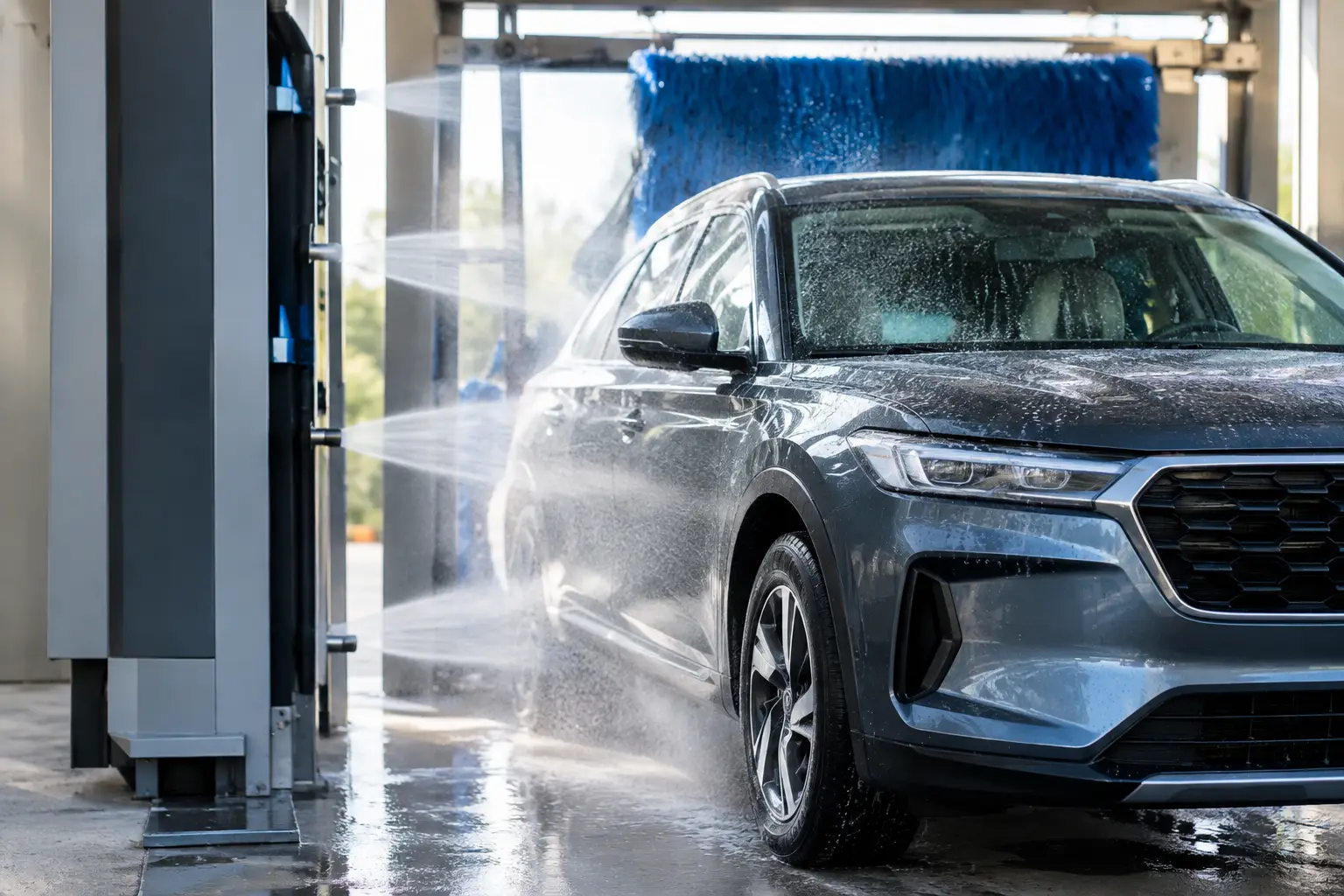
A touchless wash uses high-pressure water and cleaning solutions to lift dirt without brushes physically contacting your vehicle. That matters for drivers who are concerned about friction from dirty wash materials, especially when road grit and fine debris are on the paint.
Touchless washing is not magic. Thick mud or heavily caked debris may need more than one pass, and no automatic wash can replace careful detailing for stubborn sap, tar, or embedded brake dust. Still, for routine cleaning, a quality touchless wash is a practical way to remove seasonal grime while limiting physical contact with the exterior.
For a quick, vehicle-safe clean on your schedule, Black Dog Car Wash offers touchless washing and vacuum stations 24/7 in Londonderry and Belmont. Beau would probably remind you that salt is not a winter accessory.
Give Wheels and Lower Panels Extra Attention
Your vehicle's lower half takes the worst of the road. Tires throw water, sand, salt, mud, and slush onto rocker panels and wheel wells with every mile. That is why a vehicle can look clean from the windows up while grime is still collecting where it matters most.
When choosing a wash, look for a thorough rinse that reaches the lower body and undercarriage area. This is especially useful from late fall through early spring, when road treatments are common. If you have recently driven through deep slush or muddy roads, wash as soon as conditions allow. The longer the debris stays packed into wheel wells and around trim, the harder it is to remove.
Wheels also deserve regular care, but use caution with aftermarket finishes or damaged clear coat. Strong cleaners can be useful for heavy brake dust, yet they are not always necessary for routine maintenance. Start with the least aggressive method that gets the job done.
Protect the Paint Without Overcomplicating It
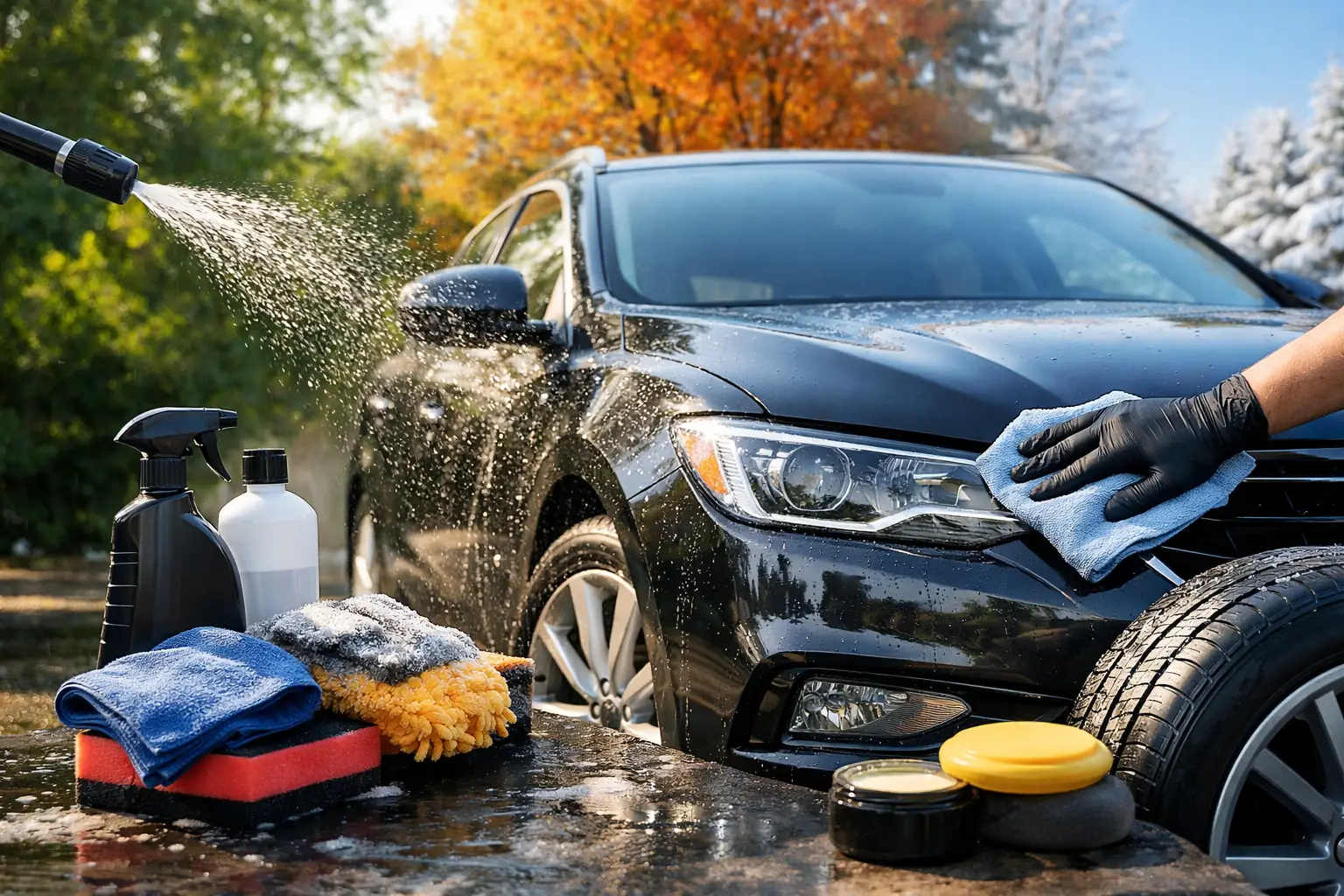
Clean paint is easier to protect than dirty paint. After washing, a protectant or wax can help water bead and make future grime easier to remove. There are many options, from quick spray products to longer-lasting professional coatings. The right choice depends on how much time you want to spend, where the vehicle is parked, and how long you plan to keep it.
For many everyday drivers, regular washing plus a simple protective product a few times a year is enough to maintain a good appearance. Owners who are especially focused on paint condition may choose more involved detailing or ceramic protection. Those options can offer benefits, but they still require proper washing. Protection is not permission to ignore salt, sap, or bird droppings.
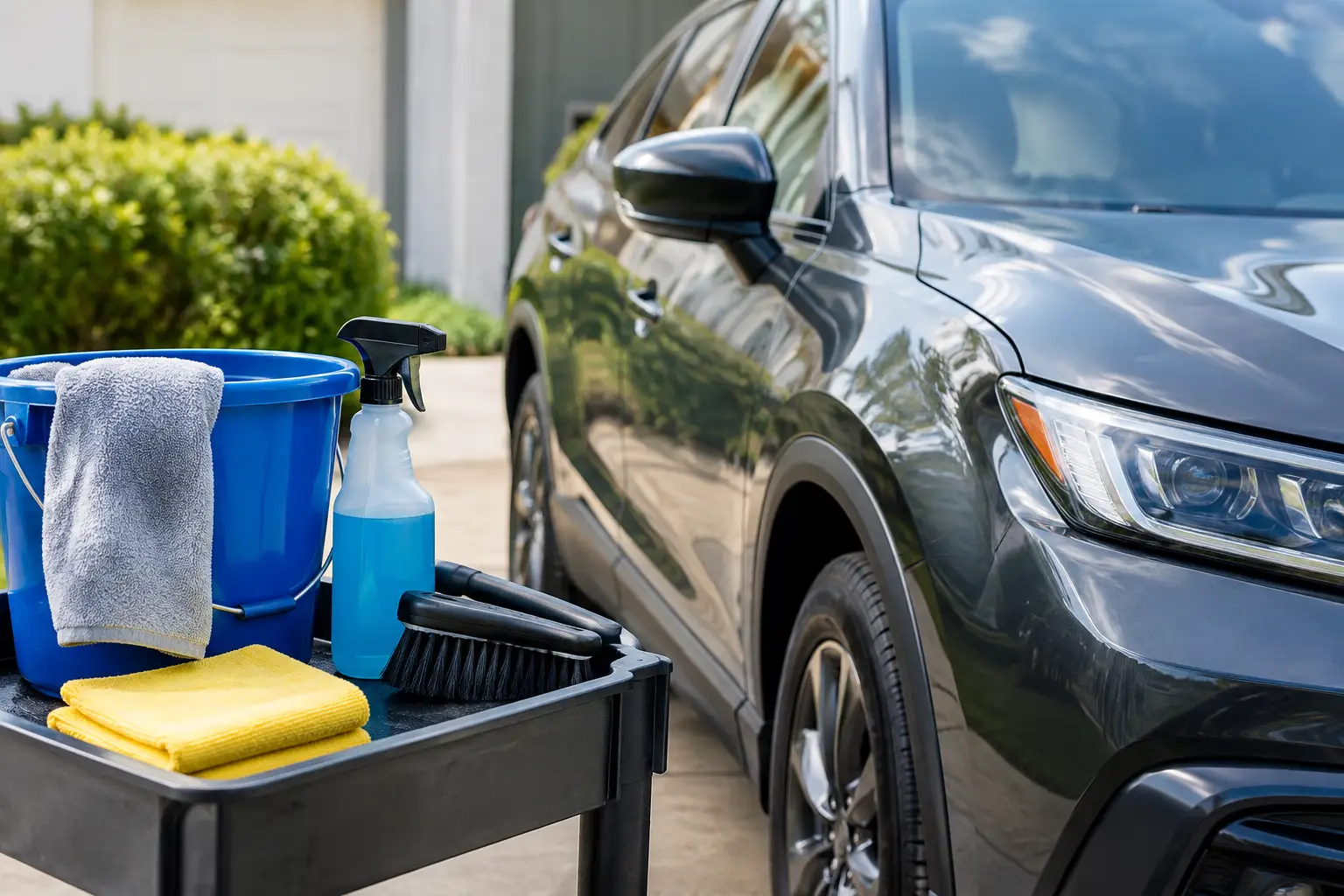
If you do apply a product at home, work on a cool surface out of direct sun when possible. Avoid applying protectants to dirty paint, and follow the product directions closely. More product is not always better.
Do Not Forget Glass, Lights, and Trim
Exterior car care includes more than paint. Clean glass improves visibility, particularly during dark winter commutes and rainy conditions. Keep the windshield, rear window, side windows, and mirrors free of film. Replace worn wiper blades when they streak, chatter, or leave areas uncleared.
Headlights should also stay clean. Road grime can reduce light output, and cloudy lenses can make nighttime driving more difficult. Routine washing removes surface dirt, while severely hazy lenses may need restoration or replacement.
Plastic trim and rubber seals benefit from occasional attention, too. Dirt can make black trim look faded, while dry seals around doors and windows can collect debris. Use products intended for exterior trim and rubber, and avoid household cleaners that can leave residue or cause discoloration.
Know When to Handle a Spot Right Away
Some messes can wait until your next wash. Others should not. Bird droppings, tree sap, bug residue, fuel spills, and fresh paint overspray deserve prompt attention. Heat and sunlight can make these contaminants bond more tightly to the surface.
Use a clean microfiber towel and a paint-safe cleaner or water to soften the spot first. Do not scrape at hardened debris with a dry towel, credit card, or fingernail. That is a fast way to create scratches that are more noticeable than the original mess.
If you notice a fresh paint chip, clean the area and consider a touch-up solution suited to your vehicle's paint code. Small chips can expose metal, and addressing them early may help prevent rust from spreading. For deeper scratches, bubbling paint, or signs of corrosion, a body shop can give you a clearer picture of what needs repair.
Keep the Routine Easy Enough to Repeat
The most effective exterior care plan is simple: wash after salt and heavy grime, address damaging spots quickly, pay attention to lower panels, and add protection when it makes sense for your vehicle. A spotless car is nice. A vehicle that is regularly cleared of the stuff New Hampshire roads throw at it is even better.
When the forecast turns messy, do not wait for the grime to become a project. A quick wash now can help your vehicle look better for the drive home and stay better protected for the miles ahead.