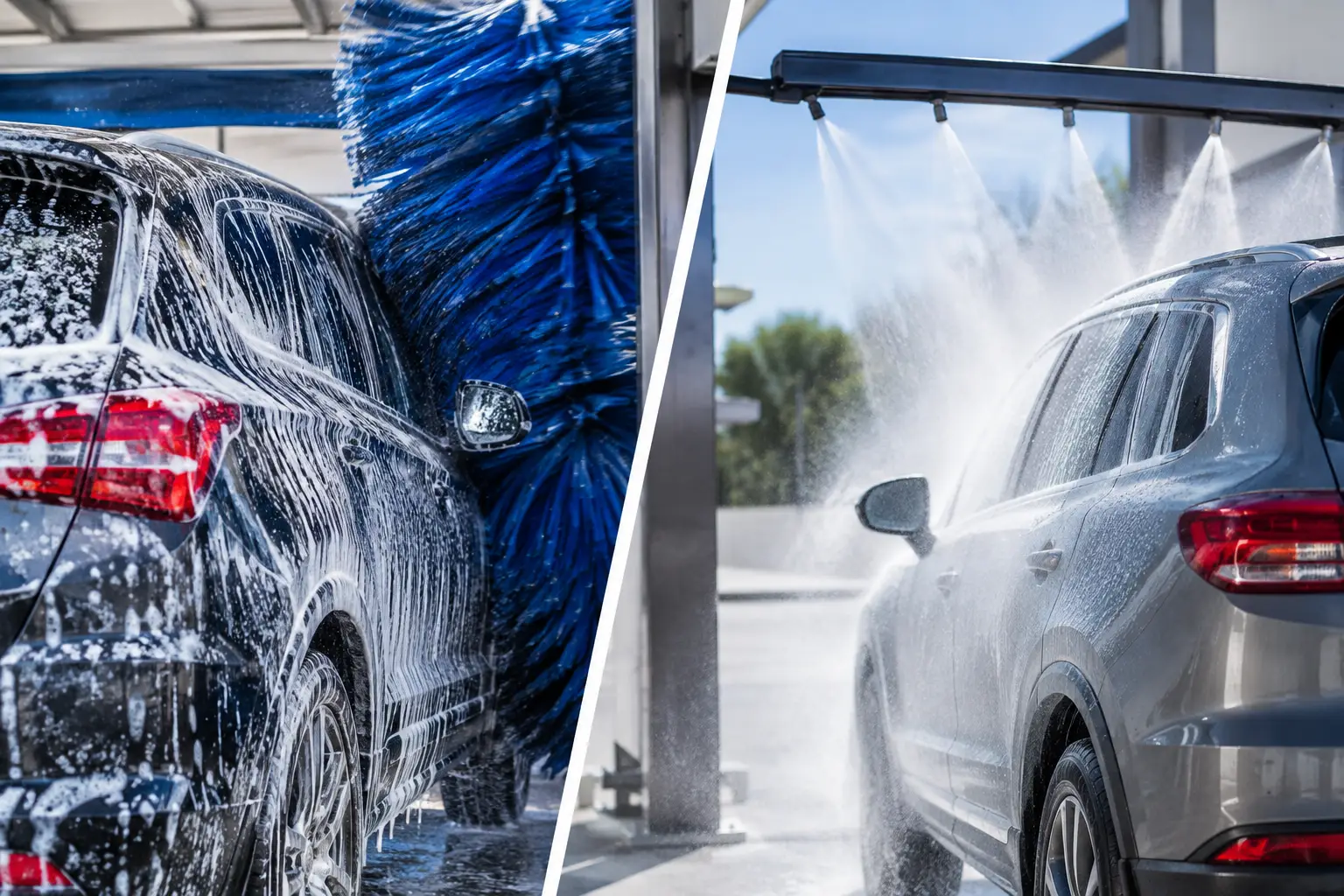
A New Hampshire car can look clean on Monday and wear a fresh coat of salt, sand, slush, or pollen by Friday. That makes the gas station wash versus touchless question more than a matter of convenience. The type of wash you choose can affect how confidently you maintain your vehicle through every season.
The first thing to know is that a gas station wash and a touchless wash are not always opposite choices. Some gas stations offer touchless bays, while some automated washes use brushes or cloth equipment. The better question is simple: Does the wash use physical materials that contact your vehicle, or does it clean with water pressure and specially formulated detergents?
For drivers who want a fast exterior clean without brushes touching the paint, trim, mirrors, or accessories, touchless technology is often the clear fit.
Gas Station Wash Versus Touchless: The Real Difference
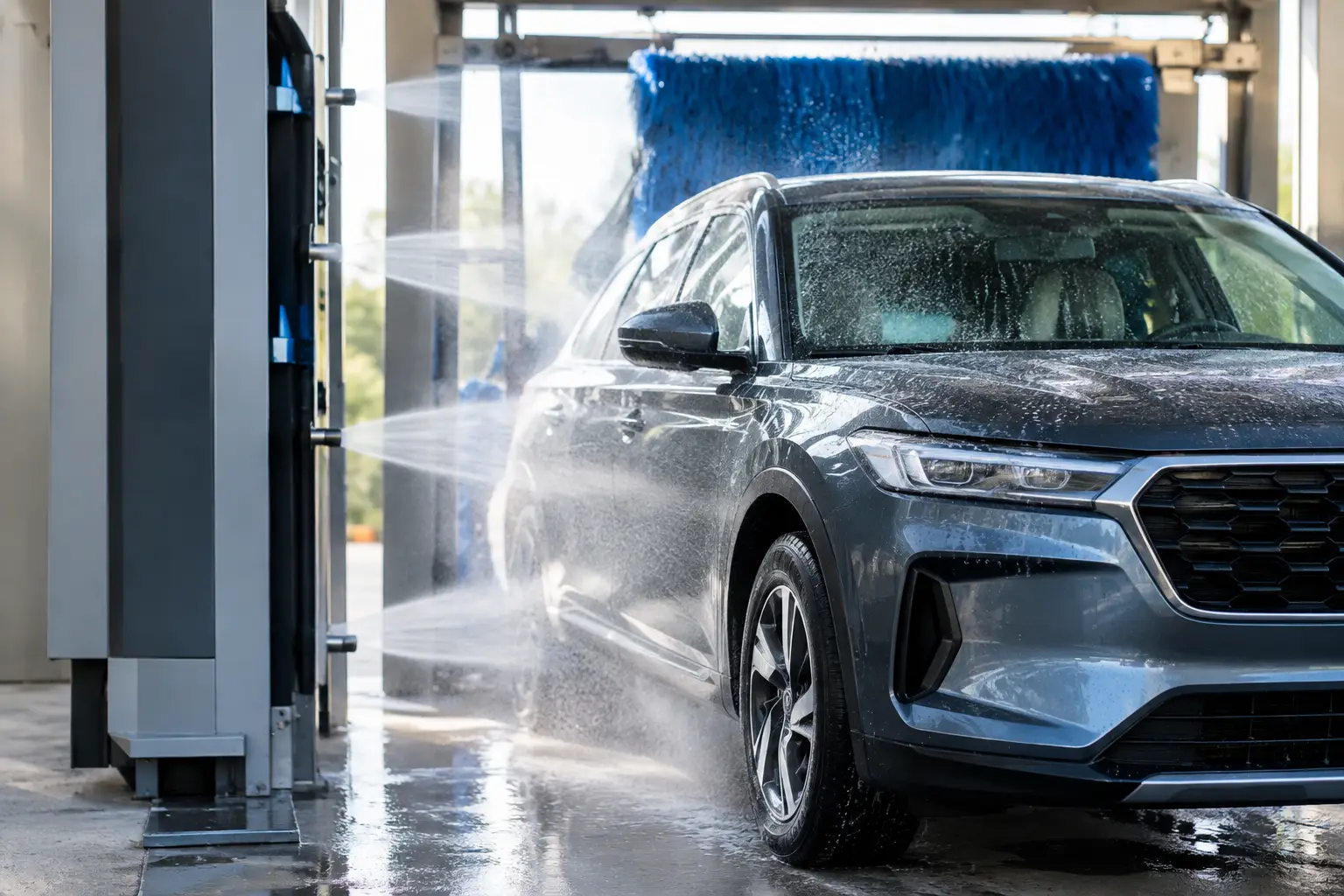
A typical gas station wash may use spinning brushes, cloth strips, foam curtains, or soft-touch equipment to remove dirt. Those materials make direct contact with the vehicle. Modern brush systems can clean effectively, especially when they are maintained well, but they rely on friction to do much of the work.
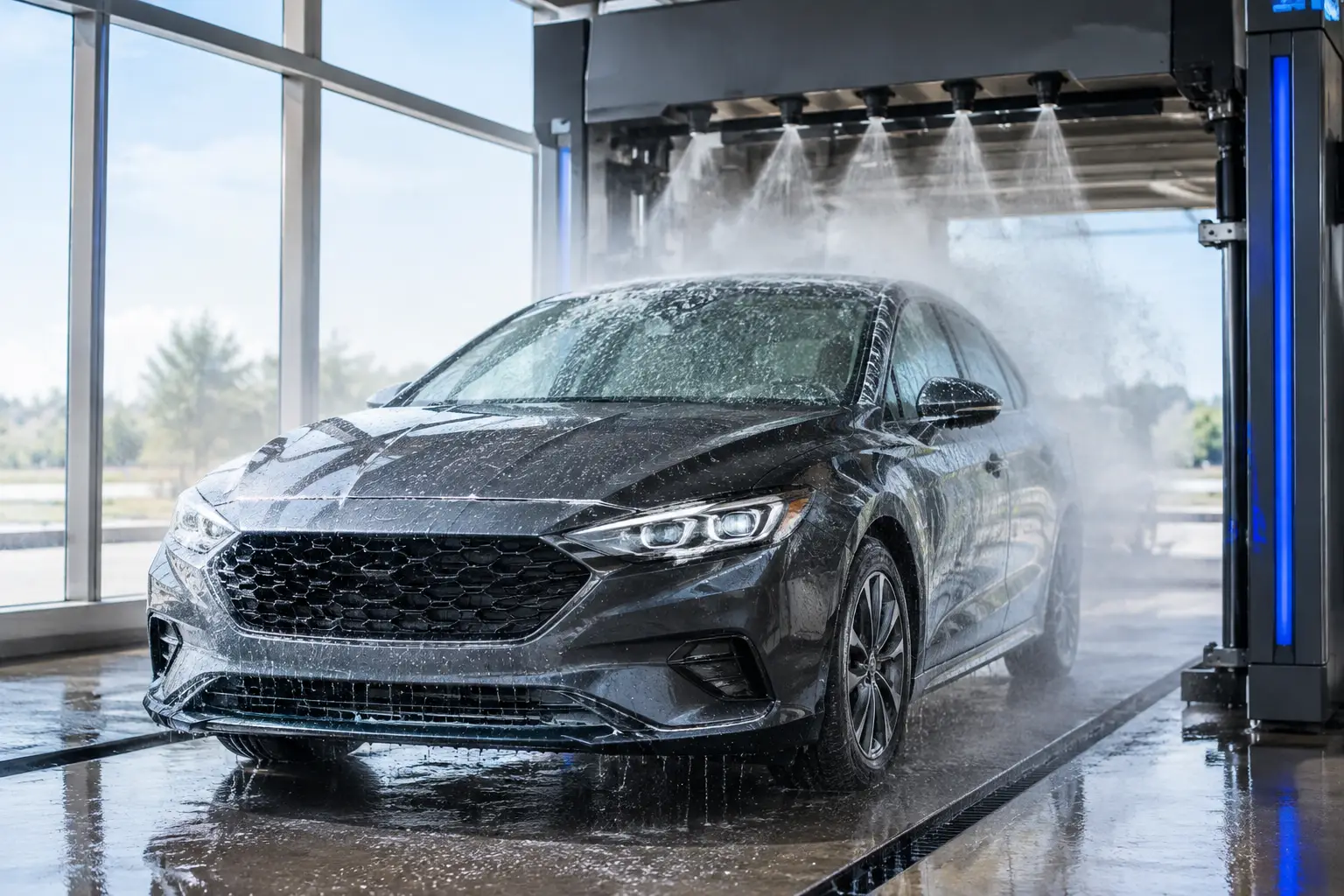
A touchless wash uses high-pressure water and cleaning solutions to loosen and rinse away dirt without brushes or cloths contacting the vehicle. The wash process is designed to apply detergent, allow it time to work on grime, then rinse the surface thoroughly. It is a practical option for drivers who are careful about their finish or simply prefer a no-contact wash process.
Neither label automatically tells the whole story. A gas station can have a well-run touchless system, and a dedicated car wash can use friction equipment. Before pulling into any bay or tunnel, look for terms such as touchless, brushless, soft-touch, or friction wash. If the goal is avoiding physical contact, make sure the wash is specifically identified as touchless.
Why Physical Contact Can Matter
Brushes and cloth materials are intended to be gentle, but they encounter every vehicle that came before yours. When cleaning equipment is not properly maintained, dirt and grit can remain in the material and create unwanted friction on the paint surface. That does not mean every friction wash will damage a vehicle. It does mean there is a variable that touchless systems avoid altogether.
This matters most to owners of newer vehicles, dark-colored vehicles, ceramic-coated vehicles, and cars with delicate trim. It can also matter to anyone who has noticed fine swirl marks in sunlight and would rather not add to them.
Touchless washing does not drag a brush across your paint. Instead, it relies on chemistry and pressure. The detergent does the work of breaking down road film, while high-pressure rinsing carries it away. Beau's take would be straightforward: less rubbing on your ride means one less thing to chase your tail over.
Cleaning Power: Where Each Option Has an Edge
Friction washes have one obvious advantage: physical contact can help remove heavily bonded dirt. If a vehicle has thick mud packed onto lower panels or has gone a long time between washes, brushes may deliver a more aggressive clean in one pass.
That does not make touchless washing less effective for routine care. For the dirt most New Hampshire drivers deal with - salt residue, wet road spray, pollen, dust, and everyday grime - a quality touchless wash is built to handle the job. Regular washing is the key. Removing buildup before it hardens or accumulates gives any wash method a better chance of producing a clean finish.
Touchless systems are especially useful in winter and early spring, when vehicles pick up salt and brine repeatedly. Salt is not just an appearance problem. It can collect around wheel wells, rocker panels, underbody areas, and seams where moisture lingers. Frequent washes help limit how long that material sits on the vehicle.
For stubborn, localized messes such as caked mud or tree sap, a touchless wash may not always remove every trace in one visit. That is a fair trade-off to consider. A vehicle may need a second wash, a targeted cleaning product, or hand attention for severe buildup. But for keeping up with regular seasonal grime, touchless washing offers effective cleaning without the added concern of brush contact.
Convenience Is More Than a Fast Receipt
Many drivers choose a gas station wash because it is available when they are already filling up. That is convenient, but the experience can vary. Some locations have limited hours, long lines at busy fuel times, or wash equipment that is an afterthought compared with the fuel operation.
A dedicated touchless wash is designed around the wash itself. The equipment, entrance, payment process, and vacuum area are meant to help drivers get in, get clean, and get back on the road. That difference is valuable when your vehicle needs attention after a storm, before a weekend trip, or after several days of commuting on treated roads.
At Black Dog Car Wash, drivers can use touchless wash equipment around the clock at locations in Londonderry and Belmont. That 24/7 access makes routine vehicle care easier to fit around work shifts, school drop-offs, travel days, and the unpredictable weather that comes with living in New Hampshire.
Look Beyond the Wash Type
Choosing between a gas station wash versus touchless also means looking at the full condition of your vehicle. An exterior wash can remove grime from paint and glass, but a clean vehicle feels more complete when the interior gets attention too. Vacuum stations make it easier to clear out sand, crumbs, pet hair, and the winter debris that somehow finds its way onto every floor mat.
Consider the payment experience as well. A single wash works well when you need one quick cleanup. Drivers who wash often may get more value and less hassle from wash bundles, gift certificates, or reloadable wash accounts. The right choice depends on how often you drive, where you park, and how much weather your vehicle sees each week.
For a commuter traveling daily on Route 3 or I-93, regular washing may be a practical part of vehicle maintenance. For a family vehicle hauling sports gear, groceries, and muddy boots, easy vacuum access can be just as useful as the exterior wash. Convenience is not only about saving five minutes. It is about making it realistic to keep up with the mess before it becomes a bigger job.
When a Touchless Wash Makes the Most Sense
Touchless is a strong choice when protecting the exterior finish is a priority, when you want a dependable clean between more detailed services, or when winter salt needs to come off regularly. It also makes sense for drivers who prefer a quick, automated process without physical wash components coming into contact with the vehicle.
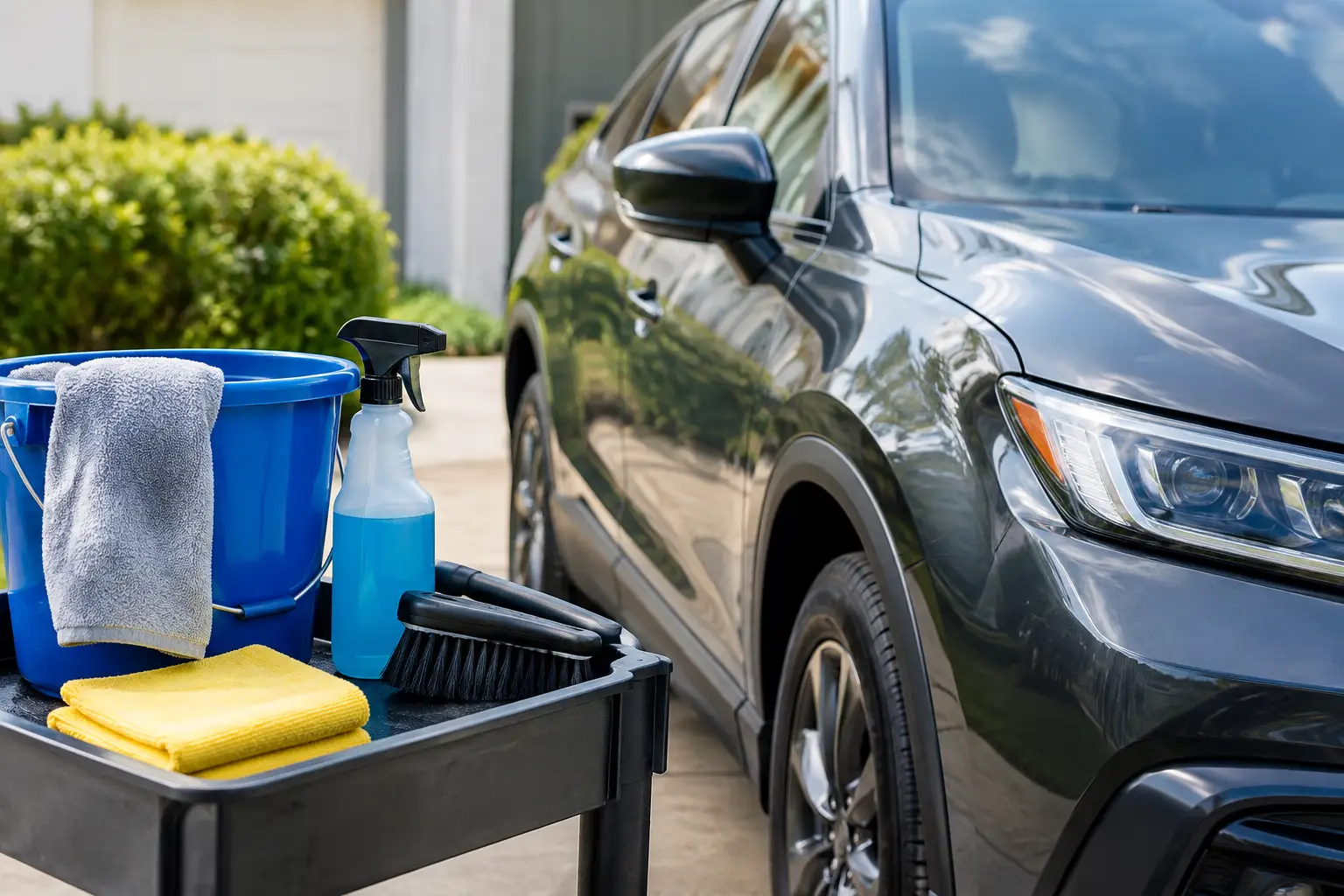
A friction wash may still be an option for a vehicle with extreme mud or neglected buildup, provided the equipment is well maintained and the owner is comfortable with the trade-off. There is no one-size-fits-all answer for every vehicle and every mess. The important part is knowing what the wash uses and choosing based on your car, your driving conditions, and your comfort level.
Make Routine Washing Easier
The best wash plan is the one you will actually use. During salt season, do not wait until the vehicle looks completely gray before cleaning it. After a muddy weekend, a pollen-heavy stretch, or a long highway commute in wet weather, a timely wash prevents grime from becoming the new normal.
Choose a wash that fits your standards for vehicle care and your real schedule. When safe, effective touchless cleaning is available when you need it, keeping your car looking cared for becomes a simple stop instead of another chore on the list.