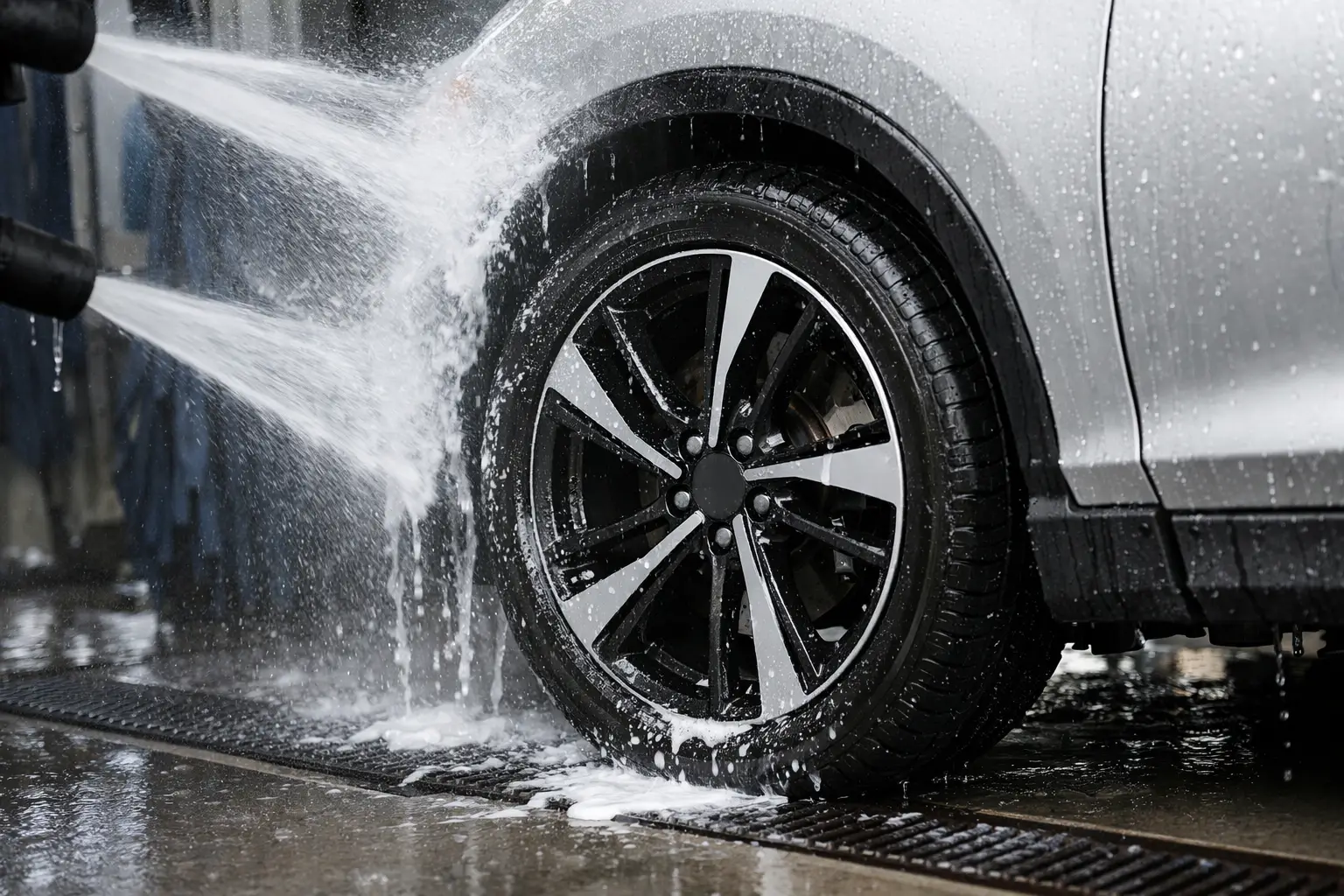
Road salt on the spokes, dark brake dust around the rim, and muddy splashback behind the tires can make a freshly washed vehicle look unfinished. So, do touchless washes clean wheels? Yes, they can clean wheels very well for routine buildup, especially when the wash uses quality wheel-cleaning chemistry and high-pressure water. But like any cleaning method, results depend on what is on the wheel, how long it has been there, and the wheel design.
For New Hampshire drivers, that difference matters. Winter salt, spring mud, summer brake dust, and fall road grime all collect in places that are harder to reach than the vehicle's painted panels. A touchless wash is a safe, convenient way to keep that buildup under control without brushes contacting your vehicle.
How Touchless Washes Clean Wheels
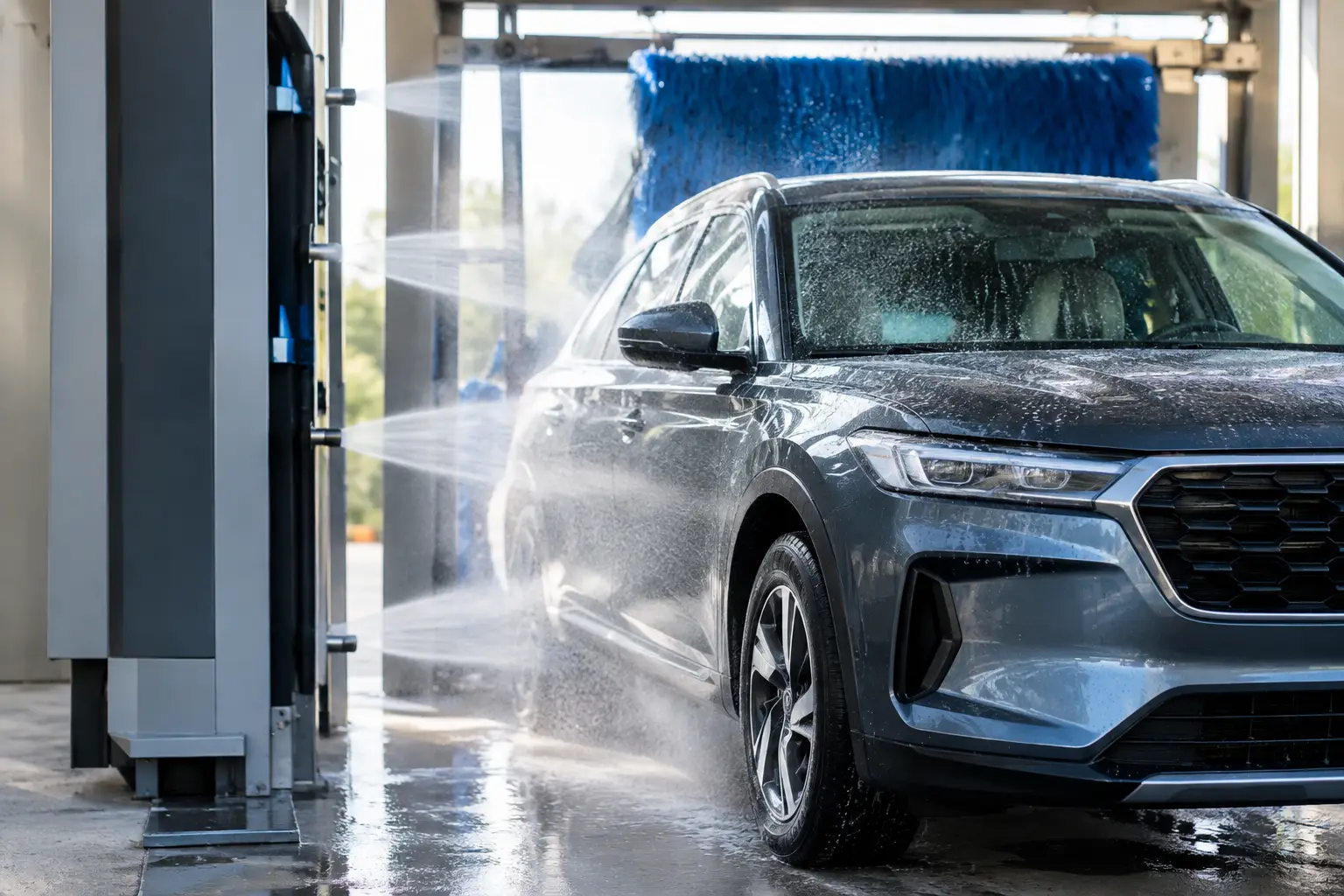
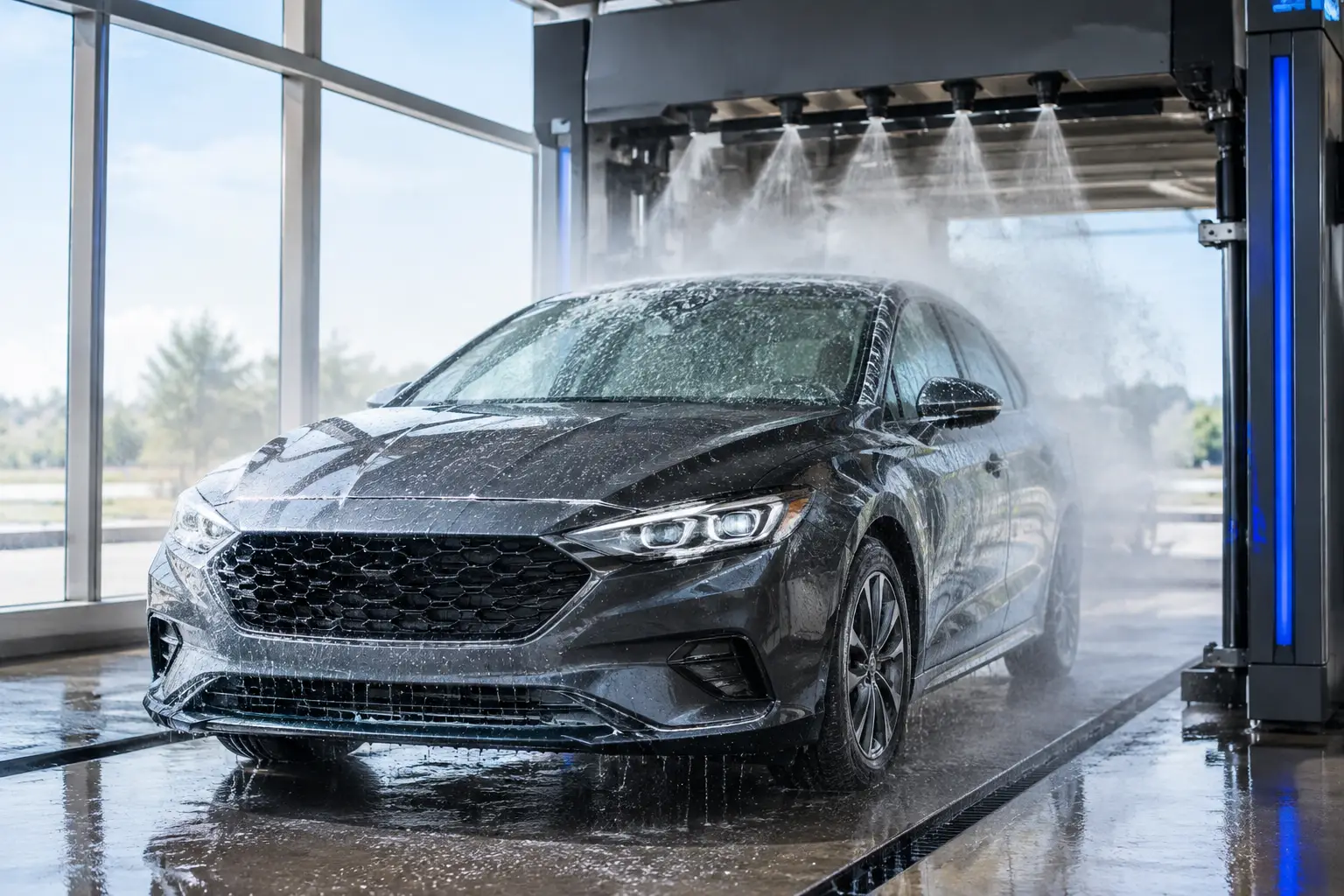
A touchless wash relies on cleaning solutions and precisely directed high-pressure water rather than spinning brushes or cloth strips. The process starts by applying detergents that loosen dirt, salt film, brake dust, and road grime. Water pressure then rinses the contaminants away from the wheel face, tire sidewall, and surrounding wheel well.
That approach is especially useful for drivers who want to avoid physical contact with their paint and wheels. Brushes can hold onto grit from previous vehicles, and friction can be a concern for drivers with delicate finishes, aftermarket wheels, or a vehicle they simply want to treat carefully. Touchless equipment removes everyday grime without rubbing anything against the surface.
Wheel cleaning is not just about appearance, either. Removing salt and grime regularly helps prevent buildup from sitting on metal surfaces for weeks at a time. That is a practical habit during a New Hampshire winter, when roads can look clear but still carry salt residue and wet slush.
Do Touchless Washes Clean Wheels as Well as Brushes?
For normal maintenance, a good touchless wash can leave wheels noticeably cleaner and brighter. Fresh road film, loose brake dust, mud, sand, and salt rinse away effectively when the chemistry has time to work and the water pressure reaches the wheel area.
The trade-off is that touchless washing does not physically scrub. Heavy, baked-on brake dust may remain in tight corners, behind spokes, around lug nuts, or along the inner barrel of the wheel. Wheels with many thin spokes, deep lips, textured finishes, or intricate designs simply have more hiding places for grime.
A friction wash may remove more stubborn buildup in one visit because it uses direct contact. However, that contact is also why some drivers prefer touchless cleaning. It is a choice between the extra cleaning force of brushes and the peace of mind that comes with a no-contact exterior wash.
For most daily drivers, touchless is the sensible routine option. It handles the dirt that accumulates from commuting, errands, school drop-offs, highway driving, and changing weather. If your wheels have not been cleaned in months or have a thick layer of hardened brake dust, they may need a dedicated wheel cleaner and careful hand detailing once before routine washes can maintain them more easily.
What Affects Wheel-Cleaning Results?
Not every wheel arrives at the wash in the same condition. The biggest factor is how long contaminants have been sitting on the surface. Brake dust contains fine particles that can cling tightly, particularly after repeated heat cycles from braking. Salt residue can also dry into a stubborn film if it is left behind between storms.
Wheel shape makes a real difference. Open-spoke wheels give water and cleaning solutions a clearer path to the brake area. Dense spoke patterns, deep-dish wheels, and large wheels with narrow openings are harder for any automated wash to reach completely. The visible face can look great while some grime remains farther inside.
Your driving habits matter too. A vehicle that spends most of its time on clean local roads may need only regular washing. A commuter traveling through construction zones, gravel shoulders, slushy highways, or long stretches of treated winter roads will collect heavier debris. Performance-oriented vehicles can also produce more visible brake dust depending on their brake-pad material.
Finally, timing matters. A wash soon after a salty drive is generally more effective than waiting until the residue has dried and built up. The same goes for mud. Fresh mud is much easier to rinse away than mud that has baked onto a hot wheel after several days of driving.
How to Get Better Results From a Touchless Wash
The best approach is consistency, not waiting for wheels to look neglected. Visit after snowstorms, wet road conditions, long highway trips, or whenever you can see a film forming on the spokes. Regular washing gives the detergents and high-pressure rinse less work to do each time.
Choose a wash option that includes the strongest available cleaning treatments for wheels and lower vehicle panels when conditions are rough. Those areas take the brunt of salt spray, slush, and dirty water. Let the full wash cycle run rather than rushing through it, since the cleaning solution needs a little time to loosen grime before the final rinse.
Afterward, take a close look at the wheel faces in good light. If a small amount of brake dust remains in detailed areas, that does not mean the wash failed. It may mean the buildup is bonded to the surface or sitting beyond the reach of an automated spray pattern. A periodic detail with wheel-safe products can reset the finish, while touchless washes keep it from getting back to that point.
Avoid using harsh household cleaners, abrasive pads, or a random stiff brush on your wheels. Wheel finishes vary widely, and products that are too aggressive can stain, dull, or damage protective coatings. If you do hand-clean wheels, use a product meant for your specific wheel type and tools that are clean and non-abrasive.
At Black Dog Car Wash, drivers in Londonderry and Belmont can make touchless wheel cleaning part of a practical year-round routine. A quick wash is easier to fit into a busy week when the wash is available 24/7, and the on-site vacuum stations make it convenient to take care of the interior at the same stop.
When Wheels Need More Than a Touchless Wash
There are a few situations where an automated touchless wash may not produce a fully detailed result. Old brake dust that has bonded to the finish, caked mud packed behind the wheel, tar spots, and corrosion staining often need more focused attention. The same is true if wheels have never been properly cleaned or protected.
If you notice rough-feeling spots, brown staining that does not rinse away, or grime embedded in every spoke corner, consider a careful hand detail. Once the wheels are restored, regular touchless washing is one of the easiest ways to maintain that cleaner look without adding another chore to your weekend.
For most vehicles, the goal is not showroom detailing after every drive. It is preventing salt, grime, and brake dust from becoming a bigger job later. Keep the washes regular, especially through winter, and your wheels will have a much better chance of looking clean whenever the road conditions finally cooperate.