If you live and drive in New Hampshire, your vehicle’s underside takes a beating. Road salt, sand, slush, mud, and wet grime collect where you rarely look, which is exactly why car wash undercarriage cleaning matters more than many drivers realize. A shiny hood and clean doors look great, but what’s stuck underneath can do the real damage.
Most people think about washing a car when the paint looks dirty. Fair enough. But the undercarriage is where hidden buildup can linger long after the body panels look clean again. That matters in a place like southern and central New Hampshire, where winter roads are heavily treated and spring doesn’t exactly arrive clean.
What car wash undercarriage cleaning actually does
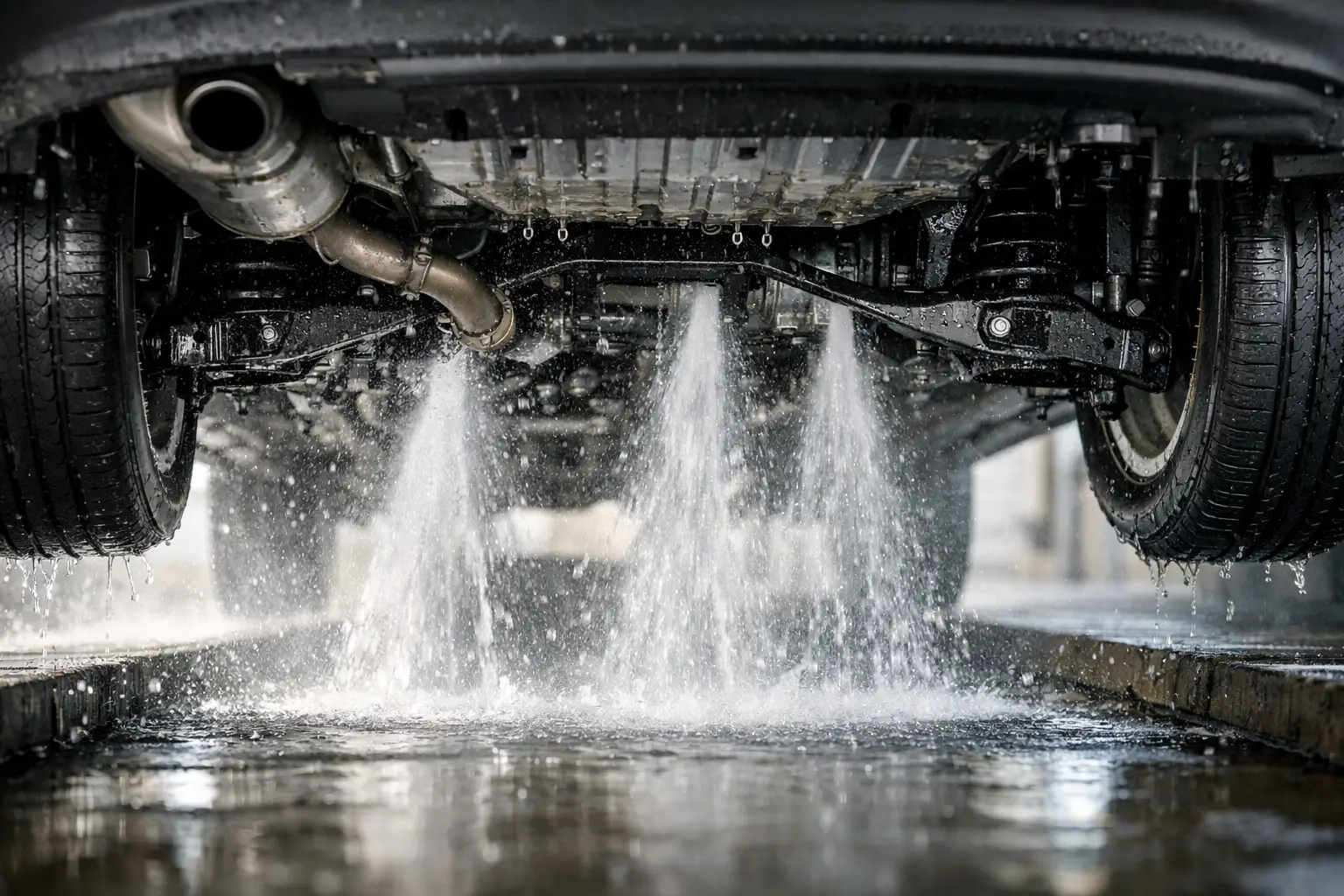
Undercarriage cleaning is designed to flush out contaminants from the underside of your vehicle. That includes salt residue, mud, grit, road film, and other debris that collects around the frame, wheel wells, suspension components, and lower body areas.
A standard rinse on the visible parts of the vehicle is not enough to reach those spots. That is why a wash with undercarriage coverage is useful. It directs water where buildup tends to hide, helping remove the material that can cling to metal surfaces and stay trapped for weeks.
This is especially valuable in winter, but it is not just a cold-weather service. Spring mud season, summer construction dust, and fall rain can all leave behind mess underneath your vehicle. Some of that is harmless and temporary. Some of it sticks around longer than it should.
Why undercarriage cleaning matters in New Hampshire
Here, the big issue is salt. Once road salt gets packed under a vehicle, it can stay there through freeze-thaw cycles, wet commutes, and temperature swings. That combination is hard on metal parts and can speed up corrosion over time.
Not every driver keeps a vehicle for ten years, and not every car will show the same wear at the same rate. Still, undercarriage buildup is one of those maintenance issues that is easy to ignore because you do not see it day to day. That does not make it minor. It just makes it easy to put off.
If you commute daily, drive on treated roads, park outside, or spend time on back roads and highways, your undercarriage is probably collecting more than you think. Families running errands, professionals with long commutes, and anyone driving through winter weather all face the same basic problem - grime settles underneath and stays there unless it is washed away.
Car wash undercarriage cleaning vs. a basic exterior wash
A basic exterior wash improves appearance fast. It clears off the visible dirt, helps protect the finish, and leaves the vehicle looking better than it did ten minutes earlier. That has real value.
But appearance and protection are not always the same thing. Car wash undercarriage cleaning adds a maintenance benefit that you cannot judge just by standing next to the vehicle in a parking lot. You are addressing the parts of the car that handle water, road debris, and salt exposure every single trip.
That does not mean every wash needs to be an all-out treatment. It depends on the season, your driving habits, and how much buildup your vehicle sees. If roads are dry and clean for a stretch, undercarriage washing may be less urgent. During winter and early spring, it moves much higher on the priority list.
When you should wash the undercarriage more often
The best timing is usually after exposure to road salt, slush, or heavy mud. If you have just driven through a storm, commuted on treated highways for several days, or had a week of messy conditions, that is a good time to clean underneath the vehicle.
You do not need to overthink it. A practical rule is simple: if the roads have been rough, wet, dirty, or salty, your undercarriage probably needs attention too. That is particularly true after winter weather events, during thaw periods, and in early spring when leftover salt mixes with road grime.
For drivers who wash regularly, adding undercarriage cleaning as part of the routine makes sense. For drivers who only wash when the vehicle looks bad, the better move is to think beyond appearances. Your vehicle can look decent from the side and still have a layer of damaging residue underneath.
Touchless washing makes sense for undercarriage care
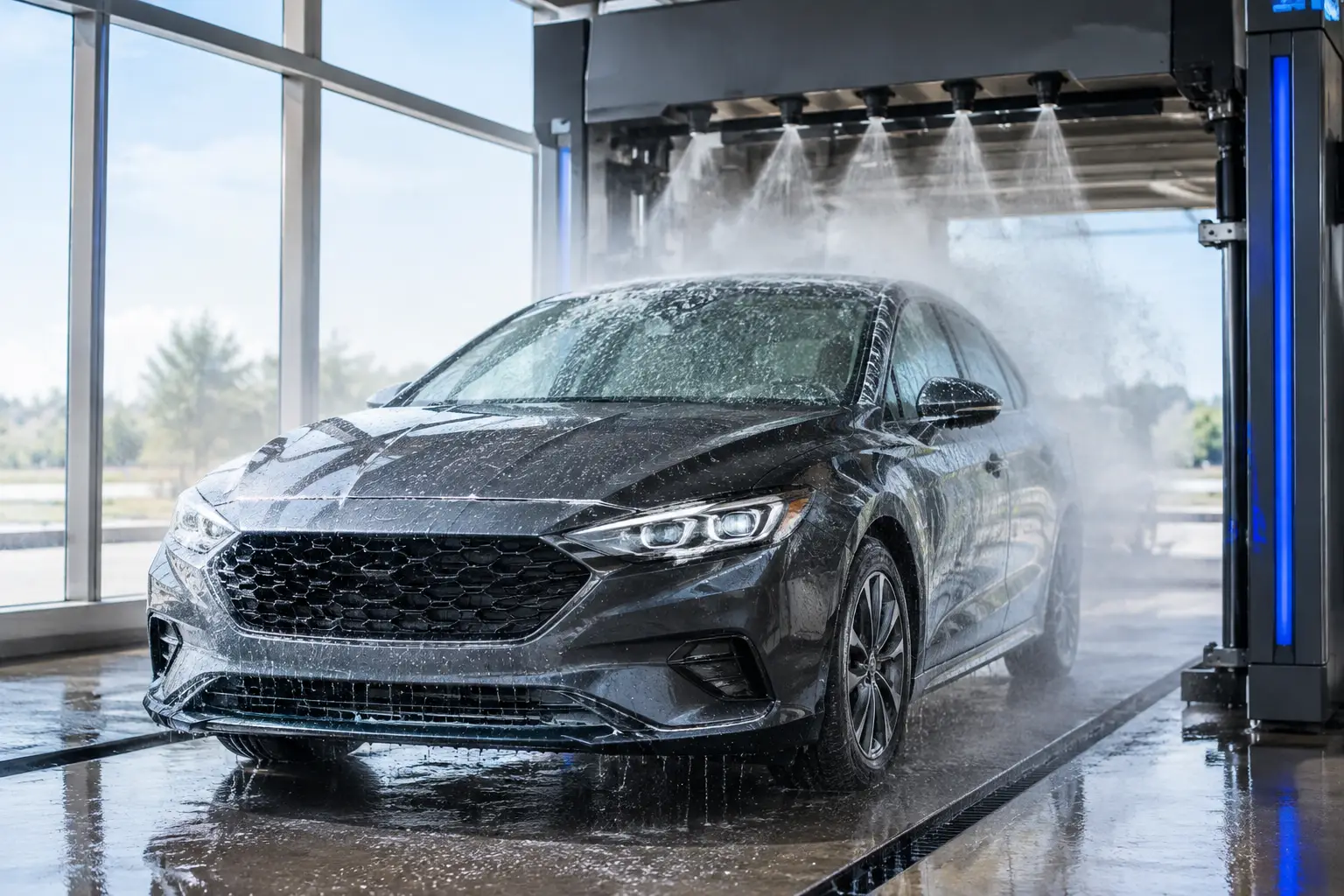
When drivers choose a touchless wash, they are usually thinking about paint safety first. That makes sense. No physical brushes contacting the vehicle means less concern about friction on the finish.
But touchless service also fits the undercarriage conversation well. You are getting targeted cleaning power without relying on abrasive contact, and the process is quick enough to work into a normal day. For busy drivers, that matters. Good maintenance only helps if it is convenient enough to do consistently.
At Black Dog Car Wash, that convenience is part of the point. Drivers in Londonderry and Belmont want a wash that is easy to fit in before work, after school pickup, or on the way home from a long day. The easier it is to stop in, the easier it is to stay ahead of the grime that causes trouble later.
What undercarriage cleaning can and cannot do
It can remove fresh buildup and reduce the amount of salt and debris sitting under your vehicle. That is the main benefit, and it is a worthwhile one.
What it cannot do is reverse existing rust or repair damage that has already set in. If corrosion has started, washing can help prevent additional buildup, but it is not a fix. That is why routine cleaning works better than waiting until the problem becomes obvious.
It also cannot reach every mechanical issue or replace inspections and regular service. Undercarriage cleaning is one part of vehicle care, not the whole plan. Think of it as preventive maintenance that supports the rest of your ownership routine.
How often is enough?
There is no perfect number for every driver. A weekend vehicle kept mostly in a garage has different needs than a daily commuter running I-93 in January. A family SUV making school, grocery, and sports runs through slush and parking lot grime will usually need more frequent attention than a lightly used car.
For many New Hampshire drivers, more frequent undercarriage washing during winter and early spring is the smart move. During cleaner stretches of the year, you may not need it as often. If conditions turn muddy, dusty, or rainy for an extended period, it becomes useful again.
That is the trade-off. Wash too rarely, and buildup stays in place longer than it should. Wash more consistently, and you are doing a better job protecting the vehicle over time. Beau would probably say your car’s underside is not glamorous, but neither is paying for avoidable repairs.
Signs drivers tend to ignore
A lot of undercarriage-related trouble starts quietly. You may not notice anything unusual right away. That is part of the reason regular cleaning gets overlooked.
If your vehicle is carrying visible salt lines, packed wheel well grime, or muddy residue around the lower panels, there is a good chance the underside needs attention too. The exterior can be a clue. It is not a perfect one, but it usually tells you something about what is happening underneath.
And if you have been putting off a wash because the weather has stayed messy, that is understandable. Still, waiting too long can let that grime sit through repeated wet-dry cycles. The sooner it is flushed off, the better.
Why convenience matters more than people admit
Most drivers are not skipping car care because they do not value their vehicle. They are skipping it because life gets busy. Between work, errands, family schedules, and weather, it is easy to keep pushing a wash to another day.
That is why access matters. A wash that is available when you actually need it, including outside standard business hours, gives you a better chance of staying on top of routine maintenance. The easier the process, the more likely you are to do it before salt and grime have time to settle in.
For local drivers, the best wash routine is not the most complicated one. It is the one you can stick with through every season.
A clean vehicle should not just look better in the driveway. It should be better protected where the grime does its worst work - underneath. If the roads have been rough lately, your undercarriage has noticed even if you have not.