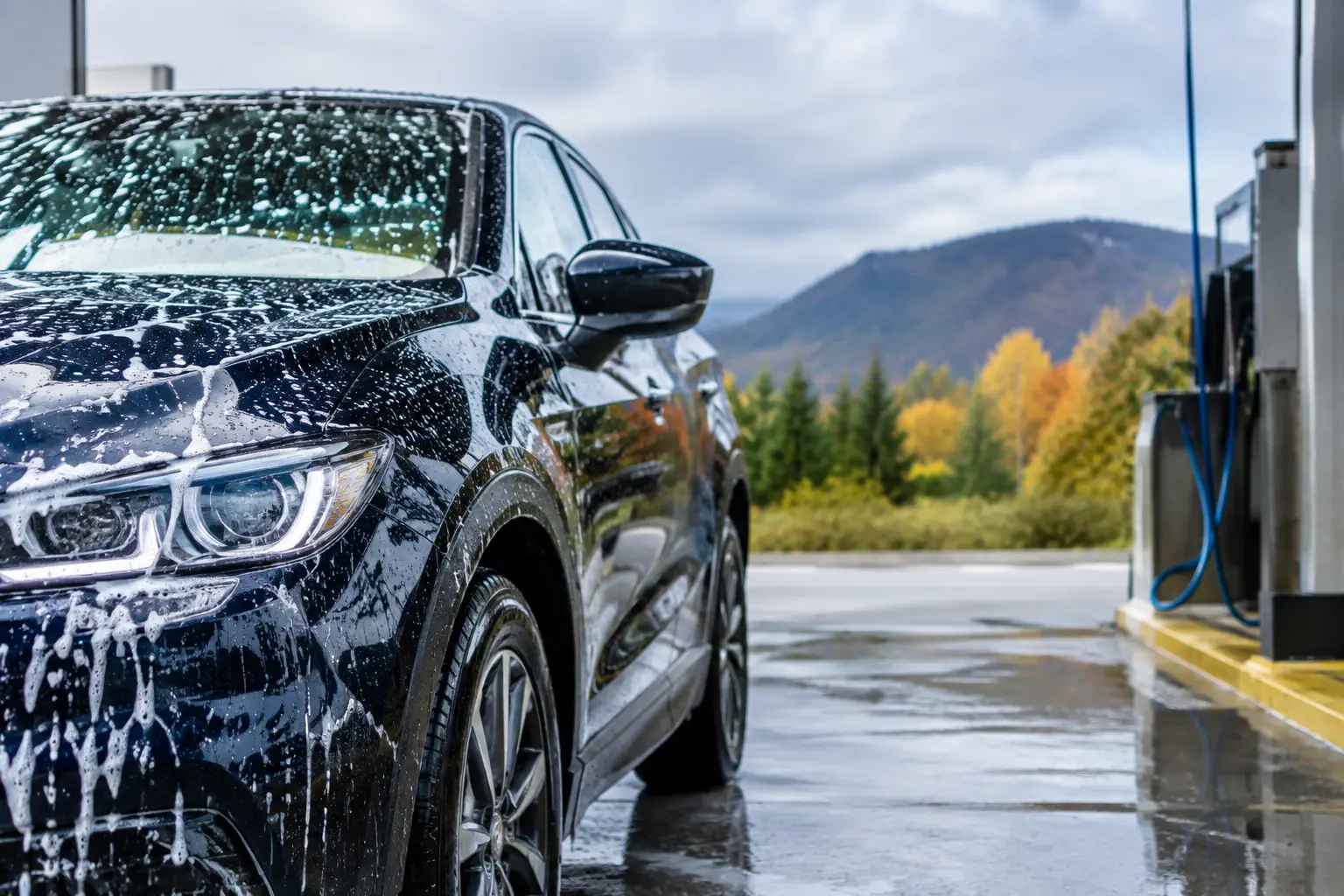
A car wash before rain is not a waste of time - especially in New Hampshire. Rain may leave your vehicle wet again, but it does not erase the value of removing road salt, pollen, brake dust, mud, bird droppings, and other grime that is already sitting on the paint.
The better question is not, “Will it rain?” It is, “What is on my car right now?” If your vehicle is coated in winter residue, spring pollen, or the dusty film that builds up during a normal commute, washing it before a storm can help protect the finish and keep that grime from hanging around longer.
Why a Car Wash Before Rain Can Make Sense
Rainwater is not a substitute for a proper wash. It may rinse off loose dust, but it does not have the cleaning power to remove stuck-on road film, oily residue, salt, or contaminants that cling to your vehicle’s exterior. In some cases, rain can make a dirty car look worse by spreading existing grime across the paint and glass.
A professional wash removes the buildup before the storm arrives. That matters because contaminants can sit on the clear coat, settle into seams, and collect around wheels, rocker panels, and lower body areas. The sooner you remove them, the less time they have to cause trouble.
This is particularly true after winter driving. New Hampshire roads can leave cars covered in salt brine, sand, slush residue, and grime from wet pavement. Waiting for perfect weather to wash your car can mean leaving that mess in place for weeks. Beau would call that a bad game of fetch: you keep waiting for clean weather while the salt keeps winning.
A wash before rain can also improve visibility right away. Clean windows, mirrors, headlights, and backup cameras are useful whether the forecast calls for light rain or a full afternoon downpour. A cleaner windshield helps your wipers work more effectively, while clean headlights and taillights make your vehicle easier to see.
When Washing Before Rain Is Worth It
If the forecast calls for a brief shower, washing your car beforehand is usually an easy decision. Your vehicle will still benefit from having dirt and contaminants removed, even if raindrops leave behind a few water spots afterward.
It is also worth washing before rain when your car has visible salt, pollen, bird droppings, tree sap, mud, or construction dust. These are not just cosmetic issues. Salt and road grime are especially worth removing during colder months and early spring, when they tend to build up underneath the vehicle and around the wheel wells.
Wash before rain if you are preparing for a trip, picking up clients, heading to an event, or simply want to start the week with a clean vehicle. A little rain does not cancel out the benefits of driving a clean, well-maintained car.
The timing can be especially convenient for busy drivers. If you have a free 10 minutes before work, after errands, or late at night, use it. A 24/7 wash gives you the option to clean your vehicle when your schedule allows instead of waiting for a sunny Saturday that may never arrive.
Rain Can Help Rinse Away Loose Dust
There is one modest benefit to rain after a wash: it can rinse away loose surface dust that lands later. That does not replace washing, and heavy rain can still leave mineral spots once it dries, but a recently cleaned vehicle generally has less dirt available for rainwater to drag across the surface.
A clean exterior also makes it easier to spot new issues, such as fresh tree sap, a chipped area of paint, or residue around the doors and trunk. Routine washing gives you a closer look at the vehicle you depend on every day.
When It May Be Better to Wait
There are times when waiting makes sense. If a major storm is expected to bring flooding, high winds, falling branches, heavy mud, or days of dirty roadside spray, you may prefer to wash after it passes. The same goes for a drive on unpaved roads, a muddy job site, or a long highway trip through slush.
If the rain is expected to be mixed with snow or followed by below-freezing temperatures, consider how quickly you will be able to dry door jambs, mirrors, and other areas that can hold water. A quality wash is still beneficial in winter, but your timing should fit the conditions.
The key is not to treat rain as a reason to avoid washing altogether. Weather in New Hampshire changes quickly. If you only wash when the forecast guarantees several dry days, routine cleaning becomes difficult - and dirt, salt, and road film stay on the vehicle longer than they should.
Why Touchless Washing Is a Smart Choice Before a Storm
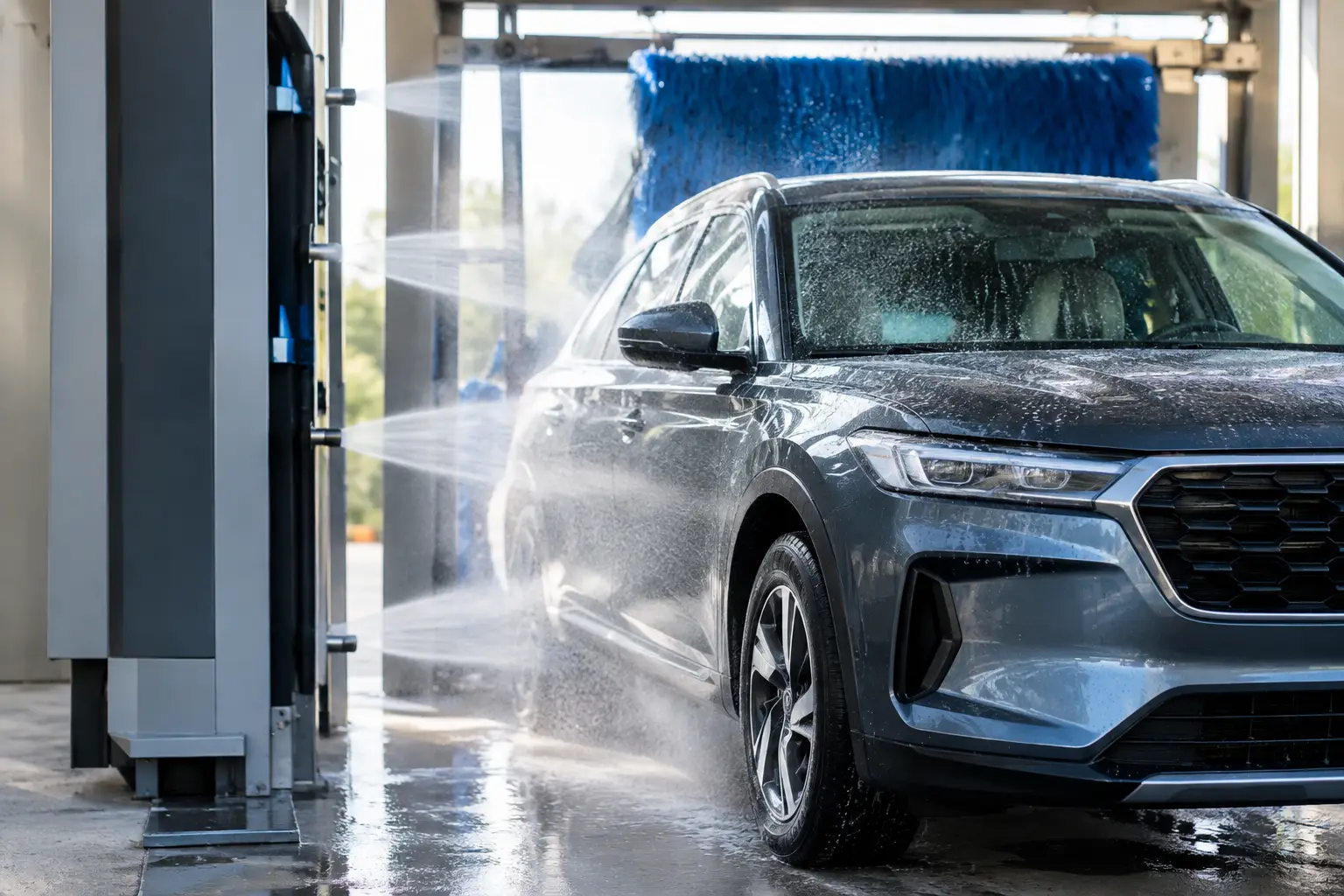
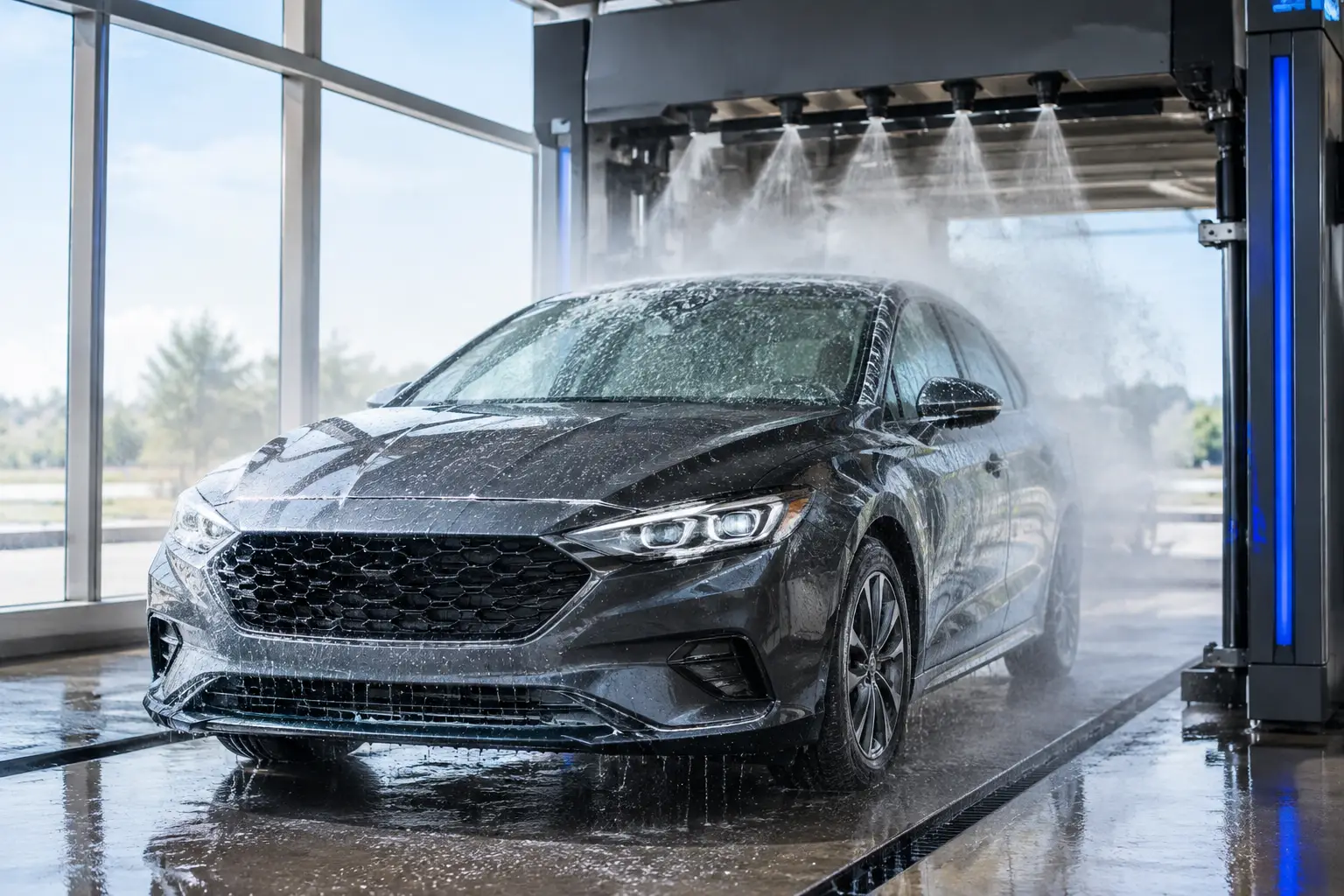
When your car is dirty, friction matters. Loose debris on the paint can act like fine grit if it is pushed around by physical brushes. A touchless wash uses high-pressure water and cleaning solutions to lift and rinse away grime without brushes contacting the vehicle’s exterior.
That is a practical choice for drivers who want effective cleaning while being mindful of their paint and finish. It is especially helpful after a messy commute, when the lower half of the car is covered in salt spray or wet road film.
At Black Dog Car Wash, touchless equipment is designed to deliver a thorough exterior clean without physical brushes touching your vehicle. For drivers in Londonderry and Belmont, that means you can get the wash you need before rain, after rain, or whenever the road has made a mess of your car.
Do not forget the interior either. Rainy days often mean wet shoes, sand, leaves, and dirt inside the cabin. Taking a few minutes at a high-powered vacuum station can make your vehicle feel as clean inside as it looks outside.
A Better Rule for Washing Around Rain
Instead of watching the forecast and asking whether rain will “ruin” your wash, use a simpler rule: wash when your vehicle is dirty enough to need it. If there is salt on the body, grime on the wheels, pollen on the hood, or streaks blocking your view, it is time.
For many drivers, a regular wash every couple of weeks is a sensible starting point. During winter, mud season, or high-pollen stretches, you may want to wash more often. Vehicles parked under trees or driven daily on highways may need extra attention as well.
The finish on your car is exposed to more than rain. It deals with UV exposure, road debris, insects, tree residue, salt, and everyday dirt. Keeping it clean is one of the easiest routine maintenance habits you can control.
Make the Forecast Work for You
A rainy forecast should not automatically send you past the car wash. If your vehicle needs cleaning, removing the grime now is usually better than letting it sit until the weather looks perfect. Rain may change how your car looks for a day, but it does not change the value of getting salt, dirt, and contaminants off the paint.
Wash when it is convenient, drive with clearer glass and cleaner lights, and let the forecast do what it does. Your car will be better off for it.