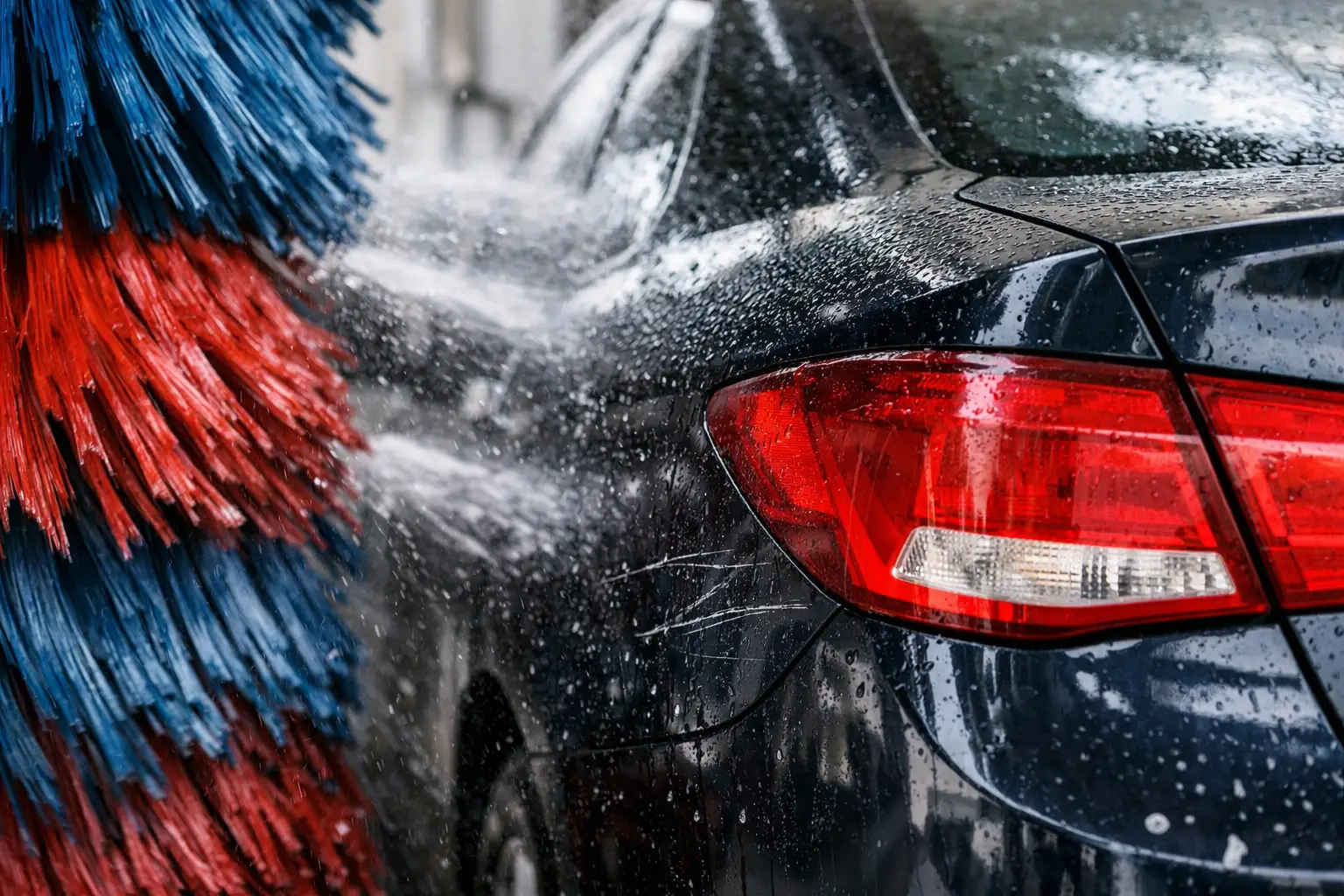
You pull into a wash because your car is covered in salt, pollen, or that fine layer of New Hampshire road grime, and then the question hits you - can automatic washes damage paint? The honest answer is yes, some can. But not all automatic washes are the same, and the difference usually comes down to one thing: whether anything physically touches your vehicle.
That distinction matters more than most drivers realize. If you are trying to keep your finish in good shape through mud season, winter, and everything in between, it helps to know what actually causes paint wear and what does not.
Can Automatic Washes Damage Paint? Yes, Sometimes
An automatic wash can damage paint if it uses physical contact that drags dirt, grit, or worn materials across the surface. That is why some drivers notice light swirls, haze, or fine scratches after repeated trips through older brush-style systems or poorly maintained soft-touch washes.
The paint itself is not usually being gouged in one dramatic pass. More often, the damage builds slowly. Tiny marks add up over time, especially on dark-colored vehicles where every swirl seems to show up the second the sun hits it.
It also depends on the condition of your car before the wash. If the vehicle is heavily caked in sand, salt, or road grit, any friction-based system has more risk. Dirt becomes an abrasive. In simple terms, if something touches your paint while grime is still sitting there, that grime can get rubbed around.
Why Some Automatic Washes Cause Paint Problems
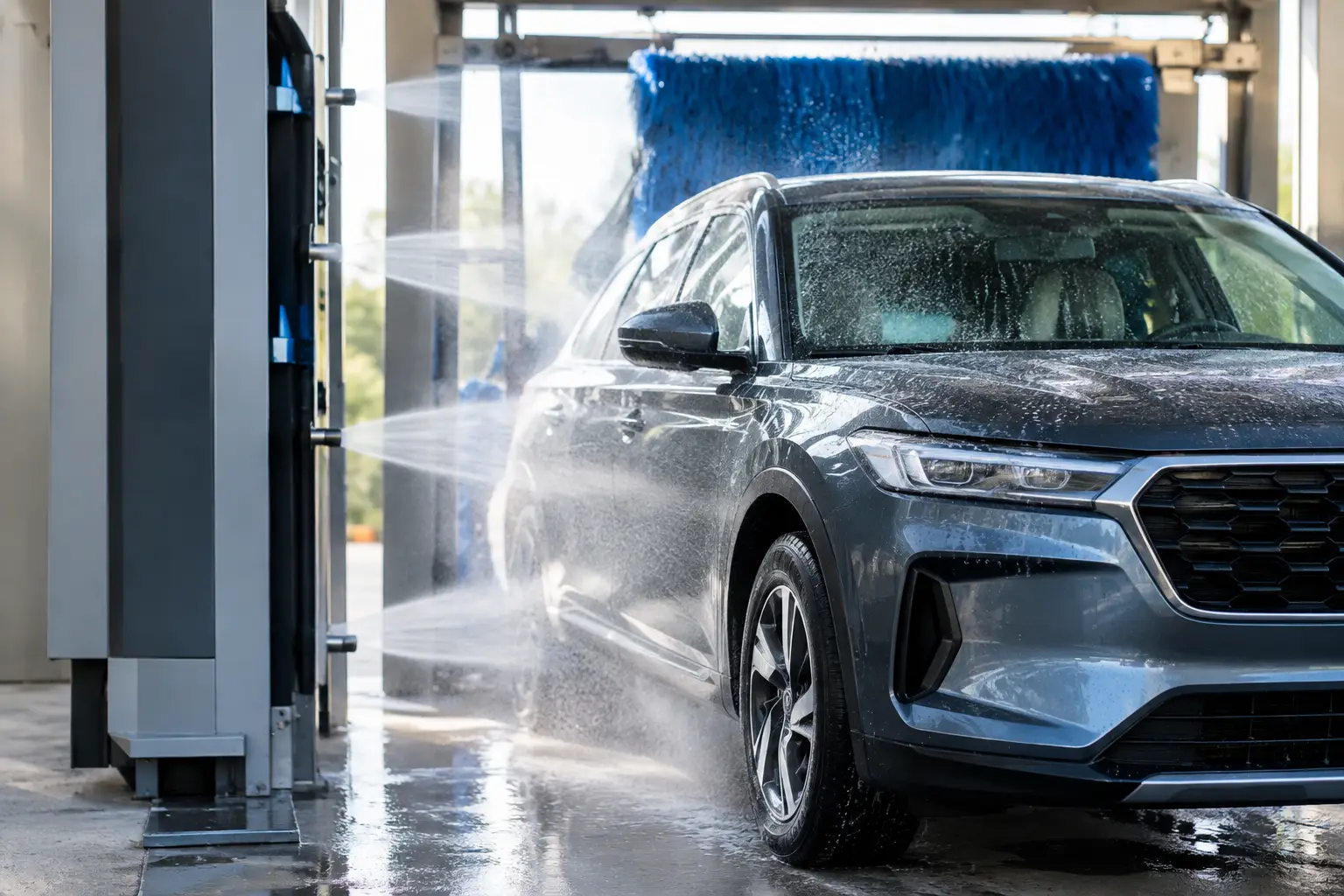
The biggest issue is friction. Traditional automatic washes often rely on spinning brushes, cloth strips, or foam materials to scrub the vehicle. Even when those materials are designed to be gentle, they can still pick up debris from previous vehicles or from your own car during the wash cycle.
That is where trouble starts. Paint damage is rarely caused by soap or water pressure alone. It is usually caused by contamination being moved across the finish. Think of it like wiping a dusty black table with a dirty rag. The rag may feel soft, but the grit in it is what leaves marks.
Maintenance also plays a big role. A well-run wash with regularly cleaned equipment is not the same as an older system with worn components and inconsistent upkeep. Two automatic washes may look similar from the outside, but the experience your paint gets can be very different.
Vehicle condition matters too. Older paint, failing clear coat, cheap aftermarket paintwork, and existing scratches can all make a finish more vulnerable. If your vehicle already has weak spots, any aggressive wash method may make them more obvious.
What Paint Damage Usually Looks Like
When drivers worry about wash damage, they are usually talking about surface defects in the clear coat. These often show up as swirl marks, spiderweb-like scratches, dullness, or a loss of gloss. You may not notice them under cloudy skies, but in direct sunlight they can stand out fast.
That said, not every mark on a vehicle comes from a car wash. Snow brushes, dirty microfiber towels, automatic gas station squeegees, tree sap removal, and parking lot life all leave their mark. A wash may get blamed for damage that was already developing.
Still, repeated exposure to friction-based washing can absolutely speed up the process. If your goal is to reduce wear, the safest move is to reduce contact.
Why Touchless Washing Changes the Equation
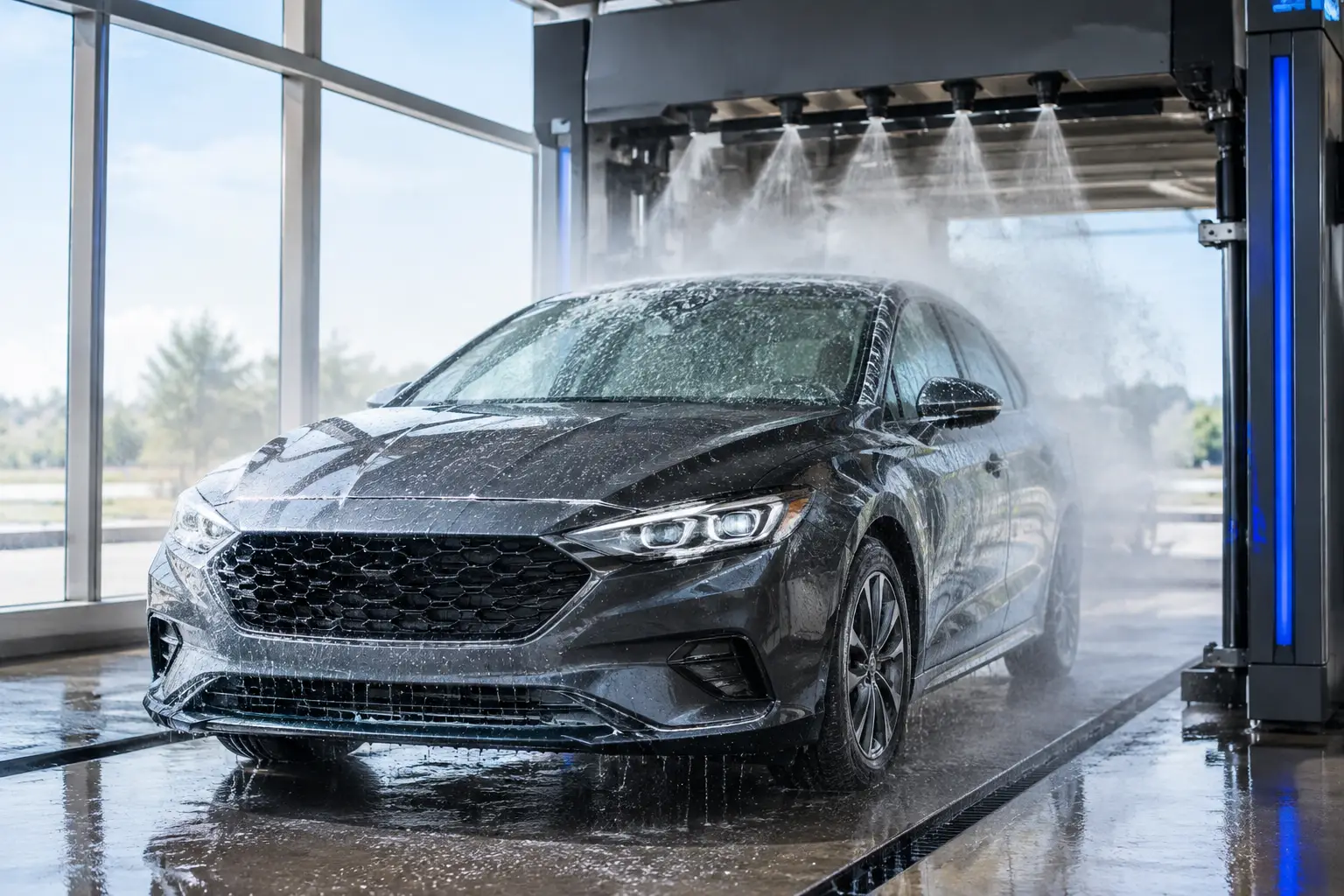
A touchless wash removes the main source of paint risk because it cleans without brushes or cloth making contact with the vehicle. Instead, it relies on specialized detergents, targeted application, water pressure, and rinse cycles to break down and remove dirt.
That is a big deal for drivers who want a cleaner car without the constant concern that scrubbing materials are dragging grit across the finish. No-contact cleaning is not just a marketing phrase. It directly addresses the most common cause of wash-related swirls.
This is why touchless systems are often the better fit for people who wash regularly, lease newer vehicles, drive darker cars, or simply want a safer routine year-round. In places like New Hampshire, where salt and winter residue are part of normal life, regular washing matters. The method matters too.
Are Touchless Washes Perfect?
Not exactly. A touchless wash may be safer for paint, but there is always a trade-off. Because it does not physically scrub the surface, it may have a harder time removing certain stubborn contaminants like baked-on bug residue, heavy road film, or thick grime that has been sitting too long.
That does not mean touchless is ineffective. It means expectations should be realistic. For routine maintenance and frequent washing, touchless is an excellent choice. For a vehicle that has gone months without cleaning, some residue may need extra attention.
Most drivers are not choosing between perfect and harmful. They are choosing between practical options that fit real life. If you wash often enough to prevent buildup, touchless technology usually gives you the best balance of safety and results.
Can Newer Automatic Washes Still Be Safe?
Some newer automatic washes that use soft materials are gentler than the old-school stiff-brush systems many people remember. That is true. Technology has improved, and not every friction wash is automatically bad.
But gentler does not mean no risk. If anything touches the paint, there is still a chance of marring, especially if debris is present. For drivers who are specifically worried about preserving paint, reducing contact remains the safer approach.
That is why the better question is not just can automatic washes damage paint. It is what kind of automatic wash are you using, how well is it maintained, and how much risk are you comfortable accepting?
How to Protect Your Paint Between Washes
If you want to keep your finish looking better longer, your wash choice is only part of the picture. Frequency helps. Letting grime sit for weeks gives salt, bird droppings, bug remains, and environmental fallout more time to affect the surface.
A protective wax, sealant, or ceramic product can also help by creating a barrier that makes dirt easier to remove. You still need to wash the vehicle, but protection can reduce how tightly contaminants stick and can improve the overall look of the finish.
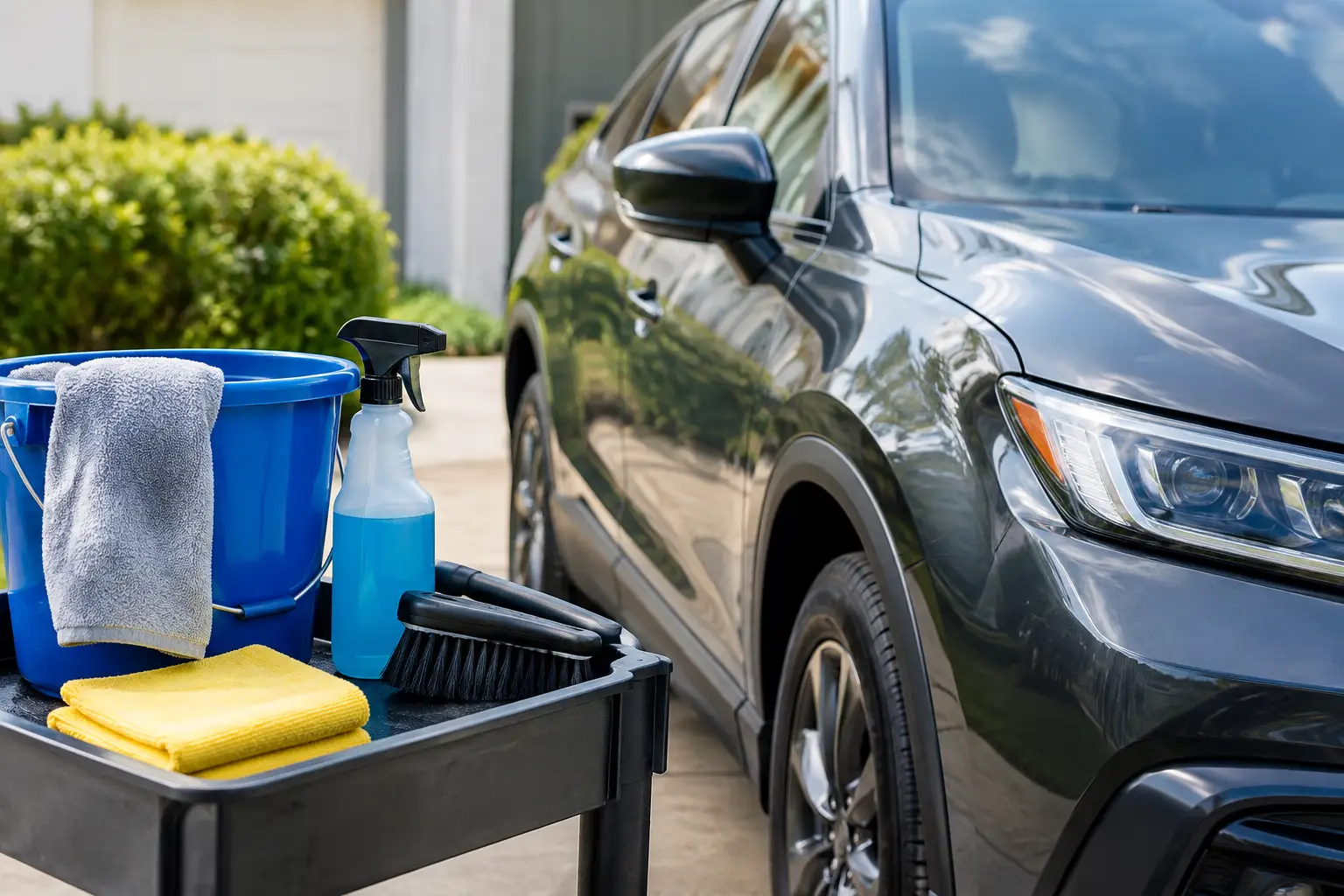
Drying matters as well. If you ever hand dry your vehicle after a wash, use clean materials and light pressure. A dirty towel can undo a lot of good work quickly. Beau would probably tell you that rolling in the mud is optional for dogs, not for cars.
When Drivers Should Be Most Careful
If your vehicle has fresh paint, existing swirl marks, a delicate dark finish, or a premium clear coat you are trying to preserve, it makes sense to be more selective. The same goes for trucks and SUVs that see a lot of winter driving and collect heavy road debris.
You should also be cautious if a wash looks poorly maintained or outdated. If equipment appears worn, dirty, or rough, trust your instincts. Convenience matters, but not at the expense of your finish.
For everyday drivers, the smart move is simple: choose a wash method that cleans effectively while minimizing the chance of contact-based damage. That is one reason touchless operators like Black Dog Car Wash appeal to busy local drivers who want a dependable wash without brushes hitting the paint.
The Bottom Line for Busy Drivers
So, can automatic washes damage paint? Yes, they can - especially when friction, debris, and poor maintenance enter the picture. But that does not mean you need to avoid automatic washing altogether. It means you should be selective.
If you want a fast, practical way to keep your vehicle clean while lowering the risk of swirl marks and surface scratches, touchless washing is usually the safer lane. When the roads are messy and your schedule is full, that kind of peace of mind goes a long way.
Your car does not need perfection every week. It just needs a cleaning routine that respects the paint as much as your time.