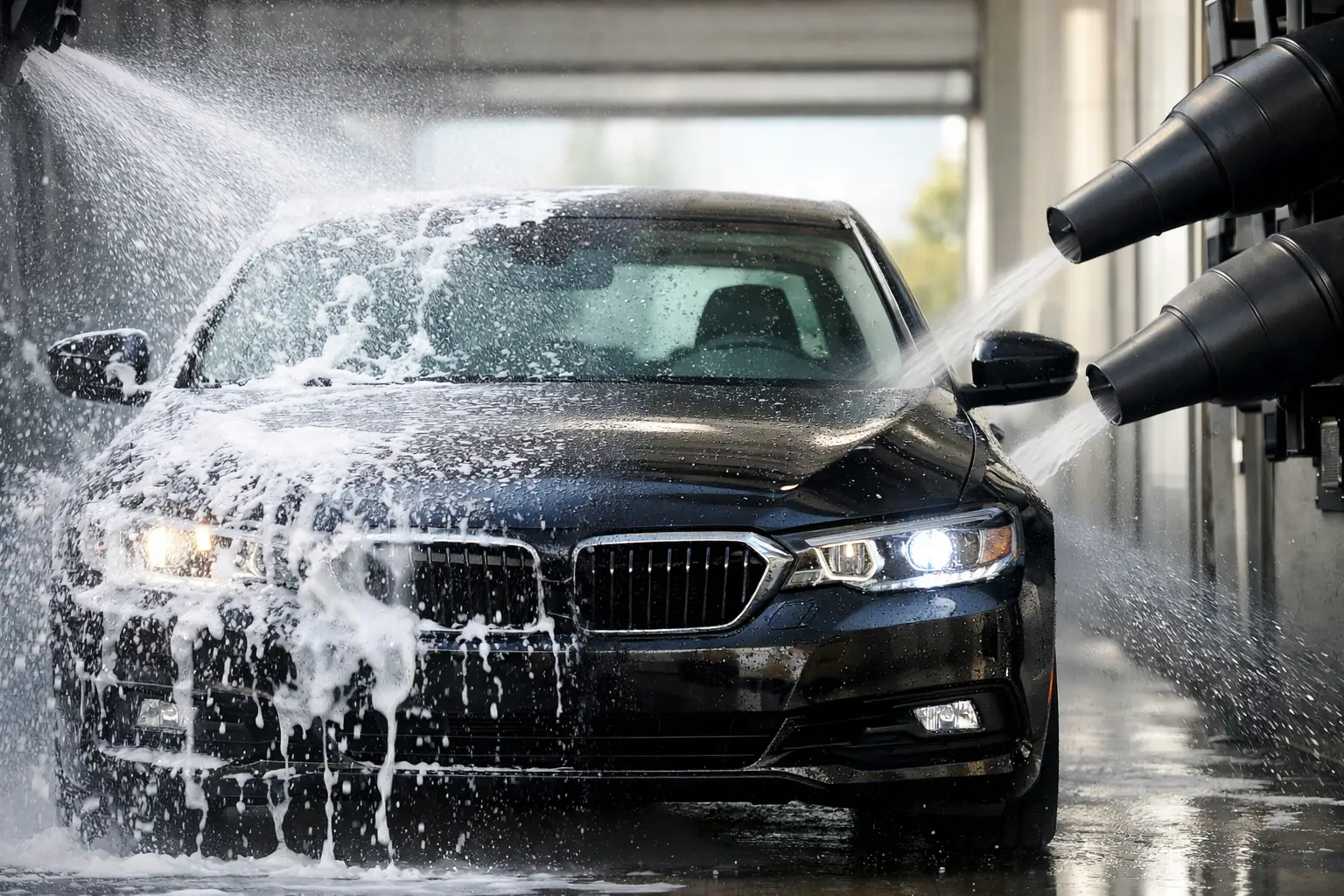
You can usually spot the decision point before you even pull in - brushes or no brushes. For many drivers, the brushless car wash difference comes down to one simple question: do you want your vehicle cleaned by physical contact, or by water pressure and detergents alone? If you care about protecting your finish while still getting the grime off, that difference matters more than most people realize.
In New Hampshire, cars deal with a little of everything. Winter salt, spring pollen, summer dust, fall debris, and the muddy mess in between all build up fast. That means choosing a wash is not just about getting a cleaner-looking car for the day. It is about finding a method you can use regularly without second-guessing what is touching your paint.
What the brushless car wash difference really means
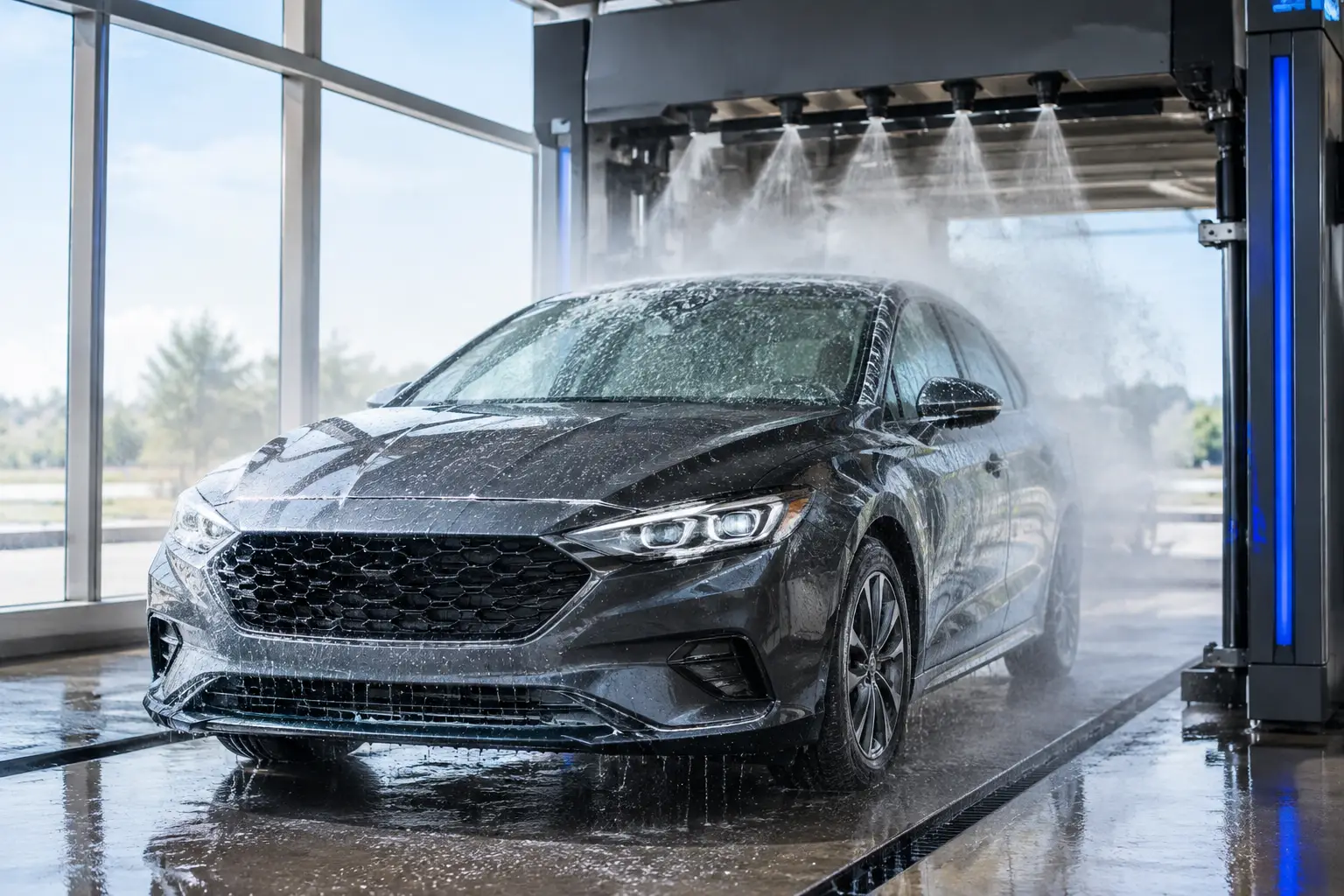
A brushless wash, often called a touchless wash, cleans your vehicle without foam strips, rotating brushes, or cloth material making contact with the exterior. Instead, the system uses a combination of specialized cleaning solutions, water pressure, and precise rinse cycles to loosen and remove dirt.
A friction wash works differently. It relies on brushes, soft cloth, or other material to physically scrub the vehicle surface. That contact can help remove stubborn buildup, but it also introduces more risk. Even when the material is marketed as soft, anything that touches the vehicle can carry leftover grit from previous washes or create wear over time.
That is the main brushless car wash difference. One method depends on contact. The other depends on chemistry, pressure, and smart equipment.
Why many drivers prefer brushless washing
For everyday drivers, the biggest appeal is peace of mind. If you own a newer vehicle, have dark paint, want to protect a clear coat, or simply do not like the idea of brushes dragging across the surface, touchless washing is an easy choice.
There is also the practical side. A brushless wash is consistent. You pull in, the system does the work, and your vehicle gets cleaned without physical abrasion from spinning materials. For people who wash often, that can be a major benefit. Regular washing is good for the vehicle, especially in a region where road salt can cling to every lower panel and wheel well. Doing it with a non-contact method makes routine care feel a lot less like a trade-off.
If Beau were weighing in, he would probably say your paint does not need a back scratch from a giant spinning mop. Fair point.
Does brushless mean less effective?
Sometimes, and that is where honesty matters.
A brushless wash is very effective at removing everyday road film, loose dirt, salt residue, pollen, and fresh grime. For regular maintenance, it does the job well, especially when the equipment is designed for strong coverage and proper detergent application.
Where a brushless wash can have a tougher time is with heavy, stuck-on contamination. Think dried mud caked behind the wheels, bug buildup that has baked onto the front bumper for days, or sap that has had time to harden. Since there is no physical scrubbing, the wash has to rely entirely on cleaning agents and water force. That works well in many cases, but not every case.
So the answer is not that brushless is better at everything. It is that it is often the better fit for drivers who want safe, effective routine cleaning with less risk to the finish. If your vehicle is extremely dirty, you may need a pre-rinse, a second wash, or some extra attention afterward.
Paint protection is where the difference stands out
When people ask about wash safety, they are usually talking about swirl marks, fine scratches, and dulling over time. Those issues are often tied to friction. If debris gets trapped in a brush or cloth system and then rubs against the paint, the result can be micro-scratches that become more noticeable in sunlight.
That is why the brushless car wash difference matters to drivers who take their paint seriously. No-contact washing reduces the chance of that kind of wear because the system is not dragging material across the surface. It is a smart option for vehicles with delicate finishes, recent paint correction, ceramic coatings, or owners who simply want to stay ahead of avoidable damage.
This does not mean every friction wash causes damage or every touchless wash is perfect. Equipment quality, maintenance, detergent strength, and wash frequency all play a role. Still, if your priority is minimizing contact with the exterior, brushless is the clear winner.
What gets cleaned best in a touchless wash
Touchless systems shine when the goal is frequent, dependable exterior maintenance. They are especially good for:
- Road salt and winter film
- Light to moderate dirt buildup
- Pollen and dust
- Rain residue and road spray
- Fresh mud and general commuter grime
That matters in places like Londonderry and Belmont, where weather changes quickly and your clean car does not stay clean for long. A wash method that is easy to use regularly is often more valuable than one aggressive wash every few weeks.
Consistency is part of the value. The sooner salt, grime, and debris come off your vehicle, the less time they have to sit on the paint and lower body panels.
When a brush wash might still appeal to some drivers
There are drivers who prefer friction washes because they like the feeling of a more aggressive scrub. In some cases, that approach can remove stubborn dirt more quickly in a single pass. If a vehicle has gone a long time without being washed, the physical contact may help lift grime that a touchless wash does not fully remove the first time.
That said, it comes back to priorities. If your focus is maximum cleaning force on a neglected vehicle, a brush system may seem appealing. If your focus is regular care with less chance of surface wear, brushless usually makes more sense.
For most busy drivers, especially those washing through every season, the better question is not which method is toughest. It is which method you will feel good about using again and again.
The brushless car wash difference in winter
Winter is where touchless washing earns its keep.
Salt is not just ugly. It can cling to the body, collect around wheel openings, and sit on lower panels where it does the most damage. During New Hampshire winters, being able to wash often matters. And when temperatures are low and schedules are packed, convenience starts to matter just as much.
A brushless wash gives drivers a quick way to stay on top of salt and slush without worrying about brushes grinding winter grit into the finish. That is one reason many year-round customers prefer touchless systems. They want something safe enough to use often and simple enough to fit into real life.
What to expect from a quality touchless wash
Not all brushless washes are equal. A good one should deliver strong detergent coverage, thorough rinse action, and equipment that is maintained for consistent performance. It should clean effectively without making the process complicated for the customer.
That is why drivers often look for a wash they can trust, not just one they happen to pass. A dependable touchless location means you know what kind of clean you are getting, how the equipment operates, and whether the experience will be quick enough to fit into a lunch break, school pickup window, or late-night errand run.
Black Dog Car Wash is built around that kind of convenience - straightforward touchless washing, local access, and the ability to stop in when it works for you, not just when the clock says so.
So which wash should you choose?
If you want the shortest answer, here it is: choose brushless if protecting your finish and keeping up with regular cleaning matter most. Choose a friction wash only if you are comfortable with vehicle contact and are chasing a more aggressive scrub on heavy buildup.
For many drivers, the right choice is less about one dramatic before-and-after and more about what works week after week. A touchless wash fits that routine well. It is fast, practical, and easier on your vehicle’s exterior.
A clean car should not come with second thoughts. If you can wash often, remove the mess that New Hampshire roads leave behind, and feel confident about what is not touching your paint, that is usually the difference that counts.