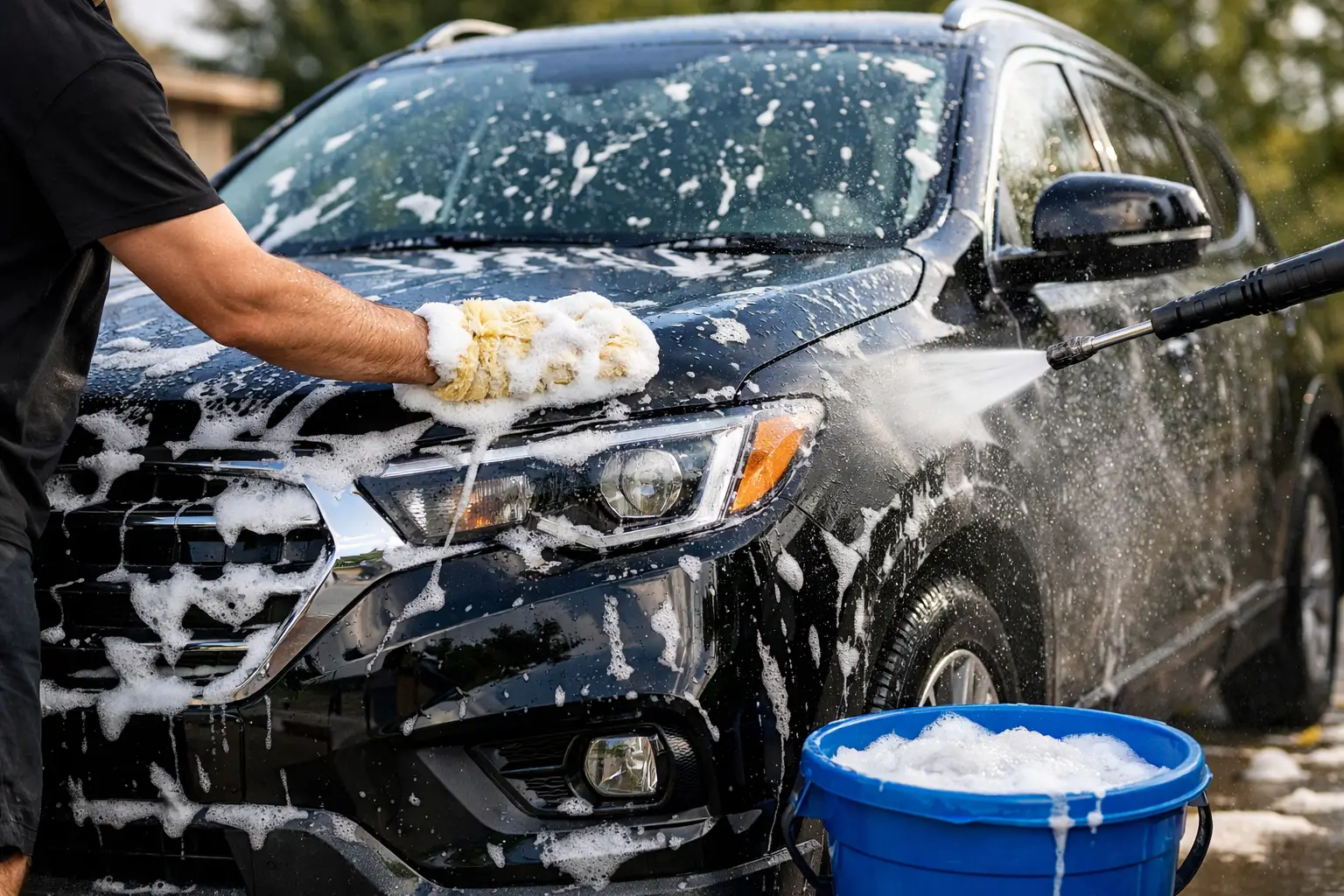
An SUV collects more than its share of New Hampshire mess. Higher wheel wells trap mud, roof rails catch pollen, rear liftgates collect road film, and winter salt seems to find every lower panel. The best way to wash an SUV is to remove that buildup thoroughly without adding scratches from dirty brushes, towels, or rushed driveway washing.
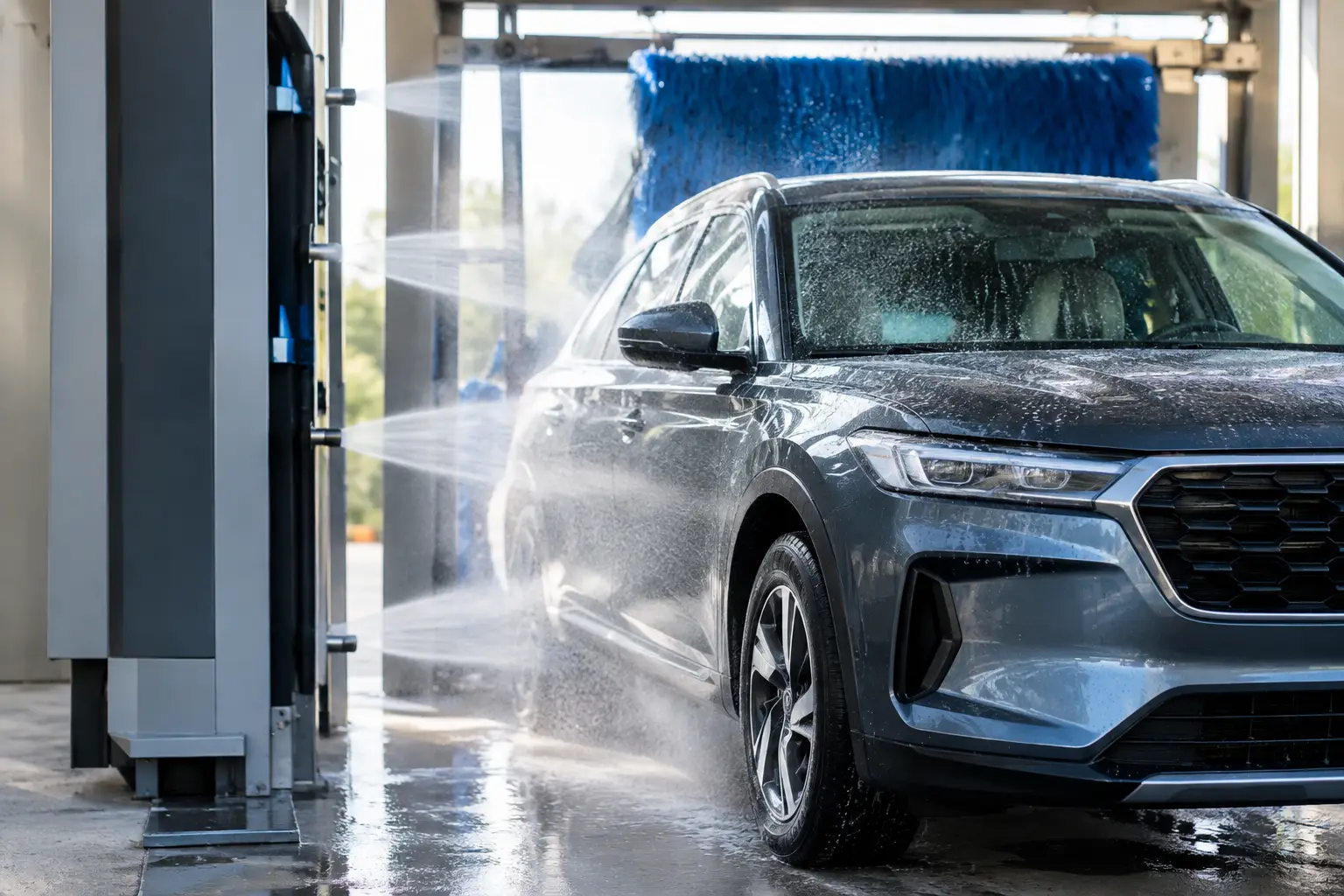
For most drivers, a quality touchless wash is the practical answer. It uses high-pressure water and properly applied wash solutions to break down grime without brushes physically rubbing across the paint. That matters when your SUV is carrying kids, gear, groceries, dogs, or all of the above. Beau would probably argue that muddy paw prints are a badge of honor. Your paint finish may disagree.
Why SUVs Need a Different Wash Routine
SUVs are built for busy use, which means their dirty areas are not always obvious from the driver’s seat. The roof, running boards, wheel wells, trailer-hitch area, and rear hatch often need extra attention. A quick rinse may make the vehicle look better, but it can leave behind the grit that causes staining, corrosion, and a dull finish over time.
The extra height is another factor. Washing an SUV at home often means stretching around door frames or climbing on a step stool to reach the roof. That is inconvenient at best and unsafe at worst. A wash system designed to cover the full vehicle gives you a more consistent clean without turning a simple errand into a weekend project.
Touchless washing is especially useful for drivers who want to avoid friction on the exterior. Brushes can hold fine dirt from previous vehicles, and that debris can create swirl marks on clear coat. While no wash method can correct existing scratches, limiting unnecessary contact is a sensible way to help protect the finish going forward.
The Best Way to Wash an SUV Starts With the Right Timing
Wash your SUV before grime has time to settle in. You do not need to wait until it looks completely brown from road spray. Regular washing is easier on the vehicle because salt, bug residue, bird droppings, tree sap, and brake dust are simpler to remove when they are fresh.
In New Hampshire, timing changes with the season. During winter, wash after driving on treated roads whenever conditions allow. Road salt is not just an appearance issue. It can sit in wheel wells, around trim, and beneath the vehicle, where it contributes to corrosion over time.
Spring brings pollen, mud, and leftover winter film. Summer adds bugs, dust, and sap. In fall, wet leaves and organic debris can collect around wipers, roof channels, and liftgates. A consistent wash routine - often every one to two weeks, and more often during heavy salt exposure - keeps the job manageable.
Choose Touchless Cleaning for the Exterior
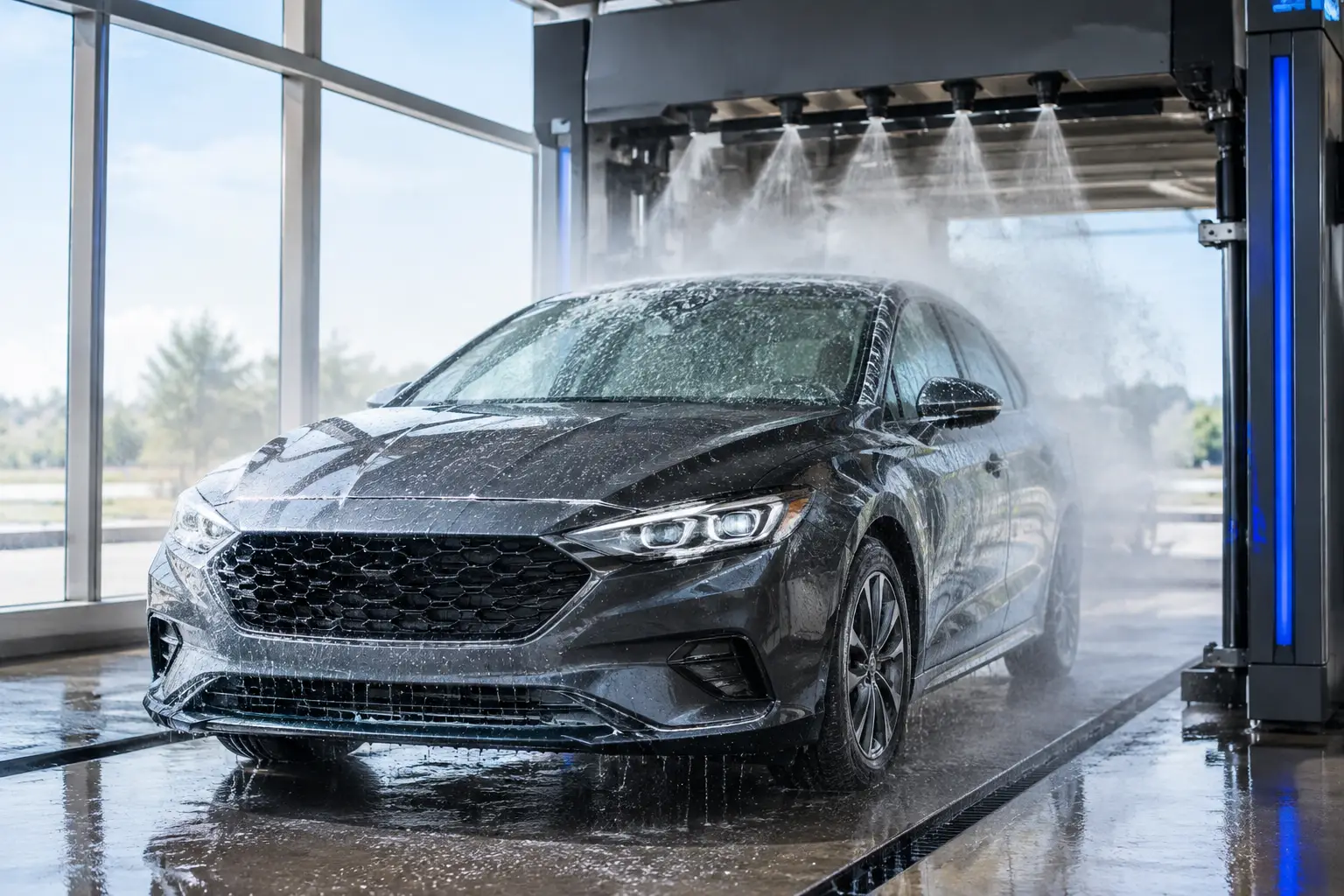
A touchless wash works by applying cleaning solutions, allowing them time to loosen contaminants, then using powerful water pressure to rinse the vehicle. The goal is not simply to spray dirt around. The process is designed to lift and carry away the road film that makes paint look flat and neglected.
For an SUV, choose a wash that includes a thorough pre-soak and underbody rinse when available. The pre-soak helps soften heavy grime along rocker panels and the rear hatch. The underbody rinse is particularly valuable after snowstorms and winter commutes, when salt reaches areas you cannot easily see.
There is a trade-off worth understanding. A touchless wash avoids brush contact, but extremely baked-on mud or thick grime may need more than one wash cycle or a little targeted attention at a self-service bay. That does not make touchless washing less effective. It simply reflects how stubborn dirt behaves, especially after a muddy drive or a long stretch between washes.
A Simple SUV Wash Routine That Works
Start by checking the outside of the vehicle before entering the wash. Fold in mirrors if your owner’s manual recommends it, close all windows and the sunroof, and remove loose accessories that could shift during the wash. If you have a roof cargo box, bike rack, or other mounted equipment, follow its manufacturer guidance before using an automated wash.
Next, select a wash level that fits the condition of your SUV. For a lightly dusty vehicle, a standard wash may be enough. For winter salt, long-distance highway grime, or a vehicle that has been parked under trees, choose a more complete option with added cleaning and protectant steps.
As you pull in, follow the equipment instructions and keep your vehicle centered. Put the transmission in neutral if directed, take your foot off the brake when the conveyor moves, and let the wash do its job. A good automated touchless wash is fast, but it should not feel rushed. Each stage has a purpose: loosening grime, rinsing it away, cleaning wheels and lower panels, and helping water sheet off the surface.
After the exterior wash, give the vehicle a quick walk-around. Check the rear hatch, side mirrors, running boards, and wheel arches. These are the spots most likely to hold droplets or remaining debris. If a small patch of dirt remains after a heavy mud day, it is better to address it with the right cleaning method than to scrub it aggressively with a dry towel.
Do Not Forget the Interior and Vacuum Areas
A clean exterior looks better when the inside is not carrying last month’s road trip. SUVs are especially good at storing sand, salt, pet hair, snack crumbs, and whatever came home from practice in the third row.
Use high-powered vacuums to work from top to bottom. Start with seats and cargo mats, then move to the floor. Pull floor mats out when possible so you can vacuum beneath them, where damp grit often collects. Pay attention to door pockets, the cargo area, and the narrow space between seats and the center console.
Avoid soaking interior carpets during cold weather. Excess moisture can create odors and make windows fog up. For salt residue on mats, vacuum loose debris first, then use an appropriate interior cleaner sparingly and allow the area to dry fully.
Common SUV Washing Mistakes to Skip
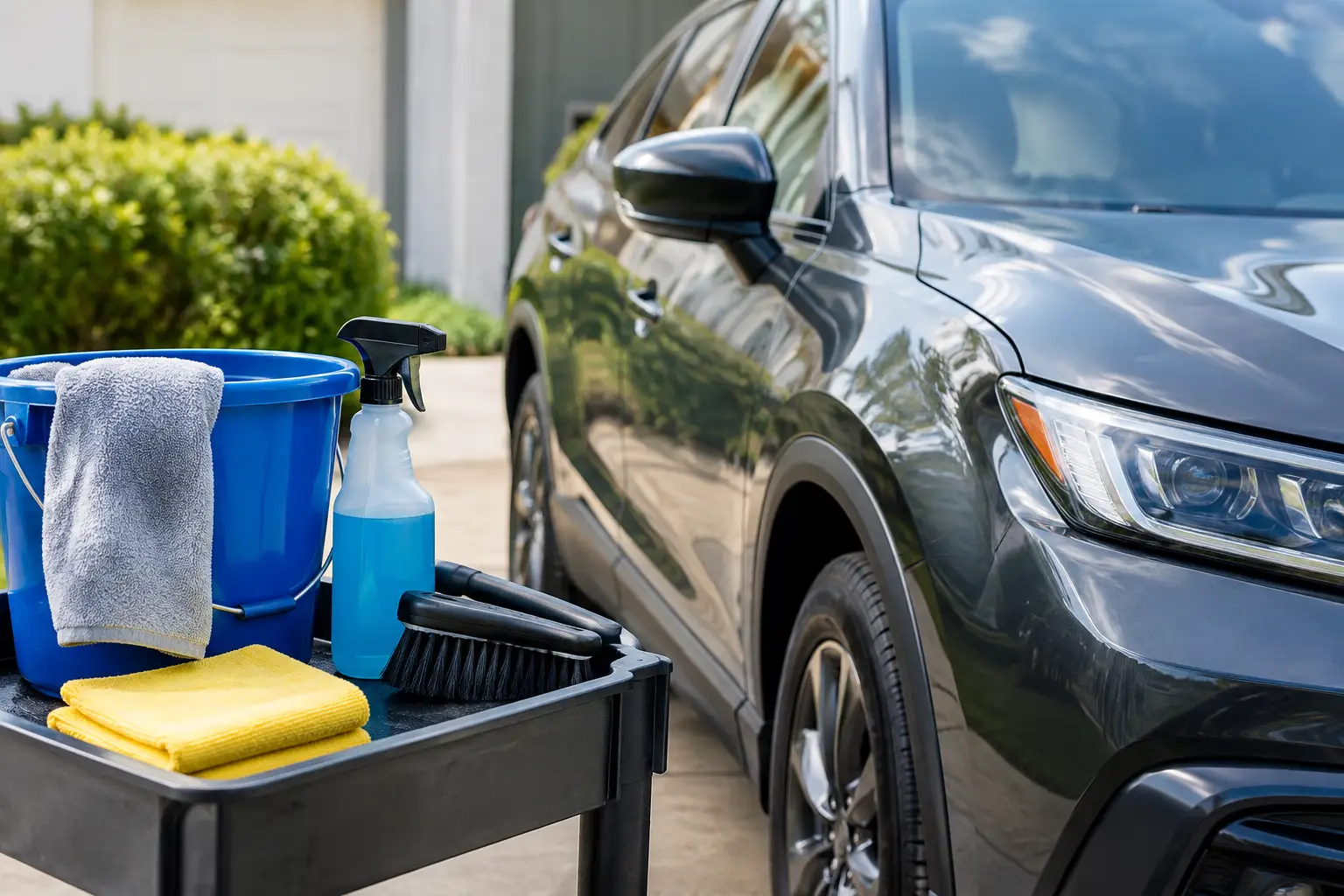
The biggest mistake is washing only when the vehicle looks dirty. Salt and road film can do their work long before your SUV appears overdue for a wash. A second common mistake is using a household dish soap in the driveway. It can strip wax or protectants and is not formulated for automotive finishes.
Also avoid wiping dry dirt from paint. Even a soft towel can drag grit across the clear coat when the surface has not been rinsed first. If you need to clean a spot between washes, use a product meant for vehicle surfaces and plenty of lubrication rather than a dry rag from the garage.
Finally, do not overlook the roof. It may be out of sight, but pollen, sap, and grime build up there too. A properly designed automated wash reaches that area without requiring you to balance on a tire or door sill.
Make Washing Part of Routine Vehicle Care
The best way to wash an SUV is not a once-a-year detail. It is a regular habit that protects your vehicle from the conditions it faces every day. A clean SUV is easier to inspect for paint chips, cracked trim, tire wear, and other small issues that are easier to handle early.
For drivers near Londonderry and Belmont, Black Dog Car Wash offers a convenient touchless option when your schedule does not leave room for a driveway wash. With 24/7 access, you can wash before work, after a weekend trip, or whenever winter roads leave their mark.
Keep it simple: wash before salt and grime settle in, use touchless cleaning to avoid unnecessary brush contact, and vacuum the interior before dirt becomes permanent. Your SUV does a lot for your family and your routine. Giving it a safe, regular wash is an easy way to return the favor.