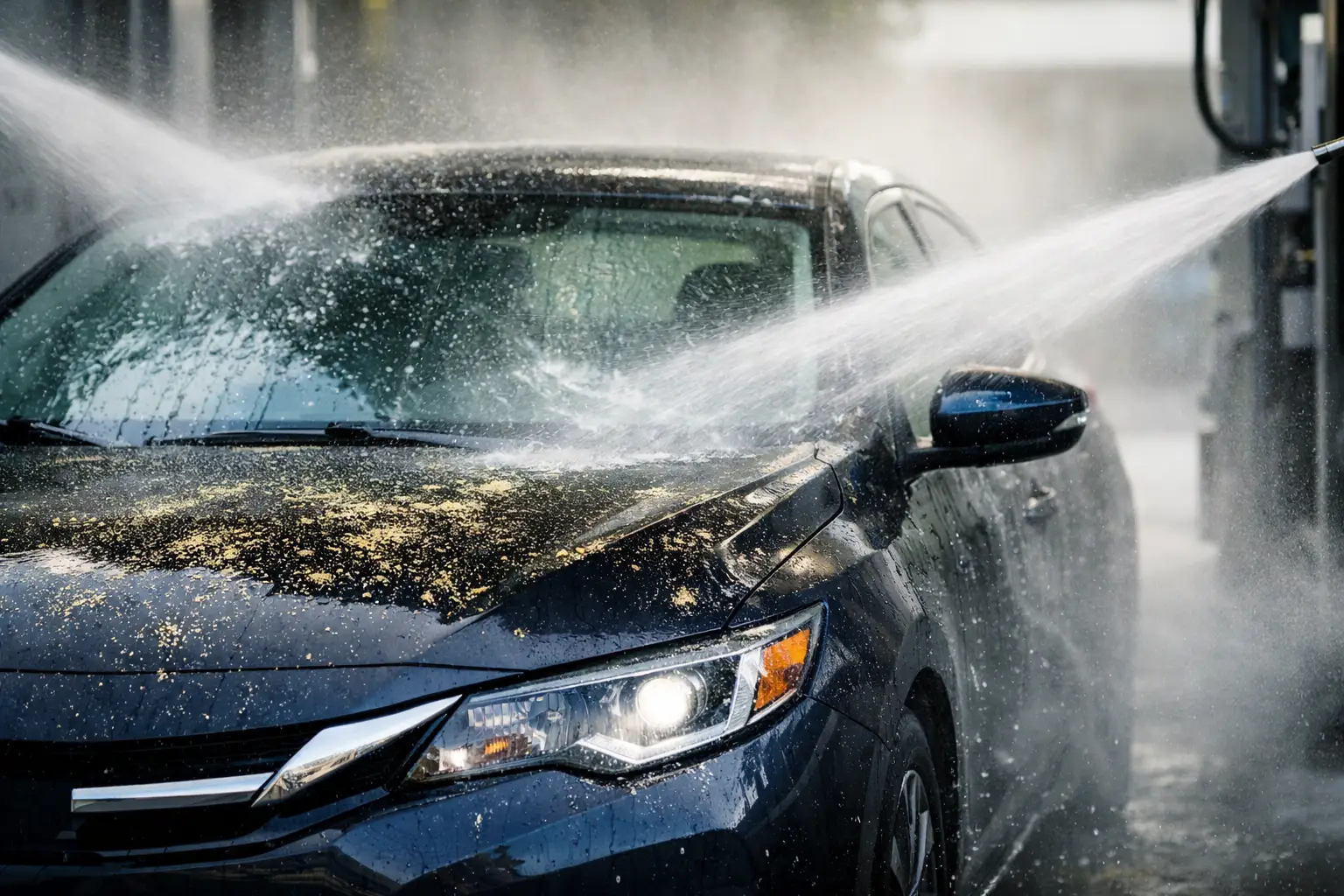
That yellow-green film on your hood is more than a seasonal eyesore. Pollen can cling to paint, settle into trim, coat your windshield, and turn a clean vehicle dull overnight. The best car wash for pollen is one that rinses the buildup away thoroughly without asking you to scrub dry particles across the finish.
For many New Hampshire drivers, that means choosing a quality touchless wash. It is fast enough for a busy commute, effective enough for heavy spring pollen, and gentle on the vehicle because no brushes make physical contact with the paint. When pollen season is in full swing, a quick wash is not just about looking better in the parking lot. It is a sensible part of routine vehicle care.
Why Pollen Needs More Than a Quick Rinse
Pollen looks harmless when it first lands, but it does not stay that way for long. Morning dew, rain, and humidity can turn a light dusting into a sticky layer that hangs onto the clear coat, glass, mirrors, and black plastic trim. Add road dust to the mix, and the vehicle can look neglected just days after washing it.
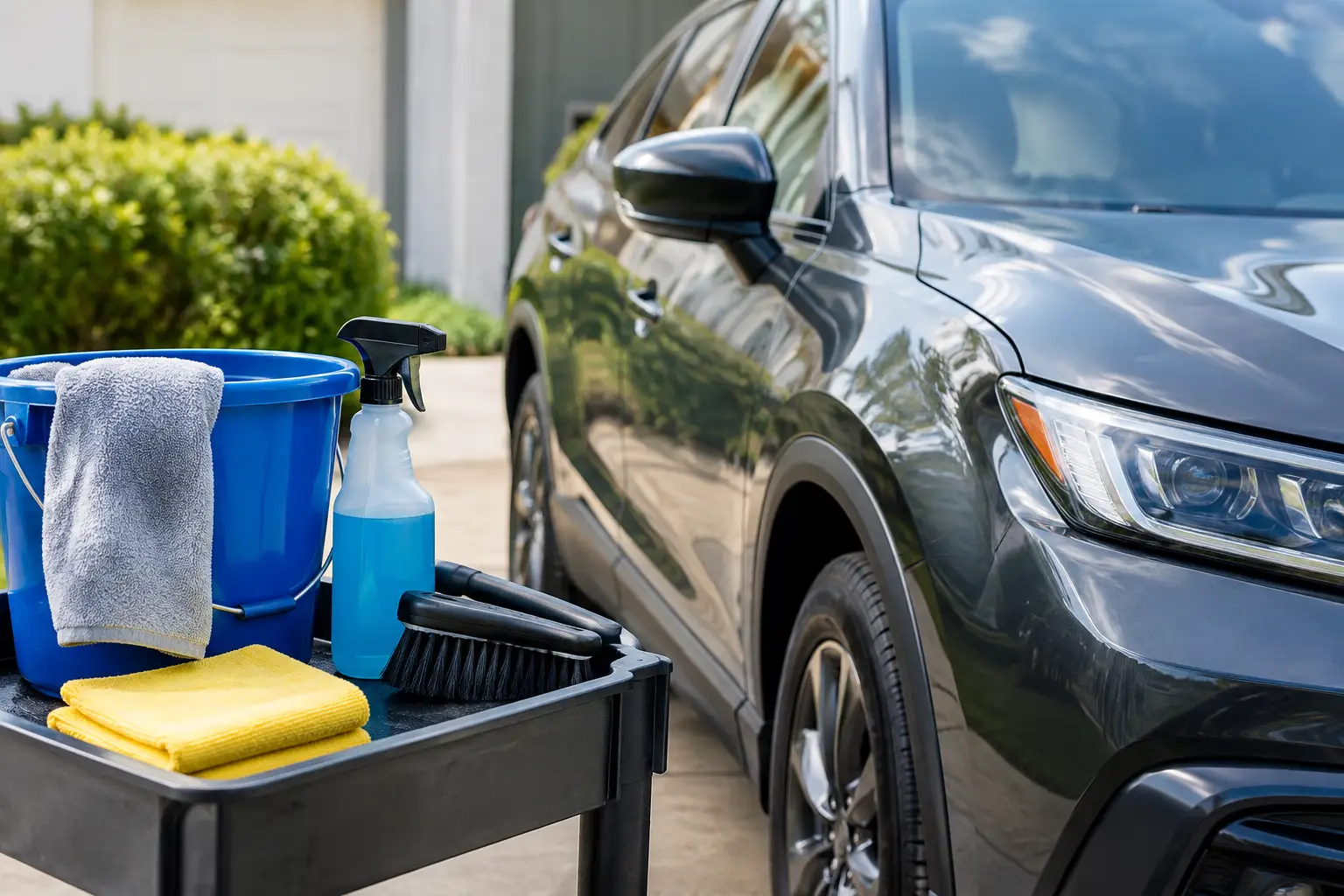
The biggest mistake is wiping pollen off while the surface is dry. A dry towel, sleeve, or windshield squeegee can drag pollen and other fine debris across the finish. That may leave light scratches or swirl marks, especially on darker paint. It is the same reason Beau would not recommend rolling around in a sandy yard before getting brushed. The dirt has to be rinsed away first.
Pollen also affects visibility. A dusty windshield catches sunlight, creates glare, and makes wipers less effective when the next rain shower arrives. Pollen packed around windshield wipers, mirrors, door jambs, and the base of the windshield can be annoying to clean by hand. A complete exterior wash gives those areas a much better starting point than a garden hose or a quick wipe-down.
What Makes the Best Car Wash for Pollen?
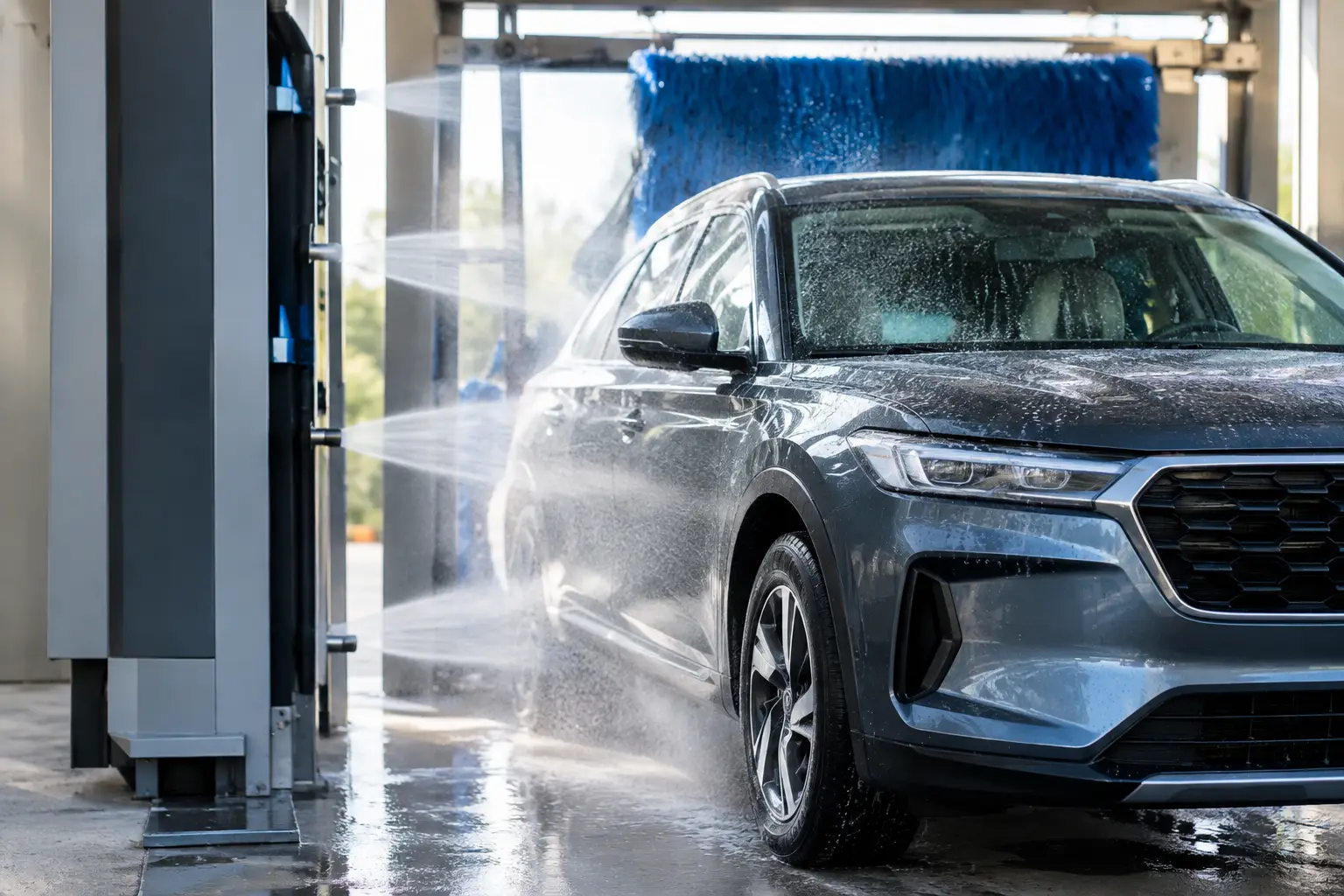
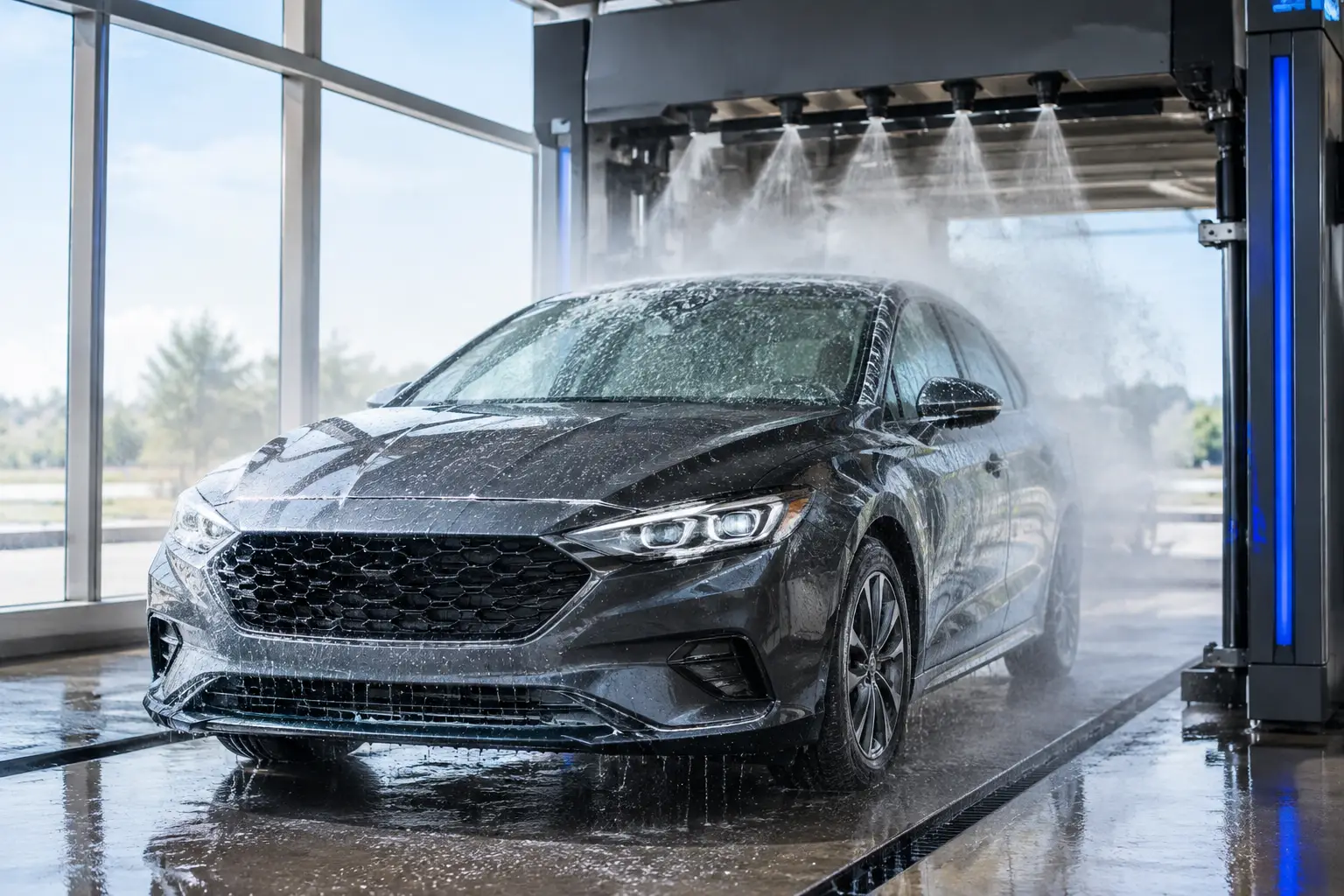
The best choice is not always the wash with the most extras. During pollen season, the priority is a process that removes loose debris before anything touches the vehicle. A touchless wash does exactly that by using high-pressure water and cleaning solutions to loosen and rinse away pollen, road film, and everyday grime.
A good pollen wash should begin with a strong pre-rinse. This is the step that matters most for protecting the finish. Water pressure lifts the pollen off the vehicle so it can be carried away instead of pushed around on the paint. Cleaning products then help break down the film that remains after rain, dew, or warm sun has made pollen stick.
The final rinse matters, too. Pollen often gathers in spots people do not notice until they get home: behind the license plate area, along rocker panels, around side mirrors, and in the channels near the hood and trunk. A thorough rinse helps reduce that leftover yellow residue.
Touchless washing is especially appealing for drivers who want to avoid friction from brushes. Brushes can be effective in certain wash systems, but they also make physical contact with every vehicle that comes through. For pollen-covered paint, a touchless process offers a straightforward advantage: the cleaning is done without brushes touching your vehicle.
Touchless Washing and Pollen: What to Expect
A touchless wash is excellent for routine pollen removal, particularly when you visit before the buildup gets heavy. If your vehicle has been sitting under pine trees for two weeks, baking in the sun, and collecting sap, pollen, mud, and bird droppings, one wash may not make every surface perfect. That is not a failure of the wash. It is simply what happens when several types of grime layer together.
In those cases, another wash or a more detailed cleaning may be needed for stubborn spots. The same is true for pollen caught deep inside exterior trim or dried into a neglected windshield cowl. Regular washes keep those problems from becoming larger jobs.
For normal spring buildup, though, touchless washing is one of the easiest ways to keep up. You drive in, let the equipment do the work, and leave with the pollen film rinsed away. No bucket, no driveway mess, and no need to find time during daylight hours.
How Often Should You Wash Your Car During Pollen Season?
There is no single schedule that fits every vehicle. A commuter parked in a garage may only need a wash every week or two. A vehicle parked outside near trees, construction areas, or a busy road may need attention more often.
A practical rule is to wash whenever you can clearly see a yellow or green coating on the paint, windshield, or mirrors. If pollen is visible, it is already affecting how the vehicle looks and how clearly you can see through the glass. Washing after a heavy rain can also be smart, since rain does not always rinse pollen away evenly. It can leave dirty water spots and pollen streaks as the vehicle dries.
Frequent washing is easier to justify when the service is available on your schedule. Black Dog Car Wash offers 24/7 touchless washing in Londonderry and Belmont, so you can clean up after work, before an early trip, or whenever pollen decides to make its next appearance.
Do Not Forget the Interior
Exterior pollen gets the attention, but the cabin can collect plenty of it too. Every time a door opens, pollen can move onto floor mats, seats, dashboard surfaces, and into the cargo area. If anyone in the household deals with seasonal allergies, a quick vacuum can make the drive more comfortable.
Start with the floor mats and carpet, where pollen, dirt, and small debris tend to settle. Then use a clean microfiber cloth to gently wipe interior surfaces. Avoid using the same towel that touched the exterior. Pollen on the inside may not damage the paint, but it can still create dust, odors, and a less pleasant cabin.
Do not overlook the windows. Interior windshield haze is common in spring, and pollen on the outside makes it worse. Clean glass inside and out helps reduce glare during early-morning and late-day driving.
A Simple Pollen Season Wash Routine
Keeping a vehicle clean during spring does not need to become a weekend project. The easiest routine is to wash regularly before pollen has time to bond with moisture and road grime. Choose a touchless wash, let the pre-rinse remove the loose debris, and use the vacuum stations when the interior needs attention.
Between washes, resist the urge to dry-wipe the hood or windshield. If you need to improve visibility before driving, use washer fluid and wipers rather than rubbing the glass with a dry cloth. Keep washer fluid topped off, especially during the weeks when trees are releasing the most pollen.
It also helps to park under cover when possible. A garage is ideal, but even changing where you park at work can reduce the amount of pollen that settles on the vehicle. Of course, spring weather has other plans sometimes. That is exactly why a dependable wash routine beats waiting for the perfect day.
The Better Way to Handle Yellow Car Season
Pollen is part of spring in New Hampshire, but a pollen-coated vehicle does not have to be. A touchless wash provides the right balance of cleaning power, paint-friendly care, and convenience for drivers who want their vehicle ready for the next commute, school pickup, or weekend drive.
When the yellow film returns tomorrow, as it probably will, skip the dry wipe and give your vehicle the rinse it actually needs. A clean car feels better to drive, looks better when you arrive, and makes one small part of pollen season much easier to handle.