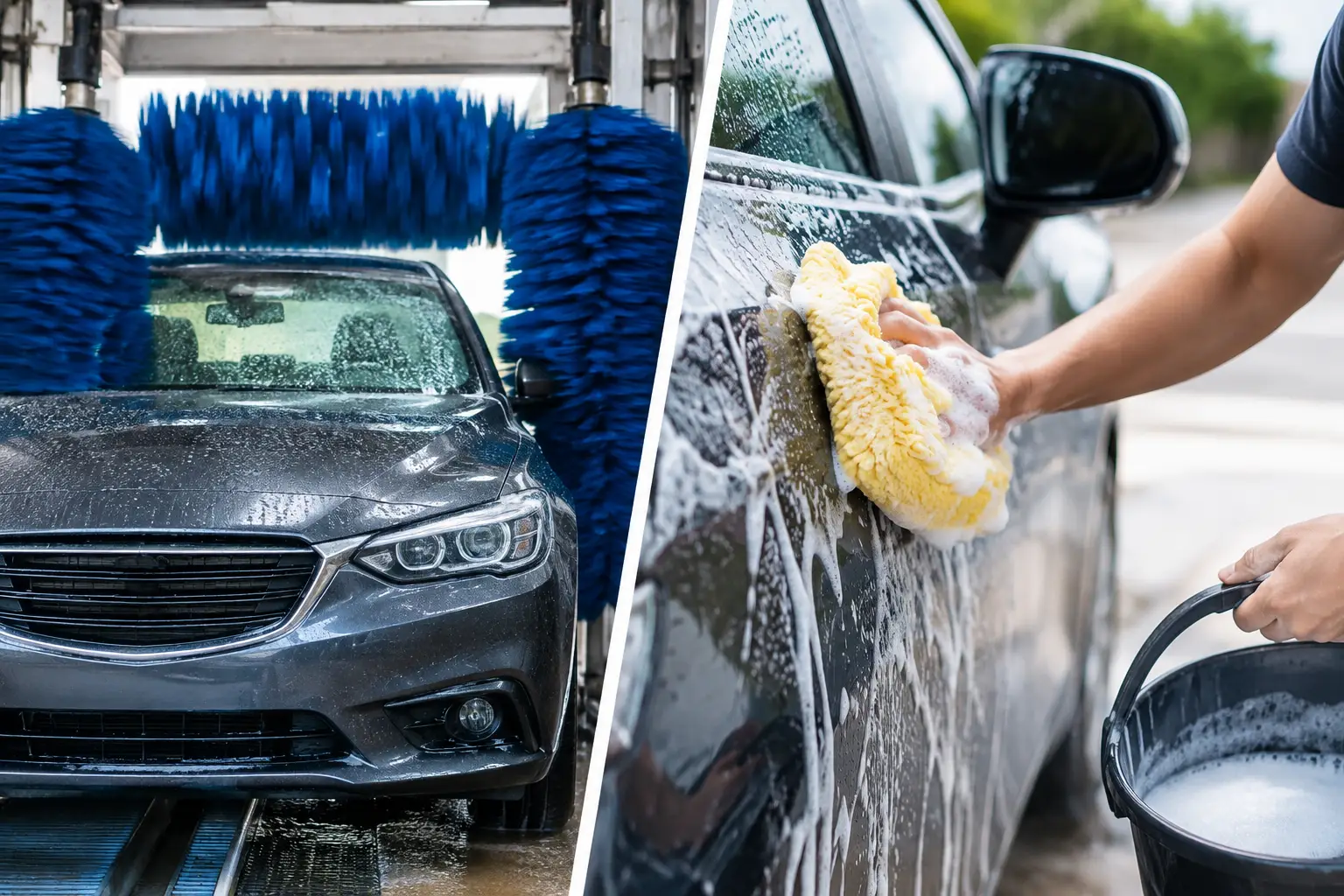
Road salt does not wait for a free Saturday afternoon. Neither do spring pollen, muddy shoulders, or the film that builds up after a wet commute. When considering automatic wash versus hand wash, most New Hampshire drivers are really asking a practical question: what is the safest, most effective way to keep a vehicle clean without adding another chore to the week?
The honest answer is that both methods have a place. A careful hand wash can offer detail work that an automated wash cannot match. But for routine cleaning, especially during a New Hampshire winter, a quality touchless automatic wash offers the speed, consistency, and vehicle-safe care many drivers need.
Automatic Wash Versus Hand Wash: The Real Difference
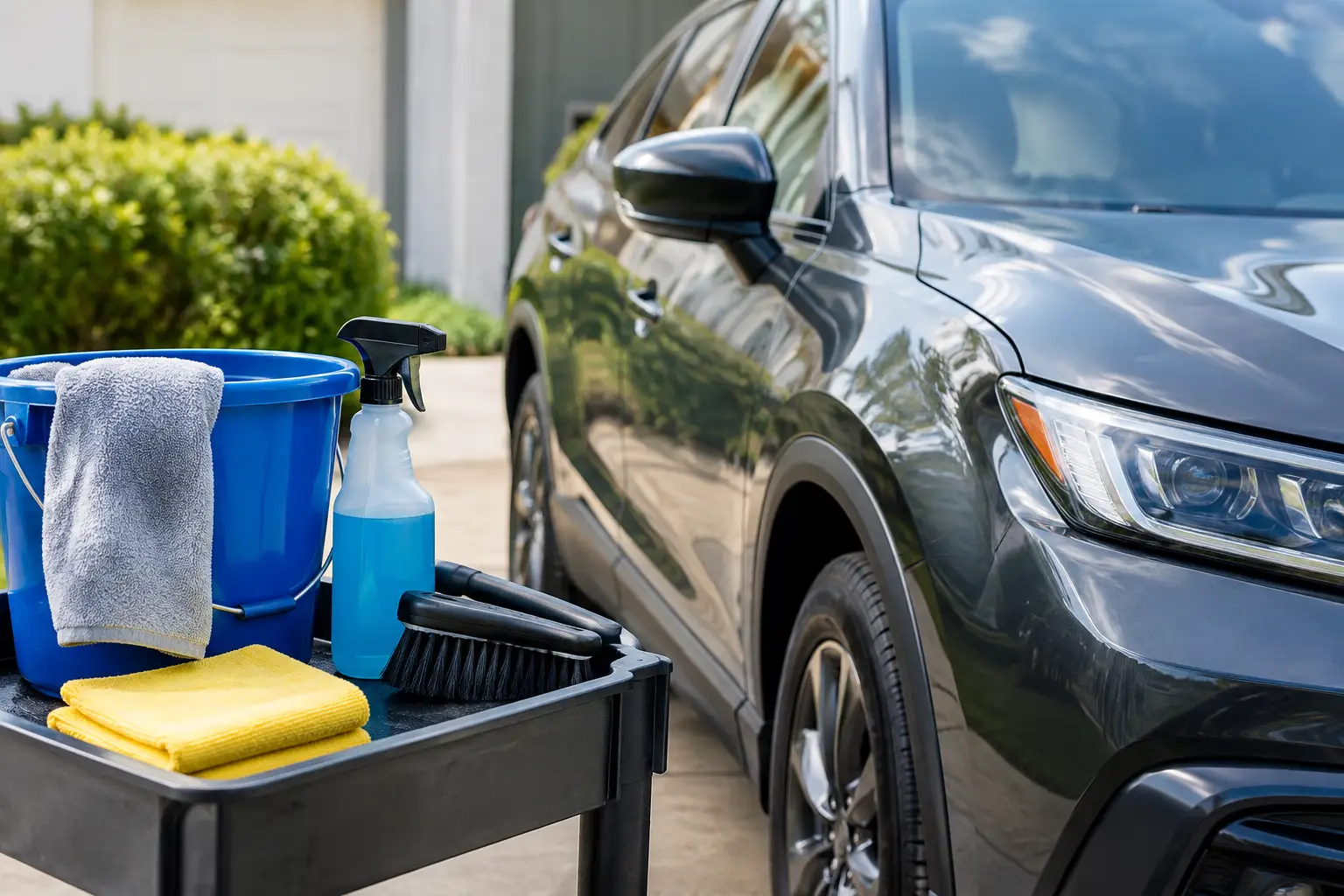
Hand washing puts the process entirely in your hands. You choose the soap, tools, water pressure, and how much attention each area receives. Done correctly with clean mitts, proper automotive soap, and plenty of lubrication, it can be an excellent method for a vehicle that needs close inspection or detailed cleaning.
The catch is in the phrase “done correctly.” A hand wash at home can quickly turn into rubbing road grit across the paint if the vehicle is not rinsed thoroughly first, the wash mitt is dirty, or the same bucket of water is used from start to finish. Dish soap, old towels, and stiff brushes can create their own problems, too.
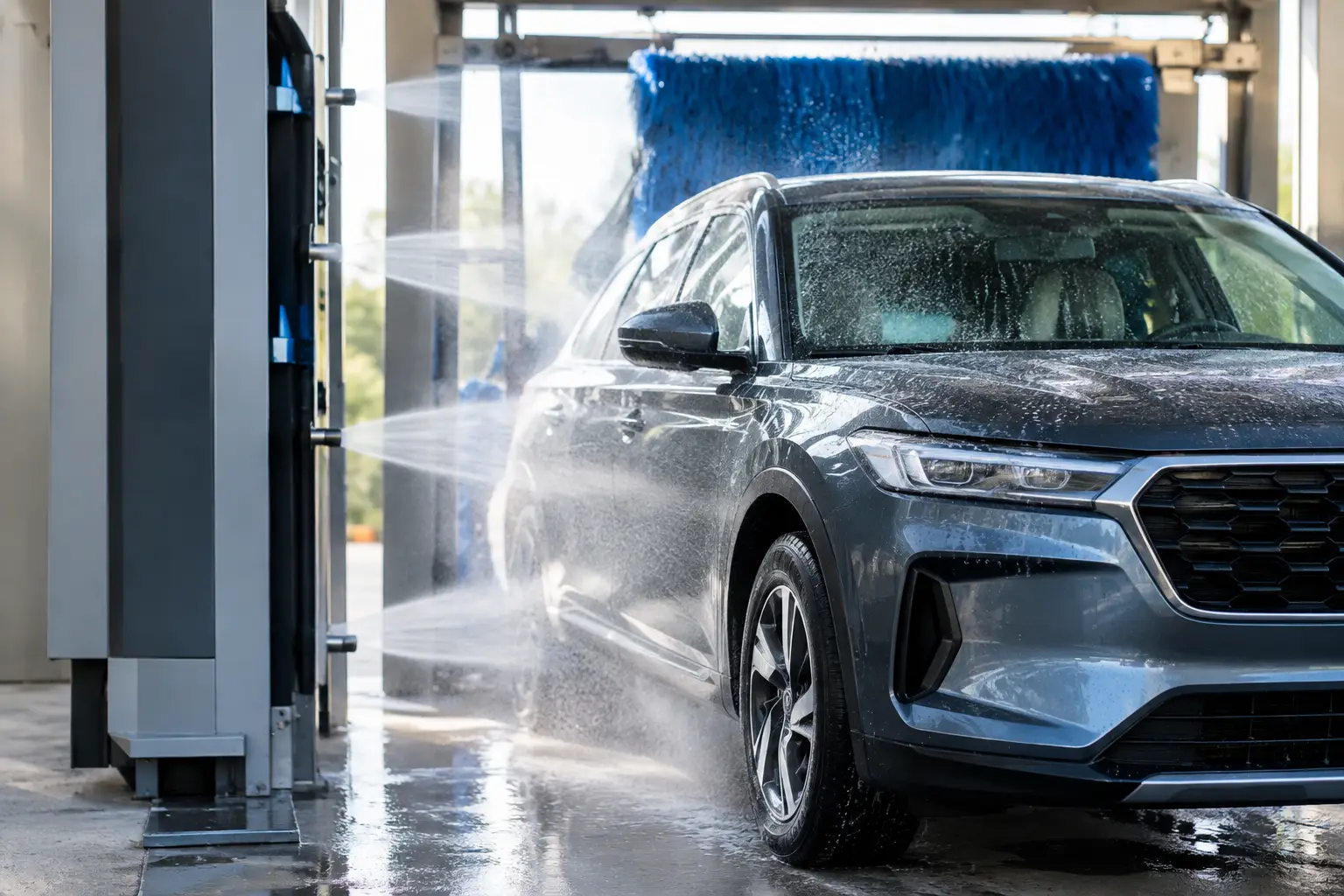
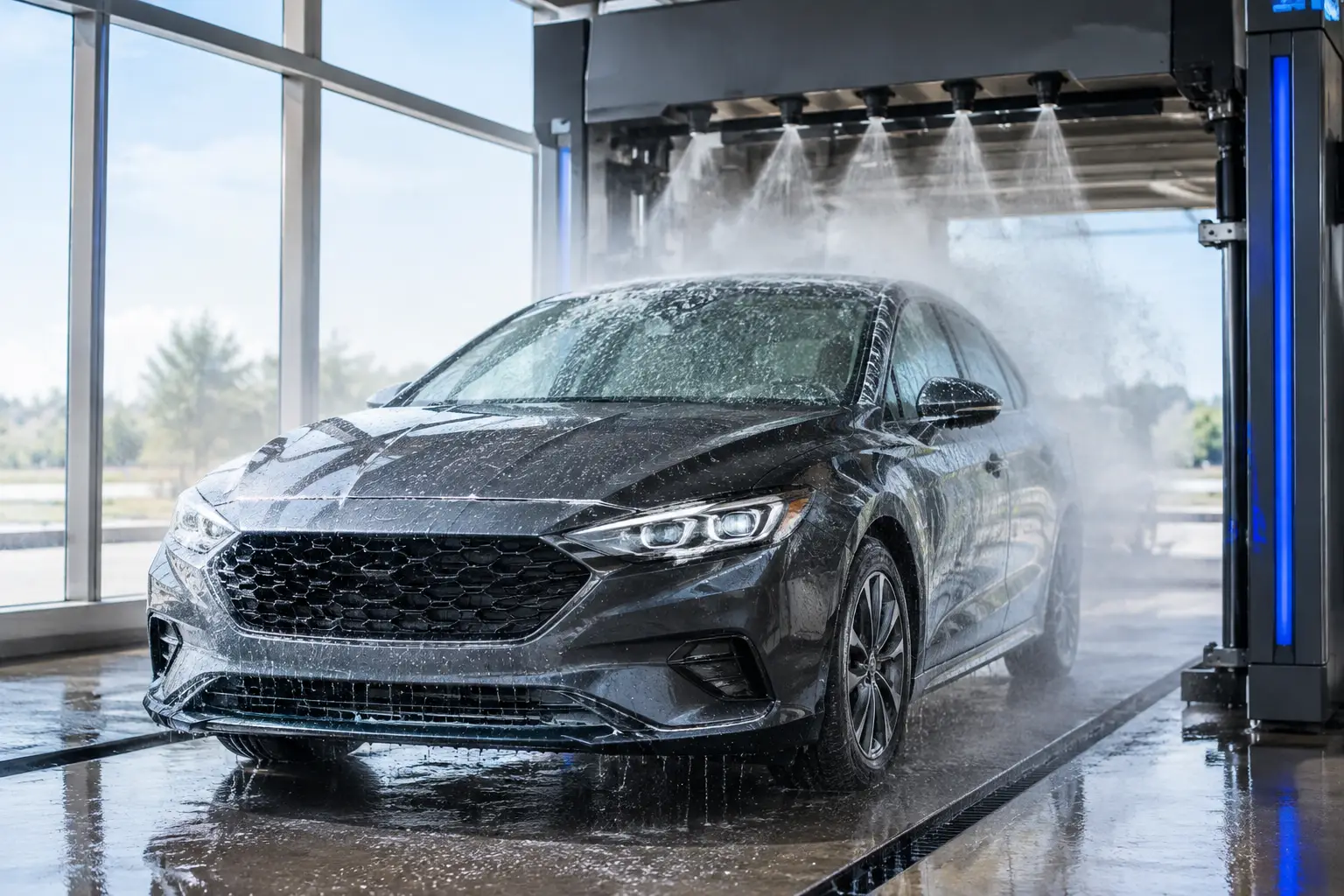
An automatic wash removes much of that guesswork. At a touchless wash, high-pressure water and cleaning solutions do the work without brushes or cloth strips contacting the vehicle’s finish. That makes touchless washing especially appealing to drivers who want to avoid friction against their paint while still removing everyday grime.
Not every automatic wash works the same way. Some tunnel washes use spinning brushes or soft cloth materials. A touchless automatic wash is different: it relies on carefully applied detergents and high-pressure rinses rather than physical contact. If avoiding brushes is your priority, that distinction matters.
When a Touchless Automatic Wash Makes Sense
For most daily drivers, the best wash is the one that happens often enough to prevent grime from becoming a bigger problem. That is where a touchless automatic wash has a clear advantage.
It fits real schedules
A proper hand wash takes more than a hose and a bucket. You need room, supplies, decent weather, and time to rinse, wash, rinse again, dry, and clean up afterward. In January, it may also mean standing outside in freezing temperatures while slush refreezes near the driveway.
An automatic wash lets you clean the exterior on your schedule. For commuters, parents running errands, and anyone heading home after work, a quick wash is far more realistic than setting aside an afternoon. A 24/7 wash option is particularly useful when the vehicle needs attention now, not when a shop or sunny weekend happens to line up.
It helps keep salt from lingering
Road salt is one of the biggest reasons New Hampshire vehicles need regular washing. Salt and brine collect on lower body panels, wheel areas, bumpers, and other exposed surfaces. Leaving that buildup in place for weeks is not a maintenance strategy.
A touchless wash cannot replace a professional undercarriage inspection or repair when one is needed. It can, however, help drivers stay ahead of the steady salt, sand, and road film that come with winter driving. Frequent exterior washing is a simple habit that supports a cleaner-looking vehicle through the messiest months of the year.
It avoids brush contact
Any wash method can cause issues when dirt is rubbed against paint. With a touchless system, there are no brushes making contact with the vehicle. The process is designed to loosen and rinse away grime using chemistry and water pressure.
That does not mean touchless washing is magic. Heavy, baked-on mud or thick contamination may require more than one wash or some manual attention afterward. But for routine road film, pollen, rain residue, and seasonal grime, it is a smart choice for drivers who prefer no-contact exterior cleaning.
It gives a more consistent result
Home washing results often depend on the weather, the condition of the hose, the products on hand, and how much time you have. An automatic wash provides a repeatable process every visit. That consistency is useful when keeping more than one family vehicle clean or when a car is exposed to daily commuting conditions.
At Black Dog Car Wash, touchless equipment is built around that straightforward goal: give local drivers an effective exterior wash without brushes contacting the vehicle. Pull in when it works for your day, wash the vehicle, and get back to what you were doing. Beau the black labradoodle would call that less time chasing spots and more time chasing sticks.
When Hand Washing Is Worth the Effort
Hand washing still has advantages, particularly for vehicle owners who enjoy detailing or need a level of attention beyond a routine exterior wash.
It allows for close-up detailing
A careful hand wash lets you work around badges, trim, wheel spokes, door jambs, and hard-to-reach areas at your own pace. You can inspect the paint as you go, treat stubborn spots individually, and use specialty products where appropriate. For a show car, a newly corrected finish, or a weekend detailing project, that control can be worthwhile.
It can also be useful after off-road travel or an unusually muddy trip, when debris is packed into areas that need hands-on attention. The important part is using the right process: rinse first, use clean tools, keep grit away from the paint, and avoid scrubbing aggressively.
It gives you control over products
Drivers with a ceramic coating, specialty wax, or particular detailing preference may want to select every product used on the vehicle. Hand washing makes that possible. It also gives you the option to use dedicated wheel cleaners, bug removers, and microfiber drying towels in a controlled setting.
Still, control is only helpful when the products and techniques are sound. Strong household cleaners, dirty sponges, and one quick bucket of murky water can do more harm than good. Hand washing is not automatically gentler simply because it is manual.
What About Water Use and Weather?
A home wash may feel like the simple choice, but it is not always the most practical one. Washing in direct sun can leave water spots. Washing during freezing weather can create icy conditions around the driveway. Runoff, hose access, and local restrictions can also complicate the job.
Automatic facilities are designed for washing vehicles efficiently, with controlled equipment and a process that does not require you to manage the mess at home. For drivers without a suitable driveway, apartment residents, and people who simply do not want to wrestle with a hose in cold weather, that convenience is more than a bonus.
Choosing the Right Wash for Your Vehicle
There is no need to make this an all-or-nothing decision. A touchless automatic wash is an excellent routine for most vehicles, especially when road salt, pollen, dust, and rain grime are frequent concerns. A detailed hand wash can be reserved for the times when your vehicle needs extra attention.
If your car is lightly dusty but otherwise clean, waiting may be fine. If it is covered in salt after several winter drives, has pollen collecting along the hood, or looks dull after rainy commutes, an automatic wash is usually the better move. Regular care beats letting contamination build until the vehicle needs a major cleanup.
For drivers comparing automatic wash versus hand wash, the best choice is the one that protects the finish, fits your routine, and actually gets done. Keep a hand wash for detail days if you enjoy the process. For the everyday mess that New Hampshire roads deliver, make cleaning easy enough to do before grime settles in.