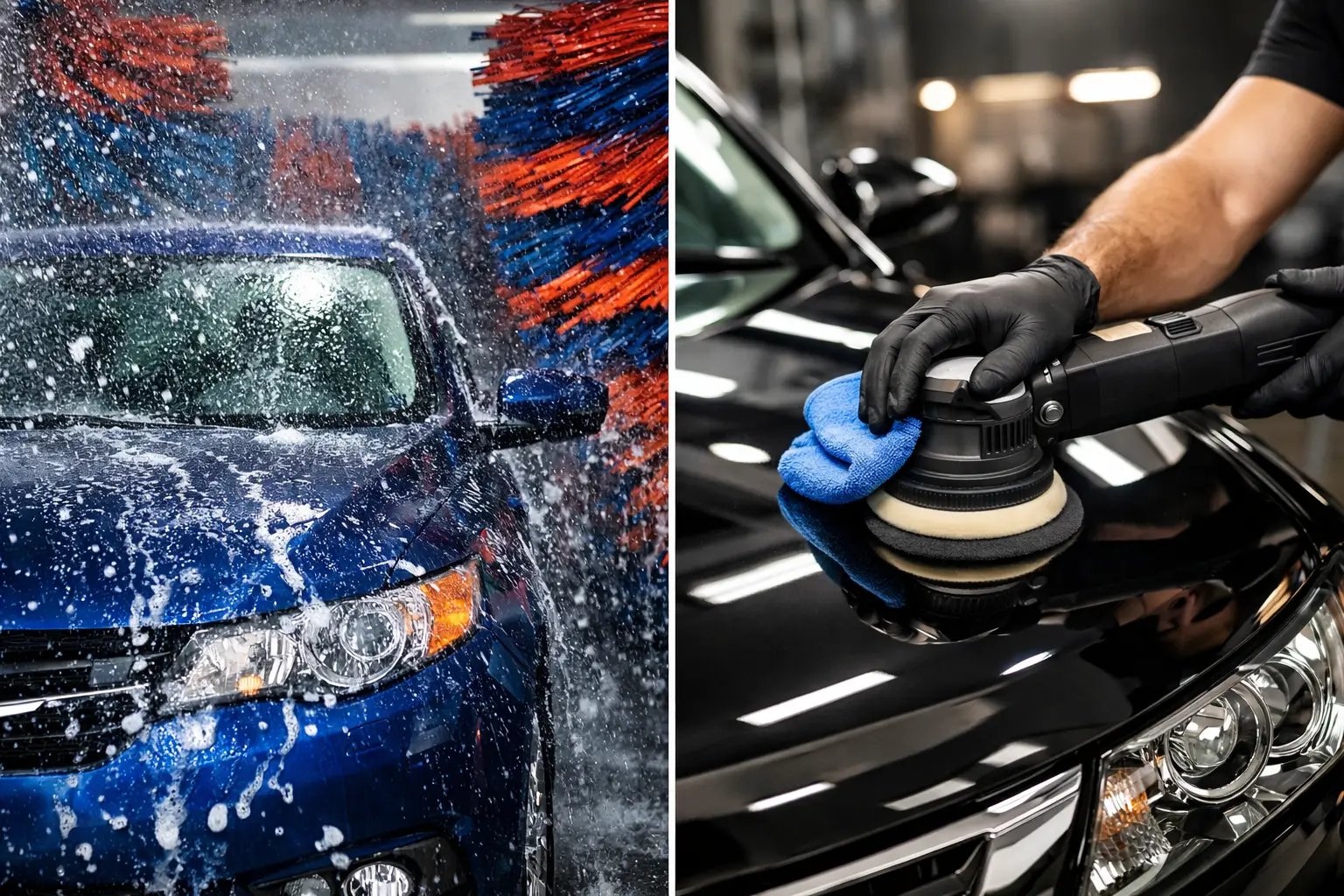
A February drive through New Hampshire can leave your vehicle wearing a gray coat of salt, slush, and road grit by the time you get home. That is where the automatic wash versus detailing question gets practical: do you need a fast, protective cleanup now, or is it time for deeper, more involved care?
For most drivers, the answer is not one or the other forever. A touchless automatic wash handles the routine mess that builds up between work, school, errands, and weekend plans. Detailing has a different job. It is the occasional reset for a vehicle that needs attention well beyond the exterior.
Automatic Wash Versus Detailing: The Main Difference
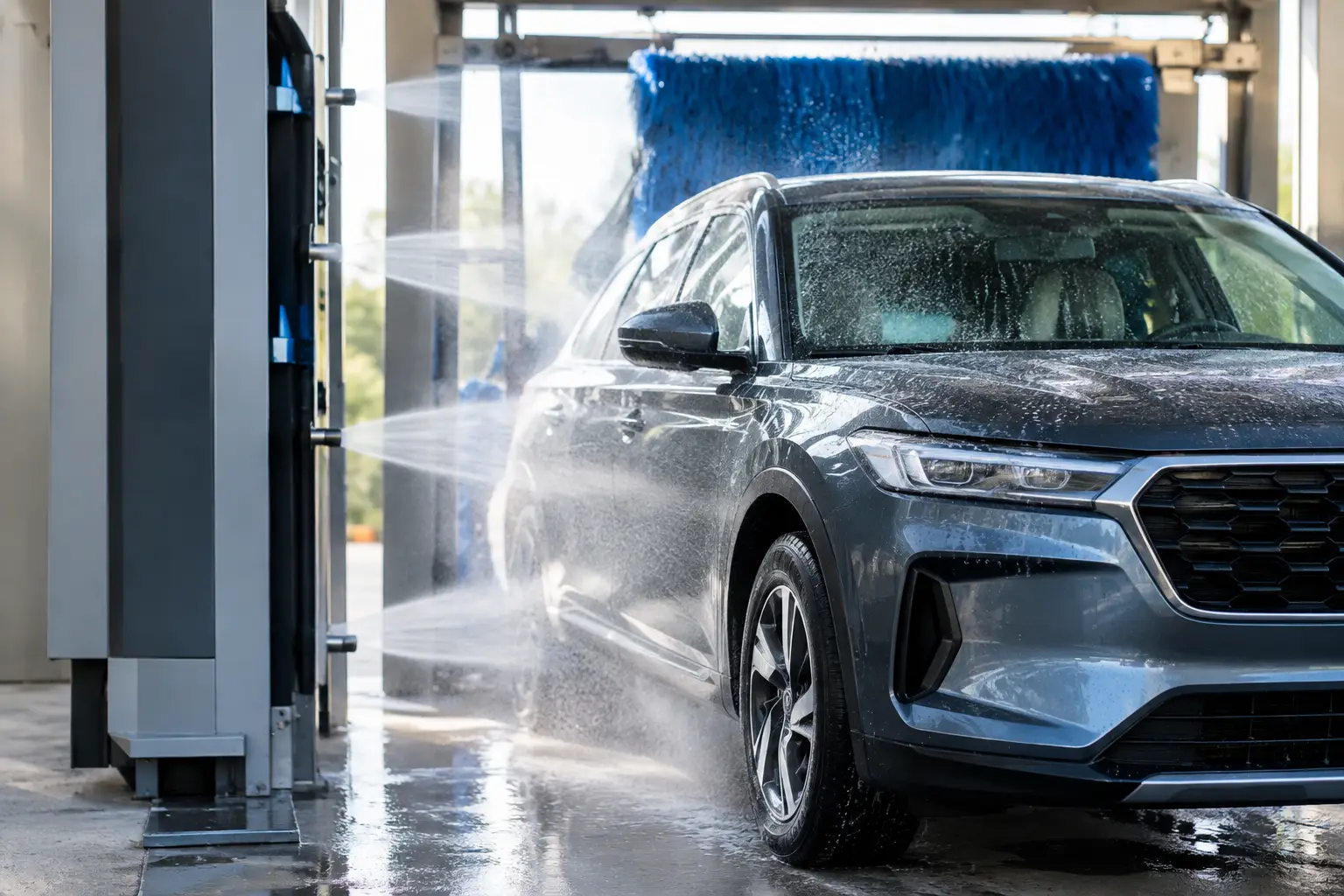
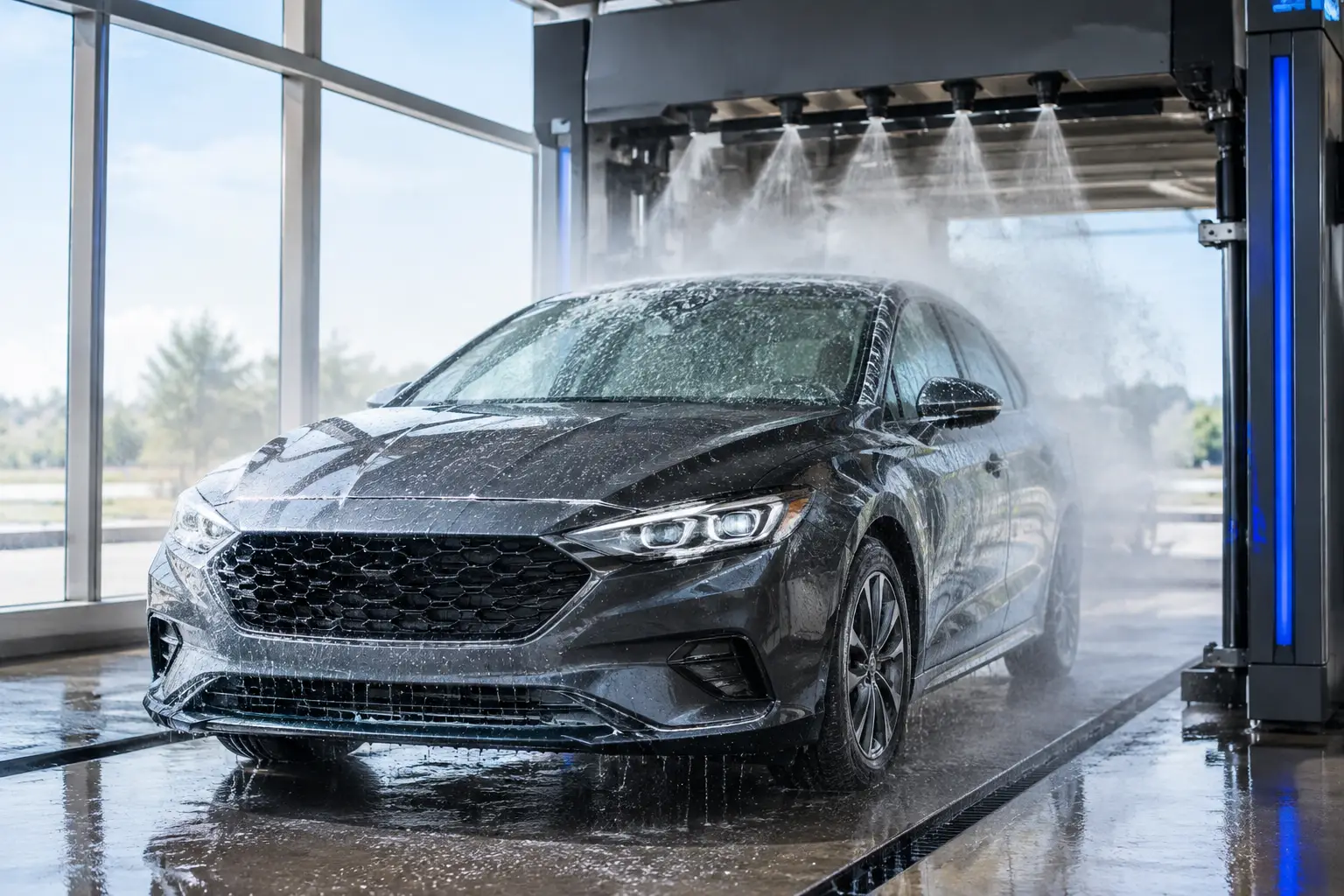
An automatic wash is built for routine exterior maintenance. You pull in, the equipment does the work, and you leave with salt, mud, pollen, dust, and everyday road film removed from the outside of your vehicle. At a touchless wash, high-pressure water and carefully selected cleaning products do the cleaning without brushes contacting your paint.
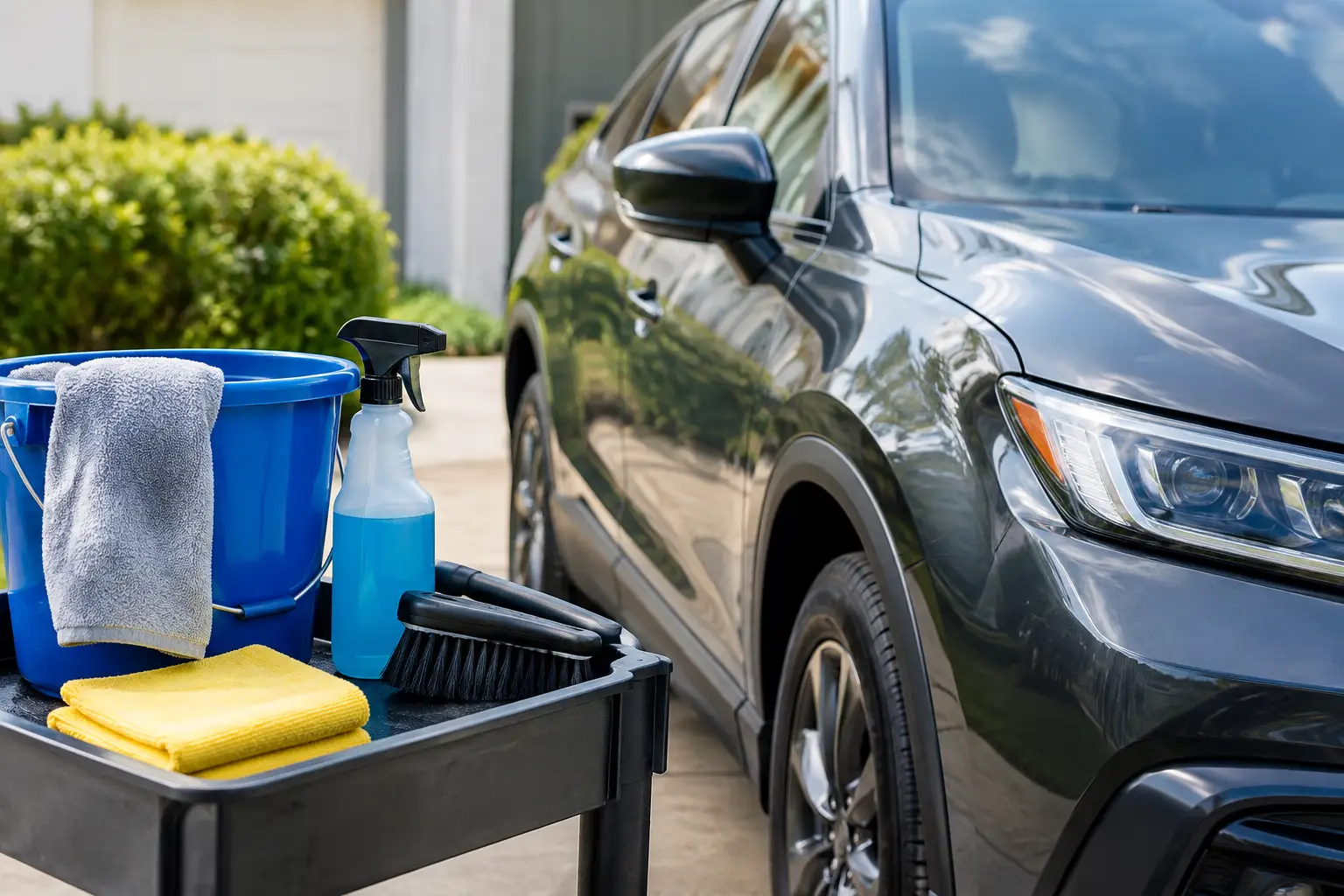
Detailing is a more intensive service, usually performed by hand over a longer appointment. A detail may include deep interior vacuuming, shampooing carpets, cleaning upholstery, treating leather, polishing paint, removing stains, cleaning tight crevices, and applying more specialized protectants. Some detail packages also include paint correction or exterior polishing to reduce the appearance of swirls, oxidation, and light scratches.
The difference is not simply clean versus cleaner. It is frequency, scope, time, and cost. An automatic wash is a regular part of keeping a vehicle in good shape. Detailing is periodic work for conditions that routine washing cannot reasonably solve.
When a Touchless Automatic Wash Is the Better Choice
A touchless automatic wash makes the most sense when your vehicle needs a reliable exterior cleanup and your schedule does not have room for an all-day project. That is most days for most New Hampshire drivers.
Road salt is the clearest example. During winter, salt and brine collect on rocker panels, wheel areas, bumpers, and undercarriage surfaces. Letting that buildup sit for weeks is not a good maintenance plan. Regular washing helps remove corrosive residue before it has more time to work against your vehicle's finish and exposed components.
Spring brings its own mess. Pollen, rain spotting, muddy shoulders, and leftover winter grime can make a clean car look neglected in a hurry. Summer means bugs, dust, tree sap, and road trips. Fall adds wet leaves and dirt. A convenient automatic wash lets you respond to what is on your vehicle now rather than waiting until it becomes a bigger cleaning job.
Touchless technology is especially appealing to drivers who want to avoid physical brushes touching their vehicle's exterior. No wash method can promise to fix existing paint damage, and heavily soiled vehicles may need more than one visit. Still, a quality touchless wash is a smart routine option for owners who value a clean exterior and a no-contact cleaning approach.
At Black Dog Car Wash, drivers can get that routine care on their own time, with 24/7 touchless washing and high-powered vacuum stations available for the parts of the vehicle that need a quick refresh too.
Routine washing protects more than appearance
A clean vehicle simply feels better to drive, but the practical benefits go further. Removing road film helps keep paint, trim, lights, cameras, and license plates easier to see and inspect. A clean windshield and exterior glass also support better visibility when New Hampshire weather turns quickly.
Regular washes can make it easier to notice a new scratch, chipped paint, loose trim, or tire issue before it gets overlooked under a layer of grime. Think of a wash as ordinary vehicle housekeeping. It does not replace repairs or detailing, but it helps you stay on top of your vehicle's condition.
When Detailing Is Worth the Time and Cost
Detailing is the better call when the problem is deeper than surface dirt. If your interior has months of sand, pet hair, crumbs, stains, or odors, an exterior wash will not change that. If the paint has embedded contamination, oxidation, stubborn water spots, or noticeable swirls, a professional detailer may have the tools and time to address it properly.
It can also be worthwhile before selling or trading in a vehicle. A professionally cleaned interior and polished exterior can make a stronger first impression and help a well-maintained vehicle show its condition. The same goes for a vehicle you have just purchased used. A full detail can give you a clean starting point, then routine washes help maintain it.
Detailing makes sense after a major event, too: a spilled coffee in the seats, a wet dog adventure, a long family road trip, or a season of hauling sports gear and muddy boots. Beau would probably argue that dog hair is a decorative feature. Your upholstery may disagree.
The trade-off is straightforward. Detailing usually requires scheduling, several hours without your vehicle, and a significantly higher price than an automatic wash. It is valuable work when your vehicle needs it, but it is not necessary every time rain, pollen, or salt hits the roads.
What detailing cannot replace
A detail is not a permanent shield against everyday dirt. If you detail your vehicle once and then wait months to wash it, salt, bugs, bird droppings, and grime will still build up. Detailing works best alongside consistent maintenance, not as a substitute for it.
Likewise, detailing cannot erase every scratch or defect. Paint correction can improve certain surface imperfections, but deep scratches, rock chips, peeling clear coat, and rust may need repair work rather than cosmetic cleaning. A good detailer should explain what is realistic before starting.
The Best Plan for Most New Hampshire Drivers
For a daily driver, regular touchless washes plus occasional detailing is usually the practical middle ground. Wash often enough to keep seasonal grime from accumulating, especially after snowy or salty conditions. Then schedule a detail when the interior needs serious attention, the exterior has lost its luster, or you are preparing the vehicle for a sale, lease return, or special occasion.
How often should you wash? It depends on where and how you drive. A commuter traveling salted highways may need to wash more frequently in winter than someone whose car stays parked most days. A family SUV carrying kids, dogs, groceries, and sports equipment may benefit from vacuuming at every wash and a deeper interior detail once or twice a year.
A vehicle kept in a garage may stay cleaner longer, but it still collects pollen, dust, and contaminants when driven. A newer car may deserve frequent washing to maintain its appearance, while an older work vehicle still benefits from removing salt and grime even if perfection is not the goal.
The useful question is not, “Which option is best?” It is, “What does my vehicle need this week?” If it needs salt removed before the next storm, choose the wash. If the seats are stained, the carpets smell damp, and the paint needs professional attention, book the detail.
Get More From Every Wash
A few habits can make routine washing more effective. Do not wait until dirt is baked on or salt has been sitting for a month. Give extra attention to your vehicle after storms, long highway drives, muddy back roads, or trips where bugs cover the front end.
Use the vacuum stations when the interior has the usual buildup, rather than letting it turn into a season-long project. Take out floor mats when appropriate and clear out trash before you arrive. Those small steps keep your vehicle easier to live with and make the occasional full detail more worthwhile when you choose one.
For drivers who wash regularly, prepaid wash bundles, gift certificates, or reloadable wash accounts can also make routine care easier to keep on the calendar. The best maintenance plan is the one you will actually use.
Your car does not need a full detail every time it gets dirty. It does need regular care that fits real life. When the roads leave their mark, make time for a touchless wash, clear out the cabin, and head back out with one less thing to worry about.